
Navigating the financial landscape of any major destination can be a complex endeavor, and New York is no exception. For travelers, understanding the various taxes levied can significantly impact budget planning, from booking accommodation to enjoying dining and shopping experiences. This comprehensive guide aims to demystify the tax structure in the Empire State, focusing specifically on how it affects tourists and visitors.
Understanding New York’s Sales Tax Structure
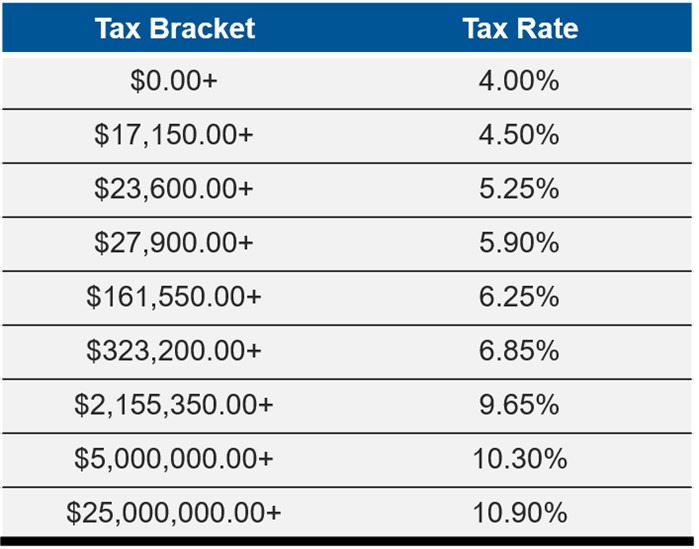
At its core, New York employs a tiered sales tax system. This means that the tax rate can vary depending on the specific location within the state. While the state imposes a base rate, counties and sometimes even cities have the authority to add their own local taxes. This layered approach is crucial for visitors to comprehend, as a purchase made in Manhattan might incur a different total tax than the same item bought in upstate New York.
The State Sales Tax Component
The foundational layer of sales tax in New York is the state-imposed rate. This rate is subject to change by legislative action, but it provides a baseline for all taxable transactions. For the most part, tangible personal property and certain services are subject to this tax. It’s important to note that not everything is taxed; exemptions exist for groceries, clothing under a certain price threshold, and prescription drugs, among others. Understanding these exemptions can lead to significant savings for budget-conscious travelers.
Local Taxes: County and City Additions
Beyond the state’s contribution, local governments play a significant role in setting the final sales tax rate. Counties across New York can impose their own additional sales taxes, which are then collected by the state. This often results in a higher combined tax rate in more populous or tourism-heavy areas.
For instance, New York City, a premier tourist destination, has one of the highest combined sales tax rates in the state. This is due to the addition of city-specific taxes on top of the state and metropolitan commuter transportation district taxes. Visitors planning to spend extensively in places like Times Square or the Metropolitan Museum of Art should factor in these higher local rates. Conversely, some upstate counties may have lower or no additional local taxes, resulting in a more favorable tax burden. Travelers should always be aware of the specific county and city they are visiting to accurately estimate their tax obligations.
Taxes on Accommodation and Lodging
When it comes to finding a place to rest and recharge, taxes on lodging in New York are a significant consideration, especially for those planning extended stays or opting for luxury accommodations. The tax applied to hotels, resorts, and other forms of temporary lodging is a combination of state, county, and sometimes city taxes, similar to general sales tax, but with its own specific nuances.
Hotel Occupancy Taxes
Hotels, motels, and other establishments offering temporary lodging are generally subject to an occupancy tax. This tax is typically levied on the rental price of the room. The rate can vary considerably. In New York City, for example, the occupancy tax can be quite substantial, comprising state, city, and metropolitan commuter transportation district taxes. This means that the advertised nightly rate for a room at a place like the Plaza Hotel will have a considerable percentage added on top due to these combined taxes.
Special Taxes in Tourist Hubs
Certain popular tourist destinations may also impose additional taxes to fund local tourism initiatives or infrastructure improvements. These are often referred to as “tourism-related taxes” or “hotel taxes.” While these might seem like an added burden, they often directly contribute to the maintenance and enhancement of attractions and services that visitors come to enjoy. For travelers staying in or visiting areas with a high volume of tourism, such as the Adirondack Park or the Niagara Falls region, it’s wise to research any specific local tourism taxes that might apply to their accommodation.
Taxes on Dining and Entertainment
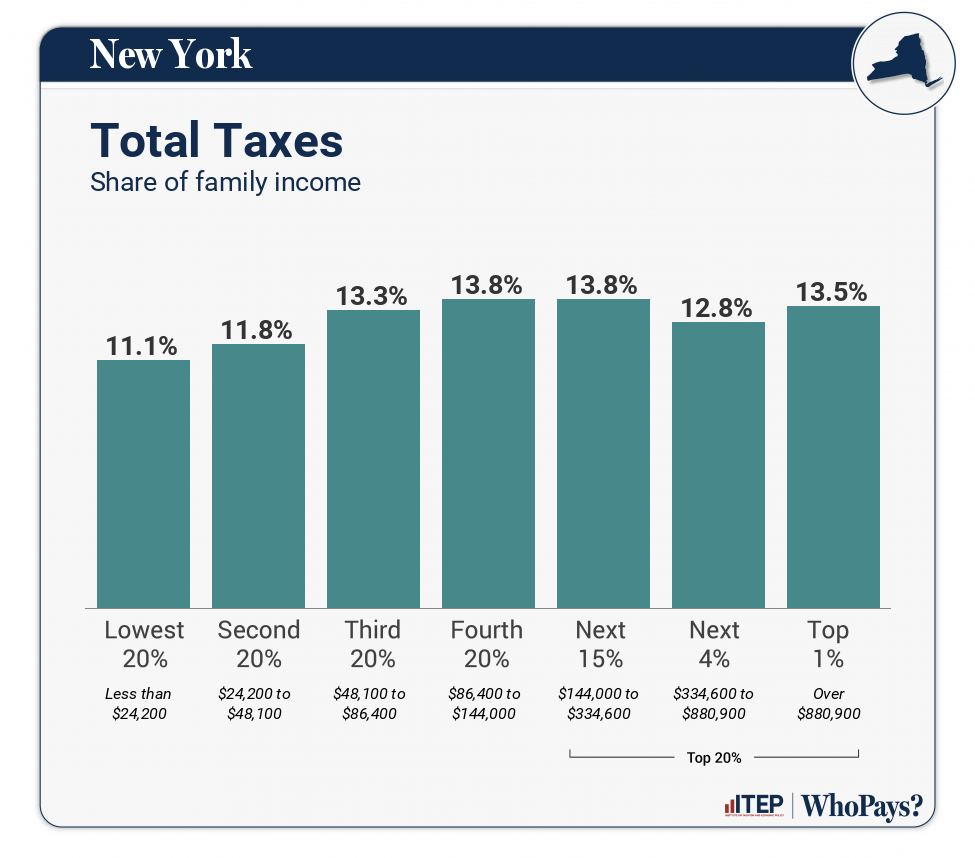
The vibrant culinary scene and diverse entertainment options in New York are a major draw for visitors. However, the cost of enjoying these experiences is also influenced by taxation. Understanding how taxes are applied to restaurant meals, tickets to shows, and other recreational activities is essential for a well-planned trip.
Restaurant and Dining Taxes
Food and beverages purchased in restaurants, cafes, and bars are generally subject to sales tax, similar to other retail goods. The applicable rate will again depend on the specific location, with New York City often having a higher combined rate. This applies to everything from a quick bite at a deli in Brooklyn to a fine dining experience in Manhattan. Some jurisdictions may have different tax rates for prepared foods consumed on-premises versus those taken out. It’s always a good practice to check the bill or inquire with the establishment if there is any ambiguity.
Entertainment and Activity Taxes
Tickets for Broadway shows, sporting events at iconic venues like Madison Square Garden, museum admissions, and admission to various attractions are also subject to sales tax. The tax is typically calculated based on the ticket price. For many visitors, a trip to New York includes experiencing its world-renowned cultural offerings, and the cost of these tickets will invariably include the relevant state and local taxes. Understanding these taxes can help in comparing prices between different venues or events and in budgeting for a comprehensive itinerary that might include a visit to the Statue of Liberty or a stroll through Central Park.
Key Considerations for Travelers
When planning your trip to New York, being aware of the tax implications can prevent unexpected expenses and allow for more accurate budgeting. Several key considerations can help you navigate these financial aspects effectively.
Budgeting and Planning
The most crucial step is to incorporate estimated taxes into your overall travel budget. Instead of just looking at the sticker price of goods, services, and accommodation, always add an estimated percentage for sales tax. Given the varying rates across the state, it’s advisable to use the highest likely rate (e.g., New York City’s rate) for a conservative estimate, especially if your itinerary includes multiple locations within the state. Online tax calculators or simple research into the specific tax rates of your intended destinations can be invaluable tools.
Understanding Tax Exemptions
While New York has a broad sales tax base, certain exemptions can benefit travelers. As mentioned earlier, groceries and clothing below a certain price threshold (currently $110 for individual clothing or footwear items) are exempt from state and local sales tax. This can be a significant saving for families or longer stays where self-catering is an option. Additionally, certain goods and services purchased by non-residents for export from the state may be eligible for exemption under specific conditions, though these are less common for typical tourist purchases. It is always worth asking about potential exemptions at the point of sale, particularly for larger purchases.
Sales Tax on Online Purchases
For travelers who plan to do some shopping online before or during their trip, it’s important to remember that New York has enacted laws requiring online retailers to collect sales tax on purchases made by New York residents and visitors, regardless of whether the retailer has a physical presence in the state. This means that online purchases from major e-commerce platforms will generally include New York sales tax. For visitors, this often applies if the item is shipped to an address within New York.
By understanding the nuances of New York’s tax system, travelers can approach their visit with greater financial clarity, ensuring a more enjoyable and less surprising experience. From the iconic streets of Manhattan to the scenic beauty of the Finger Lakes, a little tax awareness goes a long way.
LifeOutOfTheBox is a participant in the Amazon Services LLC Associates Program, an affiliate advertising program designed to provide a means for sites to earn advertising fees by advertising and linking to Amazon.com. Amazon, the Amazon logo, AmazonSupply, and the AmazonSupply logo are trademarks of Amazon.com, Inc. or its affiliates. As an Amazon Associate we earn affiliate commissions from qualifying purchases.