
New York City, a global epicenter of culture, commerce, and unparalleled experiences, draws millions of visitors annually. From the iconic skyline of Manhattan to the vibrant neighborhoods of Brooklyn and beyond, the city offers an endless array of attractions, world-class dining, and diverse accommodations. Planning a trip to this dynamic metropolis in the United States involves more than just booking flights and hotels; a crucial aspect that often surprises first-time visitors and even seasoned travelers is understanding the local tax structure. These taxes can significantly impact your overall travel budget, affecting everything from your morning coffee to your luxury suite overlooking Central Park.
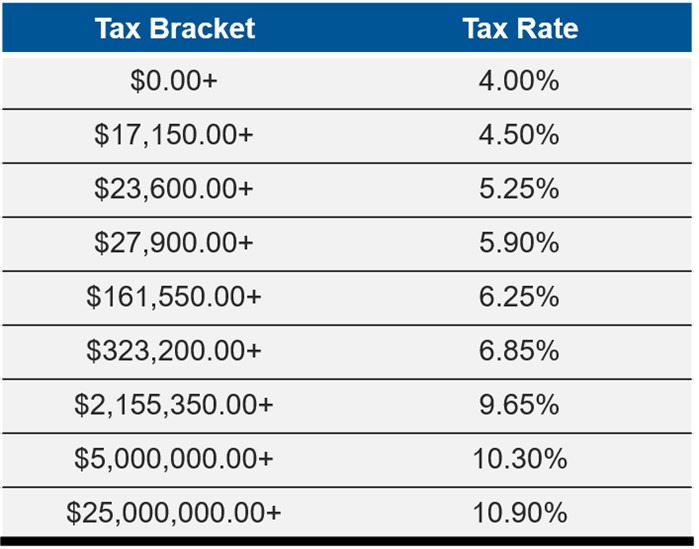
For anyone considering New York City as their next destination – whether for a quick getaway, an extended stay, or a business trip – having a clear grasp of the various taxes levied is essential. This guide aims to demystify New York City’s tax rates, focusing on those most relevant to tourists and travelers. We’ll delve into sales tax, hotel occupancy tax, and other incidental fees that contribute to the final cost of your New York City adventure. By understanding these financial considerations, you can plan your budget more effectively, make informed choices about your spending, and ultimately enjoy a smoother, more predictable travel experience in one of the world’s most exciting cities. Prepare to unlock the secrets of New York City’s tax landscape, ensuring your focus remains on creating unforgettable memories rather than unexpected expenses.
Understanding New York City’s Sales Tax for Travelers
The sales tax is arguably the most common tax you’ll encounter during your visit to New York City. It applies to a vast range of goods and services, influencing everything from your daily purchases to major shopping sprees. Knowing how it works and what it applies to can help you manage your budget effectively and avoid surprises at the cash register.
General Sales Tax Application
In New York City, the general sales tax rate is a combination of state and local taxes, amounting to 8.875%. This rate is composed of the New York State sales tax (4%), the New York City local sales tax (4.5%), and an additional Metropolitan Commuter Transportation District (MCTD) surcharge (0.375%). This 8.875% applies to most retail sales of tangible personal property and many services.
When you’re shopping along Fifth Avenue or picking up souvenirs near Times Square, this tax will be added to the sticker price. It’s also applied to restaurant meals, whether you’re dining at a Michelin-starred restaurant in Greenwich Village or grabbing a quick slice of pizza. Beverages, snacks, and groceries (unless specifically exempt, like unprepared food items) are also subject to this rate. Understanding this combined rate is crucial for budgeting your daily expenses, particularly if you plan to indulge in New York City’s renowned shopping and dining scenes.
One notable exemption to the sales tax rule applies to clothing and footwear. Individual items of clothing and footwear costing less than $110 are exempt from New York State and New York City sales taxes. This means if you buy a shirt for $100, you won’t pay sales tax on it. However, if that same shirt costs $110 or more, the full 8.875% sales tax will apply. This exemption can be a significant saving for travelers who plan to refresh their wardrobe or pick up fashion-forward pieces from SoHo’s boutiques or department stores on Madison Avenue. It’s a key detail for budget-conscious fashionistas and families alike, offering a potential perk for those who shop smart.
Sales Tax at Attractions and Experiences
Beyond retail and dining, the sales tax also extends to many of the memorable experiences that make New York City a world-class destination. When you purchase tickets for a Broadway show, a boat tour around the Statue of Liberty, or admission to world-renowned museums like the Metropolitan Museum of Art or the Museum of Modern Art, you can expect the 8.875% sales tax to be added to the base price.
Similarly, souvenirs purchased at landmark gift shops, guided tours of sites like the Empire State Building or Rockefeller Center, and even some local activities or workshops will typically include sales tax. While the individual impact of sales tax on a single ticket might seem minor, when accumulated across multiple attractions, events, and shopping excursions, it can add a substantial amount to your overall expenditure. Therefore, when planning your itinerary and allocating funds for entertainment, always factor in this additional percentage to ensure your travel budget accurately reflects the total cost of your desired experiences. This foresight allows you to fully immerse yourself in the city’s vibrant culture without encountering unexpected financial hurdles.
Navigating Hotel and Accommodation Taxes in New York City
For most visitors, accommodation is one of the largest expenses of a New York City trip. The city’s hotel and accommodation taxes are notoriously complex and can significantly inflate the nightly rate, sometimes adding up to nearly 20% or more to the advertised price. Understanding these layers of taxation is critical for any traveler looking for hotels, resorts, or apartments in the city.
The Components of NYC Hotel Tax
New York City’s hotel tax is not a single, straightforward rate but a combination of several levies:
- New York State Sales Tax: The standard 4% New York State sales tax applies to hotel room charges.
- New York City Sales Tax: An additional 4.5% local sales tax is imposed on hotel rooms.
- New York City Hotel Room Occupancy Tax: On top of the sales taxes, there’s a specific 5.875% occupancy tax.
- Javits Center Fee: A flat fee of $1.50 per room per night is also added, designed to support the Jacob K. Javits Convention Center.
When you combine the percentage-based taxes, you’re looking at 14.375% of your room rate, plus the additional $1.50 flat fee per night. This means that a room advertised at $300 a night could easily cost you closer to $345 or more once all taxes and fees are applied. For example, a $300 room would incur $43.12 in percentage taxes ($300 * 0.14375) plus $1.50, bringing the total to $344.62. Over a multi-night stay, these additional charges accumulate rapidly, making it imperative to factor them into your initial accommodation budget. Whether you’re staying at the luxurious The Plaza Hotel or a more budget-friendly option in Long Island City, these taxes will apply.
Impact on Different Accommodation Types
The application of these taxes can vary slightly depending on the type of accommodation you choose in New York City:
- Traditional Hotels: From boutique hotels in SoHo to grand hotels in Midtown, the combined 14.375% plus $1.50/night is standard. Luxury resorts, standard hotels, and even budget inns will all include these taxes in their final price. When booking through online travel agencies (OTAs) or directly with hotels, verify whether the displayed price includes these taxes or if they will be added at checkout or upon arrival. Many booking platforms now show a “total price” that includes taxes, but it’s always wise to double-check the breakdown.
- Short-Term Rentals and Apartments: Platforms like Airbnb have seen a complex evolution of taxation and regulation in New York City. While some short-term rentals (especially those where the host is not present) faced strict legal restrictions, where permitted, the same sales and occupancy taxes generally apply. Hosts on compliant platforms are typically required to collect and remit these taxes. However, it’s crucial for travelers booking private accommodations to confirm the tax situation with their host or platform to ensure they are not liable for unexpected charges or inadvertently booking an illegal rental. In some cases, the platform might handle tax collection directly, displaying an all-inclusive price.
- Longer Stays (30+ Days): One significant exception for those planning extended visits is the rule for stays exceeding 30 consecutive days. Generally, hotel occupancy taxes (the 5.875% city occupancy tax and the $1.50 Javits Center Fee) are not applicable to stays of 30 days or more. However, the New York State and New York City sales taxes (totaling 8.5%) still apply unless the stay qualifies as a permanent residence, which has further criteria. This distinction can lead to substantial savings for long-term visitors or those seeking corporate housing or extended-stay hotels, making it a key consideration for budget-conscious travelers envisioning a month or more in the city.
Budgeting Tips for Accommodation Taxes
Given the significant impact of hotel taxes, strategic budgeting is paramount:
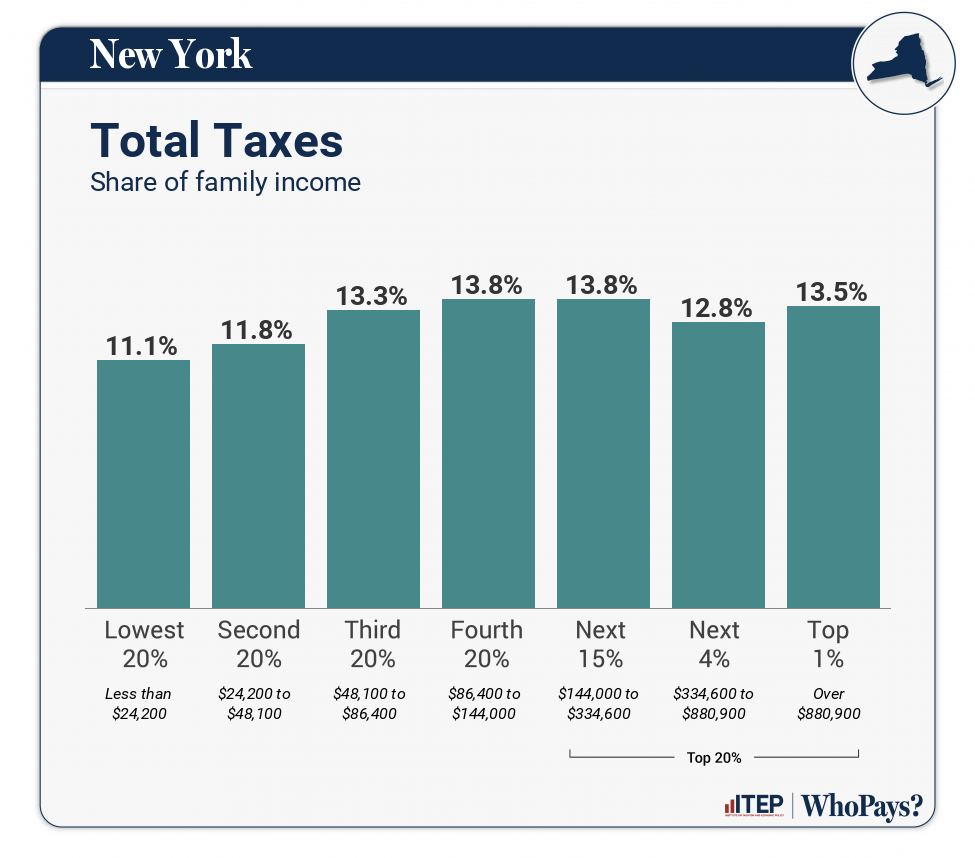
- Always Factor in Taxes: Never assume the advertised base rate is your final price. Add at least 15-20% to your quoted room rate when estimating your accommodation costs.
- Look for “All-Inclusive” Rates: Some travel packages or booking sites might offer “all-inclusive” rates that already incorporate taxes. While these may appear higher initially, they provide transparency and help you avoid sticker shock upon checkout.
- Consider Your Neighborhood: While taxes are uniform across the five boroughs, the base price of hotels varies drastically. Staying in Brooklyn, Queens, or even parts of Lower Manhattan might offer lower starting rates compared to prime Midtown or Times Square locations, thereby reducing the total tax amount paid.
- Compare Different Booking Channels: While taxes are mostly consistent, the way they are presented can differ. Compare direct bookings, major OTAs, and even package deals to find the most transparent and cost-effective option.
- Leverage Loyalty Programs: If you’re a frequent traveler, consider using loyalty points from hotel chains like Hilton or Marriott. While you still pay taxes on reward stays at some chains, the base room cost is covered, significantly reducing the overall cash outlay and thus the tax portion that applies to monetary payments.
By understanding these nuances, travelers can approach their New York City accommodation choices with greater confidence, ensuring that their budget aligns with the true cost of their stay.
Other Taxes and Fees Affecting Your New York City Trip
While sales tax and hotel occupancy tax are the most prominent financial considerations for visitors, several other taxes and fees can subtly impact your overall budget when exploring New York City. Being aware of these additional costs ensures a comprehensive and accurate financial plan for your journey.
Restaurant and Food Taxes
As mentioned, the 8.875% sales tax applies to most prepared food and restaurant meals in New York City. This includes everything from a bagel and coffee from a deli to a gourmet meal in a celebrity chef’s establishment. When planning your dining budget, remember that the price listed on the menu is not the final price you’ll pay.
Beyond the sales tax, an integral part of dining culture in the United States is tipping. While not a tax, it’s an expected social custom that significantly adds to the cost of a meal. A tip of 15-20% is standard for good service in restaurants, bars, and for food delivery. For exceptional service, some diners might tip more. Many visitors overlook this aspect when calculating their food expenses, leading to an underestimation of their total dining budget. Therefore, when estimating the cost of a meal, it’s wise to mentally add a combined 25-30% to the menu price to account for both sales tax and gratuity. This applies whether you’re enjoying street food near Chelsea Market, a casual brunch in Harlem, or a fine dining experience overlooking the Hudson River.
Transportation Taxes and Fees
Getting around New York City can also incur various taxes and fees, particularly if you rely on private transportation.
- Taxis and Ride-Shares: Fares for yellow cabs and ride-sharing services like Uber and Lyft often include various surcharges and tolls, especially when traveling to or from the airports or through tunnels and bridges. For instance, there’s a New York State congestion surcharge for rides originating, terminating, or passing through Manhattan south of 96th Street. Additionally, a 50-cent MTA tax is often applied per ride. While these might seem small individually, they add up quickly over several trips.
- Public Transportation: The MTA (Metropolitan Transportation Authority) operates New York City’s subways and buses. Fares are generally fixed, and while they don’t have separate “taxes” added at the point of purchase, the fare itself incorporates the costs of operation and infrastructure. Using an MTA MetroCard is often the most cost-effective way to travel, with options for single rides or unlimited weekly/monthly passes, which can help manage transportation expenses predictably.
- Airport Fees: When flying into or out of JFK Airport, LaGuardia Airport, or Newark Liberty International Airport (technically in New Jersey but serving the New York City area), your airline ticket will include various taxes and fees, such as Passenger Facility Charges (PFCs) and federal excise taxes. While these are typically bundled into the ticket price, they represent a component of your overall travel cost. Similarly, ground transportation to and from these airports will involve tolls and surcharges that are part of the total fare.
Understanding these additional costs allows for a more realistic assessment of your total travel expenses. By anticipating these taxes and fees, you can better allocate your budget, ensuring a stress-free experience as you navigate the bustling streets and vibrant attractions of New York City.
Strategic Planning: Minimizing Tax Impact and Maximizing Your NYC Experience
Visiting New York City is an investment in unforgettable memories, but smart planning can help you maximize that investment by minimizing unexpected tax burdens. A strategic approach to your spending and accommodation choices can free up more funds for experiences, dining, or even extending your stay.
Smart Shopping and Dining Strategies
Leveraging tax exemptions and making conscious dining decisions can lead to noticeable savings:
- Utilizing Clothing/Footwear Exemptions: As highlighted, individual clothing and footwear items under $110 are exempt from New York City’s 8.875% sales tax. If you plan a shopping spree, consider purchasing items separately or strategically to stay under this threshold where possible. This is particularly useful for families or travelers looking for specific items rather than high-end designer goods. Explore neighborhoods like SoHo or Greenwich Village for unique boutiques where this exemption might be more frequently applicable.
- Exploring Diverse Dining Options: While restaurant meals are subject to sales tax and expected tipping, New York City offers a plethora of dining experiences. Opt for food trucks, street vendors, or grab-and-go delis for some meals. These options can often be more budget-friendly, and while sales tax still applies to prepared food, the lower base cost and the ability to skip a sit-down tip can significantly reduce your overall food expenses. Consider preparing some meals in accommodations with kitchenettes, especially for longer stays, where you can buy groceries that are largely exempt from sales tax (unprepared food items).
- Happy Hour Deals and Prix Fixe Menus: Many New York City restaurants and bars offer happy hour specials or prix fixe menus (especially during Restaurant Week). These can offer substantial value, as you’re getting a curated meal at a set price, allowing you to better predict your total cost, even after tax and tip.
Accommodation Choices and Their Tax Implications
Your choice of where to stay profoundly impacts the amount of tax you’ll pay:
- Comparing Hotels, Boutique Hotels, and Budget Options: While the percentage-based taxes remain consistent, a lower base rate naturally results in a lower tax dollar amount. Exploring hotels slightly outside prime Manhattan tourist zones, such as those in Long Island City (Queens) or Downtown Brooklyn, can provide significant savings on the base rate, and consequently, on the taxes. These areas often offer excellent subway access to Manhattan at a fraction of the cost.
- Considering Longer Stays for Tax Advantages: For visitors planning an extended trip, remember the exemption for hotel occupancy taxes on stays of 30 consecutive days or more. If your travel plans allow, booking a month-long stay can eliminate the 5.875% occupancy tax and the $1.50 Javits Center Fee per night. This can lead to substantial savings, making longer visits more financially feasible and allowing for deeper immersion into the New York City lifestyle.
- Booking Directly vs. OTAs: Sometimes booking directly through a hotel’s website might offer loyalty program benefits, special packages, or clear tax breakdowns that are not always immediately obvious on third-party sites. Conversely, OTAs can sometimes offer bundled deals or promotions that effectively reduce the overall cost, even with taxes factored in. Always compare several sources before committing to ensure you’re getting the best value.

Comprehensive Budgeting for a Memorable Trip
The key to a stress-free New York City experience lies in thorough budgeting. Don’t underestimate the impact of taxes and tips. A good rule of thumb is to add at least 20-25% to your estimated daily expenses (excluding major purchases like flights and multi-night hotel stays where taxes are calculated separately) to cover these additional costs.
Utilize travel planning apps or spreadsheets to meticulously track potential expenses, breaking down categories like accommodation, food, attractions (One World Observatory, Top of the Rock), shopping, and transportation. By pre-calculating the likely tax implications for each category, you gain a clearer picture of your actual spending capacity. This proactive approach ensures that your focus during your visit remains on enjoying the city’s unparalleled attractions, from the vibrant energy of Times Square to the cultural richness of the American Museum of Natural History or a stroll along the High Line.
Ultimately, while New York City taxes are an unavoidable part of the travel experience, they don’t have to be a deterrent. With a clear understanding of the rates, smart planning, and strategic choices, you can effectively manage your budget and ensure your trip to this extraordinary metropolis is everything you’ve dreamed of and more. Enjoy every moment of your New York City adventure!
LifeOutOfTheBox is a participant in the Amazon Services LLC Associates Program, an affiliate advertising program designed to provide a means for sites to earn advertising fees by advertising and linking to Amazon.com. Amazon, the Amazon logo, AmazonSupply, and the AmazonSupply logo are trademarks of Amazon.com, Inc. or its affiliates. As an Amazon Associate we earn affiliate commissions from qualifying purchases.