
New York, a state synonymous with iconic landmarks, unparalleled cultural experiences, and a vibrant lifestyle, beckons millions of visitors annually. From the bustling streets of New York City to the serene landscapes of the Adirondacks or the historic charm of the Hudson Valley, it offers a diverse tapestry of travel destinations and unforgettable experiences. However, beyond the captivating allure of its attractions, a practical consideration for any traveler or potential resident is understanding the local tax landscape. Navigating the various tax rates in New York is essential for effective budgeting, whether you’re planning a weekend getaway, a luxury vacation, an extended stay, or even considering a move.
This comprehensive guide will delve into the tax rates that visitors and residents alike are likely to encounter across New York State, with a particular focus on the implications for travel, accommodation, tourism, and lifestyle choices. We’ll explore sales tax, hotel occupancy tax, and touch upon other relevant taxes that shape the financial experience of being in this dynamic state. Understanding these rates is not merely about numbers; it’s about empowering you to make informed decisions, optimize your travel budget, and fully immerse yourself in all that New York has to offer without unwelcome surprises.
Understanding New York’s Sales Tax: A Traveler’s Essential Guide
Sales tax is one of the most common taxes travelers and residents encounter daily. It applies to most goods and services purchased, directly impacting your spending on everything from souvenirs and dining to clothing and entertainment tickets. In New York, the sales tax structure comprises a statewide rate combined with local county and city taxes, leading to variations depending on your exact location within the state.
The Basics of Sales Tax in New York State
New York State imposes a baseline sales tax rate. On top of this, individual counties and cities have the authority to levy their own local sales taxes. This means that while the state component remains constant, the total sales tax percentage you pay can differ significantly from one region to another. For instance, a purchase made in Buffalo might have a different combined sales tax rate than one made in Albany or Syracuse.
As of our current understanding, the New York State sales tax rate stands at 4%. However, once you factor in local additions, this number can climb considerably. It’s crucial for travelers exploring different parts of the state, from the wineries of the Finger Lakes to the historical sites near Niagara Falls, to be aware of these regional differences. While the impact on smaller purchases might seem negligible, it can add up quickly over the course of a trip, especially when planning for larger expenditures like electronics or higher-end clothing.
How Sales Tax Impacts Your Travel Budget in New York City
New York City, a global epicenter of culture, fashion, and commerce, features a combined sales tax rate that is among the highest in the state. In addition to the 4% New York State sales tax, New York City imposes its own sales tax, often resulting in a total sales tax rate that hovers around 8.875% (this typically includes the 4% state tax, 4.5% New York City tax, and a 0.375% Metropolitan Commuter Transportation District surcharge). This rate applies to a vast array of goods and services that tourists and residents consume.
- Dining Out: From a quick slice of New York pizza in Greenwich Village to a gourmet meal in a Manhattan Michelin-starred restaurant, nearly all prepared food and beverages consumed in establishments are subject to this combined sales tax. For food lovers planning to explore the city’s diverse culinary scene, factoring in this additional cost is paramount. A $100 dinner bill, for example, will become approximately $108.88 before tip.
- Shopping: Whether you’re browsing the luxury boutiques on Fifth Avenue, searching for unique finds in SoHo, or picking up souvenirs near Times Square, most retail purchases are subject to the sales tax. A notable exemption in New York State, and thus New York City, is for individual articles of clothing and footwear costing less than $110. This can be a pleasant surprise for shoppers, allowing them to save on many everyday apparel items. However, if an item exceeds $110, the full sales tax applies to the entire purchase price.
- Entertainment and Attractions: Tickets to Broadway shows, museums, concerts, and other entertainment venues are generally subject to sales tax. This means that when you’re planning your itinerary to see a show or visit the Metropolitan Museum of Art, the listed ticket price will likely increase by the sales tax percentage.
For travelers, budgeting for sales tax is crucial to avoid overspending. It’s advisable to factor in this percentage when estimating costs for meals, shopping sprees, and activities, especially in New York City where the combined rate is significant.
Navigating Accommodation Taxes: What You Pay for Your Stay
Accommodation is often one of the largest expenses for travelers, and in New York, specific occupancy taxes add to the nightly rate. These taxes are a vital part of the state and city revenue, funding various public services and tourism initiatives. Understanding these rates is essential for anyone booking a hotel, resort, or short-term rental.
Deconstructing Hotel Occupancy Taxes in New York
Like sales tax, hotel occupancy tax in New York is a combination of state and local levies. The state imposes a modest hotel occupancy tax, but it is the local taxes, particularly in popular tourist destinations like New York City, that significantly elevate the total cost of your stay.
In New York City, the combined hotel tax rate can be substantial. It typically includes a 5.875% New York City Hotel Room Occupancy Tax, a $1.50 per room per night Occupancy Tax, and the aforementioned 8.875% New York City sales tax applied to the room rate. When you combine these, a visitor staying in a Manhattan hotel could see their nightly room rate increase by over 14% to 15%, plus the fixed dollar amount per night. For example, a $200 per night hotel room could easily become over $230 once all taxes and surcharges are applied, not including resort fees or other incidental charges that some hotels may add.
These taxes apply to all types of traditional accommodations, from budget-friendly hotels in Queens to luxury suites near Central Park. This is particularly important for those planning extended stays or looking into high-end resorts, where these percentages can translate into hundreds or even thousands of dollars over the course of a trip. Savvy travelers often factor this into their initial accommodation search, sometimes opting for slightly lower base rates to account for the unavoidable tax additions.
Beyond Hotels: Taxes on Alternative Accommodations

The rise of alternative accommodation options, such as apartments and rooms rented through platforms like Airbnb or other vacation rental services, has changed the landscape of travel and accommodation. While these might initially seem like a way to circumvent traditional hotel taxes, many jurisdictions, including New York City, have adapted their tax laws to include these types of rentals.
In New York City, short-term rentals (typically less than 30 days) are generally subject to the same hotel occupancy taxes as traditional hotels, especially if they are commercially operated. This means that if you’re booking an apartment in Brooklyn for a week-long visit, you will likely encounter these taxes factored into your total booking cost. However, specific regulations and tax applications for short-term rentals can be complex and are often subject to ongoing changes. For instance, some platforms might collect and remit these taxes on behalf of the hosts, while others might leave it to the host or guest to manage.
Travelers opting for these types of stays should always carefully review the total price before booking, ensuring they understand all included fees and taxes. Sometimes, what appears to be a cheaper per-night rate might become comparable to a hotel once all applicable taxes and service fees are added. This awareness allows for better comparison shopping and helps travelers choose the most cost-effective and suitable accommodation for their trip, whether it’s a boutique hotel in Lower Manhattan or a charming guesthouse upstate.
Broader Tax Considerations for Living and Lifestyle in New York
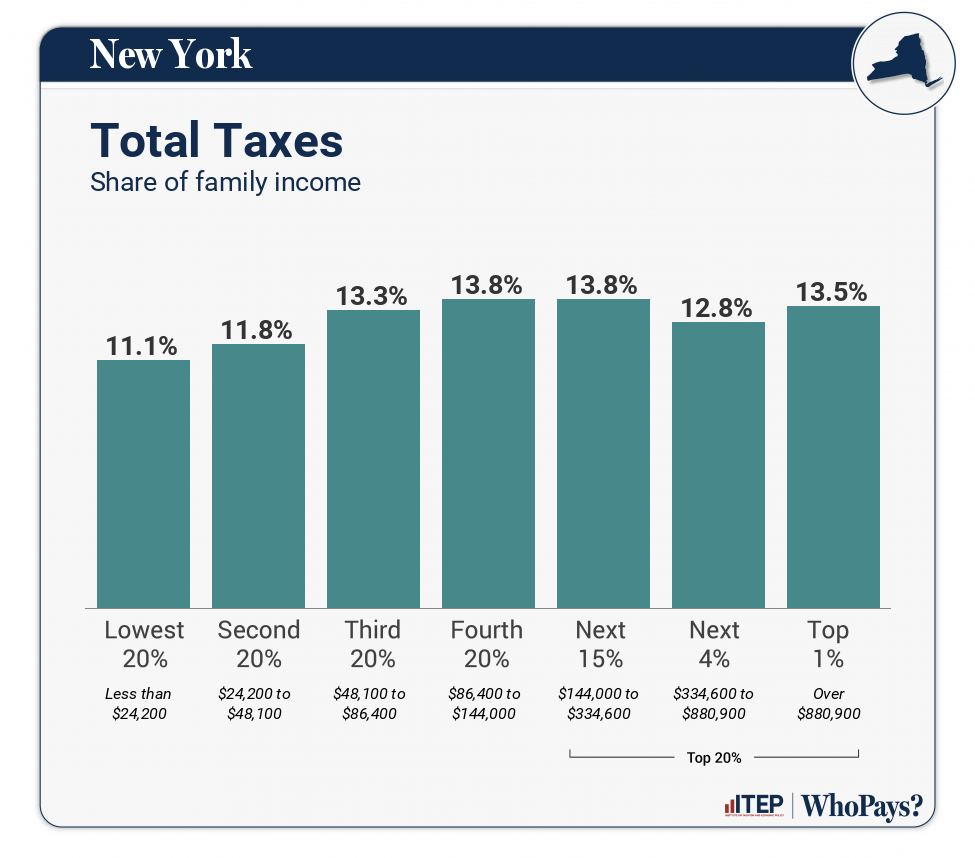
While sales and hotel taxes are most relevant for short-term visitors, understanding the broader tax environment is crucial for anyone considering an extended stay, business relocation, or making New York their home. The lifestyle in New York, particularly in its metropolitan areas, is significantly shaped by its comprehensive tax structure.
Income Tax Landscape: State and City Perspectives
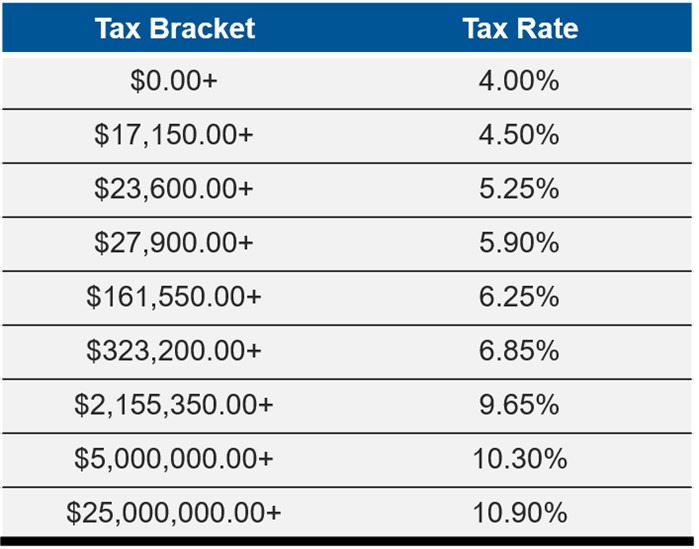
For those who live and work in New York, income taxes represent a significant portion of their financial obligations. New York State levies its own progressive income tax, meaning the tax rate increases with higher income brackets. These rates can vary annually, but generally range from low single digits for lower incomes to rates well over 10% for the highest earners. This structure aims to distribute the tax burden more equitably, though it means higher earners contribute a larger share of their income to state coffers.
Adding another layer of complexity, New York City also imposes a separate income tax on its residents. This city income tax is also progressive, with rates ranging from approximately 3% to nearly 4% for top earners. Therefore, residents of New York City face both state and city income taxes, which combined can make the overall income tax burden among the highest in the nation. For individuals considering moving to New York City for work or an extended lifestyle change, understanding this dual income tax structure is critical for financial planning and assessing their take-home pay. Other cities and localities within New York State may also have their own local income taxes or wage taxes, though New York City’s is the most prominent.
Property Taxes and Other General Consumption Taxes
Property taxes are another major component of the tax landscape in New York, significantly impacting homeowners and, indirectly, renters through higher rental costs. Property taxes are levied by local governments—counties, cities, towns, and school districts—and are based on the assessed value of real estate. Rates vary dramatically across the state, with some regions, particularly those with excellent school districts or high demand, having some of the highest property tax rates in the country. This contributes to the overall cost of living, which is particularly elevated in areas like Long Island, Westchester County, and within New York City’s boroughs like Brooklyn and Manhattan.
Beyond these major taxes, visitors and residents might encounter other, less prominent taxes or fees. For example, some specialized services might have specific taxes, and certain events or venues might include local surcharges. While not as universally applicable as sales or income taxes, these can add to the overall cost of living and enjoyment in New York. For instance, specific transportation hubs or luxury services might have their own fees. Understanding that the stated price is often not the final price is a useful budgeting mindset to adopt when exploring the New York lifestyle.
Practical Tips for Budgeting and Enjoying New York
Exploring New York, whether for a brief holiday or a prolonged stay, is an incredible experience. By understanding the tax rates, you can better manage your finances and ensure a smoother, more enjoyable trip or transition. Here are some practical tips to help you budget wisely and make the most of your time in the Empire State.
Smart Spending Strategies for Your New York Trip
Armed with knowledge about New York’s sales and accommodation taxes, you can employ several strategies to optimize your budget:
- Take Advantage of Tax-Free Shopping: Remember the clothing and footwear exemption for items under $110 in New York State. If you’re planning a shopping spree, consider purchasing individual items separately if they are near the $110 threshold to maximize your savings. This is particularly beneficial for fashion enthusiasts exploring the boutiques of SoHo or the department stores in Midtown Manhattan.
- Budget for Dining Taxes and Tips: When planning your dining expenses, always factor in the approximately 8.875% sales tax in New York City and then an additional 18-20% for tips. A great meal at a restaurant on Stone Street or in Little Italy can quickly become more expensive than anticipated if these aren’t considered. Exploring diverse food options like street food vendors or local delis can offer delicious experiences at a lower overall cost.
- Compare Accommodation Rates Inclusively: When booking hotels or alternative accommodations, always look at the total price including all taxes and fees. Websites often display a base rate initially, but the final cost after adding state and local hotel occupancy taxes, city surcharges, and any resort fees can be significantly higher. Use comparison tools that show the “total price” to get an accurate picture and avoid surprises when checking out of your stay near Times Square or a charming boutique hotel in Brooklyn.
- Utilize Public Transportation: New York City’s subway and bus systems are extensive and efficient. While fares have taxes built in, they are a much more cost-effective way to get around than taxis or ride-shares, especially for longer distances or during peak traffic. Investing in a MetroCard for unlimited rides over a certain period can save you money and give you an authentic New Yorker experience.
Maximizing Your New York Experience While Mindful of Costs
Beyond tax-savvy spending, there are numerous ways to enjoy New York without breaking the bank, enhancing your travel and lifestyle experience:
- Explore Free Attractions: New York City boasts an incredible array of free attractions. Stroll through Central Park, walk across the Brooklyn Bridge, ride the Staten Island Ferry for iconic views of the Statue of Liberty and Manhattan skyline, or visit museums that offer free admission hours or suggested donation policies. These experiences offer immense cultural and scenic value without incurring additional tax costs.
- Seek Out Local Deals and Happy Hours: Many restaurants and bars, especially in neighborhoods beyond the main tourist hubs, offer happy hour specials or lunch deals that can significantly reduce your dining costs. Exploring local eateries in areas like Astoria or the Lower East Side can provide authentic culinary experiences at more budget-friendly prices.
- Consider CityPass or Attraction Passes: For visitors planning to see multiple major attractions like the Empire State Building, the Top of the Rock, or the 9/11 Memorial & Museum, a New York CityPass or similar attraction pass can offer significant savings compared to purchasing individual tickets, potentially offsetting some of the sales tax applied to entertainment. Always check the terms and conditions, as well as what taxes are included or added.
- Plan Ahead and Book in Advance: For popular shows, tours, or accommodation during peak season, booking well in advance can sometimes secure better rates, helping to mitigate the impact of taxes on your total spend. This is especially true for holidays or major events.
In conclusion, while New York’s tax rates may seem daunting at first glance, understanding them is a key component of successful travel planning and comfortable living in the state. From the combined sales tax affecting your shopping and dining experiences in New York City to the layered hotel occupancy taxes impacting your choice of accommodation, these financial considerations are an integral part of the New York experience. By being informed and employing smart budgeting strategies, you can confidently navigate the Empire State’s financial landscape and fully savor its unparalleled attractions, vibrant culture, and diverse lifestyle offerings.
LifeOutOfTheBox is a participant in the Amazon Services LLC Associates Program, an affiliate advertising program designed to provide a means for sites to earn advertising fees by advertising and linking to Amazon.com. Amazon, the Amazon logo, AmazonSupply, and the AmazonSupply logo are trademarks of Amazon.com, Inc. or its affiliates. As an Amazon Associate we earn affiliate commissions from qualifying purchases.