
When planning a budget for your next excursion to the Sooner State, understanding the financial landscape is as crucial as picking the right hotel or mapping out your itinerary. For travelers, digital nomads, and those considering an extended stay, navigating the nuances of sales tax is a fundamental aspect of managing your travel budget. Whether you are shopping in Oklahoma City, dining out in Tulsa, or picking up supplies for a hiking trip in Wichita Mountains Wildlife Refuge, the total cost at the register often comes as a surprise if you aren’t familiar with local tax structures.
Decoding the Sales Tax Structure in Oklahoma
To understand why your receipt looks the way it does, you must first distinguish between the state-level tax and the layers of local municipal and county taxes that accrue on top of it. Unlike states with a single flat rate, Oklahoma operates on a tiered system that can vary significantly depending on which county or city you are visiting.
The State Base Rate
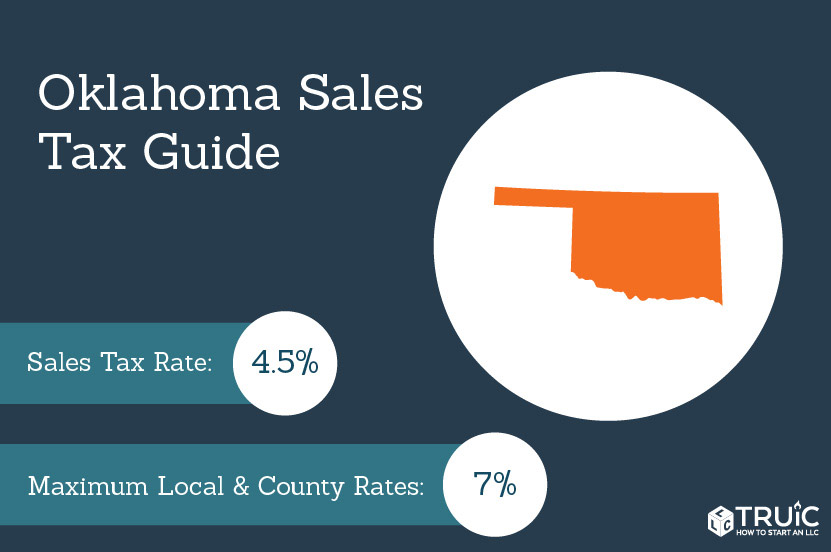
The base state sales tax rate in Oklahoma is currently 4.5%. This is the foundational percentage that applies to the sale of most tangible personal property and certain services across the entire state. From the bustling arts districts of Norman to the historic charm of Guthrie, this 4.5% is the constant variable you will encounter on every purchase.
Local Jurisdictional Add-Ons
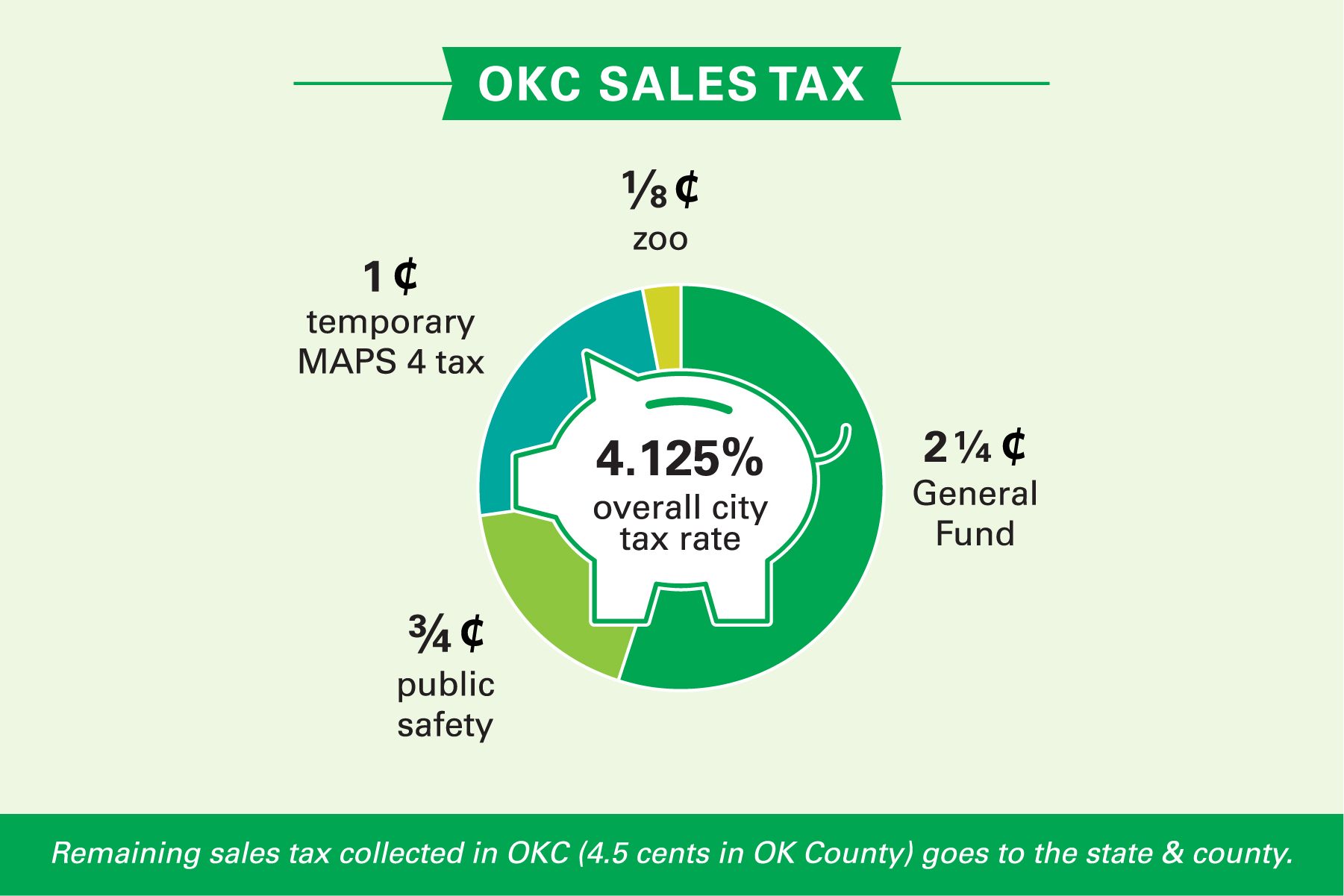
The complexity arises when you factor in the additional taxes levied by local jurisdictions. Cities, counties, and even special districts—such as those created for tourism development or public transportation—add their own percentages. These local rates can fluctuate wildly, sometimes pushing the total tax burden to 9% or even 11% in specific entertainment districts. When you are booking a stay at a luxury resort like Choctaw Casino Resort or shopping in high-end retail hubs, it is vital to remember that these added percentages contribute to the infrastructure and local amenities that make your visit enjoyable.
Impact on Lodging and Tourism Expenses
For travelers, the most significant impact of tax policy is often found in the hospitality sector. When you browse accommodation options, the nightly rate is rarely the final price you pay at checkout.
Hotel Taxes and Transient Fees
Hotels and resorts in major hubs like Broken Bow or Lawton often bundle several taxes. Beyond the standard sales tax, you may encounter:
- Occupancy Taxes: Levied specifically on short-term rentals and hotel rooms.
- Tourism Improvement District (TID) Fees: These are often used to fund local marketing and infrastructure projects that enhance the visitor experience.
- Municipal Lodging Taxes: Many cities impose an extra levy specifically on visitors to support public services such as police, fire, and street maintenance.
When planning a long-term stay, it is wise to inquire about the “total cost of occupancy” before finalizing your booking. Because these rates are established at the municipal level, staying in a hotel just outside of a city limit can sometimes result in a lower total tax burden compared to staying in the city center.
Dining and Entertainment
Dining out is a quintessential part of the Oklahoma travel experience. Whether you are enjoying a classic barbecue meal in a historic downtown or grabbing coffee near the University of Oklahoma, keep in mind that the sales tax applies to all prepared food and beverages. In some districts designated for redevelopment, you might find a “lifestyle center” or a rejuvenated historic district where an additional 1% or 2% is added to fund the revitalization of that specific area. While this can make your meal slightly more expensive, these funds directly support the aesthetic and safety improvements that attract travelers to these popular spots.
Budgeting Tips for the Informed Traveler
Navigating taxes doesn’t have to ruin your travel budget if you approach your trip with an analytical mindset. By understanding the environment, you can better allocate your funds for experiences, dining, and shopping.
Strategies for Long-Term Stays
If you are moving to the region for a month or longer, the cumulative effect of sales tax becomes much more pronounced. Consider these strategies to manage your spending:
- Choose Your Location Wisely: Check the specific tax rate of the municipality where your apartment or extended-stay hotel is located. A small difference in percentage points can equate to significant savings over a thirty-day period.
- Grocery vs. Dining: In Oklahoma, the sales tax applies to grocery items just as it does to restaurant meals. However, you can save substantially on the “service” and “luxury” taxes that are often tacked onto restaurant checks and tourist-focused dining establishments. Buying fresh local produce from markets in areas like Stillwater is both a great way to experience local culture and a method to keep your budget in check.
- Factor in “Hidden” Costs: When budgeting for a trip to attractions such as the Philbrook Museum of Art or the National Cowboy and Western Heritage Museum, remember that admission fees are often subject to the same local tax surcharges. Always check if the listed price is inclusive of tax or if you should expect a markup at the box office.
The Value of Local Contributions
It is also helpful to shift your perspective on these taxes. While it is natural to want to minimize expenses, the local and municipal taxes you pay during your travels are the primary revenue streams that maintain the state’s natural beauty and urban centers. When you pay a slightly higher tax rate in a highly developed tourist area, your contribution is indirectly supporting the preservation of sites like the Chickasaw National Recreation Area and the clean, modern streets of downtown Enid.
Conclusion: Planning for a Seamless Experience
As you prepare for your journey, treat the sales tax rate as one of the many variables in your planning process, much like weather patterns or seasonal crowd levels. While the state base rate remains steady at 4.5%, the variations caused by local jurisdictions reflect the diverse character of Oklahoma’s cities and towns. By performing a quick search on the tax rates of your specific destination city, you can build a more accurate travel budget and avoid surprises when the bill arrives.
Ultimately, the best travelers are those who are prepared for every aspect of their destination. By staying informed, you can focus less on the fine print of your receipts and more on the vibrant landscapes, rich history, and warm hospitality that define a trip to this unique part of the country. Whether you find yourself exploring the plains of Ponca City or navigating the energetic corridors of the Bricktown district, being prepared financially ensures that your trip remains as stress-free and enjoyable as possible. Enjoy your time exploring the unique offerings of Oklahoma, and rest assured that being a savvy traveler is the best way to make the most of every dollar spent on your adventure.
LifeOutOfTheBox is a participant in the Amazon Services LLC Associates Program, an affiliate advertising program designed to provide a means for sites to earn advertising fees by advertising and linking to Amazon.com. Amazon, the Amazon logo, AmazonSupply, and the AmazonSupply logo are trademarks of Amazon.com, Inc. or its affiliates. As an Amazon Associate we earn affiliate commissions from qualifying purchases.