
California, often referred to as the Golden State, beckons millions of travelers and aspiring residents each year with its stunning landscapes, vibrant cities, and unparalleled lifestyle opportunities. From the sun-drenched beaches of San Diego to the majestic redwoods of Northern California, and the bustling urban hubs of Los Angeles and San Francisco, there’s an experience for every type of adventurer. However, beyond the allure of its attractions, a practical consideration often arises for anyone planning a visit or a longer stay: the tax rate. Understanding California’s tax landscape is crucial for budgeting travel expenses, assessing the cost of accommodation, and even evaluating the feasibility of a permanent move.
While taxes might not be the most exciting part of planning your dream California trip, they are an undeniable aspect of the financial reality. Whether you’re booking a luxury suite in Beverly Hills, exploring the culinary delights of Napa Valley, or settling into a long-term rental in Silicon Valley, various taxes will impact your overall expenditure. This comprehensive guide will break down the different tax rates in California, explaining how they apply to travelers, tourists, and those considering making the Golden State their home. We’ll delve into everything from sales tax on your souvenirs to hotel occupancy taxes, income tax considerations, and other levies that shape the cost of living and visiting this iconic state. Our goal is to provide a clear, concise overview, ensuring you can plan your California experience with a full understanding of the financial picture, allowing you to focus more on the adventure and less on unexpected costs.
Understanding California’s Diverse Tax Landscape for Travelers and Residents
California’s tax structure is notoriously complex, reflecting its vast economy and diverse population. For anyone interacting with the state, whether as a short-term visitor or a long-term resident, encountering various taxes is inevitable. This complexity means that there isn’t a single, simple “tax rate” for California; instead, there’s a tapestry of different taxes, each with its own rates and applications. From state-level levies to local municipality taxes, the specifics can vary significantly depending on where you are and what you’re purchasing or earning. Understanding this foundational diversity is the first step in navigating the financial aspects of your California journey, ensuring that your travel budget or relocation plans account for all potential costs.
The Golden State’s Financial Appeal: A Dual Perspective
For tourists, the tax impact is primarily felt through consumption taxes, such as sales tax and transient occupancy taxes on accommodation. These are often overlooked in initial budget planning but can accumulate quickly. For example, a shopping spree on Rodeo Drive in Beverly Hills or a gourmet meal in San Francisco will carry a sales tax. Similarly, every night spent in a hotel or short-term rental will incur an additional charge that varies by city. On the other hand, potential residents or those considering longer stays, perhaps for remote work or a seasonal move, must contend with California’s income tax, which is known for its progressive rates. This dual perspective highlights the need for tailored financial planning, whether you’re enjoying a short vacation or embarking on a new chapter in the Golden State.
Navigating Sales Tax: From Souvenirs to Dining Out
The statewide sales tax rate in California is 7.25%. However, this is just the baseline. Local jurisdictions, including cities and counties, have the authority to add their own district taxes, which can push the combined sales tax rate much higher. In some areas, particularly populous urban centers like Los Angeles and San Francisco, the combined sales tax rate can reach up to 10.25%. This means that when you’re buying souvenirs, groceries, clothing, or dining out at a restaurant, an additional percentage will be added to your bill. For instance, a family trip to Disneyland in Anaheim or a visit to Universal Studios Hollywood will involve numerous purchases subject to these local sales tax rates. Factor this into your daily spending budget, as it applies to almost all tangible goods purchased and many services, impacting your overall travel and tourism expenses.
Accommodation and Tourism: Decoding Hotel and Lodging Taxes
One of the most significant tax considerations for any visitor to California revolves around accommodation. Whether you prefer the luxury of a resort, the convenience of a downtown hotel, or the home-away-from-home feel of a short-term rental, you will encounter specific lodging taxes. These taxes are typically not included in the advertised room rate and are added at the time of booking or check-out. They vary widely by location, making it essential to research the specific rates for your chosen destination. Understanding these levies can prevent unwelcome surprises on your bill and help you accurately budget for your stay, whether you’re planning a romantic getaway to Carmel-by-the-Sea or a business trip to San Jose.
Transient Occupancy Tax (TOT): Your Hotel Bill’s Hidden Factor
The Transient Occupancy Tax (TOT), often referred to as a “hotel tax” or “lodging tax,” is levied by cities and counties on the rental of rooms, suites, or other lodging facilities for periods typically less than 30 days. This is a vital revenue source for local governments, funding public services and infrastructure that benefit both residents and tourists alike. The TOT rate in California varies significantly, with some cities having rates as low as 8% and others, especially popular tourist destinations, reaching up to 15-17% or even higher. For example, staying at a hotel near the Santa Monica Pier, exploring Hollywood, or enjoying the landmarks of San Francisco will incur a substantial TOT on your bill. Always check the specific TOT rate for your destination city, as it can add a significant percentage to the cost of your hotel or resort stay. This is particularly important for longer vacations or when booking higher-end accommodation, as the cumulative effect can be considerable.
Short-Term Rentals and Vacation Homes: A Different Tax Angle
The rise of short-term rental platforms has introduced a new dynamic to accommodation taxes. While many perceive booking a vacation home or apartment through these platforms as a way to avoid hotel taxes, this is often not the case. Most cities and counties in California have extended their Transient Occupancy Tax regulations to include short-term rentals. This means that if you’re renting a villa in Palm Springs, a cozy bungalow in Santa Barbara, or an apartment in Oakland, you’ll likely still be charged the local TOT. Furthermore, some platforms may also collect California sales tax on certain service fees, adding another layer of cost. It’s crucial to review the total breakdown of charges before confirming your booking, as platform service fees, cleaning fees, and local taxes can significantly increase the final price of your short-term rental. This applies whether you’re planning a family trip or a long-term stay that fits the short-term rental criteria.
Income Tax and Lifestyle: Considerations for Longer Stays and Relocation
While sales and accommodation taxes are primary concerns for short-term visitors, California’s income tax becomes a much larger factor for individuals considering longer stays, seasonal residency, remote work arrangements, or permanent relocation. California has a reputation for having one of the highest state income tax rates in the United States, a factor that significantly influences the lifestyle and financial planning for anyone earning income within the state or considered a resident. Understanding this progressive system is paramount for making informed decisions about working or living in the Golden State, particularly for digital nomads, professionals on extended assignments, or retirees eyeing the sunny climate.
California’s Progressive Income Tax System: What You Need to Know
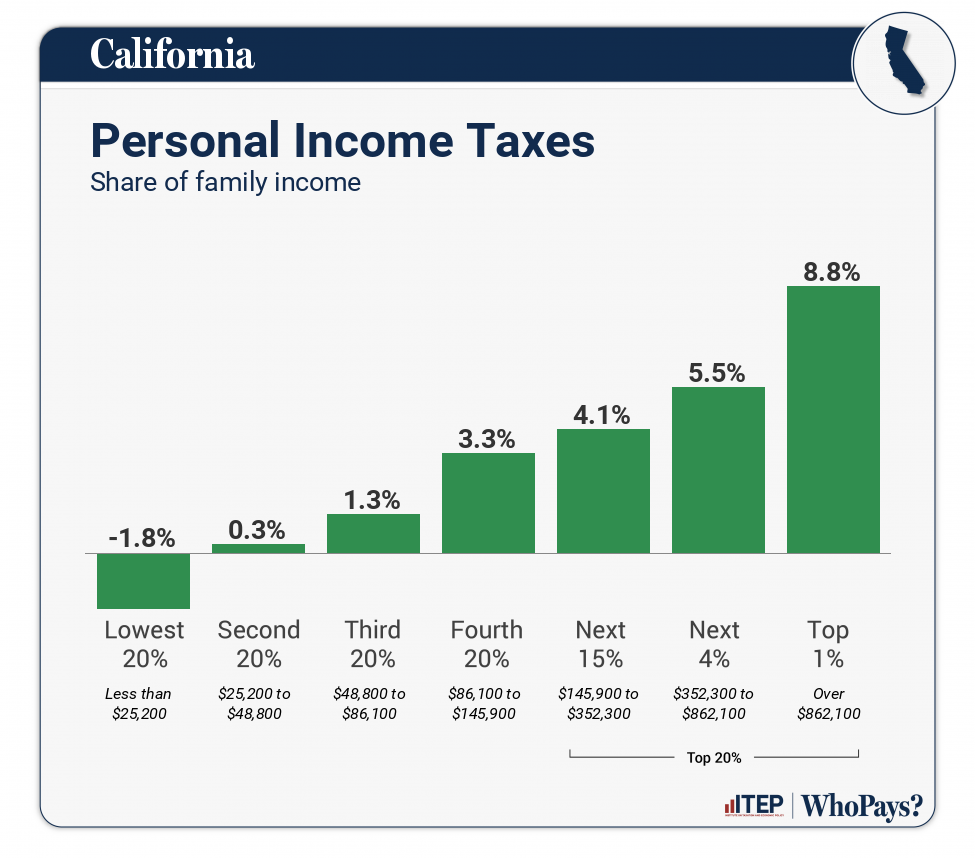
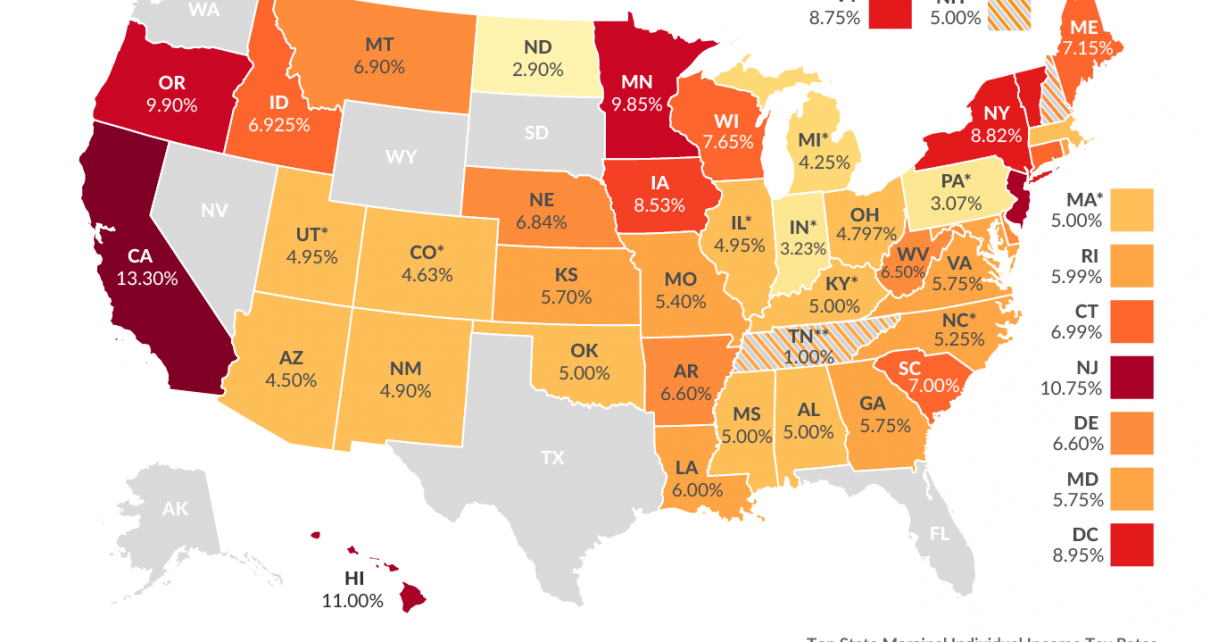
California’s state income tax system is highly progressive, meaning that higher earners pay a larger percentage of their income in taxes. The marginal tax rates currently range from 1% for the lowest income brackets to 12.3% for high earners. There’s also an additional 1% “Mental Health Services Tax” on taxable incomes over $1,000,000, bringing the top marginal rate to 13.3%. These rates apply to all forms of taxable income, including wages, salaries, business profits, and certain investment gains. For those contemplating a move or an extended work period in California, this can significantly impact disposable income. It’s important to remember that these are state income tax rates, and they are in addition to federal income taxes. The combination means that a substantial portion of earnings can go towards taxes, influencing everything from housing budgets to luxury travel possibilities.
Beyond the Vacation: Income Implications for Remote Workers and Residents
The line between “visitor” and “resident” for income tax purposes can sometimes be blurry, especially in the age of remote work. If you spend a significant amount of time in California (generally more than 6 months), or if your domicile is established in the state, you could be considered a California resident and subject to its income tax on all your income, regardless of where it was earned. This is a critical point for individuals on extended business stays or those pursuing a digital nomad lifestyle from a California base. Even for shorter stints, if you perform work within California and earn income, a portion of that income may be taxable by the state. Tax residency rules are complex and can have substantial financial implications, making it advisable to consult with a tax professional if you plan to spend extended periods working or living in the Golden State.
Other Key Taxes Impacting Your California Experience
Beyond sales, accommodation, and income taxes, several other levies can influence the cost of living and travel in California. While some might seem minor in isolation, their cumulative effect can be noticeable, especially for those embarking on extensive road trips, considering vehicle rentals, or contemplating longer-term financial commitments in the state. Understanding these additional taxes ensures a more complete picture of the financial landscape, helping you prepare for all aspects of your California adventure, from exploring natural landmarks like Yosemite National Park to navigating urban areas.
Fueling Your Adventures: Gas Tax on California’s Roads
California has some of the highest gasoline prices in the United States, a significant portion of which is due to state and federal taxes. As of recent updates, the state excise tax on gasoline is one of the highest in the nation, currently over 50 cents per gallon. This, combined with sales tax applied to fuel and other fees, means that the total tax burden on gasoline is substantial. For travelers planning scenic drives along Highway 1 through Big Sur, road trips to Lake Tahoe, or explorations of national parks like Death Valley National Park, the cost of fuel can be a significant budget item. Renting a car also often involves additional taxes and fees, further adding to the transportation costs. Factoring in higher gas prices and rental car taxes is essential for anyone planning to explore the vast expanse of California by road, ensuring your travel budget holds up for your adventures.
Property Tax and Local Fees: Relevant for Long-Term Planning
While property taxes aren’t a direct concern for short-term tourists staying in hotels, they are highly relevant for those considering purchasing real estate, investing in vacation homes, or planning long-term stays in California. Under Proposition 13, property taxes in California are generally capped at 1% of the assessed value at the time of purchase, plus voter-approved local bonds and assessments. This base value can only increase by a maximum of 2% per year, regardless of market value increases, until the property is sold. When a property changes ownership, it is reassessed at its new market value. In addition to property taxes, various local fees, such as parcel taxes, utility taxes, and specific district assessments, can also apply depending on the city or county. These contribute to the overall cost of homeownership and are an important consideration for anyone contemplating a significant financial commitment in the Golden State, impacting their long-term lifestyle and financial planning.
Making Your California Experience Tax-Savvy
Navigating California’s tax rates, while seemingly daunting, doesn’t have to detract from your experience. With a little foresight and strategic planning, you can budget effectively and ensure that your travel, accommodation, and lifestyle choices align with your financial expectations. The key is to be informed and proactive, understanding where and how different taxes will apply to your specific plans. Whether you’re on a tight budget travel adventure or indulging in a luxury travel escape, a smart approach to taxes can enhance your overall enjoyment and prevent any financial surprises during your time in the Golden State.
Budgeting for the Golden State: Tips and Tricks
- Research Specific Local Rates: Always look up the sales tax and Transient Occupancy Tax (TOT) for the specific cities you plan to visit, such as Pasadena, Long Beach, or Monterey. These can significantly impact the final cost of your hotel or purchases.
- Factor in Fuel Costs: If you’re planning a road trip, account for California’s higher gas prices by estimating your mileage and multiplying it by a realistic per-gallon cost.
- All-Inclusive vs. Itemized: When booking accommodation, always check if taxes and fees are included in the advertised price or if they will be added later. Platforms like Hotels.com or Booking.com usually show the final price, but direct bookings might differ.
- Consider Off-Peak Travel: Sometimes, traveling during the off-season can lead to lower hotel rates, which in turn reduces the base amount on which TOT is calculated, providing a slight tax saving.
- Shop Smart: If you’re making major purchases, be aware of the sales tax difference between various counties or cities. While not always practical for tourists, it’s a consideration for residents.
- Track Expenses: Keep a record of your spending, especially during longer trips, to monitor how much you’re actually paying in taxes on various items and services. This helps refine future budget travel plans.
Seeking Professional Advice: When to Consult an Expert
For most short-term tourists, a general understanding of sales tax and accommodation taxes is sufficient. However, if your plans involve more complex financial scenarios, such as:
- Extended Stays: If you plan to live or work in California for more than a few months.
- Remote Work: If you are a digital nomad earning income while physically present in California.
- Business Operations: If you are establishing a business or conducting significant business activities in the state.
- Real Estate Investment: If you are considering purchasing property, whether it’s a primary residence, a vacation home, or a rental property.
- Relocation: If you are contemplating a permanent move to the Golden State.
In these situations, consulting with a qualified tax professional specializing in California tax law is highly recommended. They can provide personalized advice, clarify residency rules, explain the nuances of income tax obligations, and help you structure your finances in the most tax-efficient way possible. While this article offers a broad overview, individual circumstances can vary greatly, and professional guidance ensures full compliance and optimizes your financial well-being while enjoying all that California has to offer.
LifeOutOfTheBox is a participant in the Amazon Services LLC Associates Program, an affiliate advertising program designed to provide a means for sites to earn advertising fees by advertising and linking to Amazon.com. Amazon, the Amazon logo, AmazonSupply, and the AmazonSupply logo are trademarks of Amazon.com, Inc. or its affiliates. As an Amazon Associate we earn affiliate commissions from qualifying purchases.