
Understanding the temperature in Colorado Springs is crucial for anyone planning a visit, preparing for outdoor adventures, or simply curious about this vibrant mountain city. Nestled at the eastern edge of the Rocky Mountains, Colorado Springs experiences a semi-arid climate with distinct seasons, offering a unique experience throughout the year. This detailed look at its temperatures will help you pack wisely and make the most of your time in this stunning location.
Seasonal Temperature Variations in Colorado Springs
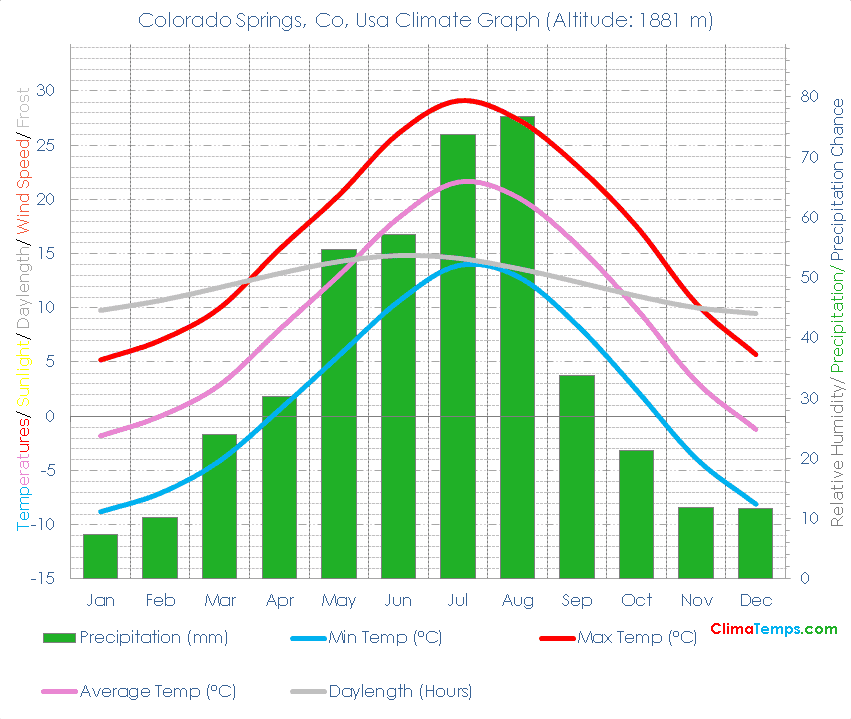
Colorado Springs boasts a dynamic climate, with each season bringing its own set of temperature ranges and weather patterns. Understanding these variations is key to appreciating the city’s allure and planning activities accordingly.
Spring (March – May)
Spring in Colorado Springs is a period of transition, marked by fluctuating temperatures as winter’s chill gradually gives way to the warmth of summer. Early spring can still see winter-like conditions, with occasional snowstorms and freezing temperatures, particularly in March. As April arrives, temperatures begin to rise, with average highs climbing into the 50s and 60s Fahrenheit (10-20 Celsius). However, it’s not uncommon to experience a sudden cold snap, so layering clothing is highly recommended.
By May, the city is typically blooming, and average high temperatures often reach the comfortable 70s Fahrenheit (around 21-26 Celsius). Nighttime temperatures, however, can still dip considerably, often falling into the 40s Fahrenheit (4-9 Celsius). This season is characterized by increasing sunshine, but also by unpredictable weather, including spring storms that can bring rain, snow, and strong winds. This variability is part of the charm of the Rocky Mountains and adds to the dramatic beauty of the landscape.
Summer (June – August)
Summer in Colorado Springs is generally warm and pleasant, though it can experience occasional heatwaves. The average high temperatures during the summer months range from the mid-70s to the mid-80s Fahrenheit (24-29 Celsius). July and August are typically the warmest months. Unlike many other regions, Colorado Springs rarely experiences extreme humidity due to its high elevation and semi-arid climate.
Afternoon thunderstorms are a common feature of Colorado Springs summers. These storms, often referred to as “monsoon season” in the region, typically roll in during the late afternoon or early evening, bringing brief but intense rainfall, lightning, and sometimes hail. While these storms can cool things down significantly, they also necessitate caution for outdoor activities. Mornings and early afternoons are usually sunny and ideal for exploring the numerous attractions. Nighttime temperatures in the summer are generally mild, hovering in the 50s and 60s Fahrenheit (10-20 Celsius), making for comfortable evenings.
Autumn (September – November)
Autumn is arguably one of the most picturesque seasons in Colorado Springs, with crisp air and stunning fall foliage. September often feels like an extension of summer, with average highs still in the 70s Fahrenheit (around 21-26 Celsius). As October progresses, temperatures begin to drop noticeably, with average highs moving into the 60s and then the 50s Fahrenheit (10-15 Celsius).
By November, the weather takes on a decidedly autumnal feel, with average highs in the 40s Fahrenheit (4-9 Celsius) and nighttime temperatures frequently dropping below freezing. This is the season when the first snows of the year can begin to fall, though significant accumulations are more common later in the season. The daytime temperatures are often quite pleasant for exploring, offering a welcome coolness after the summer heat. The vibrant colors of the aspen and other deciduous trees provide a breathtaking backdrop for hikes and scenic drives.
Winter (December – February)
Winter in Colorado Springs is characterized by cold temperatures, snow, and plenty of sunshine. While it is a winter destination, it doesn’t experience the extreme cold often associated with more northerly regions. Average high temperatures in December and January typically range from the upper 30s to low 40s Fahrenheit (3-7 Celsius), while February sees a slight increase.
However, these are average daytime highs, and temperatures can and do drop well below freezing, especially overnight. Snowfall is common, but Colorado Springs generally receives less snow than the higher mountain towns. When snow does fall, it often melts relatively quickly due to the abundant sunshine. In fact, Colorado Springs is one of the sunniest cities in the United States, with an average of over 300 days of sunshine per year. This sunshine can make even cold winter days feel quite pleasant, especially when the snow is glistening. Visitors should be prepared for icy conditions on roads and sidewalks, and pack warm clothing, including insulated outerwear, hats, gloves, and waterproof boots.
Factors Influencing Colorado Springs Temperatures
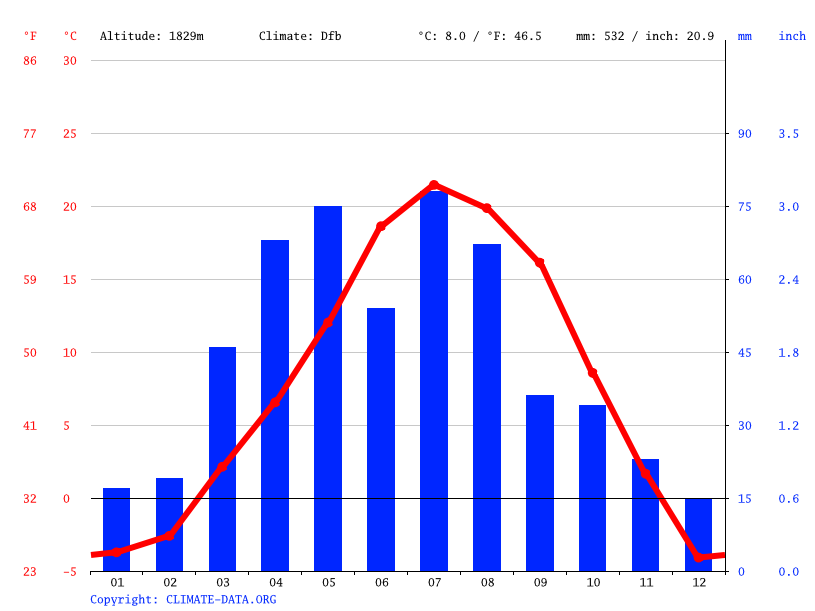
Several key geographical and meteorological factors contribute to the unique temperature profile of Colorado Springs. Understanding these elements provides deeper insight into why the city experiences its characteristic climate.
Altitude
One of the most significant factors shaping the climate of Colorado Springs is its high elevation. Situated at approximately 6,035 feet (1,839 meters) above sea level, the city experiences a thinner atmosphere compared to lower-lying areas. This elevation results in:
- Cooler Summers: Even in the height of summer, the air is less dense and holds less heat, leading to generally milder summer temperatures than might be expected at lower altitudes with similar latitudes.
- Colder Winters: The reduced atmospheric density also means less insulation from the cold, contributing to colder winter nights and days.
- Increased Sunshine: Higher altitudes generally receive more direct solar radiation, which is why Colorado Springs enjoys so many sunny days, even when it’s cold.
- Diurnal Temperature Range: The difference between daytime highs and nighttime lows tends to be more pronounced at higher elevations due to the thinner atmosphere’s reduced ability to retain heat overnight.
Proximity to the Rocky Mountains
The imposing presence of the Rocky Mountains to the west profoundly influences Colorado Springs’s weather patterns and temperatures.
- Rain Shadow Effect: The mountains create a rain shadow effect. As weather systems move eastward from the Pacific Ocean, they are forced to rise over the Rockies. This process causes moisture to be released on the western slopes, leaving the air drier as it descends on the eastern side, contributing to Colorado Springs’s semi-arid climate.
- Frontal Systems: The Rocky Mountains act as a significant barrier and generator for weather systems. Cold fronts originating from Canada often sweep southward through the mountain passes, bringing rapid temperature drops and potential for snow. Conversely, warm fronts can also be influenced by the mountain topography, affecting temperature trends.
- Wind Patterns: The mountains can channel winds, sometimes leading to strong gusts. The “Chinook” winds, warm and dry winds that can occur in winter, are a phenomenon influenced by the mountain range, capable of causing dramatic temperature spikes.
Semi-Arid Climate Characteristics
Colorado Springs is classified as having a semi-arid climate (Köppen BSk). This classification has direct implications for its temperature patterns:
- Low Humidity: The relative lack of moisture in the air means that temperatures can feel more extreme. Hot days feel hotter because there is little humidity to provide evaporative cooling, and cold days can feel colder because the dry air offers less insulation.
- Significant Temperature Swings: Semi-arid climates often experience large diurnal (daily) and seasonal temperature fluctuations. This means that the difference between the highest and lowest temperatures recorded in a 24-hour period, or across different seasons, can be quite substantial.
- Variable Precipitation: While not directly related to temperature, the variability in precipitation (often in the form of snow in winter and thunderstorms in summer) plays a role in moderating or intensifying temperatures, depending on whether cloud cover is present or recent precipitation has cooled the ground.
Planning Your Visit Based on Temperature
Knowing the typical temperatures in Colorado Springs allows for strategic planning, ensuring you are prepared for the weather and can maximize your enjoyment of the city’s numerous attractions. Whether you’re interested in the iconic Garden of the Gods, the thrilling rides at North Pole Colorado Santa’s Workshop, or exploring the natural beauty of Pikes Peak, understanding the temperature is key.
Packing Essentials
- Layering is Key: Regardless of the season, Colorado Springs weather can change rapidly. Pack a variety of layers, including t-shirts, long-sleeved shirts, sweaters or fleeces, and a waterproof and windproof outer jacket.
- Sun Protection: Due to the high altitude and abundant sunshine, sun protection is essential year-round. Bring sunscreen, a wide-brimmed hat, and sunglasses. Even on cooler days, the sun’s rays can be intense.
- Footwear: Comfortable, sturdy walking shoes are a must for exploring the city and its many outdoor wonders. If visiting in winter, waterproof and insulated boots are highly recommended.
- Cold Weather Gear (Winter/Early Spring/Late Autumn): Warm coat, thermal base layers, gloves, scarf, and a warm hat are crucial for the colder months.
- Hydration: The dry air at high altitude can lead to dehydration. Always carry a reusable water bottle and drink plenty of water.
Ideal Times for Specific Activities
- Hiking and Outdoor Exploration: Late spring (May), summer (June-August), and early autumn (September-October) offer the most ideal conditions for hiking in places like Garden of the Gods or the trails around Cheyenne Mountain Zoo. While summer can have afternoon thunderstorms, mornings and early afternoons are typically beautiful. Autumn offers stunning fall colors.
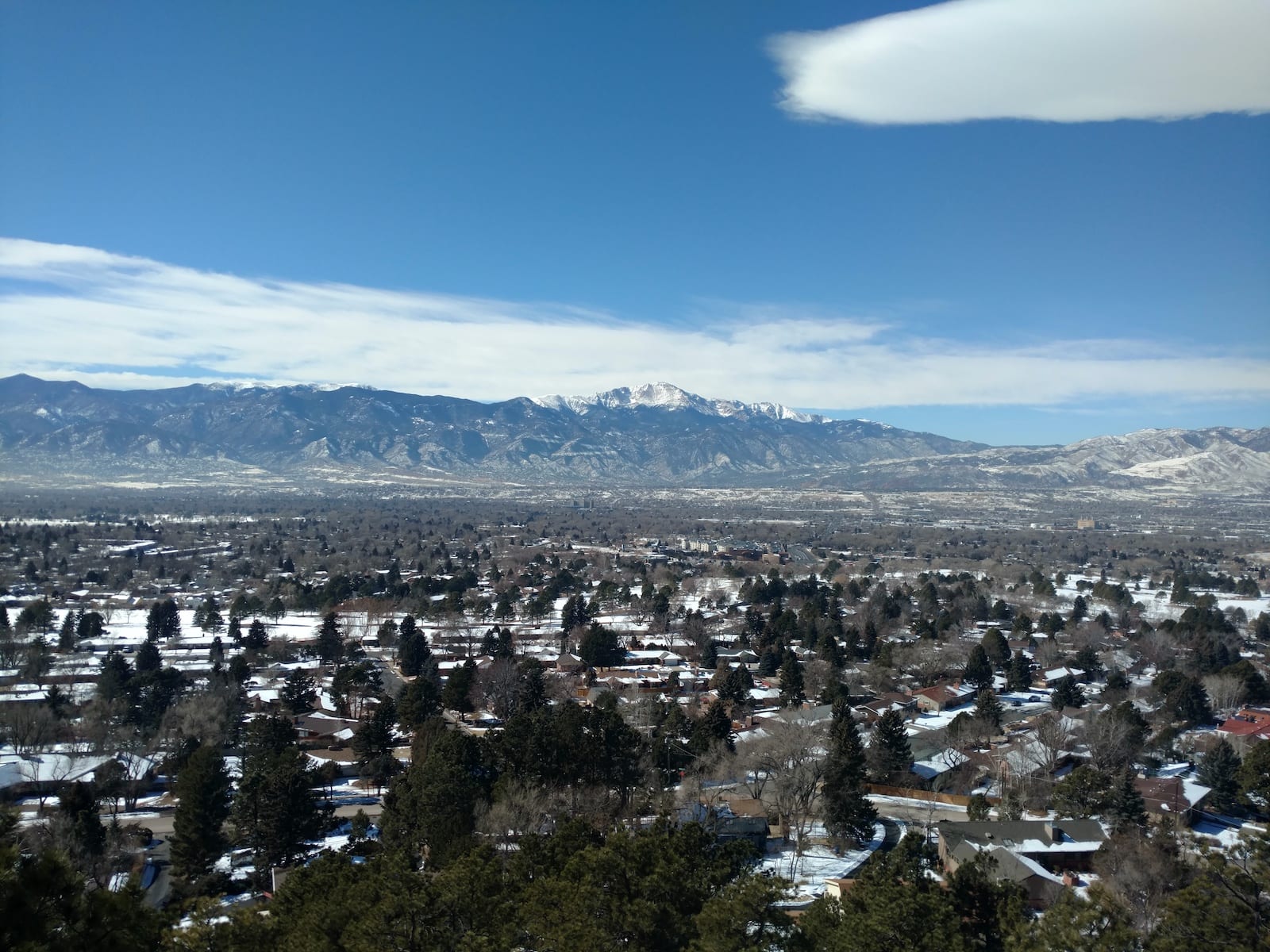
- Winter Sports and Scenery: If you are seeking a winter wonderland experience with a chance of snow, the months of November through March are your best bet. You can enjoy the snowy landscapes and potentially participate in snowshoeing or cross-country skiing in the surrounding areas. The crisp, sunny winter days can be surprisingly pleasant for sightseeing.
- Festivals and Events: Many of Colorado Springs’s popular festivals and outdoor events take place during the warmer months, from late spring through early autumn. Check local event calendars for specific dates, as the mild daytime temperatures in these seasons are conducive to outdoor gatherings.
By considering the typical temperatures and weather patterns, visitors to Colorado Springs can ensure they are well-prepared for an unforgettable experience in this captivating city.
LifeOutOfTheBox is a participant in the Amazon Services LLC Associates Program, an affiliate advertising program designed to provide a means for sites to earn advertising fees by advertising and linking to Amazon.com. Amazon, the Amazon logo, AmazonSupply, and the AmazonSupply logo are trademarks of Amazon.com, Inc. or its affiliates. As an Amazon Associate we earn affiliate commissions from qualifying purchases.