
Denver, Colorado, often referred to as the “Mile-High City” due to its elevation of 5,280 feet above sea level, experiences a climate that is as dynamic as its surrounding landscapes. Nestled at the eastern edge of the Rocky Mountains, its weather patterns are influenced by both its high-altitude position and its proximity to continental air masses. Understanding the temperature in Denver is crucial for anyone planning a visit, whether for outdoor adventures, exploring its vibrant urban attractions, or simply enjoying the crisp mountain air. This guide delves into the typical temperature ranges, seasonal variations, and factors influencing Denver’s climate, offering valuable insights for travelers.

Understanding Denver’s Unique Climate
Denver’s climate is characterized by its semi-arid nature, with significant diurnal temperature variations (differences between day and night temperatures) and generally low humidity. The city receives abundant sunshine throughout the year, even in winter months. However, this sunshine can be deceiving, as the high altitude means that solar radiation is more intense, and temperatures can fluctuate dramatically within a single day. A warm, sunny morning can give way to a chilly afternoon, especially during the transitional seasons.
Altitude’s Impact on Temperature
The most significant factor influencing Denver’s temperature is its high elevation. At 5,280 feet, the air is thinner, which means it heats up and cools down more rapidly than at sea level. This contributes to the pronounced daily temperature swings. Furthermore, the thinner air offers less insulation from the sun’s rays during the day and allows heat to dissipate more quickly at night. This phenomenon is noticeable even when comparing Denver to cities at lower elevations just a few hours’ drive away.
Influence of the Rocky Mountains
The majestic Rocky Mountains to the west play a pivotal role in shaping Denver’s weather. They act as a significant barrier, influencing storm tracks and precipitation patterns. While the mountains often receive substantial snowfall, Denver, situated in their rain shadow, tends to be drier. However, Chinook winds, warm and dry downslope winds, can occasionally sweep down from the mountains, causing sudden and dramatic temperature increases, particularly in winter and spring, melting snow rapidly. These winds are a hallmark of the region and can transform a frosty day into an unseasonably mild one in a matter of hours.
Seasonal Temperature Trends in Denver
Denver’s four distinct seasons offer a diverse range of experiences, each with its own typical temperature profiles. Packing appropriately and understanding these seasonal nuances will greatly enhance your visit.
Spring (March – May)
Spring in Denver is a season of transition, characterized by unpredictable weather. Temperatures begin to warm up significantly after the winter chill, but late-season snowstorms are not uncommon.
- March: Average highs range from the low 50s Fahrenheit (around 10-12°C), with average lows in the 20s (around -4 to -1°C). Snowfall is still possible.
- April: Temperatures continue to climb, with average highs reaching the 60s Fahrenheit (15-18°C) and lows in the 30s (around 1-4°C). The city starts to bloom, but spring snow showers can still occur.
- May: Generally brings milder weather, with average highs in the 70s Fahrenheit (21-24°C) and lows in the 40s (around 4-7°C). It’s a popular time for outdoor activities, though occasional cool days persist.
The variability of spring weather makes it essential to layer clothing. You might experience a sunny, warm day perfect for strolling through the Denver Botanic Gardens or enjoying an early patio meal, followed by a day requiring a warmer jacket and perhaps even an umbrella for a passing shower.
Summer (June – August)
Summers in Denver are typically warm to hot, with plenty of sunshine and low humidity. While heat waves can occur, the dry air and the elevation often make the heat more tolerable than in more humid climates.
- June: Average highs are in the high 70s to low 80s Fahrenheit (26-29°C), with lows in the 50s (around 10-15°C). Thunderstorms are common in the late afternoon, often bringing relief from the heat.
- July: This is usually the warmest month, with average highs in the mid-80s Fahrenheit (29-32°C) and lows in the 60s (around 15-20°C). Days can reach the 90s and occasionally 100s Fahrenheit.
- August: Similar to July, with average highs in the mid-80s Fahrenheit (29-32°C) and lows in the 60s (around 15-20°C). Thunderstorm activity remains a frequent occurrence.
Summer is prime time for exploring the numerous attractions in and around Denver. Visitors can enjoy hiking in the nearby foothills, attending outdoor concerts at venues like the Red Rocks Amphitheatre, or exploring the Denver Museum of Nature & Science. Hydration is key, especially during outdoor activities, due to the dry air and high altitude.
Autumn (September – November)
Autumn in Denver is often considered one of the most pleasant times of year, characterized by crisp air, clear blue skies, and beautiful fall foliage, especially in the surrounding mountain towns.
- September: Average highs are in the 70s Fahrenheit (21-24°C), with lows in the 40s (around 4-9°C). It’s a great month for outdoor exploration before the colder weather sets in.
- October: Temperatures begin to cool more noticeably. Average highs are in the 60s Fahrenheit (15-18°C), and lows drop into the 30s (around 1-6°C). Early snow is possible, though not guaranteed.
- November: The first taste of winter arrives. Average highs are in the 50s Fahrenheit (10-14°C), with lows in the 20s (around -4 to -1°C). Snowfall becomes more frequent.
This season is ideal for visiting attractions like the Denver Art Museum or taking a scenic drive into the mountains to witness the changing colors. The crisp air makes walking around downtown Denver a pleasant experience.
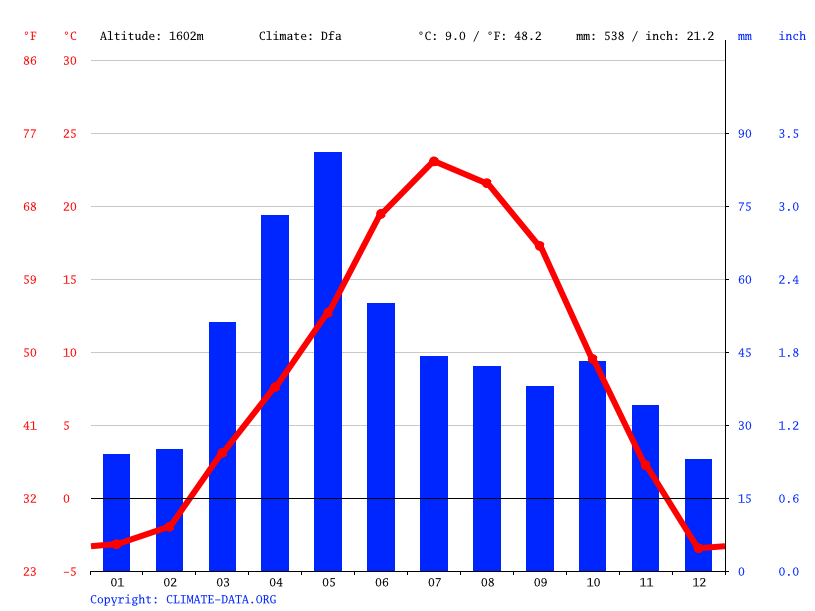
Winter (December – February)
Winters in Denver are cold and often snowy, though the city typically experiences more sunshine than many other major U.S. cities during this season. The dry air can make the cold feel more intense, but the sun often provides warmth during the day.
- December: Average highs are in the 40s Fahrenheit (4-7°C), with lows in the teens (around -10 to -7°C). Snowfall can be significant, with the city often seeing accumulations.
- January: This is typically the coldest month. Average highs are in the low 40s Fahrenheit (4-7°C), and lows are in the single digits Fahrenheit (around -15 to -12°C). Blizzards can occur.
- February: Similar to January in terms of cold, with average highs in the low 40s Fahrenheit (4-7°C) and lows in the teens (around -10 to -7°C). Snowfall continues, and warmer days are interspersed with cold snaps.
Despite the cold, winter offers unique opportunities for visitors. Ski resorts in the Colorado Rockies are in full swing, and Denver serves as a convenient gateway. Even within the city, you might enjoy ice skating at the Gaylord Rockies Resort & Convention Center or exploring the festive holiday lights around the 16th Street Mall. Layering is essential for winter visits, and waterproof gear is recommended if you plan on being out in snowy conditions.
Factors Influencing Daily Temperatures
Beyond seasonal trends, several factors can cause day-to-day temperature fluctuations in Denver:
Weather Systems and Fronts
The passage of weather systems, particularly cold fronts and warm fronts, can dramatically alter Denver’s temperature. A cold front can bring a sudden drop in temperature, increased winds, and often precipitation, while a warm front can usher in milder air. The collision of different air masses is common in the transition zones of the United States, and Denver, situated in the West, is no exception.
Cloud Cover and Precipitation
Cloud cover significantly impacts surface temperatures. On sunny days, especially during warmer months, temperatures can soar. Conversely, overcast skies and the presence of precipitation, whether rain or snow, will generally lead to cooler temperatures. The intensity and duration of cloud cover are key determinants of daily temperature highs and lows.
Wind Patterns
Wind plays a dual role. During winter, cold, dry winds from the north or northwest can bring frigid temperatures. Conversely, the aforementioned Chinook winds from the west can bring rapid warming. In summer, winds can provide a cooling breeze, making hot days more bearable, or they can exacerbate dry conditions and contribute to higher fire danger.
Planning Your Visit: Temperature Considerations
When planning a trip to Denver, understanding the typical temperatures for your intended travel dates is paramount.
Packing Essentials Based on Season
- Spring/Fall: Layers are your best friend. Include t-shirts, long-sleeved shirts, a fleece or sweater, a waterproof and windproof jacket, and comfortable walking shoes. A hat and gloves are advisable for cooler mornings and evenings.
- Summer: Light, breathable clothing is key. Pack shorts, t-shirts, a swimsuit, a hat for sun protection, sunglasses, and sunscreen. A light jacket or sweater might be useful for cooler evenings or air-conditioned indoor spaces. Comfortable walking shoes are essential.
- Winter: Warm layers are crucial. This includes thermal base layers, sweaters, a heavy, insulated, waterproof, and windproof coat, warm pants, a hat that covers your ears, gloves or mittens, and warm, waterproof boots.
Activities and Temperature
The temperature will dictate many of your potential activities. For instance, if you’re visiting in the summer and the temperature is in the 80s or 90s Fahrenheit, you might prioritize indoor attractions like the Denver Museum of Miniatures, Dolls & Toys or enjoy activities closer to water. If it’s winter and cold, exploring ski resorts or enjoying a cozy atmosphere at a downtown cafe might be more appealing. Knowing the forecast closer to your travel date will allow for more precise planning.

Altitude Acclimatization
Regardless of the temperature, remember that Denver’s high altitude can affect visitors. Drink plenty of water in the days leading up to and during your visit, limit alcohol intake initially, and avoid strenuous activity on your first day to help your body acclimatize. The temperature itself is only one aspect of experiencing Denver; its elevation is another significant factor to consider for your well-being and enjoyment.
LifeOutOfTheBox is a participant in the Amazon Services LLC Associates Program, an affiliate advertising program designed to provide a means for sites to earn advertising fees by advertising and linking to Amazon.com. Amazon, the Amazon logo, AmazonSupply, and the AmazonSupply logo are trademarks of Amazon.com, Inc. or its affiliates. As an Amazon Associate we earn affiliate commissions from qualifying purchases.