
As the sun-drenched heart of the Sunshine State, Orlando, Florida, beckons millions of visitors each year with its world-class theme parks, vibrant entertainment, and lush natural beauty. But for any traveler planning a trip, a crucial piece of information often tops the list: “What is the temperature in Orlando, Florida?” Understanding the climate is paramount to packing appropriately, planning your activities, and ensuring your Orlando adventure is as comfortable and enjoyable as possible. This comprehensive guide delves into the nuances of Orlando’s weather, offering insights to help you make the most of your visit, whether you’re seeking thrills at Walt Disney World Resort, exploring the magic of Universal Orlando Resort, or immersing yourself in the local Florida lifestyle.

Understanding Orlando’s Tropical Climate
Orlando boasts a humid subtropical climate, characterized by hot, humid summers and mild winters. This means that regardless of when you visit, you can generally expect warm temperatures. However, the intensity of the heat and humidity, along with the presence of rainfall, varies significantly throughout the year. For those accustomed to more temperate regions, Orlando’s climate can be quite a revelation, requiring a different approach to planning and preparation. The interplay of sunshine, humidity, and occasional rainfall creates a unique environment that influences everything from attraction operating hours to the types of dining experiences available.
Seasonal Weather Patterns in Orlando
To truly grasp the temperature in Orlando, Florida, it’s essential to break down the year into its distinct seasons. Each period offers a unique weather profile, impacting visitor experiences and suggesting different optimal times for travel.
Summer (June – August): The Peak of Heat and Humidity
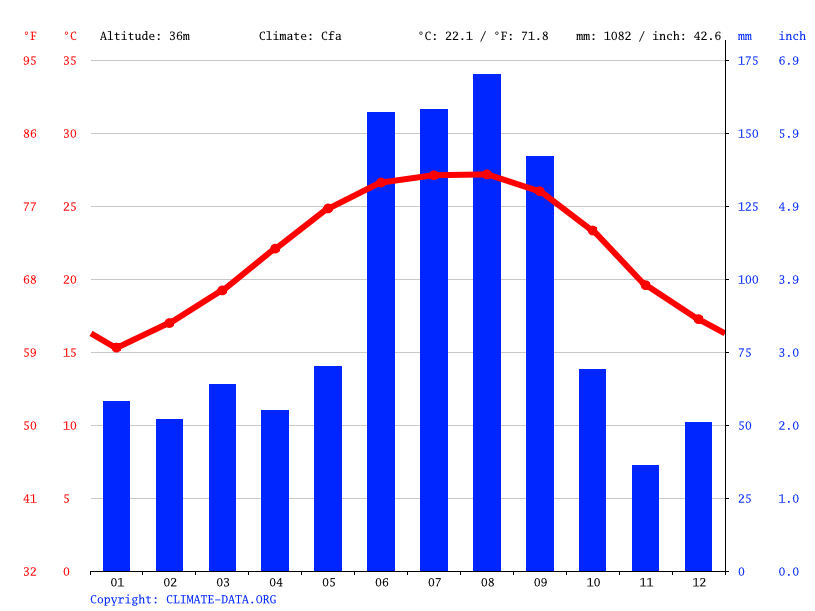
The summer months in Orlando are synonymous with intense heat and high humidity. Average daytime temperatures regularly soar into the high 80s and low 90s Fahrenheit (around 31-33°C), with heat index values often feeling much higher due to the pervasive moisture in the air. Mornings tend to be the most comfortable, offering a brief respite before the sun’s full power takes hold. Afternoon thunderstorms are a common occurrence during the summer. These are typically short-lived but can be quite dramatic, bringing heavy downpours and lightning. While these storms can temporarily disrupt outdoor plans, they often provide a welcome, albeit brief, cooling effect. It’s crucial for visitors to stay hydrated, utilize sun protection, and take advantage of indoor attractions or air-conditioned spaces during the hottest parts of the day. The humidity can make the heat feel more oppressive, so light, breathable clothing is a must. For those who don’t mind the heat and are looking to experience the parks during their most vibrant season, summer offers a lively atmosphere, though it also coincides with peak crowd levels, especially during school holidays.
Autumn (September – November): A Welcome Shift
As the calendar turns to autumn, Orlando begins to experience a gradual transition from the intense summer heat. September still carries a good amount of heat and humidity, but by October and November, temperatures become much more pleasant. Average daytime temperatures in these months typically range from the mid-70s to low 80s Fahrenheit (around 24-28°C). The humidity also starts to decrease, making outdoor exploration much more comfortable. This period is often considered one of the best times to visit Orlando for those seeking ideal weather for theme park visits, outdoor dining, and exploring Florida’s natural beauty. The hurricane season technically extends through November, so occasional tropical weather systems are still a possibility, though less frequent and intense than in the earlier fall months. The cooler evenings make it perfect for enjoying the spectacular evening parades and fireworks at the theme parks.
Winter (December – February): Mild and Pleasant
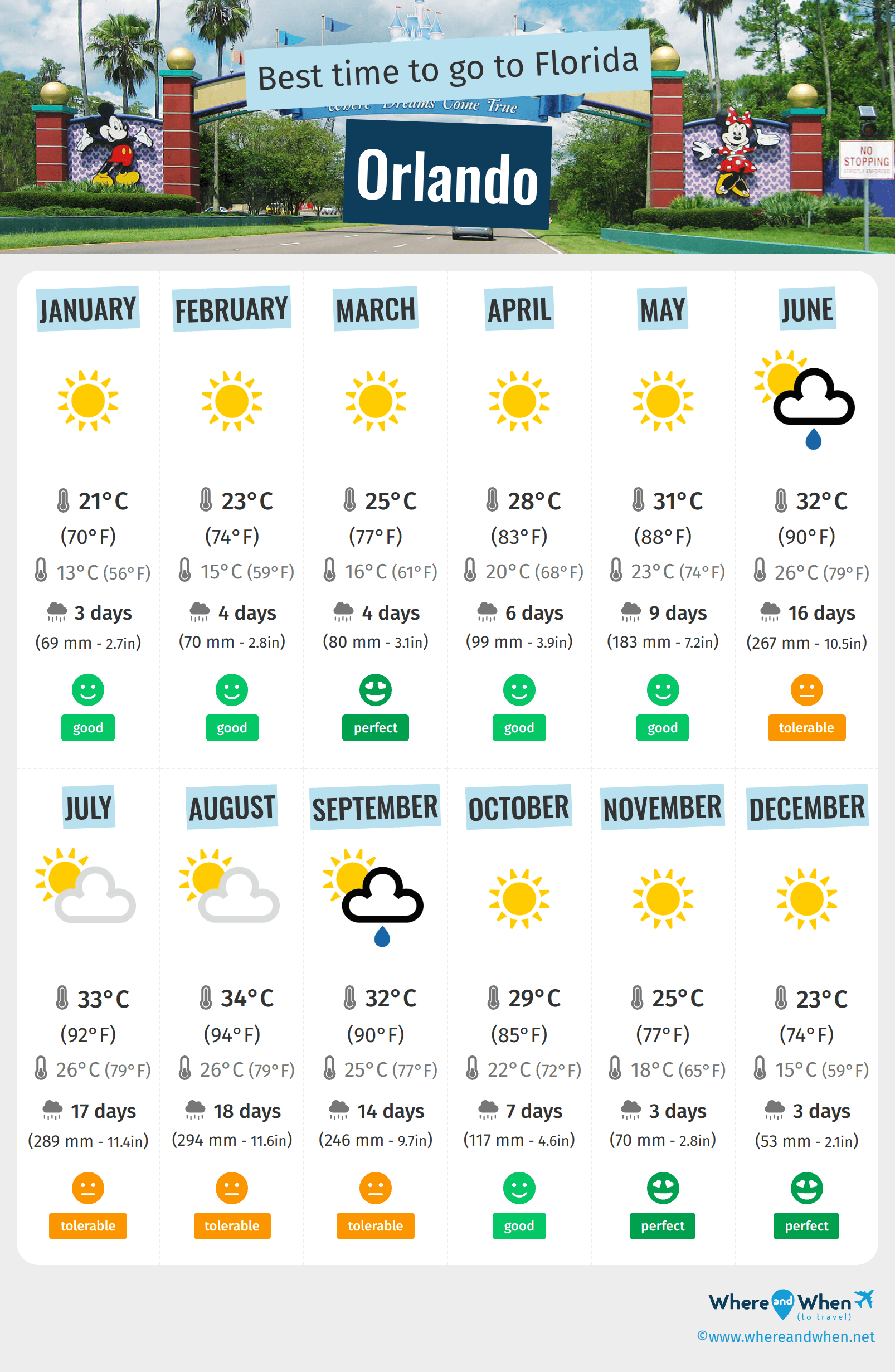
Orlando’s winters are a significant draw for many travelers looking to escape colder climates. The winter months are characterized by mild temperatures and lower humidity. Daytime highs typically hover in the comfortable 60s and 70s Fahrenheit (around 18-24°C), with occasional cooler fronts bringing temperatures into the 50s Fahrenheit (around 10-15°C). Freezing temperatures are rare but not entirely unheard of, especially in the early mornings. These cooler spells are usually short-lived and are quickly followed by warming trends. Rainfall is generally at its lowest during the winter, making it a great time for outdoor activities without the threat of frequent downpours. This season is perfect for exploring attractions like ICON Park or enjoying the numerous golf courses Orlando has to offer. The festive atmosphere of the holiday season, with its elaborate decorations and special events at the theme parks, adds an extra layer of magic to a winter visit.
Spring (March – May): Warming Up Nicely
Spring in Orlando is a delightful season, offering a gradual increase in temperature and a pleasant atmosphere for visitors. March and April typically see average daytime temperatures in the 70s and low 80s Fahrenheit (around 21-28°C), with increasing sunshine. May begins to feel more like summer, with temperatures climbing into the 80s Fahrenheit and humidity levels starting to rise. Spring break crowds can be significant, particularly in March and April, so booking accommodations and park tickets in advance is highly recommended. The natural landscape comes alive in the spring, with blooming flowers and lush greenery, making it a beautiful time to explore the botanical gardens or take a scenic drive. While rain is more common than in winter, it is generally less frequent and intense than during the summer months. This season provides a fantastic balance of warm, sunny days and manageable humidity, making it an ideal time for families and couples to enjoy all that Orlando has to offer.
Planning Your Orlando Trip Based on Temperature
Knowing the typical temperatures for each season allows for strategic planning, ensuring your trip aligns with your comfort preferences and desired activities. Whether you prioritize escaping the heat or embracing the warmth, Orlando’s diverse climate offers something for every traveler.
Packing Essentials for Orlando’s Weather
Regardless of the season, a few packing essentials will serve you well in Orlando. Lightweight, breathable clothing made from natural fibers like cotton or linen is ideal for staying cool. Comfortable walking shoes are non-negotiable, as you’ll likely be doing a lot of walking, especially within the theme parks. Sunscreen with a high SPF, a wide-brimmed hat, and sunglasses are crucial for protecting your skin and eyes from the strong Florida sun. A reusable water bottle is also a smart addition, allowing you to stay hydrated by refilling at water fountains or designated stations throughout Orlando’s attractions. For the summer months, consider packing a light poncho or umbrella for those sudden downpours. Even in winter, a light jacket or sweater is advisable for cooler evenings or air-conditioned indoor spaces.
Best Times to Visit Orlando for Optimal Weather
While Orlando is a year-round destination, certain times of the year offer a more favorable climate for the majority of visitors. The shoulder seasons, specifically April and May, and October and November, are often lauded as the best times to visit. During these periods, you can expect warm, sunny days with comfortable humidity levels, ideal for exploring the numerous theme parks and outdoor attractions. The crowds are also generally more manageable than during the peak summer months or major holiday periods.
For those specifically looking to experience the magic of the holiday season without the intense summer heat, December offers festive cheer and pleasant weather, though it can be a busy period. Conversely, if your priority is to escape the cold and enjoy mild temperatures, January and February provide a welcome winter retreat with fewer crowds. Ultimately, the “best” time to visit is subjective and depends on your personal preferences for temperature, crowd levels, and specific events or activities you wish to experience.
By understanding the nuances of Orlando, Florida’s temperature throughout the year, you can confidently plan a trip that maximizes your enjoyment and minimizes any potential discomfort. Whether you’re seeking thrilling adventures in the sun-drenched parks or a relaxing escape, Orlando awaits with its warm embrace.