
California, often celebrated as the Golden State of eternal sunshine, famously boasts an incredibly diverse climate that surprises many visitors and residents alike. While images of sun-drenched beaches and palm trees typically dominate the popular imagination, the reality is that cooler temperatures and even significant cold snaps are an integral part of the state’s annual weather cycle, especially as the year progresses. For those planning a trip, seeking a new adventure, or simply wondering when to pull out their winter wear, understanding California’s transition to colder weather in 2024 is key. This article will delve into the anticipated timeline, regional variations, and how this shift influences travel, accommodation, and lifestyle choices across the United States‘ most populous state.

Understanding California’s Diverse Climate
California’s sheer geographical expanse, stretching from the temperate forests of the north to the arid deserts of the south, and from its extensive coastline to the towering peaks of the Sierra Nevada mountain range, means that there isn’t one universal answer to “When will it get cold?” The state is a tapestry of microclimates, each with its own unique seasonal rhythm.
The Golden State’s Microclimates
The concept of microclimates is nowhere more evident than in California. You could be skiing in the Sierra Nevada in the morning and enjoying a relatively mild afternoon by the coast, or experiencing dense fog in San Francisco while Los Angeles basks in sunshine. This diversity is driven by several factors:
- Proximity to the Pacific Ocean: Coastal areas tend to have more moderate temperatures year-round, with cooler summers and milder winters, thanks to the ocean’s regulating effect.
- Mountain Ranges: The Sierra Nevada and other smaller ranges block moisture and create rain shadows, influencing temperature and precipitation patterns dramatically. They are also the first areas to experience significant cold and snow.
- Inland Valleys: The Central Valley, for example, experiences much hotter summers and colder, foggier winters compared to coastal regions, due to its distance from the ocean’s moderating influence.
- Deserts: Regions like those around Palm Springs and Death Valley National Park have extreme temperature swings, with scorching days and surprisingly chilly nights, especially in the winter months.
For travelers, this means that packing for a California trip often requires layering, even in the “colder” season. A luxury retreat in a coastal city might call for a light jacket, while a mountain resort stay necessitates full winter gear. Understanding these distinctions is crucial for planning your travel itinerary and booking the right accommodation.
Seasonal Transitions: From Warmth to Crisp Air
Generally, California’s cooler season begins to make its presence known in late October and November, with temperatures steadily dropping through December, January, and February.
- Late October: The first hints of autumn crispness typically arrive. Mornings and evenings become noticeably cooler, especially inland and in Northern California. Leaves start to change color in wine regions like Napa Valley and Sonoma County, and mountain elevations may see their first dusting of snow.
- November: This month usually marks a more definite shift. Average temperatures decrease across the board, and rain showers become more frequent, particularly in the northern half of the state. This is when many mountain resorts begin preparations for the ski season.
- December-February: These are generally the coldest months. Significant snowfall is common in the Sierra Nevada, while coastal areas experience their chilliest, often wettest, weather. Inland valleys can contend with persistent fog (Tule fog), and Southern California experiences its coolest, albeit still relatively mild, period.
- March: While still considered part of the cooler season, March often brings a gradual warming trend, though late-season storms can still deliver significant snow to the mountains and rain to lower elevations.
This general timeline provides a framework, but the specifics for 2024 will depend on broader climate patterns and meteorological phenomena.
Factors Influencing California’s Cold Season 2024
Predicting the exact onset and intensity of cold weather in California for any given year involves complex atmospheric science. However, key global climate patterns and regional weather phenomena offer strong indicators for the 2024-2025 winter season.
El Niño, La Niña, and Pacific Influences
The Pacific Ocean plays a monumental role in California’s weather. Two major climate patterns, El Niño and La Niña, are particularly influential:
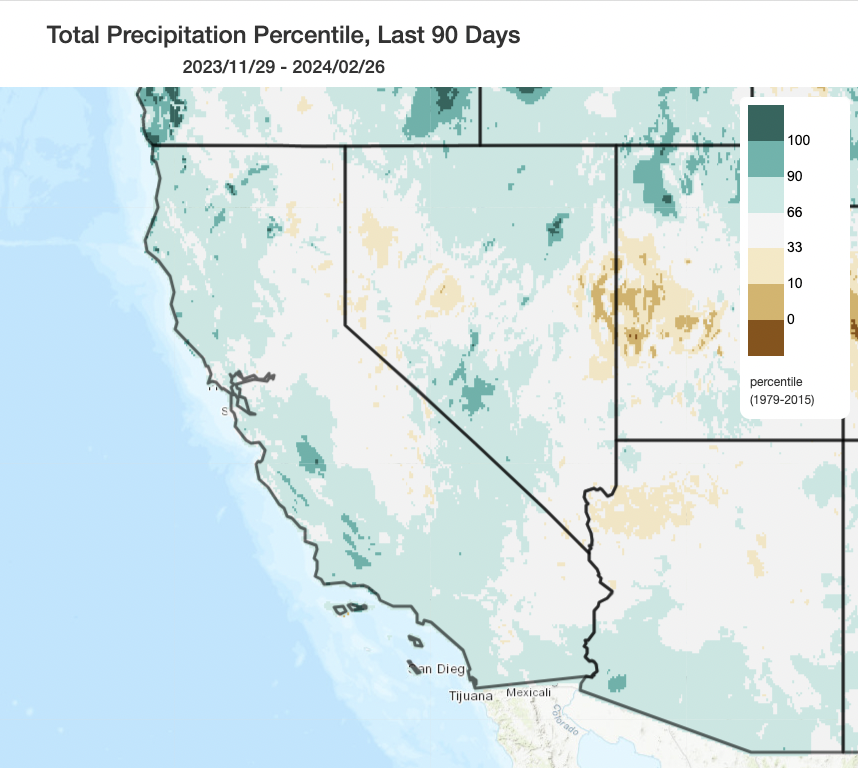
- El Niño: Typically associated with warmer than average sea surface temperatures in the equatorial Pacific Ocean. For California, El Niño often brings increased precipitation, especially to the southern half of the state, and can lead to cooler overall temperatures, particularly during strong events. A strong El Niño was present in late 2023 and early 2024, contributing to the significant rainfall seen in parts of the state. Its lingering effects might influence the early parts of the 2024-2025 cool season.
- La Niña: Characterized by cooler than average sea surface temperatures in the equatorial Pacific Ocean. La Niña generally leads to drier and warmer conditions in Southern California and colder, wetter conditions in the Pacific Northwest, with variable impacts on Northern California.
- Pacific Decadal Oscillation (PDO): A longer-term climate pattern that can amplify or diminish the effects of El Niño and La Niña. A “cool phase” PDO, for instance, can lead to cooler, wetter conditions in California.
Meteorological forecasts for late 2024 and early 2025 will heavily weigh the transition of these patterns. As of mid-2024, there is a developing consensus for a potential transition from El Niño conditions towards a neutral phase or even a weak La Niña by late fall/early winter 2024. If a La Niña develops, it could imply a potentially drier and warmer winter for Southern California, but still with cold snaps, while Northern California might experience more variability in temperature and precipitation.
Atmospheric Rivers and Winter Storms
Regardless of El Niño or La Niña, California’s cold season is often defined by the arrival of atmospheric rivers (ARs). These narrow corridors of concentrated moisture in the atmosphere are responsible for a significant portion of the state’s annual precipitation, often leading to heavy rain at lower elevations and substantial snowfall in the mountains.
- Impact on Cold: While ARs bring precipitation, they are also critical drivers of cold weather. The systems that steer these rivers often involve cold fronts that usher in lower temperatures, especially following the main moisture plume. When these systems tap into arctic air masses, significant cold snaps can occur.
- Frequency and Intensity: The number and intensity of ARs that hit California in late 2024 and early 2025 will be a primary determinant of how cold and wet the winter becomes. A higher frequency of strong ARs generally translates to more winter-like conditions.
Predicting the 2024-2025 Winter Outlook
Based on current long-range forecasts, which are always subject to change, the 2024-2025 winter in California is trending towards a pattern that might see:
- Onset: A gradual cooling trend starting in late October, becoming more pronounced in November, particularly in Northern California and the mountains.
- Temperatures: Overall, a potentially milder winter in Southern California compared to an El Niño year, but with the usual December-February cold snaps. Northern California and mountain regions are expected to experience more consistently cold temperatures and freezing conditions, especially at night.
- Precipitation: Uncertainty remains, but a shift towards a neutral or weak La Niña could mean average to below-average precipitation for Southern California, while Northern California might hover around average. However, it only takes a few well-placed atmospheric rivers to significantly alter the precipitation outlook.
For those planning to experience winter in California, monitoring updated forecasts from reputable sources closer to the season will be essential. This predictive insight allows for better travel planning, whether you’re booking a cozy cabin, a luxury resort with a spa, or considering extended stays in milder climates.
Regional Forecasts: Where and When to Expect the Chill
To truly understand when it will start to get cold in 2024, it’s vital to break down the forecast by California’s distinct geographical regions.
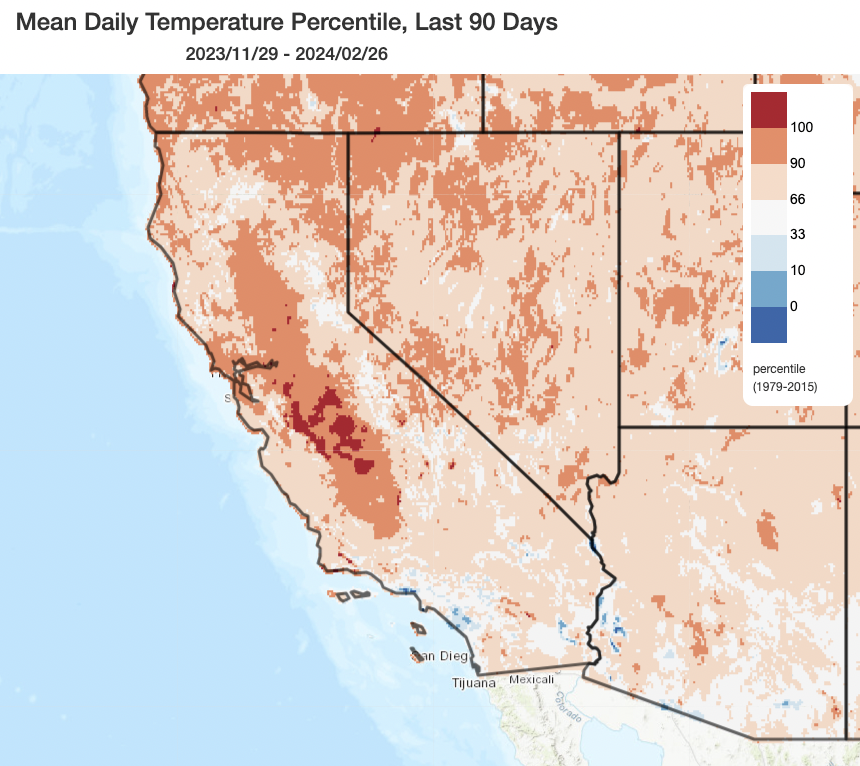
Northern California: Early Frosts and Mountain Snow
Northern California, especially inland areas and higher elevations, typically experiences the earliest and most significant drop in temperatures.
- Timeline: Expect cooler temperatures and crisp mornings to begin appearing consistently in late October, with more widespread cold fronts by mid-November. The first significant snowfall in the Sierra Nevada is often seen in late October or early November, officially kicking off the winter sports season at resorts like Palisades Tahoe and around Lake Tahoe.
- Impact: Cities like Sacramento and areas in the Redwood Empire will see nighttime temperatures regularly dip into the 30s and 40s Fahrenheit by late November. Travelers to destinations like Yosemite National Park during these months should be prepared for cold weather, potential road closures, and the need for tire chains. For a cozy lifestyle experience, consider booking a boutique hotel or a charming lodge in towns along the Mendocino Coast or in the Shasta Cascade region, complete with fireplaces and hearty local cuisine.
Central Valley: Fog and Inland Cold Snaps
The vast Central Valley is characterized by hot, dry summers and cool, often foggy, winters.
- Timeline: The transition to cold typically begins in November, with nighttime temperatures falling into the 30s and 40s. December and January are the coldest months, frequently bringing dense Tule fog, which can persist for days, making driving hazardous and keeping daytime temperatures low.
- Impact: While not as cold as the mountains, the valley’s chill can feel more penetrating due to the humidity and fog. Travelers through cities like Fresno or Bakersfield during the winter should be prepared for significantly reduced visibility and cold, damp conditions. Accommodation options range from budget-friendly motels to comfortable hotels, often offering indoor amenities to escape the chill.
Southern California: A Milder, Yet Noticeable Shift
Southern California generally experiences a milder winter, but “cold” is still a relative term for the region.
- Timeline: Cooler temperatures typically settle in by late November and early December. While daytime highs might still reach the 60s Fahrenheit, nights will consistently drop into the 40s and sometimes even the high 30s in inland areas like the Inland Empire or the valleys surrounding Los Angeles. Coastal cities like San Diego will remain the warmest, with average lows in the 50s, but even here, a jacket will be necessary after sunset. Mountainous areas within Southern California, such as Big Bear Lake or Lake Arrowhead, will see significant snow starting in December.
- Impact: Southern California offers a fantastic winter escape for those seeking milder cold. You can enjoy theme parks like Disneyland or Universal Studios Hollywood with fewer crowds and cooler temperatures, making it a comfortable family trip. Luxury resorts in Orange County or boutique hotels in Santa Barbara offer heated pools and cozy amenities for a pleasant stay.
Coastal Areas: Breezy Days and Cool Nights
California’s extensive coastline, from Eureka to San Diego, shares a generally moderate climate, but winter brings its own distinct chill.
- Timeline: Coastal areas start to feel consistently cool in November, with average daytime temperatures in the 50s and 60s. Nights will be crisp, often dropping into the 40s. Expect more overcast days and increased chances of rain.
- Impact: Iconic stretches like Big Sur or the beaches of Monterey and Carmel-by-the-Sea become dramatically beautiful in winter, with dramatic skies and powerful waves. While it might be too cold for swimming, activities like whale watching, exploring charming seaside towns, and enjoying fresh seafood are popular. Accommodation along the Pacific Coast Highway offers breathtaking views and opportunities for romantic getaways, often featuring fireplaces and ocean-facing rooms. Even places like Catalina Island see a significant dip in temperature, making it a quieter, more reflective escape.
Embracing California’s Colder Months: Travel & Lifestyle
The arrival of colder weather in California doesn’t signal an end to travel or adventure; rather, it transforms the landscape and opens up a new array of experiences. For the savvy traveler, this is an opportunity to explore the state from a fresh perspective, often with fewer crowds and unique activities.
Cozy Getaways and Winter Adventures
When the temperatures drop, California shifts its focus from beach days to mountain escapes and cozy urban retreats.
- Winter Sports: The Sierra Nevada comes alive with world-class skiing and snowboarding at resorts like Mammoth Mountain, Palisades Tahoe, and resorts around Lake Tahoe. Other activities include snowshoeing, cross-country skiing, and ice skating. Mountain towns like Truckee or South Lake Tahoe become bustling hubs for winter sports enthusiasts.
- Desert Exploration: While winter means cold in other parts of California, it’s the best time to visit the deserts. Destinations like Joshua Tree National Park and Death Valley National Park offer pleasant daytime temperatures perfect for hiking and stargazing, without the scorching heat of summer. Palm Springs transforms into a vibrant luxury travel destination for those seeking warmth, golf, and relaxation.
- Romantic Retreats: The cooler months are ideal for romantic getaways. Imagine sipping wine by a roaring fire in Napa Valley or Sonoma County, or staying in a charming B&B in a quaint coastal town like Mendocino or Julian.
Accommodation Choices for the Cooler Season
Your choice of accommodation becomes even more critical during colder periods.
- Mountain Lodges and Cabins: For skiing or a true winter experience, consider booking a cabin or lodge in mountain towns. Many offer ski-in/ski-out access, hot tubs, and fireplaces. Booking in advance is crucial, especially for popular holiday weekends.
- Boutique Hotels with Amenities: In cities and coastal towns, look for boutique hotels that prioritize comfort and warmth. Features like heated pools, luxurious spas, in-room fireplaces, and cozy common areas can significantly enhance your stay.
- Luxury Resorts with Indoor Activities: Many high-end resorts offer extensive indoor amenities, from gourmet restaurants and bars to indoor pools and entertainment, making them perfect for a relaxing escape even when the weather outside is brisk.
- Apartments and Villas for Long-Term Stays: For those looking to escape harsh winters elsewhere, California’s milder southern regions offer excellent options for long-term apartment or villa rentals. This allows for a more immersed lifestyle experience, blending local culture with the comfort of a home away from home.
Essential Packing and Travel Tips
Preparation is key for a comfortable California winter trip.
- Layering: Always pack layers. Even on a cold day, the sun can be strong, and indoor heating can vary. Include thermal wear, sweaters, waterproof jackets, and warm hats/gloves, especially for mountain regions.
- Footwear: Waterproof boots are essential for snow and rain. Comfortable, warm walking shoes are also a must.
- Car Preparedness: If driving to colder regions, ensure your vehicle is winter-ready. Check tires, fluids, and carry chains if heading into snow-prone areas. Always check road conditions before departing, especially for mountain passes.
- Booking and Reviews: Always check recent reviews for hotels and accommodations to ensure they meet your cold-weather needs (e.g., reliable heating, hot water). Compare prices and amenities to find the best fit for your budget and lifestyle.
- Flexibility: California’s weather can be unpredictable. Be flexible with your plans, especially if atmospheric rivers or snowstorms are in the forecast.
Beyond the Forecast: Planning Your 2024-2025 Winter Escape
Beyond merely knowing when it will start to get cold, thinking about how to experience California in its colder months transforms a simple weather forecast into a rich travel and lifestyle opportunity.
Iconic Destinations in Winter
Many of California’s most famous landmarks and natural attractions take on a magical quality in winter.
- Yosemite National Park: While some roads may close, Yosemite Valley in winter is a wonderland of snow-dusted granite, frozen waterfalls, and tranquil beauty. It’s a quieter, more introspective experience compared to the bustling summer months.
- Lake Tahoe: A premier winter destination, offering not just skiing but also stunning snow-covered vistas, sleigh rides, and cozy lakeside towns. It’s an ideal spot for a family trip or a luxury escape.
- Coastal Towns: Monterey, Carmel-by-the-Sea, and Santa Cruz offer charming winter experiences with festive decorations, fewer crowds, and the dramatic beauty of a winter Pacific Ocean.
- Desert Oases: As mentioned, Palm Springs and the surrounding desert parks are at their prime. Imagine a budget travel option of camping under crisp, star-filled skies in Joshua Tree National Park, or indulging in a luxurious spa weekend in Palm Springs.
Culinary Delights and Cultural Events
Cold weather often brings with it a desire for comforting food and engaging indoor activities.
- Wine Country: Napa Valley and Sonoma County are quieter in winter, offering a more intimate wine-tasting experience. Many wineries feature cozy tasting rooms with fireplaces and special winter events.
- Farm-to-Table Cuisine: California’s renowned culinary scene adapts to the season, offering hearty, locally sourced dishes perfect for a chilly evening. Look for restaurants featuring seasonal produce and warming flavors.
- Holiday Festivities and Festivals: Throughout November and December, towns and cities across California light up with holiday decorations, markets, and cultural events. From ice skating rinks in urban centers to festive parades in small towns, there’s plenty of tourism activity to enjoy.
- Museums and Galleries: On a particularly cold or rainy day, California’s world-class museums and art galleries in cities like Los Angeles, San Francisco, and San Diego offer enriching indoor experiences.
In conclusion, while “cold” is a relative term in California, the transition to cooler temperatures in 2024 is anticipated to follow its usual pattern, starting subtly in late October and becoming more pronounced through November and into the traditional winter months. From the snowy peaks of the Sierra Nevada to the mild coastal breezes, each region offers a unique experience. For those ready to embrace the chill, California in winter promises a wealth of travel adventures, cozy accommodations, and memorable lifestyle moments, far beyond its sun-drenched reputation. By staying informed and preparing accordingly, your 2024-2025 cold-weather journey through the Golden State can be just as fulfilling as any summer excursion.
LifeOutOfTheBox is a participant in the Amazon Services LLC Associates Program, an affiliate advertising program designed to provide a means for sites to earn advertising fees by advertising and linking to Amazon.com. Amazon, the Amazon logo, AmazonSupply, and the AmazonSupply logo are trademarks of Amazon.com, Inc. or its affiliates. As an Amazon Associate we earn affiliate commissions from qualifying purchases.