
Florida, often affectionately known as the Sunshine State, is a premier travel destination renowned for its stunning beaches, vibrant cities, world-class theme parks, and lush natural landscapes. For any traveler planning a trip to this diverse state, understanding the temperature is paramount, as it profoundly influences everything from packing choices and daily activities to the overall ambiance of your stay. Unlike many other states, Florida boasts a unique climate profile, shifting from a subtropical north to a truly tropical south, with the Florida Keys basking in Caribbean-like warmth year-round. This guide aims to demystify Florida’s temperatures, offering insights that will help you plan the perfect journey, whether you’re seeking a winter escape, a summer adventure, or something in between.
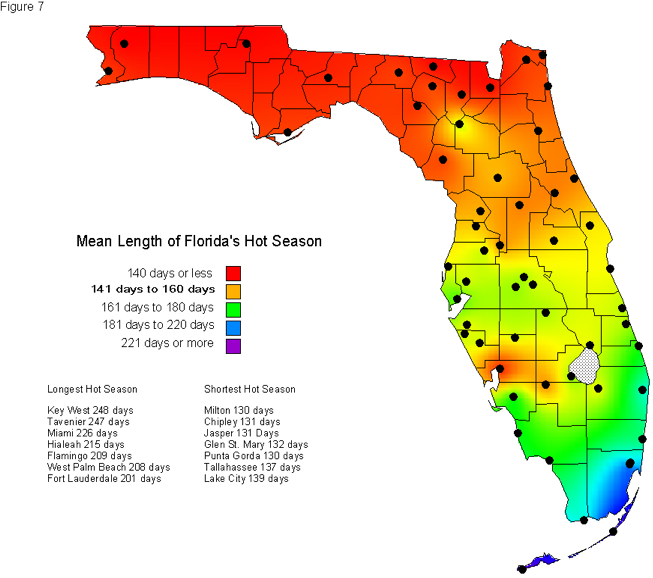
The state’s geographical position, hugged by the Gulf Coast to the west and the Atlantic Coast to the east, and its proximity to the equator, contribute to its characteristically warm weather. However, dismissing Florida as simply “hot” would be an oversimplification. Each season, and indeed different regions within the state, offers a distinct temperature experience, impacting everything from the types of accommodations that feel most comfortable to the kinds of outdoor activities you can enjoy. From the mild, pleasant winters perfect for exploring Everglades National Park to the steamy summer days ideal for splashing around at Walt Disney World Resort or Universal Orlando Resort, temperature is the silent architect of your Florida adventure. Let’s delve into the nuances of Florida’s climate, ensuring your next trip is perfectly aligned with your thermal preferences and travel aspirations.
Understanding Florida’s Diverse Climate Zones
While broadly considered a warm-weather state, Florida’s elongated shape means there are distinct climatic differences from north to south. These variations are crucial for travelers to understand, as they dictate the best times to visit specific destinations and the types of experiences to expect.
North Florida: Four Seasons, Mild Winters
The northernmost reaches of Florida, including cities like Jacksonville, St. Augustine, and the Panhandle region, experience a climate that is more akin to the southeastern United States than the tropical south. Here, you’ll find more pronounced seasonal changes, though winters remain considerably milder than in most northern states.
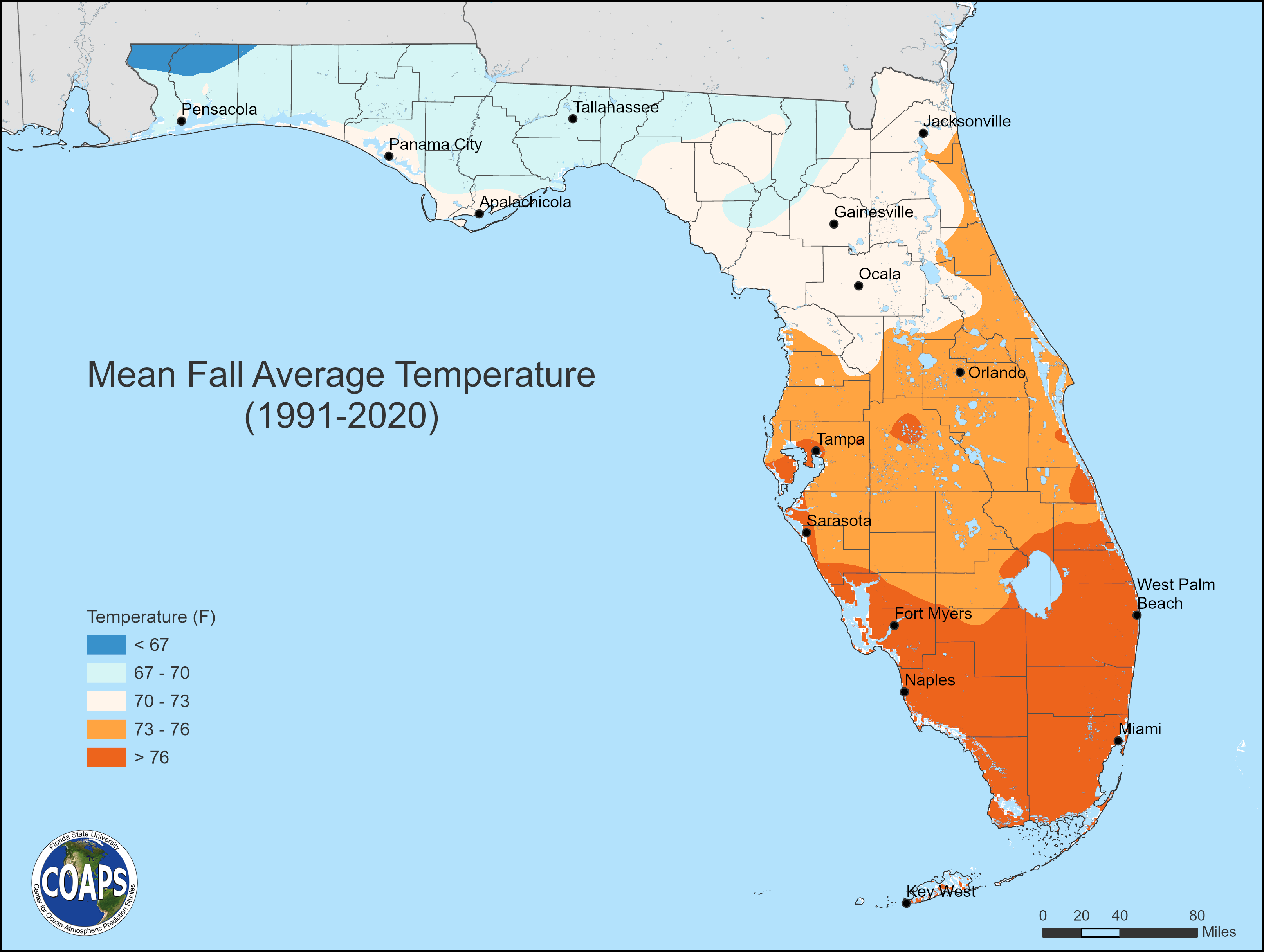
During the winter months (December to February), temperatures typically range from the low 40s to low 60s Fahrenheit (4-18°C). While occasional cold fronts can bring temperatures down to freezing, snow is extremely rare. Spring (March to May) sees a pleasant warming, with averages climbing to the 60s and 70s Fahrenheit (15-26°C), perfect for exploring historic sites or enjoying the nascent beach season. Summers (June to August) are hot and humid, often reaching the high 80s to low 90s Fahrenheit (31-35°C), with afternoon thunderstorms a common occurrence. Fall (September to November) brings a gradual cooling, offering comfortable temperatures in the 70s and 80s Fahrenheit (21-31°C), making it an ideal time for outdoor festivals and exploring the natural beauty of state parks.
For travelers interested in local culture, history, and nature trails, North Florida’s spring and fall provide the most comfortable temperatures. Accommodations in this region might include cozy historic inns or beachfront hotels, with amenities like heated pools being a welcome luxury during cooler winter evenings.
Central Florida: The Heart of Theme Parks
Central Florida, home to popular destinations like Orlando, Tampa, and Daytona Beach, serves as a transition zone between the subtropical north and the tropical south. This region generally experiences warmer temperatures year-round compared to North Florida, but still retains some seasonal variations.
Winters are very pleasant, with average daytime temperatures in the 60s and 70s Fahrenheit (15-26°C), making it a prime escape for those seeking warmth without intense heat. This mild weather is perfect for navigating the expansive theme parks of Orlando or exploring the vibrant downtown areas of Tampa. Spring brings consistent warmth, often in the 70s and 80s Fahrenheit (21-31°C), with lower humidity than summer, creating ideal conditions for family trips and outdoor excursions.
Summers in Central Florida are hot and extremely humid, with daily highs frequently in the low 90s Fahrenheit (32-34°C). The humidity can make it feel much hotter, and afternoon rain showers are almost a daily occurrence, often providing a brief, refreshing cool-down. Fall offers a return to more moderate temperatures, similar to spring, making it another excellent time to visit for those looking to avoid the peak summer heat and crowds.
Travelers to Central Florida in summer should prioritize accommodations with excellent air conditioning and refreshing pools. Many resorts in Orlando and Tampa are designed with this in mind, offering extensive water parks and indoor attractions to combat the heat.
South Florida and The Keys: Tropical Paradise
South Florida, encompassing cities like Miami, Fort Lauderdale, Naples, Sarasota, and Fort Myers, along with the entire chain of the Florida Keys (including Key West), enjoys a true tropical climate, characterized by warm temperatures year-round and distinct wet and dry seasons.
Winters in South Florida are the driest and most popular time to visit. Temperatures are consistently warm, typically ranging from the mid-60s to high 70s Fahrenheit (18-26°C), with very little chance of cold weather. This is prime season for beachgoers, boaters, and those escaping colder northern climates. The Florida Keys maintain even warmer averages, often in the 70s (21-26°C), making it feel like a perpetual summer.
Spring and fall are also excellent, with temperatures holding in the 70s and 80s Fahrenheit (21-31°C) and relatively lower humidity than the summer. This is an ideal time for activities like snorkeling, diving, or exploring the vibrant arts and food scene in Miami.
Summers (June to October, aligning with the wet season and hurricane season) are hot, humid, and frequently punctuated by afternoon thunderstorms. Daily highs often reach the high 80s to low 90s Fahrenheit (31-33°C), and the high humidity makes it feel even more intense. Despite the heat, the beaches remain popular, and many resorts offer enticing deals. The tropical warmth makes swimming and water sports incredibly appealing, but travelers should be prepared for intense sun and humidity.
For a luxury travel experience in South Florida, consider beachfront resorts with private cabanas and world-class spas that provide respite from the heat. Budget travel is also feasible during the summer months, with lower accommodation prices enticing those who don’t mind the heat and rain.
Seasonal Temperature Breakdown: Planning Your Ideal Florida Escape
Understanding the regional variations is just one piece of the puzzle. How temperatures behave throughout the year across the state provides a clearer picture for planning your perfect Florida getaway. Each season presents unique opportunities and challenges influenced by the prevailing temperatures.
Winter (December – February): The Peak Season for Comfort
Average Temperatures:
- North Florida: Low 40s to low 60s F (4-18°C)
- Central Florida: Low 50s to low 70s F (10-22°C)
- South Florida & Florida Keys: Mid-60s to high 70s F (18-26°C)
Why Visit: Winter is unequivocally the most popular time to visit Florida for those seeking comfortable, moderate temperatures. The weather is generally dry, sunny, and refreshingly mild, offering a perfect escape from colder climates. It’s the ideal season for all outdoor activities, from golfing and tennis to exploring nature parks and enjoying beach strolls without the intense summer heat. This is peak season for tourism, so expect higher prices for hotels, flights, and accommodations, especially in South Florida and the Florida Keys. Booking well in advance is essential for securing your preferred resorts or villas. Lifestyle-wise, this is a prime time for luxury travel and snowbird retreats, with many choosing long-term stays.
Spring (March – May): Pleasant Weather and Vibrant Blooms
Average Temperatures:
- North Florida: Mid-50s to high 70s F (13-26°C)
- Central Florida: Mid-60s to low 80s F (18-28°C)
- South Florida & Florida Keys: Low 70s to high 80s F (21-31°C)
Why Visit: Spring in Florida offers a fantastic balance of warmth and relatively low humidity, making it another prime time for travel. Temperatures are consistently pleasant across the state, and the landscape comes alive with vibrant blooms. It’s an excellent period for family trips to theme parks before the intense summer heat sets in, or for exploring the state’s natural springs and coastal towns. While popular, it’s generally less crowded than the winter peak, especially after spring break. Prices for hotels and accommodation may be slightly lower than winter but remain elevated due to the desirable weather. It’s a great season for cultural activities, outdoor dining, and enjoying attractions like the Kennedy Space Center Visitor Complex.
Summer (June – August): Embracing the Heat and Humidity
Average Temperatures:
- North Florida: Low 70s to low 90s F (22-33°C)
- Central Florida: Mid-70s to low 90s F (24-34°C)
- South Florida & Florida Keys: High 70s to low 90s F (26-33°C)
Why Visit: Florida summers are characterized by heat, high humidity, and frequent afternoon thunderstorms. While this might deter some, it’s also a fantastic time for water-centric activities and for travelers seeking budget-friendly options. The warm ocean temperatures are perfect for swimming, snorkeling, and diving. Theme parks embrace the heat with water rides and air-conditioned indoor attractions. Many hotels and resorts offer discounted rates, making it an attractive option for family vacations or those looking for an affordable escape. It’s crucial to stay hydrated, seek shade, and plan indoor activities for the hottest parts of the day. This season is synonymous with beach vacations and resort stays, with extensive amenities to keep guests cool and entertained.
Fall (September – November): A Gentle Transition
Average Temperatures:
- North Florida: Low 60s to mid-80s F (16-29°C)
- Central Florida: High 60s to mid-80s F (20-29°C)
- South Florida & Florida Keys: Mid-70s to high 80s F (24-31°C)
Why Visit: Fall is a transitional season that sees temperatures gradually cooling and humidity decreasing, especially towards November. Early fall still feels like summer in much of the state, but by late October and November, conditions become wonderfully mild and pleasant, akin to spring. This is an excellent time for tourism, as hurricane season tapers off, and the crowds from summer and winter haven’t fully converged. It’s ideal for enjoying outdoor activities, exploring cities, and experiencing local culture without the intense heat or the peak-season prices. Accommodation rates often dip during early fall before rising again in late November for the holiday season. It’s perfect for those seeking a balance of good weather and fewer crowds, offering a more relaxed travel experience.
Beyond the Thermometer: Humidity, Sunshine, and Weather Events
While temperature is a primary consideration, a comprehensive understanding of Florida’s climate requires looking at other factors that significantly impact the perceived comfort and overall travel experience.
The Humidity Factor: What to Expect
Florida’s proximity to large bodies of water (the Gulf Coast and Atlantic Coast) and its subtropical/tropical climate mean that humidity is a constant companion, especially during the summer months. Humidity levels can make moderate temperatures feel much warmer and can be a significant factor for those unaccustomed to it.
During summer, relative humidity often hovers between 70% and 90%, particularly in the mornings. This high moisture content contributes to the “sticky” feeling and can make outdoor activities more strenuous. Many visitors find themselves sweating even without much exertion. During winter, humidity drops considerably, making the mild temperatures feel incredibly comfortable and crisp. Spring and fall offer a middle ground, with varying humidity levels. Travelers sensitive to humidity should consider visiting during the drier winter months or planning their itinerary with plenty of air-conditioned breaks and water activities. Luxury resorts often offer dehumidified indoor spaces and services, enhancing comfort.
Sunshine Abundance: Maximizing Your Vitamin D
As the Sunshine State, Florida lives up to its name, boasting an impressive number of sunny days annually. This abundance of sunshine is a major draw for tourists seeking to escape gloomy weather. Most regions in Florida receive over 2,800 hours of sunshine per year, with some areas like Fort Myers exceeding 3,000.
The high UV index, particularly during summer, means that sun protection is not just recommended but essential. Sunscreen, wide-brimmed hats, and UV-protective clothing should be staples in your packing list. While the sun is wonderful for tanning and outdoor recreation, it can also lead to sunburn and heat exhaustion if proper precautions aren’t taken. Many hotels and attractions are designed with ample shaded areas, umbrellas by pools, and indoor activities to offer respite from the intense rays. Lifestyle considerations here include whether you prefer sunbathing on South Beach or exploring shaded botanical gardens.
Hurricane Season: Planning for the Unexpected
Florida is located in the Atlantic hurricane belt, and the official hurricane season runs from June 1st to November 30th. While direct hurricane strikes are relatively infrequent, tropical storms and depressions are more common and can bring heavy rains, strong winds, and potential travel disruptions. The peak of the season typically occurs from mid-August to late October.
Travelers planning trips during these months should be aware of the risks. It’s highly advisable to purchase travel insurance that covers weather-related cancellations or interruptions. Keeping an eye on weather forecasts from reputable sources like the National Hurricane Center is crucial. Many accommodations, especially larger resorts, have robust hurricane preparedness plans and often offer flexible cancellation policies during the season. Despite the potential for storms, many days during hurricane season are perfectly sunny and beautiful. Budget travelers often find excellent deals during this period, willing to take the calculated risk. It’s a balance between affordability and peace of mind.
Tailoring Your Florida Experience to the Climate
The diverse temperatures and climate factors in Florida provide a myriad of options for every type of traveler. By aligning your trip with the expected weather, you can maximize enjoyment and minimize discomfort.
Accommodation Choices for Every Season
Winter: For those escaping the cold, seeking warmth and comfort, luxury resorts and boutique hotels in South Florida and the Florida Keys are ideal. Look for properties with heated pools, cozy indoor lounges, and proximity to outdoor activities like golf courses or scenic walking trails. In Central and North Florida, consider accommodations with fire pits or hot tubs for cooler evenings. Long-term stay options are popular for “snowbirds.”
Spring/Fall: These shoulder seasons offer the flexibility to choose a wider range of accommodations. Beachfront villas are excellent for enjoying the pleasant ocean breezes, while family-friendly resorts in Orlando and Tampa cater to theme park visitors. Boutique hotels in historic districts like St. Augustine are also charming choices for exploring on foot.
Summer: Air conditioning is non-negotiable! Look for hotels or apartments with strong AC, refreshing swimming pools, and perhaps even splash pads or water parks on-site, especially if traveling with children. Many resorts offer excellent indoor entertainment options to escape the mid-day heat. Budget travel during this time can yield great deals on well-equipped accommodation.
Activities and Attractions: Embracing Florida’s Outdoors
Cooler Months (Winter/Late Fall/Early Spring):
- Outdoor Exploration: Hiking in state parks, exploring the Everglades National Park, cycling, golfing, and tennis.
- Theme Parks: Enjoying Walt Disney World Resort or Universal Orlando Resort with fewer concerns about overheating.
- Cultural & Historical Tours: Wandering through historic districts like St. Augustine or Key West.
- Wildlife Viewing: Manatee spotting in natural springs.
Warmer Months (Summer/Late Spring/Early Fall):
- Water Sports: Swimming, snorkeling, diving, paddleboarding, kayaking in the warm ocean or gulf waters.
- Beaches: Relaxing on Miami’s South Beach, Clearwater Beach, or the pristine shores of the Florida Keys.
- Water Parks: Visiting dedicated water parks or resort water features.
- Indoor Attractions: Museums, aquariums, shopping malls, and air-conditioned entertainment complexes.
Packing Smart: Essentials for Florida Weather
No matter the season, a few items are always crucial for a Florida trip:
- Sun Protection: High SPF sunscreen, sunglasses, wide-brimmed hats.
- Lightweight Clothing: Breathable fabrics like cotton, linen, and moisture-wicking materials are key.
- Swimwear: Essential year-round, even if just for hotel pools.
- Comfortable Walking Shoes: For theme parks, city exploration, or nature walks.
- Rain Gear (especially May-November): A light rain jacket or compact umbrella for sudden showers.
- Layers (especially December-February): While days can be warm, evenings can be cool, particularly in North and Central Florida. A light sweater or jacket is a good idea.
- Hydration: Bring a reusable water bottle to stay hydrated.
Final Thoughts: Your Perfect Florida Temperature Awaits
Florida’s dynamic temperature profile offers something for everyone, whether you’re chasing the sun, seeking a cool escape, or planning a balanced adventure. From the mild, pleasant winters that make North Florida perfect for cultural excursions to the balmy, tropical warmth of the Florida Keys that invites year-round aquatic exploration, the state’s climate is a key determinant of its diverse appeal.
By understanding the seasonal and regional temperature variations, coupled with factors like humidity and the possibility of summer storms, travelers can make informed decisions about when and where to visit. This knowledge empowers you to select the ideal travel experience, choose the perfect accommodations—be it a bustling resort in Miami or a serene villa in Sarasota—and pack appropriately for a comfortable and unforgettable journey. Ultimately, the best temperature for Florida is the one that best suits your personal preferences and travel goals. So, whether you’re dreaming of a winter sunbath or a summer splash, Florida is ready to welcome you with its unique brand of warmth.
LifeOutOfTheBox is a participant in the Amazon Services LLC Associates Program, an affiliate advertising program designed to provide a means for sites to earn advertising fees by advertising and linking to Amazon.com. Amazon, the Amazon logo, AmazonSupply, and the AmazonSupply logo are trademarks of Amazon.com, Inc. or its affiliates. As an Amazon Associate we earn affiliate commissions from qualifying purchases.