
Understanding Jacksonville’s Climate: A Tourist’s Guide
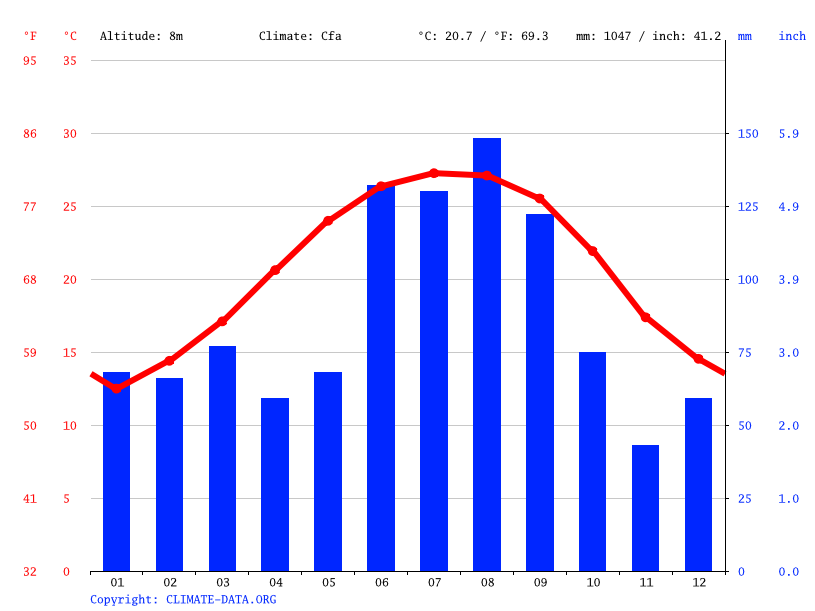
Jacksonville, Florida, a sprawling city located in the northeastern part of the Sunshine State, boasts a humid subtropical climate, characterized by hot, humid summers and mild, generally dry winters. For tourists planning a visit, understanding these seasonal temperature fluctuations is paramount to ensuring a comfortable and enjoyable experience. Unlike the more tropical southern regions of Florida, Jacksonville experiences a clearer distinction between its four seasons, albeit with less extreme cold than northern states. The average annual temperature hovers around 69°F (20.5°C), but this figure only tells part of the story, as daily highs and lows vary significantly throughout the year, dictating the types of activities and attire suitable for each period.

General Overview and Seasonal Trends
The summer months, from June to September, are undeniably warm, with average daily temperatures typically ranging from the high 70s to low 90s Fahrenheit (25-33°C). The peak of summer, July, often sees daily highs consistently in the low 90s°F (32-34°C). These months are also the wettest, with frequent afternoon thunderstorms contributing to the high humidity. These storms, while sometimes intense, are usually brief and often provide a welcome cooling effect.
Conversely, winter, from December to February, presents a much milder picture. Average daily temperatures during this period range from the low 50s to low 70s Fahrenheit (10-22°C). Frost is possible, particularly in the early morning hours, but snowfall is an extremely rare event. These months are generally drier and sunnier, offering a pleasant escape for those looking to avoid harsh northern winters.
Spring (March to May) and Fall (October to November) serve as delightful transitional seasons. Spring gradually warms up, moving from comfortable highs in the 70s°F (21-26°C) in March to the 80s°F (27-30°C) by May, with increasing humidity. Fall brings a welcome relief from summer’s heat, with temperatures slowly descending from the 80s°F (27-30°C) in October to the 60s°F (16-21°C) in November, accompanied by lower humidity and abundant sunshine. These shoulder seasons are often considered by many to be the best times to visit, providing a sweet spot for outdoor activities without the intensity of summer’s heat or the occasional chill of winter.
Humidity and Comfort Levels
Beyond the raw temperature numbers, humidity plays a crucial role in how the climate feels in Jacksonville. The city’s proximity to the Atlantic Ocean and the St. Johns River significantly contributes to its moisture levels. During the summer, high humidity can make temperatures in the 90s°F (32-34°C) feel even hotter, with heat indices often climbing into the triple digits. This demands careful planning for outdoor activities, emphasizing hydration and seeking shade. Air-conditioned indoor attractions become particularly appealing during this time.
In contrast, the lower humidity of fall and winter significantly enhances comfort, even when temperatures are similar to spring. A crisp 65°F (18°C) in November feels entirely different from a humid 75°F (24°C) in May. Tourists should be prepared for this distinction, as it greatly influences perception of warmth and coolness, and thus, activity planning.
Spring and Summer: Warmth and Water Activities
Jacksonville’s spring and summer months dictate a tourism strategy centered around enjoying the outdoors, particularly water-based activities, while strategically managing the heat and humidity. These seasons burst with life, drawing visitors eager to explore the city’s extensive parks, beaches, and waterways.
March to May: Pleasant Exploration
Spring in Jacksonville is often considered ideal for tourism. March sees average highs in the low 70s°F (21-23°C), steadily climbing to the low 80s°F (27-29°C) by May. Humidity is moderate, making it comfortable for extended periods outdoors. This is a prime time for exploring the city’s diverse attractions without the intensity of summer.
- Activities: Visiting Jacksonville Zoo and Gardens is particularly pleasant in spring, with comfortable temperatures for walking and viewing animals. Exploring the historic Riverside Arts Market under the Fuller Warren Bridge is also a popular Saturday morning pastime. Biking along the Jacksonville-Baldwin Rail-Trail or hiking in one of the many state parks, such as Timucuan Ecological and Historic Preserve, is highly recommended. The beaches, including Jacksonville Beach, Neptune Beach, and Atlantic Beach, become increasingly inviting for sunbathing and strolling as the water warms up.
- Festivals: Spring is a vibrant season for events, including the Jacksonville Jazz Festival and various outdoor art shows, which are best enjoyed in the temperate weather.
June to August: Embracing the Heat
Summer in Jacksonville is characterized by hot and humid conditions, with daily highs typically in the high 80s to low 90s°F (31-34°C) and heat indices often higher. Afternoon thunderstorms are a daily occurrence, usually clearing to reveal sunny skies again. Despite the heat, summer is a peak season for those seeking beach vacations and water sports.
- Activities: The beaches become the main draw, with the Atlantic Ocean offering refreshing relief. Surfing, paddleboarding, and swimming are popular at Jacksonville Beach, Neptune Beach, and Atlantic Beach. Kayaking or boating on the St. Johns River or in the Intracoastal Waterway also provides opportunities to cool down. Indoor attractions like the Cummer Museum of Art & Gardens, Museum of Science & History (MOSH), or the Ritz Theatre and Museum offer a welcome escape from the midday sun.
- Strategy: Plan outdoor activities for early mornings or late afternoons. Seek shade whenever possible, stay hydrated, and utilize air-conditioned spaces for midday breaks. Many local establishments, from restaurants to shops, are well-equipped with AC, making indoor exploration comfortable.
Fall and Winter: Mild Charm and Outdoor Enjoyment
Jacksonville’s fall and winter seasons offer a distinctly different tourist experience, marked by cooler temperatures, lower humidity, and abundant sunshine. These months are often favored by visitors from colder climates seeking a mild retreat and by those who prefer exploring the city’s natural beauty and outdoor attractions without the intense summer heat.
September to November: Ideal for Festivals
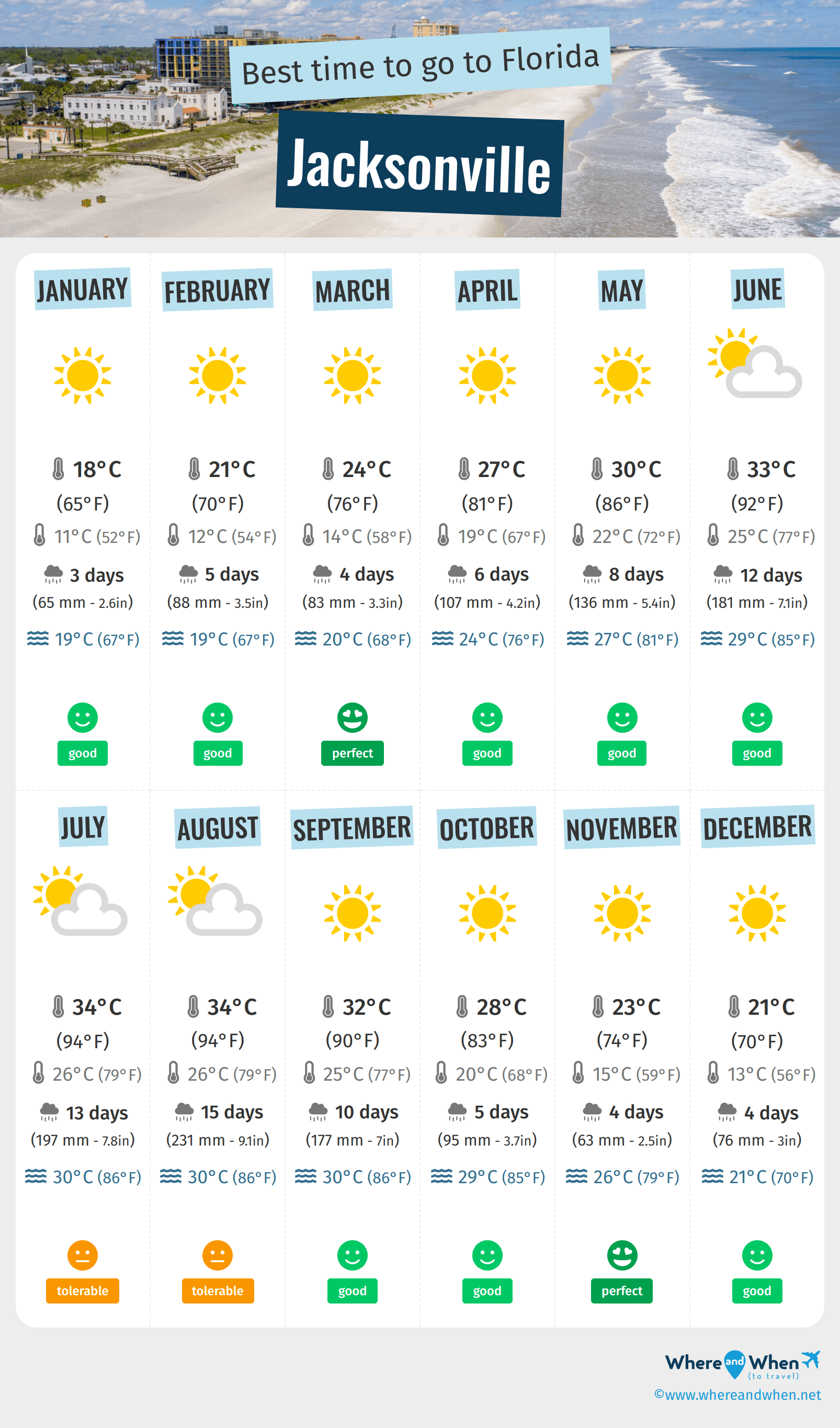
Fall transitions beautifully from the summer heat, with September still feeling quite warm (highs in the upper 80s°F / 30-32°C), but October bringing noticeable relief with averages in the upper 70s°F (25-27°C). By November, temperatures are delightfully mild, averaging in the upper 60s°F (19-21°C), and humidity significantly drops. This makes fall arguably the most pleasant time for outdoor activities and cultural events.
- Activities: This period is perfect for golf enthusiasts, with numerous courses offering superb conditions. Exploring the vast network of city parks, such as Memorial Park or Hanna Park (which also has beach access and camping), becomes highly enjoyable. Scenic boat tours along the St. Johns River or fishing excursions are also popular. The crisp air and comfortable temperatures are ideal for walking tours through historic neighborhoods like Riverside and San Marco, allowing visitors to admire the architecture and unique shops.
- Festivals: Fall in Jacksonville is a bustling time for festivals, including craft beer events, food festivals, and the Greater Jacksonville Agricultural Fair. The pleasant weather encourages outdoor gatherings and celebrations.
December to February: Northern Florida’s Mild Winter
Winter in Jacksonville is a gentle affair compared to much of the United States. Average highs hover in the low to mid-60s°F (16-19°C), with overnight lows occasionally dipping into the 30s°F (0-4°C). While cooler, days are often sunny and clear, offering ample opportunity for outdoor enjoyment without the need for heavy winter gear.
- Activities: Golf and tennis remain popular throughout the winter. Wildlife viewing at places like Fort George Island Cultural State Park or kayaking through the serene salt marshes of Northeast Florida are particularly appealing. The cooler temperatures are excellent for exploring the trails within the Timucuan Ecological and Historic Preserve, including Fort Caroline National Memorial. Even beach walks are invigorating, especially with a light jacket. Indoor attractions like the Jacksonville Symphony Orchestra or Broadway shows at the Artist Series at the Times-Union Center provide cultural entertainment, perfect for cooler evenings.
- Escape: For many, Jacksonville’s winter offers a perfect escape from freezing temperatures, allowing for outdoor activities that wouldn’t be possible elsewhere. While swimming in the ocean might be too cool for some, heated pools at hotels and resorts provide year-round aquatic options.
Packing Essentials and Local Tips by Season
Preparing for Jacksonville’s diverse temperatures requires smart packing and an awareness of local conditions. Regardless of the season, flexibility in clothing choices is key.
What to Wear: Spring & Summer
For spring, lightweight layers are ideal. Mornings might be cool, but afternoons can quickly warm up. Long-sleeved shirts, light jackets, or cardigans are useful, alongside shorts, t-shirts, and dresses. As summer approaches, the focus shifts entirely to breathable, moisture-wicking fabrics like cotton and linen.
- Summer Essentials: Shorts, t-shirts, tank tops, swimwear, wide-brimmed hats, sunglasses, and sandals are absolute must-haves. Evenings can be warm but might occasionally offer a slight reprieve, making a very light cover-up sometimes useful for air-conditioned indoor spaces.
- Rain Gear: Regardless of the season, but especially in summer, a compact umbrella or lightweight rain jacket is advisable for sudden showers.
What to Wear: Fall & Winter
Fall calls for a transition back to layers. Early fall might still allow for shorts and t-shirts during the day, but by November, long pants, jeans, long-sleeved shirts, and light sweaters become appropriate.
- Winter Essentials: For winter, pack a mix of long-sleeved shirts, sweaters, jeans, and perhaps a medium-weight jacket or fleece. While heavy winter coats are rarely necessary, a warmer jacket for early mornings or evenings, especially if near the water, is a good idea. Closed-toe shoes are generally more comfortable than sandals during these cooler months.
- Footwear: Comfortable walking shoes are essential for exploring the city’s parks and neighborhoods year-round.
Hydration and Sun Protection
These are non-negotiables in Jacksonville, regardless of the season, but especially from spring through fall. The Florida sun is strong, and dehydration can set in quickly.
- Sunscreen: Always apply broad-spectrum sunscreen with a high SPF, even on cloudy days. Reapply frequently, especially after swimming or sweating.
- Hydration: Carry a reusable water bottle and drink plenty of fluids throughout the day.
- Hats and Sunglasses: Protect your eyes and face from harmful UV rays.
Embracing Jacksonville’s Outdoor Lifestyle
Jacksonville’s temperature range allows for an active, outdoor-centric lifestyle year-round. By understanding the seasonal nuances, tourists can tailor their itineraries to take full advantage of the climate. Whether it’s enjoying the ocean breeze on a warm summer day, hiking through a nature preserve in the crisp fall air, or golfing under a mild winter sun, Jacksonville offers a diverse range of experiences for every season.
Beyond the Thermometer: Microclimates and Forecasts
While average temperatures provide a good baseline, Jacksonville’s extensive geography means that localized conditions can vary. Areas closer to the coast (Jacksonville Beach, Neptune Beach, Atlantic Beach) often experience milder temperatures due to the ocean’s moderating effect, typically a few degrees cooler in summer and warmer in winter than inland areas, along with a consistent sea breeze. Conversely, inland areas might be slightly hotter in summer and prone to slightly cooler overnight lows in winter.
Always consult a reliable local weather forecast in the days leading up to and during your visit. This will provide the most accurate daily temperatures, humidity levels, and chances of precipitation, allowing for last-minute adjustments to your packing and activity plans. By being well-informed about Jacksonville’s climate, tourists can ensure their trip is comfortable, memorable, and perfectly suited to the weather conditions.
LifeOutOfTheBox is a participant in the Amazon Services LLC Associates Program, an affiliate advertising program designed to provide a means for sites to earn advertising fees by advertising and linking to Amazon.com. Amazon, the Amazon logo, AmazonSupply, and the AmazonSupply logo are trademarks of Amazon.com, Inc. or its affiliates. As an Amazon Associate we earn affiliate commissions from qualifying purchases.