
Understanding the climate and prevailing temperatures across Alabama is fundamental for anyone planning a visit, whether for leisure, business, or simply to experience its diverse attractions. The state, situated in the southeastern United States, experiences a humid subtropical climate, characterized by hot, humid summers and mild to cool winters. This climatic profile influences everything from the types of outdoor activities available to the best times to visit specific regions within the state.
The temperature in Alabama can vary significantly not only by season but also by geographical location. The northern part of the state, including areas around Huntsville and Birmingham, tends to be slightly cooler than the southern coastal plains, particularly during winter months. Conversely, the proximity to the Gulf of Mexico in the south can lead to higher humidity and warmer overall temperatures year-round, especially in cities like Mobile.
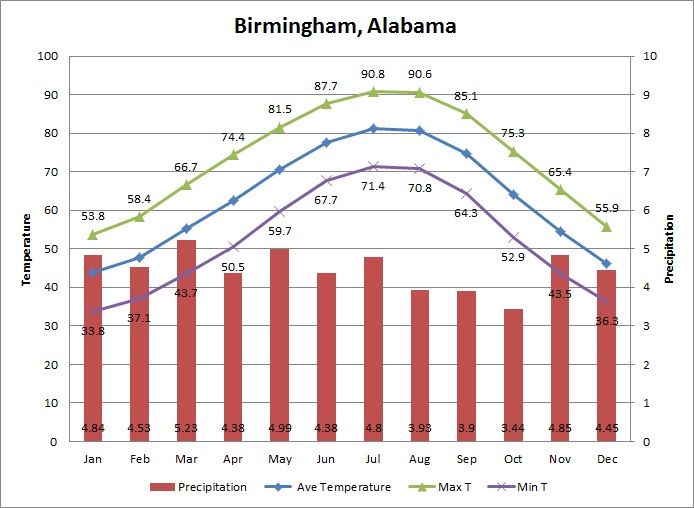
Seasonal Temperature Trends and Climate Patterns
Alabama’s weather patterns are largely dictated by its position relative to the Atlantic Ocean and the Gulf of Mexico, as well as the influence of continental air masses. The state is known for its distinct seasons, each offering a unique temperature profile and set of potential weather events.
Summer (June to August)
Summers in Alabama are consistently hot and humid. Daily average temperatures often hover in the high 80s to low 90s Fahrenheit (around 30-33 degrees Celsius), with heat indices frequently exceeding 100 degrees Fahrenheit (38 degrees Celsius) due to the high humidity. Afternoon thunderstorms are a common occurrence, providing temporary relief from the heat but also contributing to the overall moisture in the air. Coastal areas, such as those near Gulf Shores, can experience slightly higher temperatures and even more pronounced humidity. Inland cities like Montgomery and Tuscaloosa also bake under the summer sun, making hydration and seeking shade crucial for outdoor activities.
Autumn (September to November)
Autumn in Alabama is a welcome transition from the intense summer heat. September can still feel quite warm, with temperatures often remaining in the 80s Fahrenheit (around 27-30 degrees Celsius). However, as the season progresses into October and November, temperatures gradually cool down. Average daytime temperatures typically fall into the 60s and 70s Fahrenheit (15-25 degrees Celsius), with cooler evenings prompting the need for light jackets. This season is often considered one of the most pleasant times to visit, with lower humidity, comfortable temperatures, and the beautiful changing foliage in regions like the Appalachian Mountains.
Winter (December to February)
Alabama experiences mild winters, especially when compared to more northern states. Average daytime temperatures in the winter months typically range from the 40s to the 50s Fahrenheit (4-15 degrees Celsius). While frost and occasional light snowfall can occur, particularly in the northern parts of the state, severe cold snaps are rare. Coastal areas remain even milder, with temperatures seldom dropping below freezing. This makes winter a viable time for travelers seeking to escape harsher climates, though outdoor activities might be limited by cooler, damp conditions.
Spring (March to May)
Spring in Alabama is a period of renewal and pleasant weather. March can still have a lingering chill, with temperatures in the 50s and 60s Fahrenheit (10-20 degrees Celsius). However, by April and May, the weather warms up considerably, with average daytime temperatures climbing into the 70s and 80s Fahrenheit (20-30 degrees Celsius). This is a beautiful time for exploring the state, with blooming flowers and lush greenery. However, spring can also bring its share of severe weather, including thunderstorms and the potential for tornadoes, especially in April.
Regional Temperature Variations Within Alabama
While the general climate of Alabama is subtropical, regional differences in temperature and microclimates can influence the visitor experience. These variations are often tied to elevation, proximity to water bodies, and geographical features.
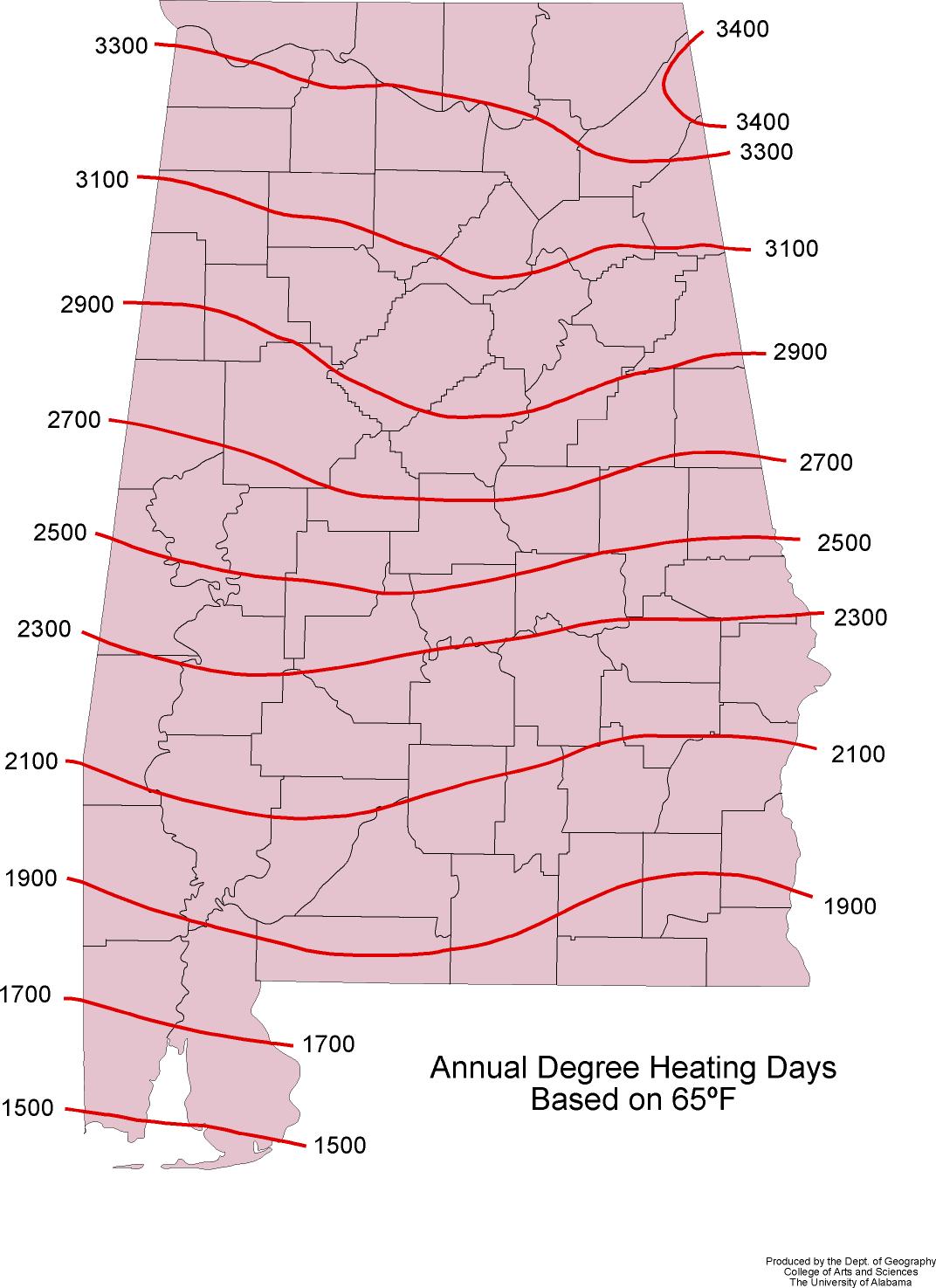
Northern Alabama
The northern region, often referred to as the “Tennessee Valley,” experiences slightly more distinct seasonal temperature shifts. Winters here can be colder, with average January highs around 50°F (10°C) and lows dipping into the 30s°F (0-4°C). Snowfall, though not significant, is more common here than in the south. Summers are hot and humid, similar to the rest of the state, with July averages in the upper 80s to low 90s°F (30-33°C). This region’s higher elevation, particularly in areas near the Cumberland Plateau, can also lead to slightly cooler temperatures during summer evenings. Cities like Huntsville, with its proximity to the mountains, can offer a slightly more temperate experience compared to the extreme south.
Central Alabama
Central Alabama, which includes the capital city of Montgomery and major urban centers like Birmingham, exhibits a classic humid subtropical climate. Summers are characterized by prolonged periods of high heat and humidity, with average July temperatures consistently in the low 90s°F (around 33°C). Winters are mild, with daytime temperatures typically in the 50s°F (10-15°C) and occasional dips below freezing overnight. Spring and fall offer the most comfortable temperatures, making them ideal for exploring attractions like the Civil Rights Memorial or the Birmingham Botanical Gardens.
Southern Alabama and the Gulf Coast
The southern portion of Alabama, particularly along the Gulf of Mexico, is influenced by the moderating effects of the sea. Summers here are intensely hot and humid, often feeling warmer than inland areas due to higher moisture content in the air. Average temperatures in July can reach the low 90s°F (around 33°C), with the heat index frequently soaring. Winters are the mildest in the state, with average January highs in the mid-60s°F (around 18°C) and lows rarely falling below freezing. This makes the coastal areas, including popular destinations like Gulf Shores and Orange Beach, attractive for year-round tourism, though the peak summer months can be very hot and prone to tropical weather systems.
Planning Your Visit: Temperature Considerations
When planning a trip to Alabama, understanding the expected temperatures for your chosen travel dates is paramount to ensuring comfort and maximizing your enjoyment of the state’s offerings.
Best Times for Outdoor Activities
For those interested in outdoor adventures, such as hiking in Cheaha State Park or exploring the Tuscaloosa Riverwalk, spring (April-May) and fall (October-November) generally offer the most favorable conditions. During these seasons, temperatures are moderate, humidity levels are lower, and the risk of severe weather is reduced. This allows for comfortable exploration of the state’s natural beauty and urban attractions.
Experiencing Alabama’s Culture and Events
Many of Alabama’s signature festivals and cultural events are held throughout the year, and temperature can play a role in the experience. For example, outdoor music festivals or historic reenactments might be more enjoyable during the cooler months of fall or spring. Summer festivals, while vibrant, often require attendees to be prepared for intense heat and humidity. Winter offers a chance to experience indoor attractions and holiday festivities in a milder climate, with the occasional chance to see a winter wonderland if snow does fall in the northern regions.
Packing Essentials Based on Temperature
Appropriate packing is key to a comfortable visit to Alabama. During the hot and humid summer months, lightweight, breathable clothing, sun protection (hats, sunscreen), and insect repellent are essential. For milder spring and fall weather, layers are advisable, including t-shirts, long-sleeved shirts, and a light jacket or sweater. Winters call for warmer attire such as sweaters, heavier jackets, and possibly gloves and a hat, especially if traveling to northern Alabama. Regardless of the season, comfortable walking shoes are a must for exploring the diverse landscapes and cities.
In conclusion, while Alabama is known for its generally warm climate, a nuanced understanding of its seasonal and regional temperature variations will greatly enhance any travel plans, allowing visitors to make the most of its rich culture, stunning nature, and welcoming hospitality.
LifeOutOfTheBox is a participant in the Amazon Services LLC Associates Program, an affiliate advertising program designed to provide a means for sites to earn advertising fees by advertising and linking to Amazon.com. Amazon, the Amazon logo, AmazonSupply, and the AmazonSupply logo are trademarks of Amazon.com, Inc. or its affiliates. As an Amazon Associate we earn affiliate commissions from qualifying purchases.