
July in Alaska is synonymous with summer’s full embrace, offering a fleeting yet vibrant period of warmth and extended daylight across the vast Last Frontier. While the term “warm” might be relative when discussing Alaska, July provides the most hospitable climate for a wide array of outdoor adventures and cultural explorations. Understanding the typical temperatures during this month is crucial for planning an unforgettable trip, from the iconic landscapes of the Kenai Peninsula to the rugged beauty of Denali National Park and Preserve.
Understanding Alaskan Climate Zones in July
Alaska’s immense size and varied topography mean that temperatures can differ significantly depending on the region. The state can be broadly divided into several climate zones, each experiencing distinct weather patterns in July. Coastal areas, influenced by the Pacific Ocean, tend to be milder, while interior regions can experience more extreme temperature fluctuations. The far north, home to the Arctic National Wildlife Refuge, remains cooler even in the height of summer.
Coastal Regions: The Inside Passage and Southcentral Alaska
The southeastern panhandle, known as the Inside Passage, and Southcentral Alaska, encompassing cities like Anchorage and Juneau, generally enjoy the mildest July weather.
- Inside Passage (e.g., Juneau, Ketchikan, Sitka): Expect average daily high temperatures to range from the mid-60s to low-70s Fahrenheit (around 18-22°C). Overnight lows typically hover in the mid-40s to low-50s Fahrenheit (around 7-12°C). While sunny days are common, this region is also prone to rain, making layers and waterproof gear essential. The humidity can make the perceived temperature feel warmer, especially during active pursuits.
- Southcentral Alaska (e.g., Anchorage, Kenai Peninsula, Valdez): This is a popular tourist hub, and July temperatures here are generally pleasant. Average highs in Anchorage often fall in the low to mid-60s Fahrenheit (16-18°C), with occasional days reaching the 70s (21°C+). The Kenai Peninsula, with its stunning fjords and opportunities for wildlife viewing, experiences similar conditions. Coastal towns like Valdez might be slightly cooler due to marine influence. Nights can still be cool, dropping into the 40s and low 50s Fahrenheit (4-10°C), so packing a warm jacket is a must.
Interior Alaska: A Land of Extremes
The interior, far from the moderating influence of the ocean, experiences the most significant temperature variations in July. Cities like Fairbanks are known for their “warm” summers.
- Interior (e.g., Fairbanks, Delta Junction): July is the warmest month for interior Alaska. Average daily highs in Fairbanks can range from the mid-60s to the mid-70s Fahrenheit (18-24°C), with temperatures frequently exceeding 80°F (27°C) and occasionally even reaching the 90s (32°C+). This warmth, combined with the nearly 24 hours of daylight, creates a unique atmosphere for exploring the vast landscapes. However, be prepared for rapid cooling after sunset, with overnight lows typically in the 40s and 50s Fahrenheit (4-10°C). Mosquitoes can be prevalent during these warmer periods, so insect repellent is highly recommended.
Western Alaska and the Arctic: Cooler and Wilder
The western and northern regions of Alaska are significantly cooler, even during July, offering a glimpse into a more extreme Arctic environment.
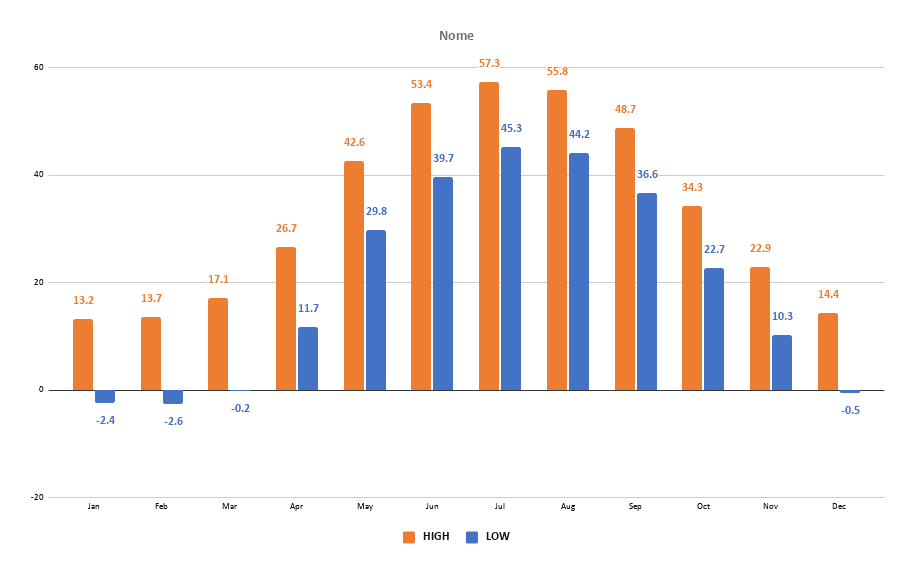
- Western Alaska (e.g., Nome, Bethel): Temperatures along the western coast, bordering the Bering Sea, remain much cooler. Average July highs here are usually in the 50s Fahrenheit (10-15°C), with breezy conditions often making it feel colder. Rainfall can be frequent, and the landscape is often characterized by tundra and a stark, beautiful coastline.
- Arctic Alaska (e.g., Utqiagvik/Barrow, Prudhoe Bay): This region is the coolest in July. Average daytime temperatures typically range from the high 40s to the low 50s Fahrenheit (8-12°C). While snow is rare at sea level, frost is still possible. The landscape is dominated by the treeless tundra, and the extended daylight hours create an otherworldly experience. Visitors should pack for cool, potentially damp conditions, even in summer.
Factors Influencing July Temperatures
Several key factors contribute to the temperature variations experienced across Alaska in July:
Proximity to the Ocean
As highlighted, coastal areas benefit from the moderating effect of the surrounding Pacific Ocean, Bering Sea, and Arctic Ocean. This oceanic influence keeps temperatures more consistent, preventing the extreme highs and lows seen in the interior. The warm waters of the Gulf of Alaska, in particular, bring milder conditions to Southcentral and Southeast Alaska.
Latitude
The further north you travel in Alaska, the cooler the temperatures will generally be, regardless of the season. This is most evident when comparing the temperatures of Anchorage with those of Utqiagvik (formerly Barrow). The Arctic regions experience perpetual daylight in July, but the sun’s angle is never high enough to significantly warm the landmass.
Elevation and Topography
Higher elevations, such as those found in mountainous areas like the Alaska Range near Denali National Park and Preserve, will always be cooler than lower-lying areas. Snow can persist year-round on the highest peaks, even in July. Valleys and sheltered areas might experience slightly warmer daytime temperatures, but the overall trend is that altitude decreases temperature.
Weather Systems
While July is generally considered the most stable weather month in Alaska, it is not immune to the influence of weather systems. Low-pressure systems can bring cloudy skies and rain, particularly to coastal areas. Interior regions can experience heat waves, while the Arctic can be affected by cold fronts moving in from the polar regions. It is always wise to check the forecast closer to your travel dates.
Preparing for an Alaskan July
Understanding the temperature ranges for your specific destination is key to packing appropriately and maximizing your experience.
Clothing Recommendations
Layering is the golden rule for visiting Alaska in July.
- Base Layers: Moisture-wicking t-shirts and long-sleeved shirts are essential.
- Mid-Layers: Fleece jackets, down vests, or sweaters provide insulation.
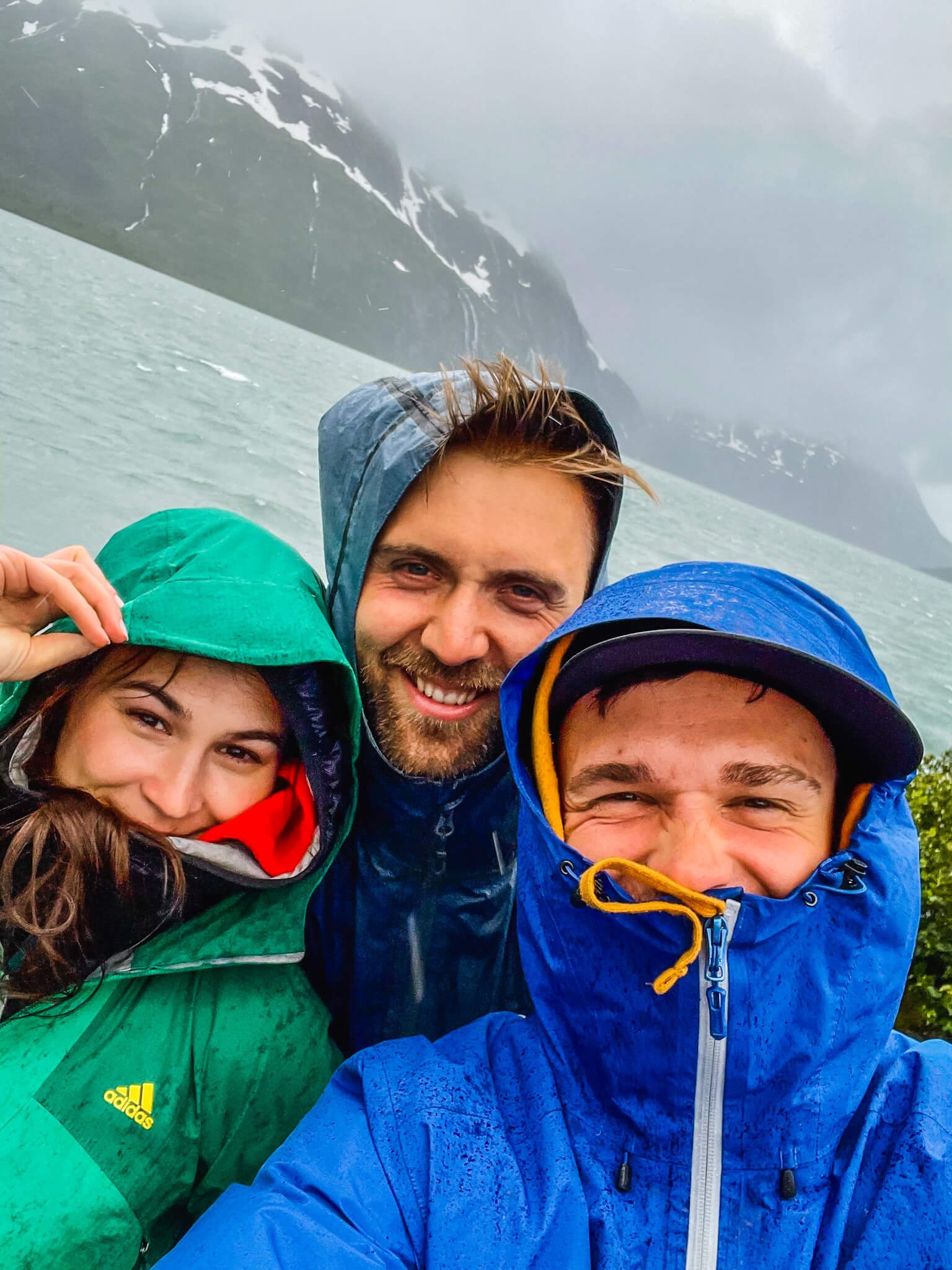
- Outer Layers: A waterproof and windproof jacket is non-negotiable, even if the forecast looks clear. Consider waterproof pants for hiking or spending extended time outdoors.
- Bottoms: Comfortable hiking pants or sturdy jeans. Shorts can be worn on warmer days in the interior but are less practical for most activities.
- Footwear: Waterproof hiking boots with good ankle support are highly recommended. Pack comfortable socks, including some wool or synthetic options.
- Accessories: A warm hat (even in July, mornings and evenings can be chilly), gloves, sunglasses, and a scarf can be very useful.
Activities and Temperature Considerations
The pleasant July temperatures open up a world of possibilities.
- Hiking and Camping: Denali National Park and Preserve, the Chugach State Park, and trails along the Kenai Peninsula are ideal for exploration. The longer daylight hours allow for extended treks.
- Wildlife Viewing: Boat tours in the Inside Passage offer chances to see whales, sea otters, and puffins. Inland, visitors might spot bears, moose, and caribou in areas like Denali.
- Cruising: Cruises through the Inside Passage are popular, with the July weather generally being more conducive to deck viewing.
- Fishing: July is an excellent month for salmon fishing in many Alaskan rivers and coastal areas.
- Exploring Cities: Anchorage, Fairbanks, and Juneau offer opportunities to explore museums, cultural centers, and local markets comfortably.
What to Expect Beyond Temperature
While temperature is a primary concern for travel planning, remember that July in Alaska also means:
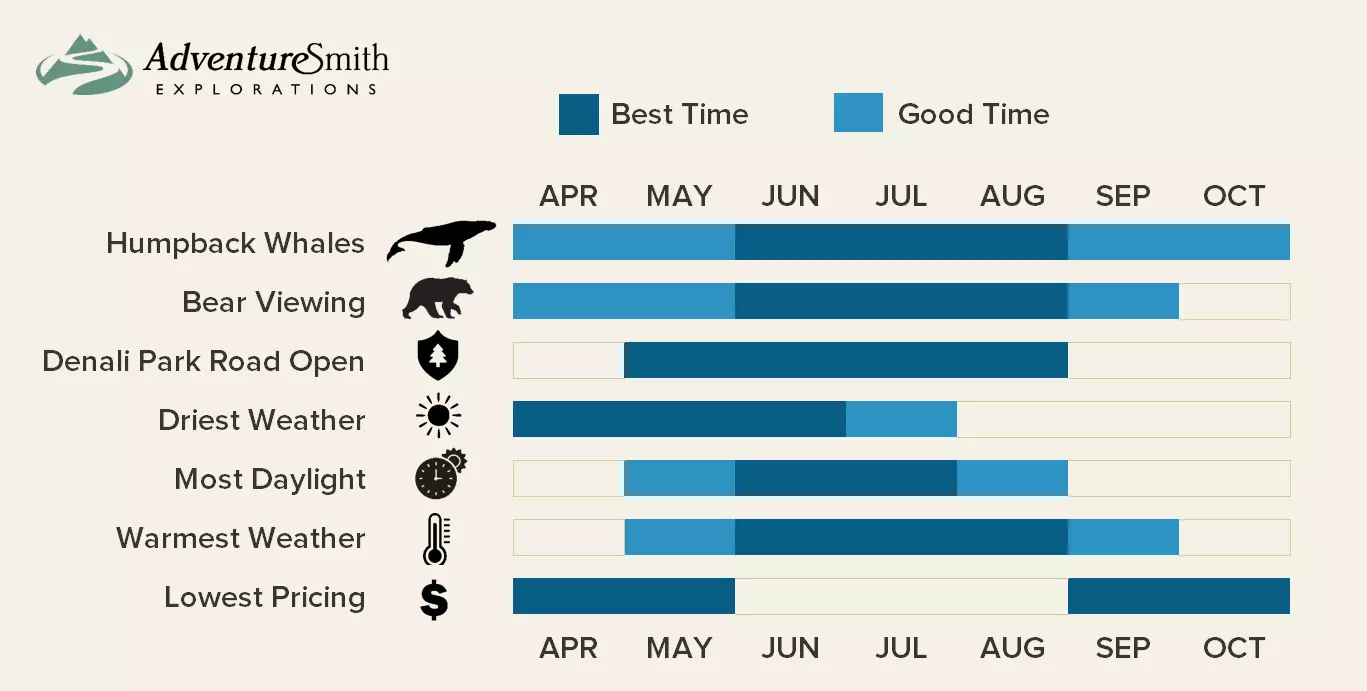
- Extended Daylight: The “Midnight Sun” phenomenon means you’ll have ample light for sightseeing well into the evening. In the far north, the sun may not set at all.
- Peak Tourist Season: July is part of the peak tourist season, so expect larger crowds at popular attractions and book accommodations and tours in advance. Consider visiting popular destinations like Denali early or late in the month for potentially fewer crowds.
- Mosquitoes: In interior and some Southcentral areas, mosquitoes can be a nuisance, particularly during warmer, still evenings. Pack effective insect repellent.
In conclusion, July offers the most comfortable and accessible weather for experiencing the diverse wonders of Alaska. From the mild coastal breezes to the surprisingly warm interior days, understanding these temperature nuances will empower you to pack wisely and fully embrace the breathtaking landscapes and unforgettable adventures that await.
LifeOutOfTheBox is a participant in the Amazon Services LLC Associates Program, an affiliate advertising program designed to provide a means for sites to earn advertising fees by advertising and linking to Amazon.com. Amazon, the Amazon logo, AmazonSupply, and the AmazonSupply logo are trademarks of Amazon.com, Inc. or its affiliates. As an Amazon Associate we earn affiliate commissions from qualifying purchases.