
Anchorage, Alaska, is a city defined by its dramatic landscapes and its unique climate. For any traveler planning an adventure to the Last Frontier, understanding the temperature in Anchorage isn’t just a matter of curiosity; it’s a critical element in packing, planning activities, and ensuring a comfortable and memorable experience. The city’s position at roughly 61 degrees North latitude means it experiences significant seasonal variations in temperature and daylight, from bone-chilling winter lows to surprisingly warm summer highs, all under the influence of the nearby Cook Inlet and the towering Chugach Mountains. Whether you’re chasing the Northern Lights, hiking through pristine wilderness, or exploring the vibrant local culture, Anchorage’s temperature dictates the rhythm of your trip and the very essence of its diverse offerings. This comprehensive guide will delve into the seasonal temperatures, what to expect, and how to best prepare for your Alaskan journey, weaving together insights on travel, accommodation, tourism, and lifestyle that are intrinsically linked to the thermometer’s mercury.
Understanding Anchorage’s Climate: A Seasonal Overview
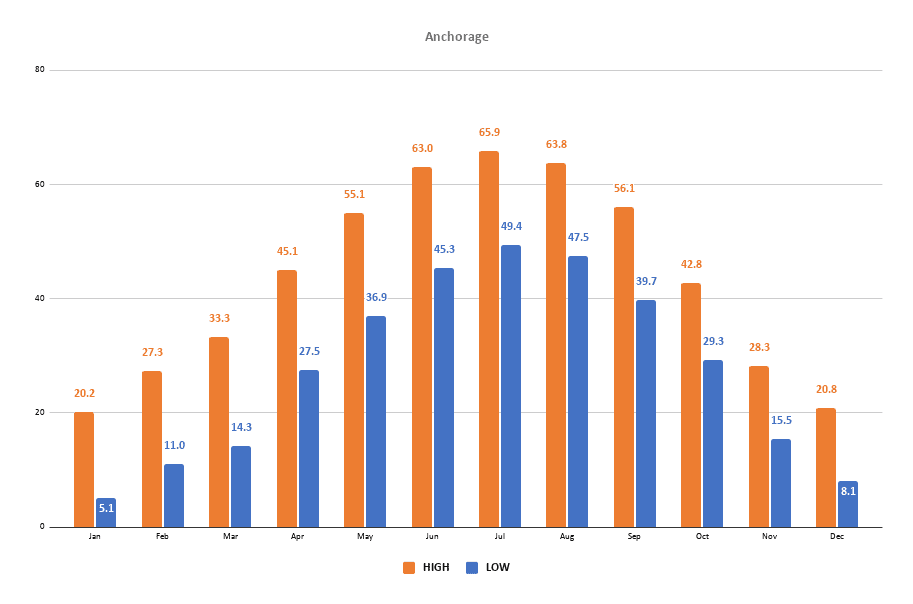
Anchorage experiences four distinct seasons, each bringing its own charm and challenges, heavily influenced by its northern latitude and coastal proximity. The average annual temperature hovers around a cool 36°F (2.2°C), but this figure belies the wide swings between summer and winter. The city’s climate is classified as subarctic, characterized by relatively mild summers and cold, snowy winters. However, the moderating effect of Cook Inlet can make Anchorage’s winters less extreme than interior Alaskan cities like Fairbanks, which often experience significantly colder temperatures.
Winter Wonderland: Embracing the Cold
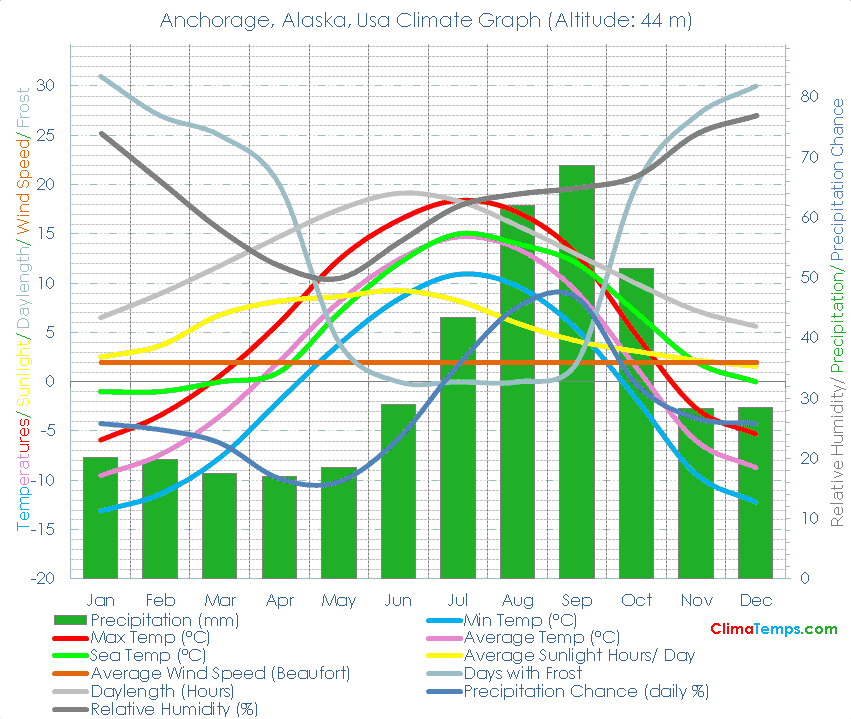
From November to March, Anchorage transforms into a quintessential winter wonderland. Temperatures during these months typically range from lows of 5°F (-15°C) to highs of 25°F (-4°C). January is usually the coldest month, often seeing averages around 10°F (-12°C). While these temperatures may sound daunting, the dry cold often feels more manageable than humid cold found elsewhere. Snowfall is abundant, averaging around 75 inches (190 cm) annually, creating a pristine white landscape perfect for winter sports. Daylight hours are significantly reduced, especially around the winter solstice in December, when the city sees only about 5.5 hours of daylight. This period, however, is prime time for witnessing the ethereal Northern Lights dancing across the dark skies, a truly unparalleled experience for any traveler. Proper layering of clothing, including thermal underwear, insulated outerwear, hats, gloves, and waterproof boots, is absolutely essential for enjoying outdoor activities safely and comfortably. Many hotels and resorts, such as the Hotel Captain Cook or the Hilton Anchorage, are well-equipped to provide a warm sanctuary after a day in the frosty air, often featuring cozy lounges and heated pools.
Spring’s Gentle Thaw: A Period of Transition
Spring in Anchorage, spanning April and May, is a period of dramatic transition. Temperatures begin to climb, ranging from 25°F (-4°C) to 45°F (7°C), with April typically seeing averages in the 30s°F (around 0°C) and May pushing into the 40s°F (4-9°C). Snow melts, revealing green landscapes and the first signs of blooming flora. Daylight hours rapidly increase, offering more time for exploration. While the weather can still be unpredictable, with late-season snowfalls not uncommon, this time of year offers a unique opportunity to witness Alaska reawaken. Many local events and outdoor attractions start to emerge from winter dormancy. Travelers should pack versatile layers, including waterproof outer shells, as spring can bring a mix of rain, snow, and sunshine. This shoulder season can also offer more favorable accommodation rates before the peak summer rush, making it an attractive option for budget-conscious travelers looking for a blend of winter and summer experiences.
Summer’s Midnight Sun: Peak Travel Season
June, July, and August represent Anchorage’s summer, a vibrant and popular time to visit. Temperatures are at their warmest and most comfortable, typically ranging from 50°F (10°C) to 70°F (21°C). July is the warmest month, with average highs often reaching the low 70s°F (20-22°C). While not excessively hot, the dry air and abundant sunshine make these temperatures feel very pleasant. What truly defines Alaskan summer is the incredible amount of daylight; around the summer solstice in June, Anchorage experiences nearly 19 hours of daylight, with twilight extending through the “midnight sun” hours, making for exceptionally long days perfect for outdoor adventures. This is peak tourism season, with all attractions, tours, and services operating at full capacity. Packing layers is still advisable, as evenings can be cool, and mountain weather can change quickly. Comfortable walking shoes, insect repellent, and sunglasses are also essential. Hotels like The Lakefront Anchorage, with its scenic views, become bustling hubs for visitors eager to explore.
Autumn’s Golden Hues: Preparing for Winter
September and October usher in autumn, a breathtaking season characterized by vibrant fall foliage and crisp air. Temperatures gradually cool, dropping from 40°F (4°C) to 55°F (13°C) in September to 25°F (-4°C) to 40°F (4°C) in October. While September can still offer mild, pleasant days, October quickly ushers in winter-like conditions with increasing chances of snow. Daylight hours begin to noticeably shorten, returning to a more typical pattern. This shoulder season offers stunning photographic opportunities with the changing colors of the tundra and forests. It’s also a fantastic time for wildlife viewing as animals prepare for winter. Travelers should be prepared for a wide range of temperatures and precipitation, packing warm layers, waterproof gear, and sturdy footwear. As the crowds thin out compared to summer, autumn can provide a more serene and reflective travel experience, often with competitive rates for accommodation and tours before the full winter season descends.
Planning Your Anchorage Adventure: Weather-Wise Travel Tips
The variable temperatures in Anchorage necessitate careful planning to ensure a comfortable and enjoyable trip. Understanding the seasonal nuances and packing appropriately are key to maximizing your experience in this captivating destination.
Packing Essentials for Every Season
Regardless of when you visit, layering is the golden rule for dressing in Anchorage. The weather can change quickly, especially when exploring different elevations or moving between sun and shade.
- Base Layers: Moisture-wicking thermals (wool or synthetic) are crucial for regulating body temperature, especially in cooler months.
- Mid-Layers: Fleece jackets, sweaters, or down vests provide insulation.
- Outer Layers: A waterproof and windproof jacket is essential year-round. In winter, opt for a heavily insulated, waterproof parka.
- Bottoms: Sturdy hiking pants are good for summer; insulated, waterproof snow pants are necessary for winter activities.
- Footwear: Waterproof hiking boots are indispensable for summer trails. In winter, warm, insulated, waterproof boots with good traction are a must.
- Accessories: Hats, gloves or mittens (especially insulated and waterproof for winter), scarves, and warm socks are vital. Sunglasses are important year-round due to glare from snow or bright summer sun. Sunscreen is also wise, particularly with snow reflection in winter.
- Insect Repellent: A must-have for summer months, especially when venturing into natural areas.
Best Times to Visit for Specific Activities
Your preferred activities will heavily influence the best time to visit Anchorage based on temperature:
- Winter Sports & Northern Lights (November – March): For skiing, snowboarding at Alyeska Resort, ice skating at Delaney Park, dog sledding, or witnessing the Aurora Borealis, the colder, darker winter months are ideal. Temperatures facilitate snow and ice, creating perfect conditions for these activities. Consider late February or March for slightly longer daylight hours while still maintaining good chances for Northern Lights.
- Hiking, Fishing & Wildlife Viewing (June – August): The warmer summer temperatures unlock the vast outdoor opportunities. This is the prime time for exploring Chugach State Park, hiking Flattop Mountain, cycling the Tony Knowles Coastal Trail, fishing for salmon, and spotting bears, moose, and eagles. The comfortable temperatures and extensive daylight allow for prolonged outdoor adventures. Boat tours to see glaciers and marine wildlife from nearby Seward or Whittier are also best enjoyed in summer.
- Fall Foliage & Fewer Crowds (September): If stunning landscapes bathed in autumnal colors are your priority, September offers moderate temperatures and vibrant scenery, with fewer tourists than the peak summer months. It’s a great time for scenic drives along the Seward Highway or exploring Hatcher Pass.
Experiencing Anchorage: Activities & Attractions by Temperature
Anchorage’s temperature profoundly impacts the availability and enjoyment of its myriad attractions and activities. From exhilarating outdoor adventures to enriching indoor cultural experiences, there’s something for every season and every traveler.
Winter Sports and Northern Lights Chasing
When the temperatures drop and snow blankets the city, Anchorage truly shines as a winter sports hub. Kincaid Park offers miles of groomed cross-country ski trails, while the nearby Alyeska Resort in Girdwood provides world-class downhill skiing and snowboarding. Dog sledding experiences, from short tours to multi-day expeditions, are quintessential Alaskan adventures, often found just outside the city limits. For those dreaming of the Aurora Borealis, colder, clear winter nights away from city lights (like those found towards Talkeetna or on guided tours) offer the best chances. Many local operators provide specialized tours designed to maximize aurora viewing opportunities, often including warm cabins and hot beverages. Even ice fishing on frozen lakes becomes a popular pastime, showcasing the rugged Alaskan lifestyle.
Summer Hiking, Fishing, and Wildlife Viewing
With warmer temperatures and endless daylight, summer unlocks a vast playground for outdoor enthusiasts. Hikers flock to trails in Chugach State Park, from easy walks to challenging ascents like Flattop Mountain, offering panoramic views of the city, Cook Inlet, and surrounding peaks. The Tony Knowles Coastal Trail is perfect for walking or biking, providing stunning water views and frequent moose sightings. Fishing charters depart daily for salmon and halibut, offering thrilling angling experiences in the waters surrounding Anchorage. Wildlife viewing is abundant; consider a trip to the Alaska Wildlife Conservation Center for guaranteed sightings of bears, moose, musk ox, and other iconic Alaskan animals. Day trips to Portage Glacier or longer excursions to Denali National Park and Kenai Fjords National Park are also popular summer activities, offering unparalleled access to Alaska’s natural wonders.
Year-Round Indoor Attractions and Cultural Experiences
Regardless of the temperature outside, Anchorage offers a wealth of indoor attractions and cultural experiences. The Anchorage Museum provides a deep dive into Alaskan art, history, and science, with interactive exhibits suitable for all ages. The Alaska Native Heritage Center offers an invaluable insight into the diverse indigenous cultures of Alaska, featuring traditional Native dwellings, craft demonstrations, and dance performances. For those interested in aviation history, the Alaska Aviation Museum showcases the pivotal role of aircraft in Alaska’s development. Local breweries and distilleries offer tours and tastings, providing a warm and convivial atmosphere. Shopping for local crafts and souvenirs, enjoying live music, or indulging in Anchorage’s burgeoning culinary scene are also excellent ways to spend time, especially when the weather isn’t cooperating for outdoor activities. These venues ensure that the city’s rich history and vibrant community spirit can be experienced comfortably, regardless of the thermometer’s reading.

Accommodations and Lifestyle: Finding Your Comfort in Anchorage
Anchorage offers a diverse range of accommodations and a unique lifestyle, both influenced by its climate. From luxurious resorts to cozy lodges, choices abound to suit every traveler’s preference and the demands of the temperature outside.
Hotels and Resorts for Every Budget
The accommodation landscape in Anchorage caters to a wide spectrum of needs, ensuring comfort whether you’re seeking warmth in winter or a base for summer adventures. Downtown Anchorage boasts several full-service hotels, such as the Marriott Anchorage Downtown or the Embassy Suites by Hilton Anchorage, which offer modern amenities, fine dining, and convenient access to museums and cultural sites. Many of these hotels are equipped with indoor pools, fitness centers, and heated parking, providing essential comforts during the colder months. For those looking for a more unique experience, boutique hotels and charming bed & breakfasts can be found, offering personalized service and local character. During summer, many lodges and cabins outside the city center, particularly near recreational areas like Eklutna Lake or Symphony Lake, open their doors, providing rustic charm amidst natural beauty. These often come with amenities like outdoor fire pits and barbecue areas, perfect for enjoying the long summer evenings. Budget-friendly options, including hostels and extended-stay apartments, are also available, particularly appealing to long-term visitors or those managing their travel expenses carefully.
Dining and Local Culture: Warming Up with Alaskan Flavors
Anchorage’s culinary scene is a reflection of its environment and diverse population. With access to fresh Alaskan seafood, wild game, and locally sourced ingredients, the city offers a fantastic array of dining experiences. In colder months, the focus shifts to hearty, warming dishes. Think king crab legs, halibut cheeks, wild salmon prepared in various ways, and game meats like elk or caribou, often served in cozy restaurants with roaring fireplaces. Local breweries offer robust stouts and porters, perfect for warming up after a day in the snow. During summer, the emphasis expands to lighter fare, outdoor dining, and bustling farmers’ markets. Food trucks emerge, offering everything from gourmet tacos to reindeer sausage. The local culture is deeply intertwined with the seasons and the temperature. Winter brings community events like the Fur Rendezvous Festival and the start of the Iditarod Trail Sled Dog Race, fostering a resilient, convivial atmosphere. Summer is marked by outdoor concerts, art fairs, and a general celebratory mood as residents make the most of the long daylight hours. Engaging with this local culture, often over a shared meal or at a community event, provides a deeper appreciation for how Anchorage residents embrace and thrive in their unique climate.
Navigating Anchorage: Transportation and Local Insights
Efficient navigation around Anchorage, whether by road, public transport, or foot, also depends on understanding the temperature and prevailing weather conditions. During winter, roads can be icy, requiring caution and often four-wheel drive vehicles, especially for trips outside the city center. Public transportation, including the People Mover bus system, operates year-round but can experience delays during heavy snowfall. Taxis and ride-sharing services are available but might be more expensive during peak winter conditions. In summer, the extensive daylight and milder temperatures make walking and cycling incredibly enjoyable, particularly on trails like the Tony Knowles Coastal Trail. Rental cars are highly recommended for exploring beyond the city limits, offering the flexibility to visit nearby attractions such as the Alaska Wildlife Conservation Center or scenic points along the Seward Highway. Local insights suggest that for winter travel, always keep an emergency kit in your vehicle, including extra warm clothes, blankets, and a shovel. In summer, reserving rental cars and popular tours well in advance is crucial, as demand is high. Locals are accustomed to the temperature fluctuations and are often happy to offer advice on current conditions and best practices, enhancing your overall travel experience in Anchorage.
In conclusion, the temperature in Anchorage, Alaska, is not merely a number; it is the heartbeat of the city, dictating everything from daily routines to grand travel itineraries. By understanding its seasonal variations and preparing accordingly, visitors can unlock the full potential of this extraordinary destination, whether it’s embracing the magical chill of a Northern Lights winter or basking in the endless daylight of a summer hiking expedition. Anchorage promises an unforgettable adventure, no matter what the thermometer reads.
LifeOutOfTheBox is a participant in the Amazon Services LLC Associates Program, an affiliate advertising program designed to provide a means for sites to earn advertising fees by advertising and linking to Amazon.com. Amazon, the Amazon logo, AmazonSupply, and the AmazonSupply logo are trademarks of Amazon.com, Inc. or its affiliates. As an Amazon Associate we earn affiliate commissions from qualifying purchases.