
Understanding the temperature in Aurora, Colorado is paramount for any traveler planning a visit to this vibrant high-plains city. Situated just east of Denver, Aurora experiences a semi-arid climate characterized by significant seasonal variations and often dramatic daily temperature swings. Its proximity to the Rocky Mountains and its elevation—averaging around 5,400 feet (1,646 meters)—play critical roles in shaping its weather patterns. For those looking to explore Aurora’s diverse attractions, from its expansive parks to its thriving culinary scene, knowing what to expect from the mercury is the first step toward a well-prepared and enjoyable trip.
Decoding Aurora’s Diverse Climate
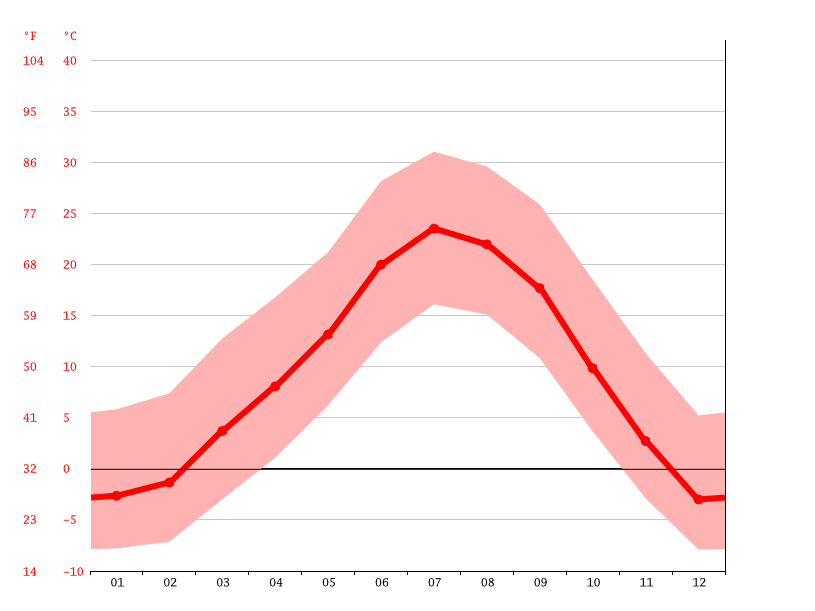
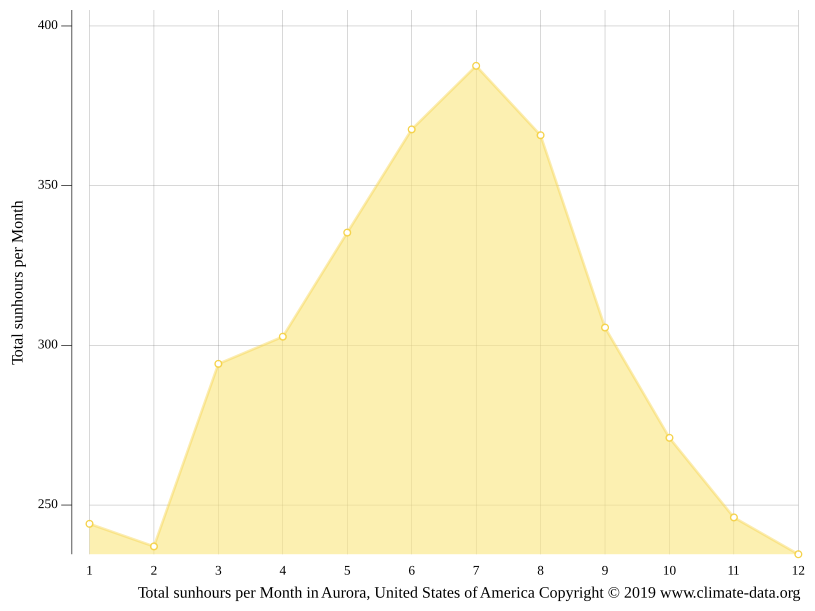
Aurora, Colorado’s climate is a fascinating study in contrasts, offering visitors a unique experience regardless of the season. The city enjoys over 300 days of sunshine annually, a significant draw for outdoor enthusiasts. However, this abundance of sun can be accompanied by brisk winds and rapid changes in weather conditions, often within a single day. The continental influence means hot summers and cold winters, yet the aridity ensures low humidity, making even extreme temperatures feel more manageable than in more humid climates. Travelers often underestimate the impact of high altitude on weather; thinner air means temperatures can rise and fall more quickly, and the sun’s intensity is stronger. This dynamic environment necessitates a flexible approach to packing and activity planning, ensuring comfort and safety throughout your stay.
Seasonal Breakdown: What to Expect When You Visit Aurora
Each season in Aurora presents a distinct temperature profile and a unique set of travel opportunities. Preparing for these variations is key to maximizing your experience.
Summer (June-August): Warm Days, Cool Nights
Summer in Aurora is typically warm and sunny, with average daytime high temperatures often ranging from the mid-80s to low 90s Fahrenheit (29-34°C). However, the high desert climate ensures that evenings cool down considerably, often dropping into the 50s or low 60s Fahrenheit (10-17°C). This significant diurnal temperature swing makes for pleasant evenings perfect for outdoor dining or strolling through areas like the Southlands Lifestyle Center. Thunderstorms, often brief but intense, are common in the late afternoon, bringing welcome relief from the heat. Humidity remains low, preventing the oppressive mugginess found in other summer destinations.
For travelers, summer is ideal for exploring Cherry Creek State Park, enjoying water sports on Cherry Creek Reservoir, or hiking in the nearby foothills during cooler mornings. Packing light, breathable clothing for the day is essential, but a light jacket or sweater is a must for evenings and air-conditioned indoor spaces. Sunscreen, hats, and sunglasses are non-negotiable due to the intense high-altitude sun.
Autumn (September-November): Crisp Air and Vibrant Colors
Autumn offers some of the most beautiful weather in Aurora, characterized by comfortable daytime temperatures and increasingly crisp evenings. September often feels like an extension of summer, with highs in the 70s Fahrenheit (21-26°C), gradually transitioning to the 50s and 60s Fahrenheit (10-18°C) by October and November. Nights can become quite chilly, sometimes dipping below freezing by late October. This is also the season for breathtaking fall foliage, especially in areas bordering the Rocky Mountains or a scenic drive to Rocky Mountain National Park.
Travelers during autumn should plan for layering. A medium-weight jacket, sweaters, and long-sleeved shirts are crucial to adapt to the fluctuating temperatures throughout the day. This season is perfect for scenic drives, visiting pumpkin patches, or enjoying outdoor festivals before the winter chill sets in. The clear, sunny days make for excellent photography opportunities of the changing landscapes.
Winter (December-February): Snowy Landscapes and Sunny Days
Winter in Aurora can be cold, with average high temperatures often hovering around the 40s Fahrenheit (4-9°C) and nighttime lows frequently falling into the teens or single digits Fahrenheit (-12 to -7°C). Snowfall is common, transforming the city into a picturesque winter wonderland. However, what surprises many visitors is the frequent return of “false springs” – periods of mild, sunny weather, sometimes reaching into the 50s or 60s Fahrenheit (10-18°C), that can melt snow quickly. These warm spells are often followed by a rapid return to colder temperatures and more snow.
For winter visitors, heavy winter gear is essential: a warm, waterproof coat, thermal layers, hats, gloves, and waterproof boots. This preparation allows for enjoyment of activities like ice skating, visiting nearby ski resorts such as Eldora Mountain Resort or Loveland Ski Area, or simply admiring the snow-dusted landscapes. Despite the cold, the abundant sunshine often makes winter days feel less harsh than in other snowy regions.
Spring (March-May): Unpredictable but Beautiful
Spring in Aurora is perhaps the most unpredictable season, a true mix of all four seasons in one. March can often feel like a continuation of winter, bringing some of the heaviest snowfalls of the year. Temperatures gradually warm, with average highs ranging from the 40s Fahrenheit (4-9°C) in early spring to the 60s and 70s Fahrenheit (15-26°C) by May. Nights remain cool, often below freezing in March and April. The term “second winter” is aptly applied to early spring, where warm days can quickly revert to snowstorms.
Travelers visiting in spring must be prepared for anything. Layering is more critical than ever, with waterproof outer shells, sweaters, and both short and long-sleeved shirts being necessary. Activities range from early-season hiking and exploring the budding beauty of local parks to enjoying indoor attractions like the Wings Over the Rockies Air & Space Museum or venturing to the nearby Denver Art Museum on colder or wetter days. The unpredictability is part of the charm, as each day can offer a unique weather experience.
Daily Temperature Swings and Altitude Considerations
One of the most defining characteristics of Aurora’s temperature profile is the significant diurnal temperature range—the difference between the highest and lowest temperatures within a 24-hour period. It is not uncommon for temperatures to swing by 30-40 degrees Fahrenheit (17-22°C) between day and night, especially in summer and autumn. This is primarily due to the city’s high altitude and dry air, which allows the ground to heat up quickly during the day and radiate heat away rapidly after sunset.
For travelers, this means that even on a hot summer day, evenings can be surprisingly cool, requiring an extra layer. Conversely, winter mornings can be frigid, but strong afternoon sun can make temperatures feel much warmer. Furthermore, the high altitude itself can affect how temperatures are perceived. The sun’s rays are more intense, so even a moderately warm day can feel hotter if you’re not acclimatized or protected. Dehydration can also exacerbate the effects of both heat and cold. Staying well-hydrated is crucial, as is applying sunscreen generously, regardless of the season. Take it easy on your first day or two to allow your body to adjust to the elevation before embarking on strenuous activities.
Planning Your Aurora Trip Around the Weather
Successful travel to Aurora hinges on a realistic understanding of its dynamic weather. While the general seasonal trends provide a good starting point, always check the specific forecast closer to your travel dates. Websites and apps dedicated to weather forecasting are highly accurate for the Denver metro area and will give you the most up-to-date information for Aurora.
Consider the primary purpose of your visit. If you’re coming for outdoor adventures like hiking or exploring Cherry Creek State Park, aim for late spring, summer, or early autumn. If skiing or snowboarding at nearby resorts like Eldora Mountain Resort or Loveland Ski Area is on your agenda, winter is your season, but be prepared for cold and snow. Those interested in urban exploration, dining, and indoor attractions might find early spring or late autumn appealing, as tourist crowds are often thinner, and mild days can still surprise you.
Always pack layers. This cannot be stressed enough for Aurora. A base layer, a mid-layer (fleece or sweater), and a waterproof/windproof outer shell will prepare you for almost any shift in temperature or precipitation. Don’t forget comfortable walking shoes, as many of Aurora’s attractions are best explored on foot. Even if the forecast calls for clear skies, a small umbrella can be a handy addition, particularly during the spring and summer thunderstorm season.

Key Weather Resources for Aurora Visitors
Before and during your trip to Aurora, Colorado, leverage reliable weather resources. National weather services (National Weather Service), reputable weather apps (like AccuWeather or The Weather Channel), and local Denver/Aurora news channels offer detailed forecasts, including hourly breakdowns, wind chill, and precipitation probabilities. Many hotels, such as the Gaylord Rockies Resort & Convention Center, provide localized weather information for their guests. Being informed will ensure that your itinerary remains flexible and that you are appropriately dressed for whatever the skies over Aurora decide to deliver.
LifeOutOfTheBox is a participant in the Amazon Services LLC Associates Program, an affiliate advertising program designed to provide a means for sites to earn advertising fees by advertising and linking to Amazon.com. Amazon, the Amazon logo, AmazonSupply, and the AmazonSupply logo are trademarks of Amazon.com, Inc. or its affiliates. As an Amazon Associate we earn affiliate commissions from qualifying purchases.