
When planning a visit to a new city, understanding the local climate is paramount to ensuring a comfortable and enjoyable experience. For travelers considering a trip to Birmingham, Alabama, knowing the typical temperatures throughout the year will significantly influence packing choices, activity planning, and overall itinerary. Birmingham, a vibrant city nestled in the heart of the Deep South, boasts a climate characteristic of its geographic location: a humid subtropical environment with distinct seasons.
This guide will delve into the nuances of Birmingham‘s weather, providing insights that will help you prepare for your adventure, whether you’re seeking outdoor exploration, cultural immersion, or simply a relaxing getaway. We will explore the average temperatures for each season, highlight the best times to visit based on weather, and offer practical advice for packing and enjoying the city’s offerings, regardless of the mercury’s reading. From sweltering summer days to crisp autumn evenings, understanding the meteorological tapestry of Birmingham is key to unlocking its full potential as a travel destination.
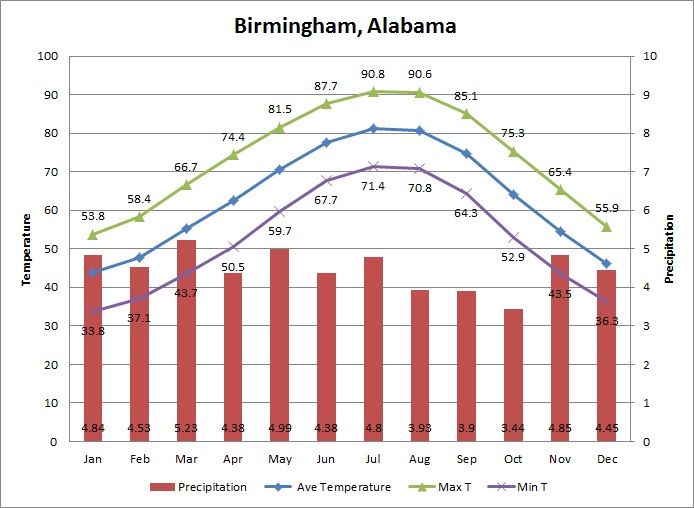
Understanding Birmingham’s Seasonal Climate
Birmingham, Alabama, experiences a four-season climate, each with its unique characteristics and temperature ranges. This variation offers travelers different experiences throughout the year, from the lush, warm months to the cooler, more temperate periods.
Spring: A Gentle Awakening
Spring in Birmingham typically begins in March and extends through May, marking a gradual transition from the chill of winter to the warmth of summer. During this period, temperatures start to rise steadily, offering pleasant conditions for outdoor activities.
- March: The month often sees a noticeable shift. Early March can still be cool, with average daily temperatures hovering around 50-60°F (10-16°C). By late March, temperatures begin to climb, reaching into the 60s and occasionally the 70s°F (16-24°C). It’s a time when the city starts to shed its winter coat, with blooming flowers and budding trees bringing a splash of color to the landscape.
- April: April is generally one of the most delightful months in Birmingham for weather. Average daily temperatures are comfortably in the 60-70°F (16-21°C) range, with daytime highs frequently reaching into the mid-70s°F (24°C). Evenings remain mild, making them perfect for strolling through neighborhoods or enjoying al fresco dining. Rainfall can be present, but it often comes in the form of showers that clear relatively quickly.
- May: As spring reaches its peak in May, the temperatures begin to climb further, signaling the approach of summer. Average daily temperatures often sit between the mid-70s and low 80s°F (24-27°C), with daytime highs frequently exceeding 80°F (27°C). Humidity starts to become more noticeable, but the overall weather remains conducive to exploring attractions like the Birmingham Botanical Gardens or the Ruffner Mountain Nature Preserve.
Spring is an excellent time for visitors who prefer milder weather and want to avoid the peak heat of summer. It’s ideal for exploring Birmingham‘s numerous parks, hiking trails, and outdoor markets.
Summer: Embracing the Heat
Summer in Birmingham, from June to August, is characterized by significant heat and humidity, a hallmark of the Deep South. This season is for those who can tolerate or even enjoy warmer conditions and are looking for a lively city experience with plenty of indoor and outdoor options.
- June: June marks the official start of summer, and the temperatures quickly reflect this. Average daily temperatures are typically in the 80s°F (27-32°C), with daytime highs frequently pushing into the 90s°F (32-37°C). Humidity levels are high, often making the air feel even warmer. Afternoon thunderstorms are common, offering a temporary respite from the heat before the muggy conditions return.
- July: July is usually the hottest month in Birmingham. Average daily temperatures consistently range from the mid-80s to the high 80s°F (29-31°C), with heat index values often soaring into the triple digits due to humidity. It’s crucial to stay hydrated and seek air-conditioned environments during the peak heat of the day. This is a good time for visiting indoor attractions like the McWane Science Center or exploring the Birmingham Civil Rights Institute.
- August: August remains very hot and humid, similar to July. Average daily temperatures are in the mid-80s°F (29-32°C), with highs often reaching into the 90s°F (32-37°C). While the heat is intense, the evenings do offer some relief, with temperatures dropping into the comfortable 70s°F (21-26°C). The threat of afternoon thunderstorms persists throughout the month.
Despite the heat, summer is a popular time to visit Birmingham, especially for those planning activities around events or seeking a more energetic city vibe. It’s advisable to plan outdoor excursions for the cooler parts of the day, such as early mornings or late afternoons.
Autumn: A Golden Transition
Autumn in Birmingham, spanning September through November, is widely considered one of the most beautiful and comfortable times to visit. The oppressive heat and humidity of summer gradually subside, replaced by crisp air and vibrant foliage.
- September: September still carries some of the summer’s warmth, especially in its early weeks. Average daily temperatures can be in the high 70s to low 80s°F (26-28°C). However, as the month progresses, the air begins to cool, and the humidity starts to decrease. Days remain warm and sunny, while evenings become noticeably more pleasant.
- October: October is often heralded as the jewel of Birmingham‘s autumn. Average daily temperatures are comfortably in the 60s and low 70s°F (16-23°C), with daytime highs in the mid-70s°F (24°C) and evening lows dipping into the 50s°F (10-15°C). The fall foliage typically reaches its peak in October, transforming the city’s parks and surrounding hills into a breathtaking display of reds, oranges, and yellows. This is an ideal time for exploring Oak Mountain State Park or driving along scenic routes.
- November: November sees a continued cooling trend. Average daily temperatures range from the 50s to low 60s°F (10-17°C), with daytime highs often in the 60s°F (16-21°C) and nighttime lows dropping into the 40s°F (4-9°C). The air is crisp and clear, making it perfect for outdoor activities. By late November, the first hints of winter’s chill may begin to appear.
Autumn is an excellent season for travelers who appreciate mild weather, stunning natural beauty, and a less crowded atmosphere than peak summer. It’s perfect for engaging in activities like visiting the Vulcan Park and Museum or enjoying the culinary scene at local restaurants.
Winter: A Mild Interlude
Winter in Birmingham, from December to February, is generally mild compared to many other parts of the United States. While there are cold days, prolonged periods of severe freezing temperatures are uncommon.
- December: December brings cooler temperatures as winter sets in. Average daily temperatures are typically in the 40s and low 50s°F (4-10°C), with daytime highs often in the 50s°F (10-15°C) and nighttime lows dipping into the 30s°F (0-4°C). Light freezes are possible, and occasional light snow or sleet can occur, though significant accumulation is rare. Holiday decorations and events add a festive charm to the city.
- January: January is usually the coldest month of the year in Birmingham. Average daily temperatures are in the high 30s to low 40s°F (3-7°C). Daytime highs might reach the 40s or low 50s°F (4-10°C), while overnight lows frequently drop below freezing, into the 20s°F (-7 to -1°C). While cold, the weather is rarely extreme, and opportunities for outdoor exploration still exist, provided one dresses warmly.
- February: February continues the winter chill, though temperatures begin to show a slight upward trend towards the end of the month. Average daily temperatures are similar to January, in the 40s°F (4-9°C). Daytime highs often hover in the 50s°F (10-15°C), and overnight lows can still dip below freezing. By the end of February, the first signs of spring, such as early blooming flowers, may start to appear.
Winter in Birmingham can be a quieter time to visit, offering a more relaxed pace and potentially lower accommodation prices. It’s suitable for those who don’t mind cooler weather and are interested in exploring the city’s historical sites, museums, and indoor attractions.

Best Times to Visit Birmingham, Alabama
Considering the seasonal temperature variations, certain periods stand out as ideal for visiting Birmingham, Alabama, depending on your preferences.
Spring and Autumn: The Sweet Spots
The shoulder seasons of Spring (April-May) and Autumn (September-October) consistently emerge as the most favorable times to visit Birmingham for a majority of travelers. During these months, the weather strikes a perfect balance, offering comfortable temperatures that are neither too hot nor too cold.
- Spring (April-May): These months boast average daily temperatures ranging from the pleasant 60s to the low 80s°F (16-27°C). The humidity is moderate, and the city is alive with blooming flora, making it an excellent time for outdoor exploration. It’s perfect for leisurely strolls through Railroad Park, visiting attractions like the Birmingham Museum of Art, or enjoying the various festivals that often take place during this period. The risk of severe weather is lower than in the summer months.
- Autumn (September-October): This period offers a refreshing escape from the summer heat. Average daily temperatures typically fall between the 60s and 70s°F (16-23°C), with crisp mornings and mild afternoons. The stunning fall foliage provides a picturesque backdrop for any visit. Activities like hiking in the Cheaha State Park (a bit of a drive but worth it) or exploring the historic Five Points South district are particularly enjoyable. The lower humidity also makes for more comfortable exploration of the city’s many outdoor landmarks.
Summer Considerations
While summer (June-August) is undeniably hot and humid, with average temperatures frequently in the 80s and 90s°F (27-37°C), it is not without its appeal. For those who can withstand the heat or plan their activities strategically, summer offers a vibrant atmosphere.
- Beat the Heat: To make the most of a summer visit, plan outdoor activities for the cooler parts of the day – early mornings and late evenings. Utilize the midday hours for air-conditioned attractions such as the Barber Vintage Motorsports Museum, the Southern Museum of Flight, or enjoying the culinary delights of Birmingham‘s renowned food scene. Afternoon thunderstorms, while common, can offer a temporary reprieve from the heat.
- Event Focused Travel: Summer is often a period with numerous events, festivals, and outdoor concerts in Birmingham. If your travel is driven by a specific event, the summer heat might be a secondary concern.
Winter Opportunities
Winter (December-February) presents a quieter, potentially more budget-friendly travel window. With average temperatures ranging from the 40s to low 50s°F (4-10°C), it’s far from harsh.
- Cozy City Exploration: This is an ideal time to focus on Birmingham‘s rich history and culture. Explore indoor attractions like the Kelly Ingram Park, a significant site in the Civil Rights Movement, or delve into the exhibits at the Sloss Furnaces National Historic Landmark. The city’s restaurants and theaters also provide warm and inviting environments.
- Festive Atmosphere: The holiday season in December adds a special charm to Birmingham, with decorations and events creating a festive mood, even amidst cooler temperatures.
Ultimately, the “best” time to visit Birmingham depends on individual preferences. However, for a combination of pleasant weather and a wide array of activities, Spring and Autumn generally offer the most agreeable conditions.
Packing and Preparing for Birmingham’s Climate
Regardless of when you choose to visit Birmingham, Alabama, proper preparation and packing are essential for a comfortable and enjoyable trip. Understanding the prevailing weather patterns will guide your choices and ensure you’re ready for whatever the Deep South climate throws your way.
Dressing for the Seasons
- Spring: Pack light layers. Include t-shirts, long-sleeved shirts, a light jacket or cardigan, and a pair of comfortable walking shoes. A pair of jeans or trousers and some shorts will also be useful. Don’t forget a light umbrella or a packable raincoat for unexpected showers.
- Summer: Lightweight, breathable clothing is a must. Think cotton or linen fabrics. Pack shorts, t-shirts, sundresses, and comfortable sandals. A wide-brimmed hat and sunglasses are crucial for sun protection. A light, water-resistant jacket can be useful for afternoon thunderstorms. Stay hydrated by carrying a reusable water bottle.
- Autumn: Layers are again key for autumn. Start with t-shirts and add sweaters or fleece jackets for the cooler mornings and evenings. Long pants and comfortable walking shoes are essential. A light to medium-weight jacket will be sufficient for most days, but check the forecast closer to your travel date for any significant temperature drops.
- Winter: Pack warmer clothing. This includes sweaters, long-sleeved shirts, and a warm coat. Jeans or other warm trousers are recommended. Comfortable closed-toe shoes are best. Consider bringing a scarf, gloves, and a hat, especially for early mornings and evenings. If there’s a chance of rain or sleet, a waterproof outer layer is advisable.
Essential Travel Items
Beyond clothing, several other items can enhance your trip to Birmingham:
- Sunscreen: Even on cooler days, the Southern sun can be strong.
- Insect Repellent: Especially important during the warmer months for outdoor activities.
- Comfortable Walking Shoes: You’ll likely be doing a lot of exploring, whether it’s through the historic streets of downtown or the natural trails surrounding the city.
- Reusable Water Bottle: Staying hydrated is crucial, particularly in the heat and humidity of summer.
- Portable Charger: Essential for keeping your devices powered up while you’re on the go, capturing memories of attractions like the McWane Science Center or scenic views from Vulcan Park.
- Small Backpack or Day Bag: Handy for carrying essentials like water, snacks, a camera, and a light layer while you explore.

Staying Informed About Weather
Before and during your trip, it’s always a good idea to check the local weather forecast for Birmingham. Websites and apps dedicated to weather provide real-time updates and can help you make last-minute adjustments to your plans or packing. While average temperatures provide a good guideline, actual weather can vary. Being prepared for a range of conditions will ensure your visit to Birmingham, Alabama, is as comfortable and memorable as possible, allowing you to fully immerse yourself in its rich culture, history, and attractions.