
Boise, Idaho, a city often described as a hidden gem in the American West, offers a captivating blend of urban amenities and outdoor adventure. Nestled in the Boise Foothills, this vibrant capital city boasts a distinct four-season climate, making it a compelling destination year-round. Understanding the temperature in Boise is crucial for any traveler planning a visit, whether you’re drawn by its burgeoning culinary scene, its proximity to world-class ski resorts, or its rich historical landmarks. This guide delves into the nuances of Boise’s climate, explores the best times to visit based on weather, and highlights attractions that are perfect for each season.

Boise’s weather is characterized by distinct seasons, each offering a unique experience. Summers are typically warm and dry, while winters are cool and snowy, with spring and autumn providing pleasant transitional periods. The city’s elevation, around 2,700 feet above sea level, contributes to its more moderate temperatures compared to other high-desert regions. This climate fosters a thriving outdoor lifestyle, from hiking and biking in the foothills to skiing and snowboarding in the nearby mountains.
Understanding Boise’s Seasonal Climate
Boise’s climate can be broadly categorized into four distinct seasons, each with its own set of temperatures and atmospheric conditions.
Summer: Warm Days and Cool Nights
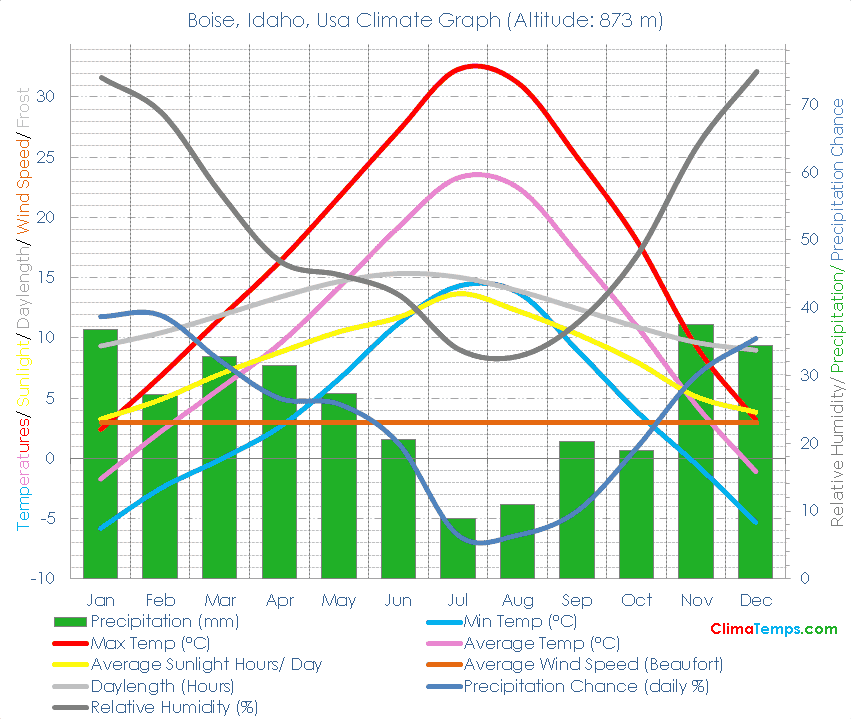
From June through August, Boise experiences its warmest months. Average high temperatures often reach into the high 80s and low 90s Fahrenheit (around 30-33°C), with occasional heatwaves pushing temperatures higher. The humidity is generally low, making the heat more bearable, especially when compared to more humid climates. Evenings offer a welcome respite, with temperatures dropping into the comfortable 50s and 60s Fahrenheit (around 10-20°C), perfect for enjoying outdoor dining or exploring the city’s vibrant nightlife.
The extended daylight hours during summer are ideal for maximizing your exploration of Boise. Popular activities include:
- Exploring the Boise River Greenbelt: This scenic pathway runs for over 25 miles along the Boise River, offering opportunities for walking, jogging, biking, and kayaking.
- Visiting Julia Davis Park: Home to the Boise Zoo, the Boise Art Museum, and the Idaho State Historical Museum, this expansive park is a hub for recreation and culture.
- Hiking in the Boise Foothills: Numerous trails offer stunning views of the city and the surrounding landscape, ranging from easy walks to challenging climbs.
- Attending Outdoor Events: Boise hosts numerous festivals and concerts during the summer, taking advantage of the pleasant weather.
While summer offers abundant sunshine, it’s advisable to stay hydrated and use sun protection, especially during the midday hours.
Autumn: A Tapestry of Color and Mild Temperatures
September through November brings a beautiful transformation to Boise. Autumn is often considered one of the most picturesque seasons, with temperatures gradually cooling from the summer heat. September can still feel like a continuation of summer, with average highs in the 70s and 80s Fahrenheit (around 21-30°C). As October and November progress, temperatures begin to drop, with average highs settling in the 50s and 60s Fahrenheit (around 10-20°C) and overnight lows in the 30s and 40s Fahrenheit (around 4-10°C).
Autumn is a fantastic time for:
- Leaf Peeping: The changing foliage in the Boise Foothills and along the Boise River Greenbelt creates a stunning visual display.
- Visiting the Idaho Botanical Garden: Witness the vibrant colors of autumn in this beautifully curated garden.
- Enjoying Local Harvests: Many farms and orchards in the surrounding areas offer opportunities for apple picking and enjoying seasonal produce.
- Exploring Downtown Boise: The milder temperatures make it pleasant to wander through the shops, cafes, and restaurants in the downtown core.
The crisp air and reduced crowds make autumn a particularly enjoyable time for a more relaxed exploration of Boise’s cultural attractions and natural beauty.
Winter: Snow-Kissed Landscapes and Cozy Ambiance
December through February marks Boise’s winter season. While Boise doesn’t typically experience the extreme cold of some other Northern cities, winters are cool and can be snowy. Average high temperatures hover around the mid to high 30s Fahrenheit (around 1-4°C), with overnight lows often dipping below freezing, into the 20s Fahrenheit (around -7 to -1°C). Snowfall is common, blanketing the city and the surrounding mountains, transforming the landscape into a winter wonderland.
Winter in Boise offers unique opportunities:
- Skiing and Snowboarding: World-class resorts like Bogus Basin Ski Area are just a short drive from the city, offering excellent conditions for winter sports.
- Snowshoeing and Cross-Country Skiing: The foothills and surrounding wilderness areas provide numerous trails for these activities.
- Ice Skating: Several outdoor and indoor rinks offer a festive way to enjoy the winter air.
- Cozying up in Local Cafes and Restaurants: After a day of outdoor activity, there’s nothing better than warming up with a hot drink or a delicious meal in one of Boise’s many inviting establishments.
Despite the colder temperatures, Boise maintains a lively atmosphere, with holiday decorations and events adding to the festive spirit.
Spring: Renewal and Blooming Beauty
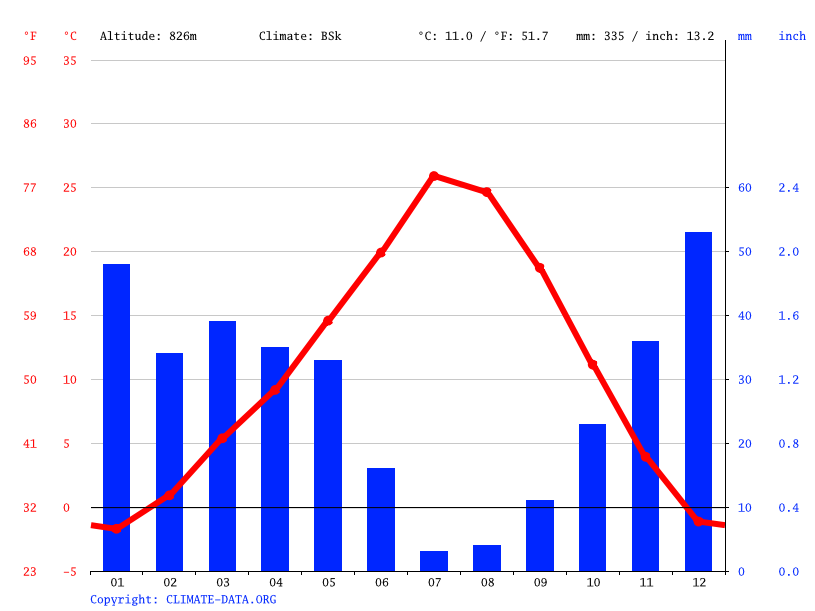
March through May is a period of transition and renewal in Boise. As winter recedes, temperatures begin to warm, and the city bursts back to life. March can still see lingering winter weather, with average highs in the 40s and 50s Fahrenheit (around 4-15°C). By April and May, average highs climb into the 60s and 70s Fahrenheit (around 15-25°C), with overnight lows becoming more moderate as well. Spring rainfall is more common than in summer, contributing to the lush greenery that emerges.
Spring in Boise is perfect for:
- Witnessing the Blossoms: The city’s parks and residential areas come alive with blooming trees and flowers.
- Exploring the Outdoors: Hiking and biking trails become increasingly accessible and enjoyable as the snow melts.
- Visiting the Idaho Botanical Garden: See the spring blooms and new growth in this stunning garden.
- Enjoying Riverside Activities: As the weather warms, the Boise River Greenbelt becomes a popular spot for leisurely strolls and outdoor recreation.
Spring offers a refreshing change of pace, with milder temperatures and the promise of warmer days ahead, making it an excellent time for sightseeing and outdoor adventures.
Planning Your Trip: When to Visit Boise
The “best” time to visit Boise largely depends on your interests and what kind of experience you’re seeking. Each season offers a unique charm, driven by the prevailing temperatures and available activities.
For Outdoor Enthusiasts
If your primary motivation for visiting Boise is to immerse yourself in outdoor activities, consider the following:
- Summer (June-August): Ideal for hiking, biking, water sports on the Boise River, and exploring the extensive trail systems in the Boise Foothills. Long daylight hours mean more time to enjoy the sun.
- Spring (April-May) and Fall (September-October): These shoulder seasons offer pleasant temperatures for hiking and biking, with fewer crowds than in peak summer. The changing colors of fall foliage are a significant draw during this period.
- Winter (December-February): If skiing, snowboarding, or other snow sports are your passion, then winter is the time to be in Boise. The proximity to Bogus Basin Ski Area makes it a prime destination for winter sports enthusiasts.
For Cultural Explorers and Foodies
Boise’s cultural scene and culinary offerings are vibrant year-round, but certain times might be more appealing:
- Spring and Fall: These seasons offer comfortable temperatures for exploring downtown Boise’s many museums, art galleries, and restaurants without the intense heat of summer or the biting cold of winter. Many festivals and events celebrating local food and culture are held during these times.
- Summer: While warm, the summer months often feature numerous outdoor festivals and farmers’ markets, providing ample opportunities to sample local produce and artisanal goods. Al fresco dining is also at its peak.
- Winter: The cozy atmosphere of winter is perfect for enjoying Boise’s burgeoning restaurant scene and craft breweries. Many indoor cultural events and holiday markets take place during this season.
For Budget-Conscious Travelers
While Boise is generally considered an affordable destination, visiting during the shoulder seasons can often lead to better deals on accommodation and flights.
- Spring (March-May, excluding spring break) and Fall (September-November): These periods often see lower demand compared to the peak summer months, potentially leading to more competitive pricing for hotels and other travel expenses.
- Early Winter (December, before the holiday rush): Similar to the shoulder seasons, early December can offer slightly reduced rates before the Christmas and New Year’s holiday surge.
Regardless of when you choose to visit, Boise’s charm and array of attractions ensure a memorable experience. From its welcoming locals to its stunning natural surroundings, the capital of Idaho is a destination that truly offers something for everyone. Whether you’re staying at a luxury resort or a comfortable apartment, planning your visit around the temperature and seasonal offerings will undoubtedly enhance your trip.
Considering Accommodation Options
When planning your stay in Boise, considering the time of year can influence your choice of accommodation and the amenities you might prioritize. For instance, during the warmer summer months, a hotel with a pool or easy access to the Boise River Greenbelt would be ideal. Properties like the Grove Hotel or the Boise Guest House often offer convenient locations for exploring downtown and accessing recreational areas.
In winter, you might look for accommodations with cozy fireplaces or proximity to areas where you can easily transition to winter sports. Some travelers might opt for longer-term stays in apartments or villas to enjoy the city at a more relaxed pace, especially if visiting for an extended period to experience multiple seasons. Websites offering accommodation comparison and reviews can be invaluable in finding the perfect place to stay, whether you’re seeking a suite, a resort experience, or a budget-friendly apartment.
For those interested in luxury travel, Boise offers several high-end options that cater to discerning guests, ensuring comfort and style regardless of the season. Likewise, budget travel options are plentiful, making Boise accessible to a wide range of visitors. Family trips can be planned around specific seasonal events, like summer outdoor concerts or winter holiday festivities, with accommodations that cater to families’ needs. Business stays can also be enhanced by choosing hotels with convenient access to business districts and amenities that support productivity.
Ultimately, understanding the temperature in Boise, Idaho, is the first step in unlocking the full potential of this dynamic city. By aligning your visit with the season that best suits your interests and preferences, you can create an unforgettable travel experience, enjoying the unique attractions and lifestyle that Boise has to offer.
LifeOutOfTheBox is a participant in the Amazon Services LLC Associates Program, an affiliate advertising program designed to provide a means for sites to earn advertising fees by advertising and linking to Amazon.com. Amazon, the Amazon logo, AmazonSupply, and the AmazonSupply logo are trademarks of Amazon.com, Inc. or its affiliates. As an Amazon Associate we earn affiliate commissions from qualifying purchases.