
California, often celebrated as the Golden State, is renowned for its incredible geographical diversity, which naturally translates into an astonishing array of climates and temperatures. From sun-drenched beaches to snow-capped mountains, arid deserts to lush forests, the weather in California is rarely a single, uniform experience. Understanding this climatic tapestry is paramount for any traveler planning a trip, as temperature variations significantly influence everything from destination choice and activities to packing essentials and accommodation preferences. Whether you’re seeking a winter wonderland, a sun-soaked escape, or a mild coastal breeze, California’s vast landscape offers a climate for every preference, making it a dream destination for diverse travel styles and lifestyles.
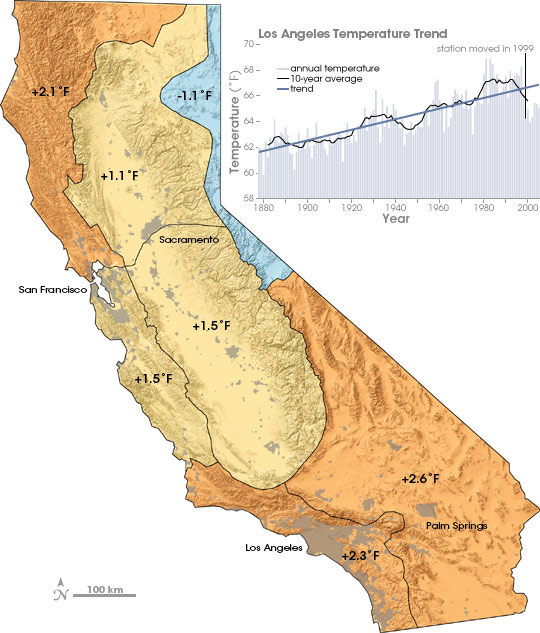
California’s Diverse Climates: A Land of Extremes
The sheer size and varied topography of California mean that answering “What is the temperature in California?” isn’t a simple task. Instead, it requires a nuanced look at its distinct microclimates. The state can be broadly divided into several climatic zones, each with its own characteristic temperature patterns that dictate local culture, tourism offerings, and the very rhythm of life. For those venturing into this magnificent state, recognizing these zones is the first step toward a well-planned and enjoyable experience.
Coastal Comfort: San Francisco to San Diego
Along the Pacific coastline, stretching from the misty shores of San Francisco down to the sunnier climes of San Diego, California enjoys a Mediterranean climate characterized by mild, wet winters and warm, dry summers. However, even within this zone, significant variations exist.
In northern coastal cities like San Francisco, summers are notoriously cool and often foggy, with average high temperatures typically hovering around the mid-60s Fahrenheit (18-20°C). Tourists often find themselves surprised by the need for jackets even in July or August. This cool, temperate weather is ideal for exploring landmarks like the Golden Gate Bridge, wandering through Muir Woods National Monument, or enjoying the vibrant local culture without the oppressive heat often associated with summer. Accommodation in San Francisco often includes charming boutique hotels and historic inns, many offering cozy amenities perfect for its cooler evenings. This region is a haven for those who prefer comfortable, mild temperatures for their travel and tourism activities.
As you head south, the coastal temperatures gradually warm up. Cities like Monterey and Carmel-by-the-Sea offer a slightly warmer, yet still breezy, experience, perfect for scenic drives along Big Sur or exploring the famed Monterey Bay Aquarium. Farther south, Santa Barbara boasts what many consider the quintessential “perfect” California climate, with abundant sunshine and average year-round temperatures in the 60s and 70s Fahrenheit (15-25°C). This makes it a popular destination for luxury travel, offering exquisite resorts and villas where outdoor living is a year-round possibility.
Finally, Los Angeles and San Diego represent the warmer end of the coastal spectrum. Los Angeles experiences warmer summers, often reaching into the high 70s or low 80s Fahrenheit (25-30°C), particularly away from the immediate coast in areas like Hollywood or Beverly Hills. Coastal neighborhoods like Santa Monica and Venice Beach benefit from refreshing ocean breezes. San Diego, known for its consistently pleasant weather, sees average highs in the 70s Fahrenheit (21-26°C) throughout much of the year, making it an ideal spot for beach holidays, exploring La Jolla, and enjoying vibrant outdoor tourism. Hotels and resorts here are designed to maximize outdoor amenities, from oceanfront pools to al fresco dining.
Inland Heat and Valley Warmth
Venturing inland, away from the moderating influence of the Pacific Ocean, temperatures begin to climb dramatically, especially during the summer months. California’s vast Central Valley, which includes the San Joaquin Valley and cities like Sacramento, experiences hot, dry summers where temperatures can regularly exceed 90°F (32°C) and often push past 100°F (38°C). Winters here are generally mild and foggy.
Wine regions like Napa Valley and Sonoma Valley, while not far from the coast, are shielded by hills and mountains, leading to warmer summer days (often in the 80s and 90s F / 27-35°C) and cooler nights, perfect for grape cultivation. These areas are popular for luxury travel and culinary tourism, with many resorts offering luxurious suites and amenities like spas and gourmet dining, often with air conditioning as a welcome respite from the summer heat. Even the Russian River Valley, closer to the coast, can see warm days that are perfect for enjoying the local wineries and outdoor activities.
Further south and east, away from the coast, cities like Anaheim (home to Disneyland) and Pasadena also experience hotter summers than their coastal counterparts, with temperatures frequently in the 80s and 90s Fahrenheit (27-37°C). Families planning trips to attractions like Disneyland or Universal Studios Hollywood during peak summer months often prioritize accommodations with excellent air conditioning and pools, making for a refreshing end to a day of adventure.
Mountain Majesty and Desert Dryness
California’s interior is dominated by dramatic mountain ranges, most notably the Sierra Nevada, and vast desert regions. These areas present the most extreme temperature fluctuations.
The Sierra Nevada mountains are characterized by cold, snowy winters and mild to warm summers. High-altitude destinations like Lake Tahoe and Mammoth Lakes (and its renowned Mammoth Mountain ski resort) are winter playgrounds, where temperatures regularly drop below freezing and heavy snowfall is common. Ski resorts, cozy cabins, and lodges with fireplaces are the preferred accommodation. In contrast, summers in the Sierras are refreshingly cool, with daytime temperatures in the 60s and 70s Fahrenheit (15-25°C), making it ideal for hiking in Yosemite National Park, exploring Sequoia National Park, or enjoying water sports on Lake Tahoe. Up north, Mount Shasta offers similar alpine experiences.

To the east and southeast of the mountain ranges lie California’s deserts, including the Mojave Desert, Colorado Desert, and the infamous Death Valley. These are characterized by scorching hot summers and mild winters. Death Valley holds the record for the highest air temperature ever recorded on Earth (134°F / 56.7°C), making summer visits extremely challenging and often dangerous. During summer, temperatures frequently exceed 100°F (38°C) across the desert regions. However, winters are delightfully warm, with daytime highs often in the 60s and 70s Fahrenheit (15-25°C), making it the prime season for exploring Joshua Tree National Park, the Salton Sea, or enjoying the resort lifestyle of Palm Springs. Palm Springs offers a unique blend of luxury resorts, mid-century modern architecture, and desert-inspired activities, with many hotels featuring expansive pools and cooling amenities to combat the heat of the shoulder seasons. For a change of pace, the charming mountain town of Julian, though not a desert, offers cooler mountain air and a distinct change in climate in San Diego’s back country.
Planning Your California Adventure: Weather-Wise Travel Tips
Understanding California’s diverse climate is crucial for seamless travel planning. The right preparation can enhance your experience, ensuring comfort and access to the activities that best suit your preferences.
Seasonal Considerations for Every Traveler
- Spring (March-May): Generally considered one of the best times to visit California, spring offers mild temperatures across much of the state. Wildflowers bloom in the deserts (though still warm), and coastal areas are pleasantly warm but not hot. The mountains are still shedding snow, allowing for both skiing and early hiking. It’s an excellent season for diverse tourism, from city explorations in Los Angeles to wine tasting in Napa Valley without extreme temperatures.
- Summer (June-August): While popular for beach vacations along the warmer southern coast (e.g., San Diego), summer brings significant heat inland and to the deserts. San Francisco remains cool and foggy. This is prime time for mountain adventures in Yosemite or Lake Tahoe, where temperatures are ideal for outdoor activities. If traveling during this season, especially with family trips to theme parks, choosing accommodation with a pool and air conditioning is a must. Budget travel might find better deals in cooler coastal areas, while luxury resorts in Palm Springs might offer enticing off-peak rates despite the heat.
- Fall (September-November): Another fantastic time to visit, especially early fall. The coastal areas, particularly San Francisco, often experience their warmest, clearest weather (known as “Indian Summer”). Napa Valley and Sonoma Valley are in harvest season, offering a vibrant atmosphere with comfortable temperatures. Deserts become pleasant again, and mountain areas showcase beautiful fall foliage before the snow arrives. This season is ideal for a blend of cultural tourism, outdoor exploration, and gastronomic experiences.
- Winter (December-February): This season sees cooler, wetter weather across much of the state, particularly along the coast and in the mountains. Snowfall is common in the Sierra Nevada, making it a haven for skiing and snowboarding. The deserts, like Joshua Tree and Death Valley, offer pleasantly warm days and cool nights, perfect for hiking and camping. Coastal cities like Los Angeles and San Diego remain mild, making them popular for those escaping harsher winter climates elsewhere, with average temperatures in the 50s and 60s Fahrenheit (10-20°C). Accommodation choices range from cozy mountain cabins to beachfront hotels, depending on your preferred winter activity.
Packing Smart for California’s Varied Forecasts
Given the dramatic shifts in temperature and climate, packing for a California trip requires strategic thinking. Layers are key.
- Coastal Areas: Even in summer, bring layers – a light jacket or sweater for mornings and evenings in San Francisco, Mendocino, or Monterey. Swimwear is essential for the warmer southern beaches.
- Inland and Valleys: During summer, light, breathable clothing is a must, along with sun protection (hats, sunglasses, sunscreen). In spring and fall, layers are still advisable as evenings can cool down.
- Mountains: In winter, heavy winter gear, waterproof outer layers, and insulated boots are crucial for snow activities. In summer, light hiking attire for daytime, with warmer layers for cool evenings.
- Deserts: During the warm seasons, extremely light, loose-fitting clothing and ample hydration are paramount. For winter, daytime can be pleasant, but nights drop significantly, so warm jackets are needed.
Regardless of your destination or the season, always check the local forecast closer to your travel dates, as microclimates can lead to unexpected variations.
Beyond the Thermometer: Experiencing California’s Climate Through Travel
The temperature in California isn’t just a number; it’s an integral part of the travel experience, shaping the activities, local culture, and overall vibe of each region. It influences the type of accommodation you book, the landmarks you visit, and the lifestyle you adopt during your stay.
Iconic Destinations and Their Climates
- Beach Life: From the cool beaches of Marin County north of San Francisco to the sun-drenched shores of Orange County and San Diego, California’s coastline offers diverse beach experiences dictated by temperature. Cooler northern waters are ideal for surfing in wetsuits, while warmer southern waters invite swimming and sunbathing. Beachfront resorts and villas are popular choices for accommodation, allowing guests to fully embrace the coastal lifestyle.
- Mountain Retreats: The Sierra Nevada and other mountain ranges offer a refreshing escape from urban heat. Yosemite National Park in spring or fall, for example, combines pleasant hiking temperatures with stunning natural beauty. Winter brings snow sports to Lake Tahoe and Mammoth Mountain. Lodges and cabins provide cozy accommodation options for these rugged adventures.
- Desert Oasis: Palm Springs, Joshua Tree National Park, and Death Valley offer unique landscapes. Optimal visiting times are during the cooler months, allowing comfortable exploration of these natural landmarks. Luxury resorts in Palm Springs provide an oasis experience, perfect for relaxation and enjoying the warm, dry desert air.
- Urban Explorations: Cities like Los Angeles and San Francisco are year-round destinations. Their respective temperatures dictate whether you’re strolling Hollywood Boulevard in light attire or navigating the chilly Fisherman’s Wharf with a windbreaker. Urban hotels, from budget-friendly apartments to luxurious suites, cater to every traveler’s need, often with amenities designed to handle local climate variations.
Accommodation Choices Across Climates
Temperature plays a significant role in accommodation selection. In areas prone to summer heat, such as Palm Springs or Sacramento, booking hotels or apartments with robust air conditioning and swimming pools is a top priority for travelers. Many resorts in these areas are designed to offer cool sanctuaries from the sun. Conversely, in mountainous regions during winter, travelers will seek out hotels or cabins with heating, fireplaces, and easy access to ski slopes, like those found around Lake Tahoe. Coastal accommodations, especially those offering long-term stays, often focus on ocean breezes and outdoor living spaces. Booking platforms and reviews often highlight climate-related amenities, guiding travelers to the perfect stay.
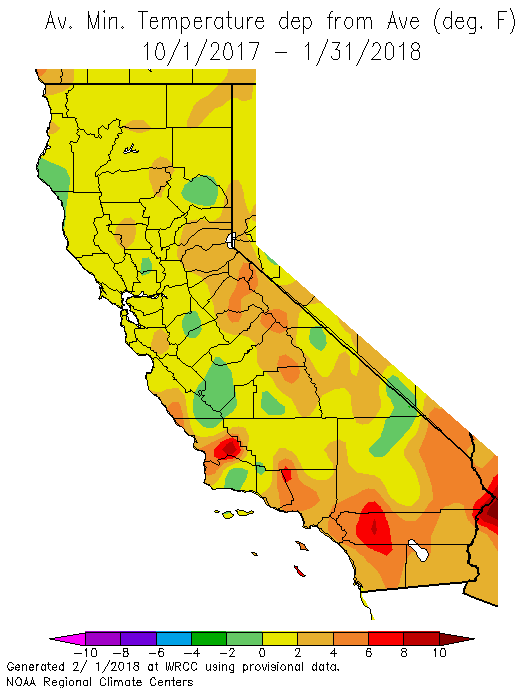
The Best Time to Visit California for Your Ideal Temperature
Ultimately, the “best” time to visit California depends entirely on your preferred temperature and activities.
- For mild, comfortable weather throughout: Aim for spring (April-May) or fall (September-October). These shoulder seasons generally offer pleasant temperatures across most regions, fewer crowds than summer, and a wide array of activities, from hiking in Redwood National Park to city sightseeing.
- For hot, sunny beach weather: Summer (July-August) along the southern coast (Los Angeles, San Diego) is ideal, but be prepared for inland heat. Consider a visit to Catalina Island for a refreshing island experience.
- For snow sports and desert exploration: Winter (December-March) is your window. Hit the slopes of Mammoth Mountain or explore the warm, sunny trails of Joshua Tree National Park and Death Valley.
In conclusion, California truly is a state of climatic multitudes. Before embarking on your journey, take the time to research the specific temperatures and weather patterns of your chosen destinations. This preparation will not only ensure your comfort but also unlock the full potential of your Golden State adventure, allowing you to immerse yourself in the diverse landscapes, vibrant cultures, and countless experiences that California has to offer.
LifeOutOfTheBox is a participant in the Amazon Services LLC Associates Program, an affiliate advertising program designed to provide a means for sites to earn advertising fees by advertising and linking to Amazon.com. Amazon, the Amazon logo, AmazonSupply, and the AmazonSupply logo are trademarks of Amazon.com, Inc. or its affiliates. As an Amazon Associate we earn affiliate commissions from qualifying purchases.