
Chicago, the “Windy City,” is a bustling metropolis renowned for its iconic architecture, vibrant arts scene, deep-dish pizza, and a dynamic cultural landscape that draws millions of visitors each year. While its attractions are world-class and its hospitality industry robust, successfully planning a trip to this magnificent destination often hinges on one crucial factor: understanding its diverse and sometimes extreme weather patterns. The temperature in Chicago isn’t just a number; it dictates what you pack, what activities you can enjoy, and even the type of accommodation that best suits your stay. From the frigid winds of winter to the balmy breezes of summer, each season offers a unique experience, making climate an integral part of your travel guide.
For those planning to immerse themselves in the local culture, explore famous landmarks, or simply enjoy a relaxing getaway, knowing what to expect from the mercury is paramount. This comprehensive guide will delve into Chicago’s seasonal temperatures, helping you prepare for an unforgettable adventure, whether you’re seeking luxury hotels or budget-friendly apartments, a family trip, or a solo exploration.
Understanding Chicago’s Diverse Climate: A Seasonal Breakdown
Chicago experiences all four distinct seasons, each bringing its own charm and challenges. Its location on the shores of Lake Michigan significantly influences its weather, often leading to sudden shifts and dramatic temperature changes.
Embracing the Chill: Winter in Chicago (December – February)
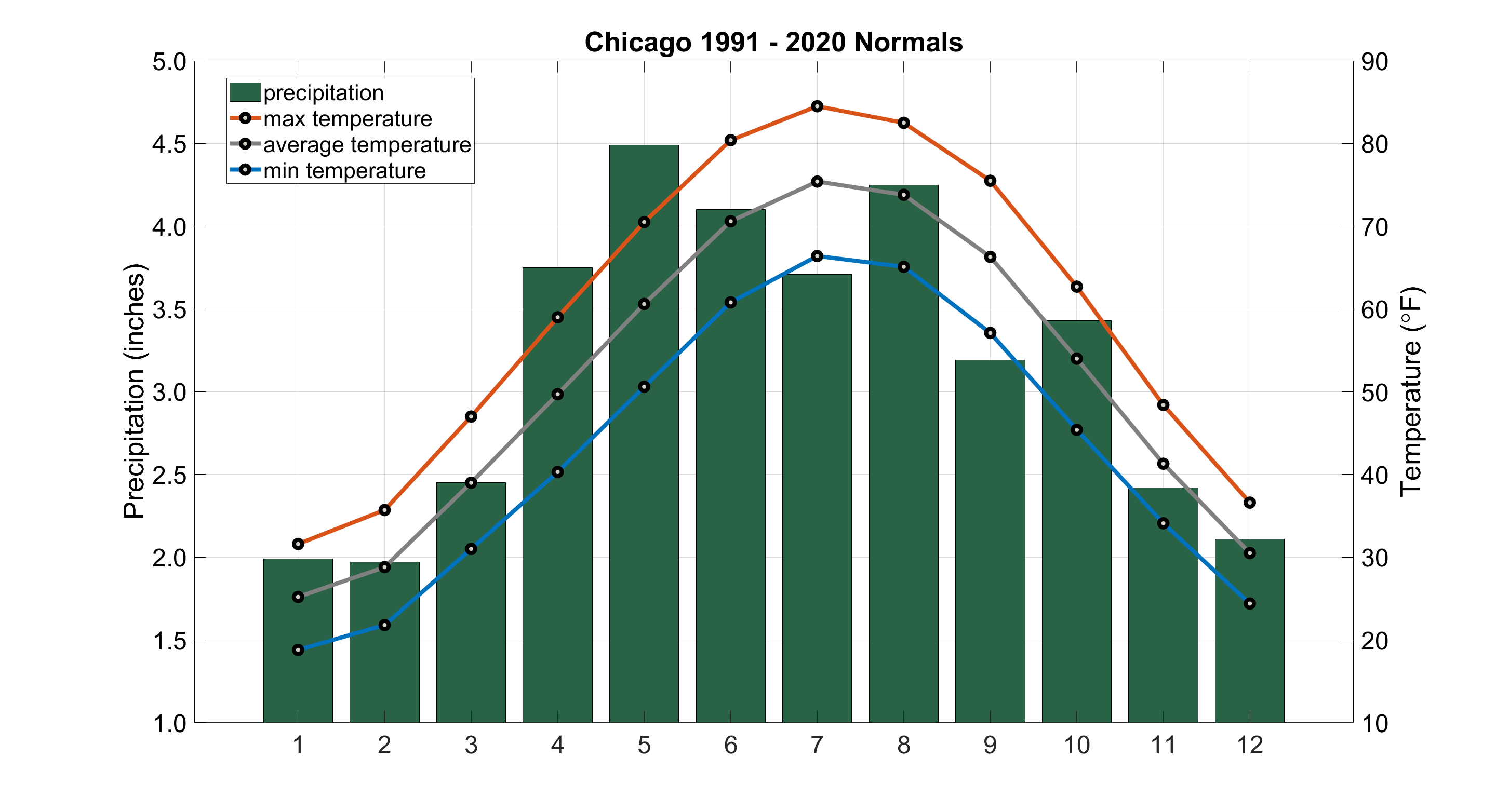
Winter in Chicago is legendary for its cold temperatures, heavy snowfall, and biting winds. The average daily temperature during these months hovers around 25-35°F (-4 to 2°C), but wind chill factors, particularly when winds sweep across Lake Michigan, can make it feel much colder, often dropping into the single digits or even below zero. Snowfall is common, transforming the city into a picturesque winter wonderland, but also requiring careful navigation.
Despite the frigid conditions, winter in Chicago offers a unique array of experiences. It’s an ideal time for indoor tourism and cultural immersion. Visitors can explore world-class institutions like the Art Institute of Chicago, home to an extraordinary collection spanning centuries and continents, or delve into science and innovation at the Museum of Science and Industry. The holiday season brings festive cheer, with the enchanting Christkindlmarket offering a taste of German tradition and the opportunity for ice skating at Millennium Park beneath the glimmering city skyline.
For accommodation, consider hotels with excellent indoor amenities, such as heated pools, spas, and cozy lounges. Many offer attractive rates during the off-peak winter season, making it a great time for a budget-friendly lifestyle trip without sacrificing comfort. Packing multiple warm layers, a heavy winter coat, gloves, a hat, and waterproof boots is absolutely essential.
Thawing Out: Spring in Chicago (March – May)
Spring in Chicago is a season of transition, often characterized by unpredictable weather. Early spring (March) can still feel quite wintry, with temperatures ranging from 30-45°F (-1 to 7°C), and late snowfalls are not uncommon. As the season progresses into April and May, temperatures gradually rise to a more pleasant 45-65°F (7 to 18°C), bringing with them budding trees and blooming flowers. Rainfall is frequent throughout spring, so an umbrella and waterproof jacket are highly recommended.
This season marks the awakening of the city, with outdoor activities slowly coming back to life. The iconic St. Patrick’s Day celebration sees the Chicago River dyed emerald green, a spectacle that draws crowds globally. As the weather warms, architectural boat tours on the river become a popular way to admire the city’s unique skyline. Parks like the Lincoln Park Zoo offer beautiful strolls amidst blossoming nature without the intense summer crowds.

Spring is an excellent time for those seeking a balance between good weather and reasonable prices for hotels and accommodation. Many resorts and suites begin to offer special deals before the summer rush. Layering remains key, with lighter jackets, sweaters, and comfortable walking shoes being staples.
Sizzling Summers: Chicago’s Peak Season (June – August)
Summers in Chicago are vibrant, energetic, and often hot and humid. Average temperatures typically range from 70-85°F (21 to 29°C), but heatwaves pushing into the 90s (32°C+) are not uncommon. Humidity from Lake Michigan can make it feel even warmer, and afternoon thunderstorms are a regular occurrence, offering a brief respite from the heat.
This is peak tourism season, and for good reason. The city comes alive with outdoor festivals, beach days, and al fresco dining. Popular events like Lollapalooza and the Taste of Chicago draw massive crowds, showcasing the city’s rich cultural tapestry and culinary prowess. Exploring the sandy beaches along Lake Michigan, enjoying thrilling rides at Navy Pier, or simply relaxing at a rooftop bar with panoramic views are quintessential summer Chicago experiences.

Due to high demand, accommodation prices for hotels, resorts, and villas are at their highest, and booking well in advance is crucial. Look for places with air conditioning and perhaps even a pool to beat the heat. Light, breathable clothing, sunglasses, sunscreen, and comfortable sandals are essential for summer packing.
Golden Hues: Autumn in Chicago (September – November)
Autumn is arguably one of the most beautiful and comfortable times to visit Chicago. The hot summer temperatures gradually give way to crisp, cool air, with averages ranging from 45-65°F (7 to 18°C) in September and October, dropping to 35-50°F (2 to 10°C) by November. The humidity dissipates, and the city’s parks and tree-lined streets erupt in a spectacular display of fall foliage.
This season offers the best of both worlds: pleasant weather for outdoor exploration and fewer crowds compared to summer. It’s an excellent time for scenic walks, visiting farmers’ markets, or enjoying a tranquil architectural cruise. The tourism scene is still active, but the pace is more relaxed. It’s a great period for family trips or those on a business stay, as the weather is conducive to both work and leisure.
Accommodation prices often dip after the summer peak, making it an attractive time for securing deals on hotels, suites, or apartments. Layering is again the smart packing strategy, including light jackets, sweaters, and comfortable shoes for exploring.
Planning Your Chicago Getaway: Weather-Proofing Your Experience
Beyond understanding the average temperatures, strategically planning your trip based on Chicago’s climate can significantly enhance your experience.
Choosing Your Ideal Travel Time Based on Climate
- For Budget Travelers: Winter (excluding the holiday season) and late autumn often present the best opportunities for lower accommodation and flight prices. You’ll need to brave the cold, but the indoor attractions are plentiful, and the city has a unique, festive charm.
- For Luxury Travel Experiences: Spring and autumn strike a perfect balance. The weather is generally pleasant, allowing for a mix of indoor and outdoor activities, and you can often find better deals on premium suites and resorts compared to the summer rush. Enjoy fine dining without the intense heat or the need for heavy winter gear.
- For Family Trips: Summer offers the widest array of outdoor activities and festivals suitable for all ages, though it comes with higher costs and larger crowds. Spring and early autumn provide a more relaxed pace and comfortable temperatures, ideal for exploring parks and museums without overheating or bundling up excessively.
- For Business Stays: Autumn is often cited as the best season for business travelers. The comfortable temperatures minimize travel disruptions, and the less intense tourism season allows for easier navigation and potentially better rates on corporate apartments or hotels with excellent amenities for remote work or meetings.
Smart Packing for Chicago’s Variable Weather
Regardless of the season, layering is the golden rule for packing for Chicago. The weather can change quickly, especially due to Lake Michigan’s influence.
- Winter: Thermal base layers, heavy sweaters, a waterproof and windproof winter coat, warm hat, gloves, scarf, and insulated, waterproof boots.
- Spring & Autumn: Light to medium jackets, sweaters, long-sleeved shirts, jeans or comfortable trousers, an umbrella, and waterproof walking shoes.
- Summer: Light, breathable fabrics (cotton, linen), shorts, t-shirts, a light jacket or sweater for cooler evenings or air-conditioned indoor spaces, comfortable sandals or walking shoes, swimsuit, hat, and sunglasses.
Always check the local forecast a few days before your trip and again right before you leave.
Accommodation Strategies for Every Season
Your choice of accommodation can be greatly influenced by the season and Chicago’s temperature.
- Winter: Prioritize hotels or apartments close to public transport or major indoor attractions to minimize time spent in the cold. Look for amenities like indoor pools, fitness centers, and excellent dining options to enjoy without venturing outside. Many luxury hotels offer special winter packages.
- Summer: Air conditioning is a non-negotiable. If traveling with family or a group, consider villas or larger suites that offer more space and amenities like kitchens for preparing meals. Booking proximity to Lake Michigan beaches or areas with abundant outdoor dining can enhance your experience. Book very early.
- Spring/Autumn: This is an ideal time for flexibility. You can often find great deals on a range of accommodation types, from boutique hotels to comfortable apartments. It’s a prime time for exploring different neighborhoods, so consider staying in areas slightly outside the main tourist hubs for a more local lifestyle experience.
Iconic Chicago Landmarks and Activities Through the Lens of Temperature
Chicago’s many famous landmarks and attractions offer different perspectives and experiences depending on the weather.
- Cloud Gate (The Bean) at Millennium Park: While captivating year-round, seeing it glisten under fresh snow in winter or reflecting the vibrant summer sky offers vastly different photographic opportunities. In spring and autumn, the pleasant temperatures make it ideal for lingering and people-watching.
- Magnificent Mile Shopping: This premier shopping district is comfortable to navigate in any weather. In winter, holiday lights add a festive glow, while in summer, you can pop into air-conditioned stores for a break from the heat. Spring and autumn offer a relaxed shopping experience with comfortable outdoor strolls.
- Willis Tower (formerly Sears Tower) Skydeck: The views from the 103rd floor are breathtaking regardless of temperature. However, clearer skies (more common in cooler, less humid months) offer better visibility, allowing you to see further across the city and Lake Michigan.
- Field Museum: As a premier indoor attraction, the Field Museum is a perfect refuge from extreme temperatures, whether it’s a freezing winter day or a sweltering summer afternoon. It’s an excellent choice for a family trip any time of year.
- Navy Pier: Best enjoyed in warmer weather, Navy Pier comes alive in summer with its Ferris wheel, boat tours, and outdoor entertainment. While open year-round, many of its outdoor attractions are seasonal.
Understanding how the temperature in Chicago fluctuates throughout the year is not just about staying comfortable; it’s about maximizing your travel experience. Each season presents a unique opportunity to engage with the city’s rich tourism offerings, from its world-class landmarks and diverse food scene to its vibrant lifestyle and array of accommodation options. By being prepared for the weather, you ensure that your focus remains on enjoying every moment Chicago has to offer.
LifeOutOfTheBox is a participant in the Amazon Services LLC Associates Program, an affiliate advertising program designed to provide a means for sites to earn advertising fees by advertising and linking to Amazon.com. Amazon, the Amazon logo, AmazonSupply, and the AmazonSupply logo are trademarks of Amazon.com, Inc. or its affiliates. As an Amazon Associate we earn affiliate commissions from qualifying purchases.