
Nestled at the eastern foot of the Rocky Mountains, Colorado Springs is a destination renowned for its stunning natural beauty, vibrant outdoor scene, and a unique climate that dramatically influences the visitor experience. Understanding the temperature patterns in this captivating Colorado city is paramount for planning your travel, selecting the right accommodation, and ensuring you make the most of its diverse attractions, from majestic Pikes Peak to the iconic sandstone formations of Garden of the Gods.
[Colorado Springs’] weather is characterized by four distinct seasons, each offering a different charm and a range of temperatures that can vary significantly even within a single day. Its high elevation (over 6,000 feet above sea level) means cooler evenings year-round and abundant sunshine, averaging more than 240 sunny days annually. This semi-arid climate, coupled with its mountainous backdrop, creates a dynamic environment where conditions can shift rapidly, making preparation key to an enjoyable visit. Whether you’re seeking a summer adventure, a cozy winter retreat, or the vibrant hues of spring and fall, knowing what to expect from the mercury will help you pack appropriately and schedule your activities for optimal comfort and enjoyment.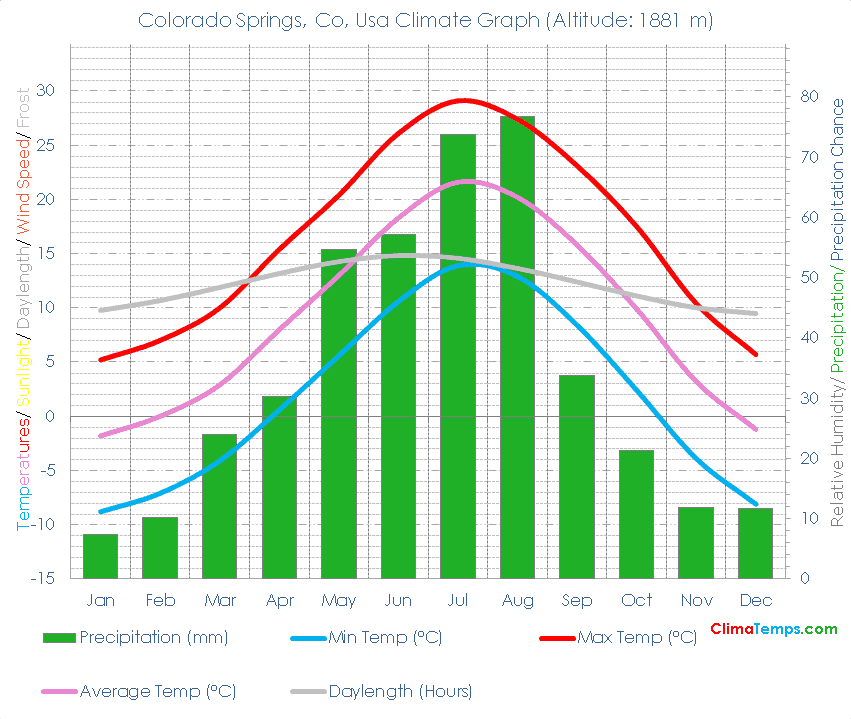
Understanding Colorado Springs’ Unique Climate and Its Impact on Travel
The climate of [Colorado Springs] is largely shaped by its geographical position. Being on the eastern side of the [Rocky Mountains], it experiences what is known as a rain shadow effect, leading to drier conditions than areas further west. However, its elevation means that while days can be warm, especially in summer, nights often bring a welcome coolness. This daily temperature swing is a hallmark of the region, emphasizing the importance of dressing in layers regardless of the season.
The city also benefits from its high number of sunny days, which can make even cooler temperatures feel milder. This abundance of sunshine is a significant draw for tourists, encouraging outdoor activities almost year-round. However, visitors should be mindful of the increased sun intensity at altitude; proper sun protection, including sunscreen, hats, and sunglasses, is essential regardless of the temperature.
Altitude Considerations: More Than Just Temperature
Beyond temperature, the altitude itself plays a crucial role in the visitor experience in [Colorado Springs]. While not directly temperature-related, higher altitudes can affect how one perceives and tolerates temperature extremes. The air is thinner, meaning less oxygen, which can cause shortness of breath or fatigue for those unaccustomed to it. It also means less atmospheric insulation, contributing to the rapid temperature drops after sunset.
For travelers, this translates into several considerations:
- Hydration: The dry air at altitude combined with sun exposure can lead to rapid dehydration. Drinking plenty of water is more important here than in many other destinations.
- Physical Exertion: Activities that might be easy at sea level, such as hiking or cycling, can be more strenuous in [Colorado Springs]. Taking it easy for the first day or two allows your body to acclimatize.
- Layering: The combination of intense sun, potential for afternoon thunderstorms, and cool evenings means that adaptable clothing is a must. A warm, sunny morning can quickly turn into a chilly, wet afternoon.
This unique climatic profile means that your travel planning needs to be comprehensive, extending beyond just checking the average daily temperature. It involves understanding the broader environmental factors that define the [Colorado Springs] experience, ensuring a safe, comfortable, and memorable trip.
Seasonal Temperatures and Their Influence on Activities and Accommodation
The distinct seasons in [Colorado Springs] each present unique opportunities for exploration and relaxation, heavily influenced by the prevailing temperatures.
Spring: Thaw, Bloom, and Unpredictable Skies (March – May)
Spring in [Colorado Springs] is a season of transition. Temperatures gradually rise from average lows in the 20s-30s°F (-6 to -1°C) in March to comfortable 40s-50s°F (4-10°C) in May, with daytime highs ranging from 40s°F (4-10°C) to 70s°F (21-26°C). However, spring is also known for its unpredictability. Snowfall can occur well into April, and afternoon thunderstorms are not uncommon.
- Activities: This is an excellent time for hiking the trails at [Garden of the Gods] and Red Rock Canyon Open Space as the landscape begins to green. Visits to Cheyenne Mountain Zoo or the United States Olympic & Paralympic Museum are pleasant as crowds are generally lighter. As the weather warms, the historic streets of Old Colorado City and Manitou Springs become inviting for strolls and shopping.
- Accommodation: Hotels like The Broadmoor or Garden of the Gods Resort and Club may offer shoulder-season rates. Look for properties with indoor pools or cozy lounges for cooler evenings.
Summer: Warm Days, Cool Nights, and Outdoor Adventures (June – August)
Summer is peak tourist season in [Colorado Springs], characterized by warm, sunny days and refreshingly cool evenings. Average daytime temperatures hover in the high 70s to low 80s°F (25-29°C), with overnight lows often dipping into the 50s°F (10-15°C). Afternoon thunderstorms are a common occurrence, bringing brief but intense rain showers that clear quickly, often leaving behind vibrant sunsets.
- Activities: This is the ideal time to conquer [Pikes Peak], whether by driving the Pikes Peak Highway, riding the Cog Railway, or hiking the challenging Barr Trail. White water rafting on the Arkansas River becomes a popular thrill. Exploring Seven Falls, Cave of the Winds Mountain Park, and the US Air Force Academy is perfect. Outdoor concerts and festivals abound.
- Accommodation: Booking well in advance is crucial due to high demand. Hotels with air conditioning and outdoor amenities like pools or patios are highly sought after. Families might prefer larger resorts, while couples might opt for boutique hotels in [Manitou Springs].
Autumn: Crisp Air, Golden Hues, and Mild Beauty (September – November)
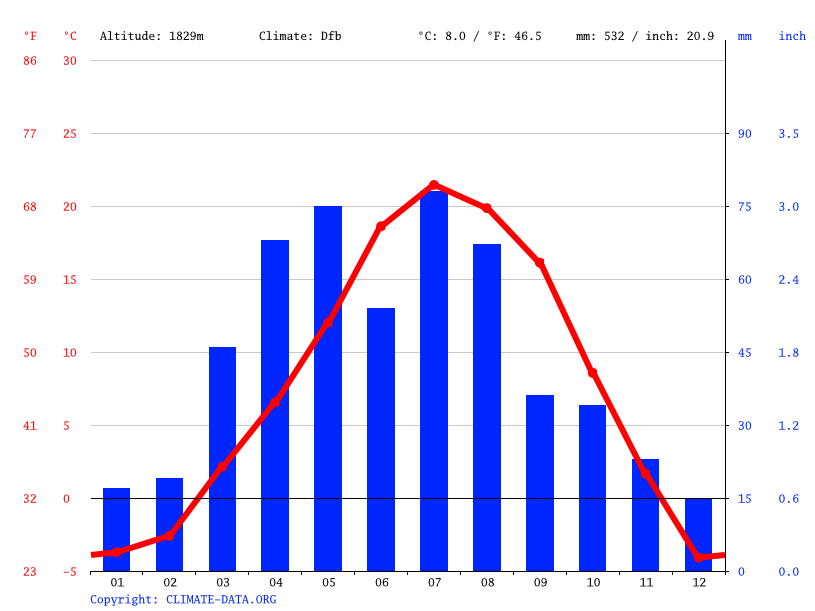
Fall is arguably one of the most beautiful times to visit [Colorado Springs], offering crisp air, clear skies, and spectacular foliage as aspens turn golden in the nearby mountains. Daytime temperatures are delightfully mild, typically in the 60s°F (15-20°C), cooling to the 30s-40s°F (0-8°C) at night. While early fall can feel like an extension of summer, late autumn brings the first hints of winter.
- Activities: Hiking and scenic drives are paramount for leaf-peeping, particularly along the Gold Camp Road or venturing into the higher elevations. This season is perfect for exploring the many parks, such as North Cheyenne Cañon Park and Palmer Park. Indoor attractions like the Colorado Springs Fine Arts Center also become more appealing as the weather cools.
- Accommodation: Similar to spring, this shoulder season can offer good value. Look for hotels with fire pits or fireplaces, providing a cozy atmosphere for evenings. Many visitors appreciate properties that offer stunning views of the changing landscape.
Winter: Snow-Capped Peaks, Cozy Retreats, and Winter Sports (December – February)
Winter in [Colorado Springs] transforms the landscape into a picturesque wonderland, with snow-capped peaks and often sunny, mild days interspersed with snowstorms. Average daytime temperatures range from the high 30s to low 40s°F (2-7°C), while nights plunge into the teens and 20s°F (-9 to -2°C). Snowfall is common but rarely stays on the ground for extended periods in the city itself, though the surrounding mountains receive ample powder.
- Activities: While downhill skiing and snowboarding require a drive to resorts like Breckenridge or Vail, local options include snowshoeing or cross-country skiing in designated areas. Ice skating at Memorial Park and festive events at [The Broadmoor] are popular. Indoor attractions, cultural experiences, and visits to the U.S. Olympic & Paralympic Training Center are perfect for colder days.
- Accommodation: Cozy hotels with amenities like indoor heated pools, hot tubs, and fireplaces are highly desirable. Many resorts, including [The Broadmoor], embrace the holiday season with elaborate decorations and special events, creating a luxurious winter escape.
Planning Your Trip: Tailoring Your Experience to Colorado Springs’ Temperatures
Successful travel to [Colorado Springs] hinges on understanding its temperature dynamics and planning accordingly. This means more than just packing a jacket; it involves aligning your desired activities and accommodation choices with the season you plan to visit.
Lifestyle and Budget Considerations by Season
The temperature directly influences not only what you can do but also the overall lifestyle and budget of your trip.
- Summer (Peak Season): While temperatures are ideal for outdoor adventure, this is also the most expensive time to visit. Accommodation rates are at their highest, and popular attractions can be crowded. If your lifestyle leans towards high-energy outdoor pursuits and you don’t mind a bustling atmosphere, summer is perfect. Budget travelers should book far in advance or consider visiting in the shoulder seasons.
- Spring/Fall (Shoulder Seasons): These seasons offer a fantastic balance. Temperatures are generally pleasant for most outdoor activities, and the crowds are thinner than in summer. You can often find better deals on flights and hotels. For those who appreciate a more relaxed pace, milder temperatures, and potentially lower costs, these seasons are ideal. They cater well to travelers looking for a mix of active exploration and cultural experiences without the summer rush.
- Winter (Off-Peak, with exceptions): Temperatures are coldest, but the city still offers unique experiences. If your lifestyle involves winter sports, cozying up by a fire, or enjoying festive holiday atmospheres, winter is excellent. While [Colorado Springs] itself isn’t a ski resort town, proximity to world-class slopes makes it a base for those willing to drive. Accommodation can be more affordable, particularly outside of the Christmas/New Year holiday period. Luxury resorts like [The Broadmoor] maintain high standards and can be particularly enchanting during the colder months, offering a sophisticated winter retreat.
Accommodation Choices: Comfort in Any Climate
Your choice of accommodation should always consider the prevailing temperatures and how you plan to spend your time.
- For Warm Weather (Summer): Prioritize hotels with air conditioning. Properties like a Hyatt Regency or a Hilton Garden Inn typically offer reliable climate control. If you’re planning a family trip, look for resorts with pools or close proximity to outdoor recreational areas.
- For Cool Weather (Winter): Seek out hotels or vacation rentals with inviting indoor amenities. A fireplace in the lobby or your room, an indoor heated pool, or a hot tub can significantly enhance your stay. Cozy cabins or luxury suites at [The Broadmoor] with mountain views are particularly appealing.
- For Shoulder Seasons (Spring/Fall): Versatility is key. Hotels offering a blend of indoor and outdoor spaces are ideal. Consider places with comfortable common areas for relaxing during a sudden spring shower or an outdoor patio to enjoy a mild autumn evening. Many smaller boutique hotels or charming B&Bs in areas like [Manitou Springs] excel at providing a comfortable, personalized experience regardless of the fluctuating temperatures.
Maximizing Your Visit: Practical Tips for Every Weather Condition
Being prepared for [Colorado Springs’] diverse temperatures and weather patterns is the ultimate way to ensure a seamless and enjoyable trip.
Dress in Layers: The Golden Rule
Due to the significant daily temperature swings and the potential for sudden weather changes, layering your clothing is non-negotiable. Start with a moisture-wicking base layer, add an insulating middle layer (fleece or wool), and finish with a waterproof and windproof outer shell. This allows you to adapt quickly to changing conditions, from a sunny morning hike to an afternoon thunderstorm or a cool evening.
Hydration and Sun Protection
The high altitude intensifies the sun’s rays and promotes faster dehydration. Drink plenty of water throughout the day, even if you don’t feel thirsty. Use high-SPF sunscreen, wear a wide-brimmed hat, and sunglasses to protect your skin and eyes from harmful UV radiation. This is crucial year-round, not just in summer.
Check the Forecast Regularly (and Locally)
While long-range forecasts can give you a general idea, local forecasts are indispensable for [Colorado Springs]. Weather patterns can be localized, with different conditions reported just miles apart. Always check the forecast for the specific area you plan to visit (e.g., [Pikes Peak] summit weather can be vastly different from downtown [Colorado Springs]).

Be Flexible with Your Itinerary
While planning is essential, maintaining some flexibility in your itinerary will serve you well. A sudden snow shower in spring might mean swapping an outdoor hike for a museum visit. A summer thunderstorm might prompt a shift from an afternoon outdoor activity to an indoor shopping excursion. [Colorado Springs] has a wealth of indoor attractions, from the [United States Olympic & Paralympic Museum] to the [Colorado Springs Fine Arts Center], ensuring there’s always something to do, regardless of the weather.
In conclusion, understanding “What Is The Temperature In [Colorado Springs]?” is more than just knowing the numbers; it’s about appreciating the unique climate that shapes this extraordinary destination. By preparing for its seasonal variations and embracing the city’s dynamic weather, travelers can unlock a richer, more comfortable, and utterly memorable experience amidst the stunning landscapes of [Colorado].
LifeOutOfTheBox is a participant in the Amazon Services LLC Associates Program, an affiliate advertising program designed to provide a means for sites to earn advertising fees by advertising and linking to Amazon.com. Amazon, the Amazon logo, AmazonSupply, and the AmazonSupply logo are trademarks of Amazon.com, Inc. or its affiliates. As an Amazon Associate we earn affiliate commissions from qualifying purchases.