
Asking “What is the temperature in Colorado?” is akin to asking for the exact flavor of a rainbow – it’s a dynamic, multifaceted experience influenced by an incredible array of geographical features, altitudes, and seasonal shifts. Colorado, often called the “Centennial State,” is a land of dramatic contrasts, from the soaring peaks of the Rocky Mountains to the sprawling Eastern Plains and the rugged canyons of the Western Slope. This diverse topography means that while you might be basking in 70-degree sunshine in Denver, a few hours west, snow could be falling in the high country of Rocky Mountain National Park. For any traveler planning a journey to this magnificent state, understanding these climatic nuances is not just helpful; it’s essential for a seamless and unforgettable adventure.
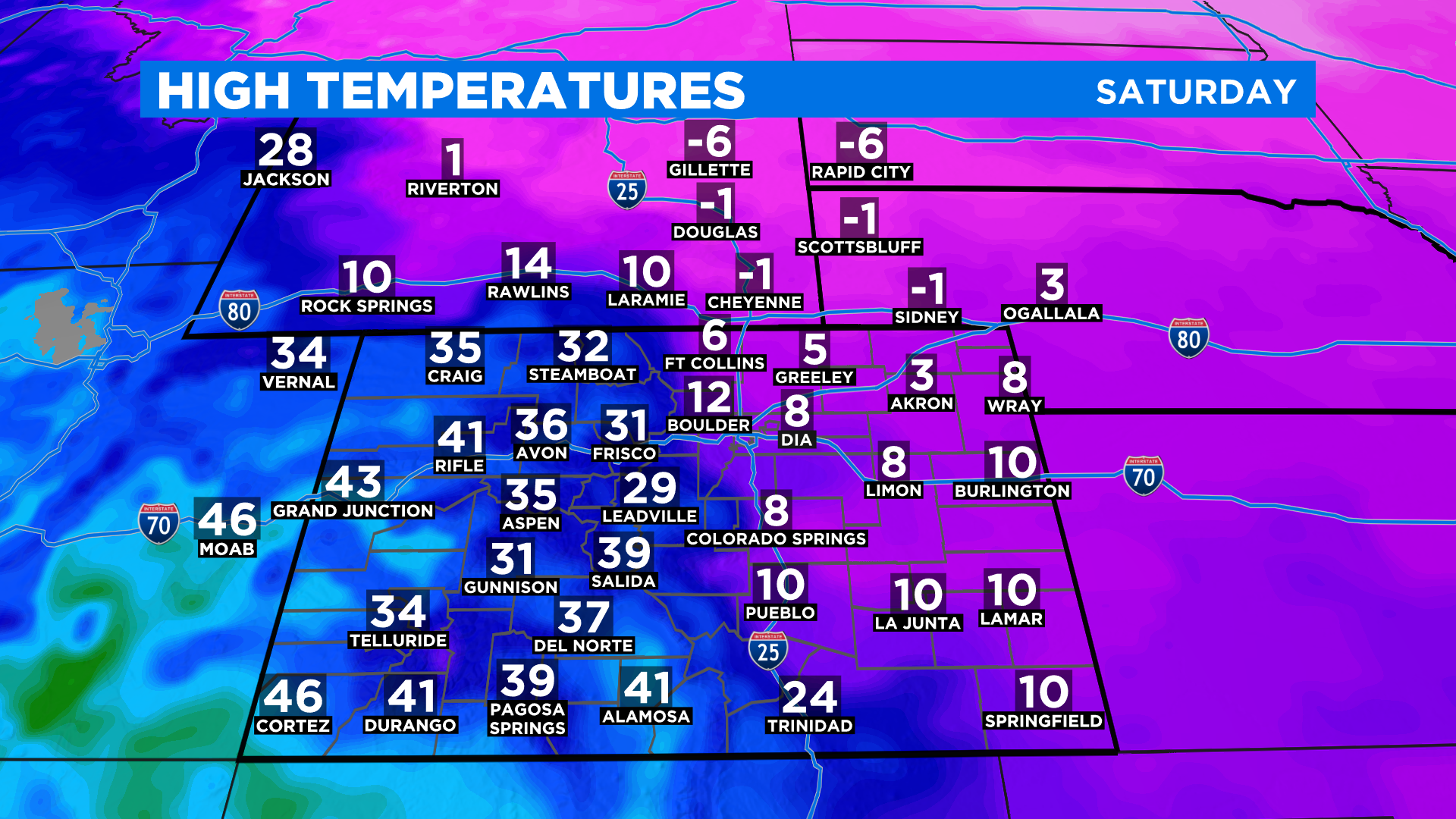
Whether you’re mapping out an itinerary for adrenaline-pumping skiing excursions, serene hiking through aspen groves, or exploring vibrant city attractions, the expected temperature will dictate everything from your packing list to your choice of accommodation and even the specific destinations you prioritize. This comprehensive guide will delve into Colorado’s intricate weather patterns, offering insights into what to expect across different regions and seasons, and how to best prepare for the incredible experiences that await.
Navigating Colorado’s Diverse Climates: A Traveler’s Essential Guide
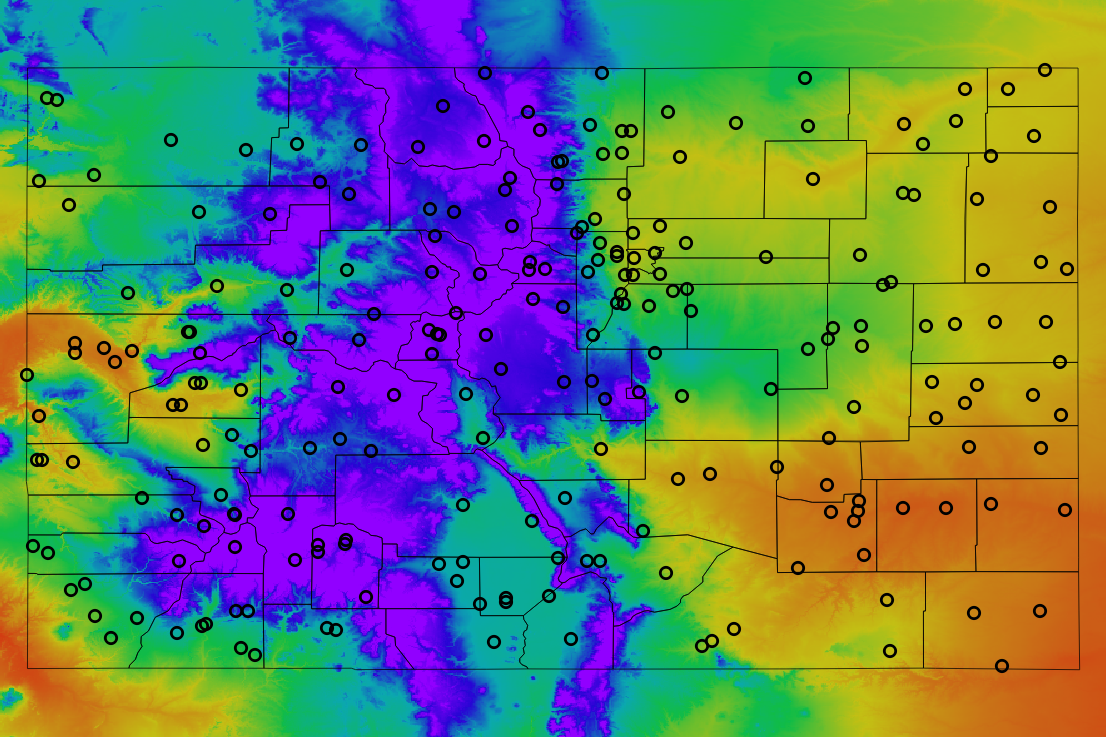
The notion of a single “temperature in Colorado” is a myth, primarily due to its unique geographical positioning and extreme variations in elevation. The state spans altitudes ranging from around 3,350 feet on the Eastern Plains to over 14,000 feet in its numerous “fourteeners” (peaks over 14,000 feet, like Mount Elbert). This significant elevation change results in distinct microclimates that travelers must consider. Generally, for every 1,000 feet gained in elevation, the temperature drops by approximately 3.5 to 5.5 degrees Fahrenheit. This simple principle explains why a summer day can feel balmy in Boulder but require a jacket in Estes Park, the gateway to high-altitude Rocky Mountain National Park.
Understanding the Geographical Tapestry
Colorado can be broadly divided into several climatic zones, each with its own temperature characteristics:
- The Eastern Plains: This includes cities like Fort Collins and parts of Colorado Springs, characterized by a semi-arid continental climate. Summers here are hot, often reaching into the 90s°F (30s°C), with low humidity and frequent afternoon thunderstorms. Winters are cold, with average temperatures in the 20s-30s°F (-6 to 4°C), but moderated by periods of warm, dry Chinook winds that can rapidly melt snow and raise temperatures.
- The Front Range Urban Corridor: Home to major cities like Denver, Boulder, and Colorado Springs, this region sits at the foothills of the Rocky Mountains. Temperatures here are similar to the plains but with slightly more winter snow accumulation due to proximity to the mountains. The daily temperature swings can be significant, especially in spring and fall.
- The Rocky Mountains and High Country: This vast region encompasses popular mountain towns and ski resorts such as Aspen, Vail, Breckenridge, and Telluride. Here, winters are long, cold, and snowy, with daytime temperatures often in the teens and 20s°F (-12 to -1°C). Summers are mild and pleasant, typically in the 60s-70s°F (15-25°C) during the day, with crisp, cool nights. Alpine areas above the tree line experience even colder temperatures and can see snow any month of the year.
- The Western Slope: This region, west of the Continental Divide, includes cities like Grand Junction and Durango. It generally experiences a milder, drier climate than the Front Range, often resembling high desert conditions in its lower elevations. Summers can be hot, regularly reaching the 90s°F (30s°C), while winters are typically less severe than the high mountains, with average temperatures in the 20s-30s°F (-6 to 4°C).
Understanding these regional differences is crucial for any travel planning. A winter getaway to a mountain resort will require vastly different preparation than a spring visit to the Garden of the Gods near Colorado Springs or a summer exploration of Mesa Verde National Park.
Seasonal Adventures: Temperatures and Experiences Across the Year
Colorado’s distinct four seasons each offer unique temperatures and a plethora of activities, making it a year-round destination for diverse travel styles.
Winter Wonderland (December – February)
Winter in Colorado is synonymous with powdery snow and world-class skiing and snowboarding. In the mountain towns like Vail, Breckenridge, Steamboat Springs, and Telluride, average daytime temperatures hover in the 20s°F (-6 to -1°C), often dipping below zero at night, especially at higher elevations. Snowfall is abundant, creating stunning landscapes. Cities along the Front Range like Denver see average daytime temperatures in the 30s-40s°F (0-7°C), with less snow but still plenty of crisp, cold air.
Travel Tips: This is prime time for booking ski resorts and cozy cabins with fireplaces and hot tubs. Many hotels offer ski-in/ski-out access. Remember that roads to higher elevations can be snowy and require four-wheel drive or chains. Embrace winter sports, enjoy festive holiday events, and explore vibrant aprés-ski scenes.
Spring Awakening (March – May)
Spring is a season of transition, often referred to as “mud season” in the mountains as snow melts, revealing hiking trails. Temperatures are highly variable. In Denver and the plains, daytime temperatures can range from the 40s°F (4-9°C) in early spring to the 60s-70s°F (15-25°C) by May. However, late-season snowstorms are not uncommon, even in April or May, especially in the mountains. Mountain towns will see colder temperatures, gradually warming from the 20s-30s°F (-6 to 4°C) to the 40s-50s°F (4-15°C) as the season progresses.
Travel Tips: This is shoulder season, offering great deals on accommodation and fewer crowds. It’s ideal for budget travel. Lower-elevation hiking trails become accessible, and wildflowers begin to bloom. Pack layers, as you might experience all four seasons in a single day. Some higher mountain passes may still be closed until late May or early June.
Summer Sunshine (June – August)
Colorado summers are legendary for their warm, sunny days and cool, crisp nights, especially in the mountains. Along the Front Range and Eastern Plains, daytime temperatures typically range from the 80s-90s°F (27-37°C), with low humidity and frequent afternoon thunderstorms. In the mountains, temperatures are gloriously mild, usually in the 70s°F (21-26°C) during the day, making it perfect for hiking, camping, mountain biking, and white-water rafting. Evenings can still be chilly, often dropping into the 40s-50s°F (4-15°C).
Travel Tips: Summer is peak tourism season. Book your hotels, villas, or campgrounds well in advance, especially for popular destinations like Rocky Mountain National Park. Explore the Great Sand Dunes National Park, visit the Black Canyon of the Gunnison National Park, or catch a concert at Red Rocks Amphitheatre. Always carry water and sun protection, and be prepared for sudden weather changes in the mountains.
Autumn’s Embrace (September – November)
Autumn in Colorado is a visual spectacle, particularly when the aspen trees turn brilliant shades of gold. Temperatures are mild and pleasant, gradually cooling. September often feels like an extension of summer, with warm days in the 70s°F (21-26°C) across the state. By October, expect 50s-60s°F (10-21°C) in the cities and 40s-50s°F (4-15°C) in the mountains, with nights dipping below freezing. November brings a distinct chill, with the first heavy snowfalls often blanketing the mountains and average temperatures dropping into the 30s-40s°F (0-9°C) statewide.
Travel Tips: This is an excellent time for scenic drives to witness the vibrant fall foliage. Hiking is superb with cooler temperatures and fewer crowds. Look for charming fall festivals in towns like Ouray or Silverton. Many mountain resorts offer attractive rates before the full ski season begins. Be aware that some high-altitude attractions might start to close for the winter.
Planning Your Colorado Journey: Beyond the Thermometer
Effective travel planning for Colorado extends beyond just checking average temperatures. It involves anticipating how the weather influences your day-to-day activities, your choice of lodging, and even the overall lifestyle and pace of your trip.
Packing for Every Possibility
Regardless of the season, layering is the golden rule for packing for Colorado. Even in summer, mountain evenings can be quite cool, and sudden afternoon storms are common.
- Summer: Light clothing for daytime, a fleece or light jacket for evenings, rain gear, sturdy hiking boots, sun hat, and high-SPF sunscreen (the sun is intense at altitude).
- Winter: Warm, waterproof outerwear (jacket, snow pants), insulated base layers, wool socks, waterproof boots, hat, gloves/mittens, and sunglasses. For skiing or snowboarding, specialized gear is a must.
- Spring/Fall: The most challenging seasons for packing. Bring a mix of warm and cool weather clothing, a waterproof and windproof outer layer, comfortable walking shoes, and sturdy hiking boots. Flexibility is key.
Remember that Colorado has over 300 days of sunshine annually, so sun protection is vital year-round, even on cloudy or snowy days. The higher altitude also means increased UV exposure.
Choosing Your Ideal Accommodation
Your choice of accommodation can significantly enhance your Colorado experience, and temperature often plays a role in what’s available or desirable.
- Winter: Opt for resorts with direct access to slopes in towns like Aspen, Winter Park, or Keystone. Look for hotels or villas offering cozy amenities like indoor pools, fireplaces, and heated floors. Many luxury travel options focus on providing warm, opulent retreats from the cold.
- Summer: Consider apartments or cabins near hiking trails or national parks, perfect for family trips. Booking early is crucial for popular spots. If staying in cities like Denver, ensure your hotel has air conditioning, though evenings usually cool down naturally.
- Shoulder Seasons: These are excellent times to find boutique hotels or resorts at more favorable rates, especially for those seeking budget travel options while still enjoying pleasant weather before the crowds descend or the snow fully arrives.
Always check for reviews and comparison sites to find the best deals and ensure the amenities match the anticipated weather.
Iconic Landmarks and Attractions Through the Seasons
The accessibility and experience of many of Colorado’s famous landmarks and attractions are directly tied to the temperature and prevailing weather conditions.
- Pikes Peak: This iconic 14,115-foot mountain near Colorado Springs is accessible via the Pikes Peak Highway or Cog Railway. While open year-round, winter access may be restricted to certain points due to snow and ice, and temperatures at the summit are significantly colder than at the base, often by 30-40°F (15-20°C).
- Garden of the Gods: This stunning park of red rock formations is accessible year-round and beautiful in any weather. However, summer temperatures can be very hot, making early morning or late afternoon visits preferable for comfort.
- Mesa Verde National Park: Known for its ancient cliff dwellings, the park is primarily open from late spring to late fall. Winter access is limited, and some roads and trails close due to snow. Summer is popular, but plan for high daytime temperatures and hydrate thoroughly.
- Rocky Mountain National Park: Trail Ridge Road, the highest continuous paved road in North America, is typically only open from late May to mid-October due to snow. Visiting in winter offers a serene, snow-covered landscape but requires specific cold-weather gear and often snowshoes or cross-country skis.
- Glenwood Springs: Famous for its hot springs, these are a perfect retreat in cooler temperatures and just as enjoyable on a warm day. The surrounding canyon attractions vary seasonally.
Always check the official websites for current conditions, road closures, and operating hours before visiting, especially during transitional seasons or extreme weather.
Lifestyle Considerations: From Luxury to Budget Travel
The temperature and seasonality profoundly impact the type of lifestyle experience you’ll have in Colorado:
- Luxury Travel: High season in Colorado – winter for skiing in Aspen or Vail, and summer for mountain escapes – often aligns with premium pricing for boutique hotels, private villas, and fine dining. Expect full-service concierge and curated experiences.
- Budget Travel: The shoulder seasons (spring and fall, excluding peak foliage) offer the best value. Fewer crowds mean better deals on hotels, cheaper flights, and more readily available accommodation. Camping in designated areas is a cost-effective way to experience Colorado’s natural beauty in warmer months.
- Family Trips: Summer provides the most family-friendly temperatures for outdoor adventures, from petting zoos in Gunnison to exploring Dinosaur National Monument. Many resorts offer dedicated children’s programs during peak season.
- Business Stays: Cities like Denver and Boulder maintain a consistent temperature range, making them suitable for business travel year-round. However, winter weather can impact travel to and from regional airports.
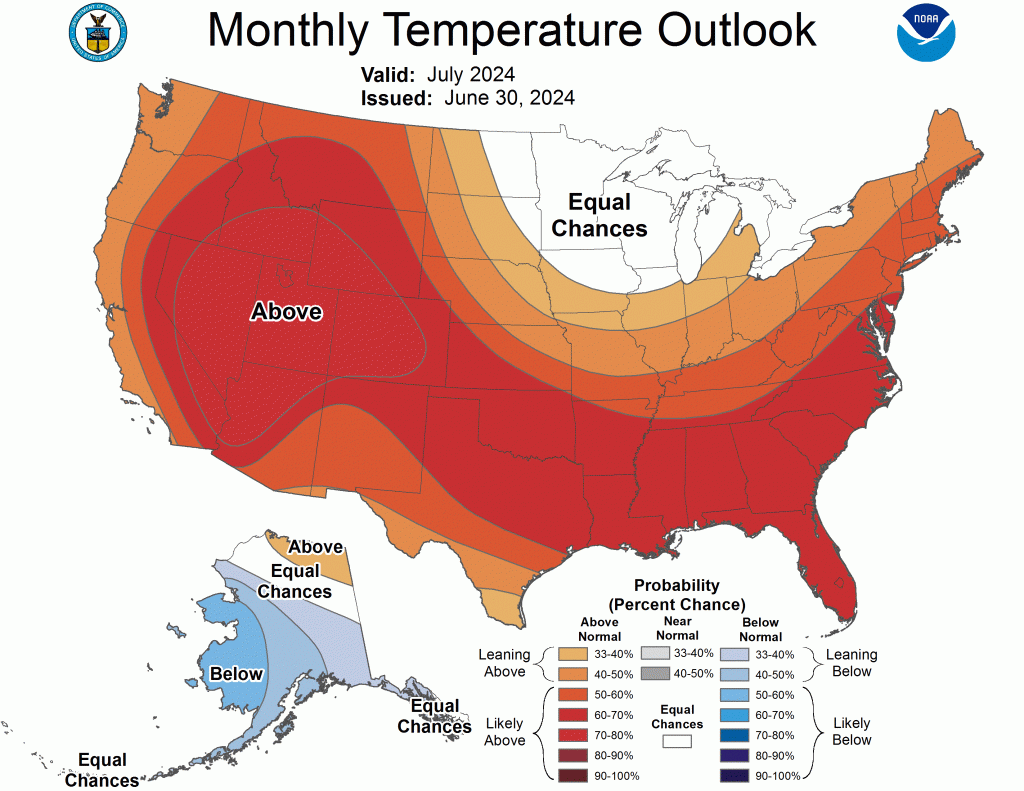
Ultimately, Colorado’s temperature is a thrilling variable, adding to the state’s allure as a top travel destination. It demands a thoughtful approach to planning but rewards visitors with incredibly diverse and memorable experiences. By embracing its climatic variability and preparing accordingly, you can unlock the full potential of your Colorado adventure, making every moment, regardless of the thermometer’s reading, an unforgettable one. So, pack your bags, prepare for anything, and get ready to explore the magic of Colorado in its many wonderful temperatures!
LifeOutOfTheBox is a participant in the Amazon Services LLC Associates Program, an affiliate advertising program designed to provide a means for sites to earn advertising fees by advertising and linking to Amazon.com. Amazon, the Amazon logo, AmazonSupply, and the AmazonSupply logo are trademarks of Amazon.com, Inc. or its affiliates. As an Amazon Associate we earn affiliate commissions from qualifying purchases.