
For any traveler embarking on an adventure to a new city, one of the first questions that often comes to mind is about the weather. “What is the temperature in Detroit today?” is more than just a passing query; it’s a foundational piece of information that dictates packing choices, activity planning, and overall expectations for an enriching travel experience. While the precise, real-time temperature in Detroit, Michigan, fluctuates minute by minute, driven by the whims of the day and season, understanding its broader climate patterns is essential for any visitor. Detroit, nestled in the heart of the Midwest of the United States, is renowned for its distinct four seasons, each offering a unique character and range of temperatures that profoundly shape the visitor’s journey. From crisp, snowy winters that invite cozy indoor exploration to vibrant, warm summers perfect for riverside strolls and outdoor festivals, the temperature in Detroit is a dynamic guide to the city’s pulse and myriad offerings.

Understanding Detroit’s Climate: A Traveler’s Guide
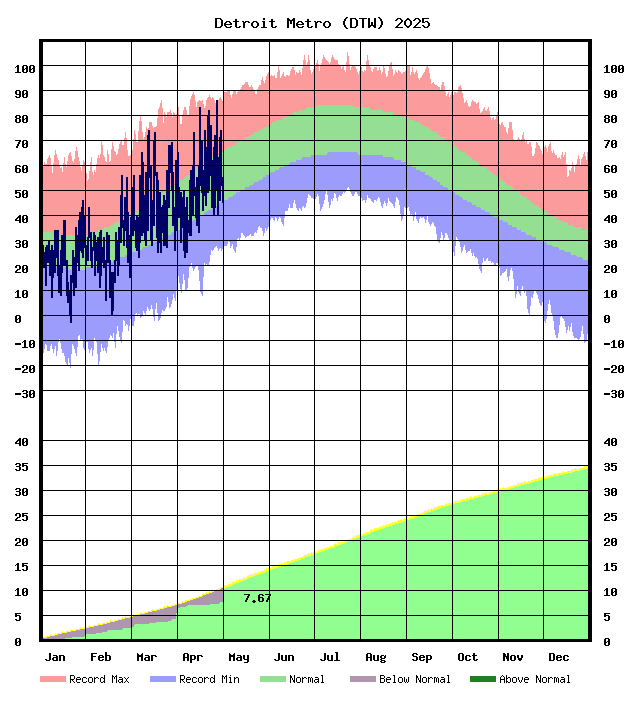
Detroit experiences a humid continental climate, characterized by warm to hot, often humid summers, and cold, snowy winters. The transitional seasons of spring and autumn are typically mild and pleasant, though notorious for their variability. This diverse climate means that planning your trip to Detroit requires a thoughtful consideration of the time of year, as temperatures can swing dramatically between seasons, and even within a single week during spring or fall. Average temperatures vary widely, making weather forecasting a crucial tool for travelers. For instance, a typical summer day might see temperatures soaring into the 80s Fahrenheit (27-32°C), while winter days can frequently dip below freezing, often into the teens or single digits Fahrenheit (-12 to -7°C), sometimes even lower with wind chill.
Seasonal Snapshots: From Winter Wonderland to Summer Sunshine
Winter (December to February): Detroit winters are cold and snowy. Average high temperatures typically hover around the low 30s F (0-2°C), while lows often dip into the teens F (-7 to -12°C). Snowfall is common, transforming the city into a picturesque winter scene, particularly around Campus Martius Park with its ice rink. Travelers during this season should prepare for brisk winds, especially off the Detroit River.
Spring (March to May): Spring is a season of transition, with temperatures gradually warming. Early spring can still feel quite cold, with averages in the 40s F (4-9°C), but by May, temperatures often reach the 60s F (15-20°C). This period is marked by unpredictable weather, with sunny days quickly giving way to rain showers or cooler fronts. Trees and flowers begin to bloom, adding vibrant color to parks like Belle Isle Park.
Summer (June to August): Summers in Detroit are generally warm to hot and often humid. Average highs range from the upper 70s to low 80s F (25-28°C), with nights cooling down to the 60s F (15-20°C). Heatwaves pushing temperatures into the 90s F (32°C and above) are not uncommon, creating ideal conditions for enjoying outdoor attractions such as the Detroit Riverwalk or catching a baseball game at Comerica Park.
Autumn (September to November): Fall is arguably one of the most beautiful times to visit, with crisp air and stunning foliage. September sees mild temperatures in the 60s F (15-20°C), gradually cooling through October and November into the 50s and 40s F (10-15°C and 4-9°C). This season offers comfortable conditions for exploring the city’s neighborhoods and vibrant markets.
Microclimates and Urban Heat Islands
Travelers should also be aware of the “urban heat island” effect within Detroit. Downtown and densely built areas, with their abundance of concrete and asphalt, tend to be slightly warmer than surrounding suburban or rural areas, especially at night. This phenomenon, while subtle, can influence localized temperatures and make the city center feel a degree or two warmer, particularly during summer. Conversely, proximity to the Detroit River or Lake St. Clair can sometimes lead to localized cooling breezes.
Packing Smart for Detroit: Temperature-Driven Essentials
The temperature in Detroit is the primary determinant of your packing list. Being prepared for the full spectrum of weather conditions within each season will ensure a comfortable and enjoyable trip, allowing you to fully immerse yourself in the city’s diverse offerings without being hampered by inappropriate attire.
Dressing for Detroit Winters
For winter visits, warmth is paramount. Essential items include a heavy, insulated, and preferably waterproof winter coat, thermal layers (long underwear, fleece), sweaters, hats, gloves or mittens, and a scarf. Waterproof boots with good traction are crucial for navigating snowy and icy sidewalks, especially if you plan on exploring outdoor areas or visiting events at Campus Martius Park. Don’t underestimate the need for robust protection against the cold; layering is your best strategy.
Embracing Detroit Summers
Summer calls for lightweight, breathable clothing. Think shorts, t-shirts, dresses, and skirts made of cotton or linen. Sun protection is a must: a wide-brimmed hat, sunglasses, and high-SPF sunscreen. Comfortable walking shoes are indispensable for exploring the Detroit Riverwalk, Mexicantown, or attending outdoor concerts. Evenings can be slightly cooler, so a light jacket or cardigan is advisable, especially for dining out or enjoying a sunset cruise on the Detroit River.
Navigating Spring and Fall Transition
These shoulder seasons are the most challenging for packing due to unpredictable temperature swings. Layers are absolutely key. Pack a mix of long-sleeved shirts, sweaters, and t-shirts. A waterproof and windproof jacket or a medium-weight coat is essential, as rain showers are common, and temperatures can drop unexpectedly. Comfortable, water-resistant walking shoes are recommended, as you might encounter anything from warm, sunny days to cool, damp conditions while strolling through Eastern Market or the historic streets of Corktown.
Detroit Experiences Through the Thermometer
Detroit’s temperature directly influences the types of activities and experiences travelers can enjoy. The city truly transforms with each season, offering distinct sets of attractions perfectly suited to the prevailing weather.
Warm Weather Adventures
When temperatures are high, Detroit comes alive outdoors. The Detroit Riverwalk becomes a bustling hub for walkers, cyclists, and families. Belle Isle Park offers a wealth of activities, from visiting the Anna Scripps Whitcomb Conservatory and Belle Isle Aquarium to enjoying paddle sports on the Detroit River or simply relaxing on the beach. Outdoor festivals, concerts, and farmers markets, such as the vibrant Eastern Market, thrive in the sunshine. Sporting events at Comerica Park for baseball or outdoor dining in Midtown and Corktown are quintessential summer Detroit experiences. The Detroit Zoo is also a fantastic warm-weather destination.
Cold Weather Charm
As temperatures drop and snow blankets the city, Detroit shifts its focus indoors, but with no less charm. World-class museums like the Detroit Institute of Arts, the Henry Ford Museum, and the Motown Museum offer hours of captivating exploration, providing warmth and intellectual stimulation. Little Caesars Arena becomes the epicenter for hockey fans. Campus Martius Park transforms into a winter wonderland with an outdoor ice rink and festive decorations, perfect for a cozy evening stroll followed by hot cocoa. Detroit’s thriving culinary scene, from fine dining to casual eateries, provides ample opportunities to savor delicious meals in warm, inviting settings.
Mild Season Exploration
Spring and autumn, with their moderate temperatures, are ideal for extensive walking tours of Detroit’s historic districts and diverse neighborhoods like Corktown, Midtown, and Eastern Market. These seasons are perfect for appreciating the city’s architectural gems without the intensity of summer heat or winter cold. Botanical gardens and parks burst into life in spring or display spectacular fall foliage, making them prime spots for photography and leisurely walks. Outdoor markets are still in full swing, offering fresh produce and local crafts, and many cultural institutions host special events during these pleasant transitional months.

Best Time to Visit Detroit Based on Your Preferred Temperature
The “best” time to visit Detroit largely depends on your personal preferences for temperature and activities:
- For Warmth and Outdoor Activities: June through August are your best bet. Expect consistently warm to hot temperatures, ideal for enjoying the Detroit Riverwalk, Belle Isle Park, outdoor dining, and festivals. Be prepared for occasional humidity.
- For Mild Weather and Sightseeing: May, September, and early October offer comfortable temperatures, fewer crowds than peak summer, and beautiful natural scenery. These shoulder seasons are excellent for walking tours, exploring neighborhoods, and enjoying cultural attractions without extreme weather.
- For Winter Sports and Cozy Charm: December through February are perfect for those who embrace the cold and enjoy snowy landscapes. Indoor attractions, hockey games, and festive events at Campus Martius Park define this period. Just ensure you pack appropriately for very cold temperatures.
- For Budget Travelers and Avoiding Crowds: The very beginning of spring (March/early April) and late fall (November) can offer lower accommodation rates and fewer tourists, though the weather can be quite variable and often chilly.
Ultimately, while you can always check “What is the temperature in Detroit today?” right before your trip, a deeper understanding of Detroit’s seasonal climate will empower you to plan an unforgettable journey, ensuring you’re perfectly prepared for whatever this vibrant Midwestern city throws your way. Each season in Detroit unveils a different facet of its resilient spirit and rich culture, all waiting to be discovered, regardless of the reading on the thermometer.
LifeOutOfTheBox is a participant in the Amazon Services LLC Associates Program, an affiliate advertising program designed to provide a means for sites to earn advertising fees by advertising and linking to Amazon.com. Amazon, the Amazon logo, AmazonSupply, and the AmazonSupply logo are trademarks of Amazon.com, Inc. or its affiliates. As an Amazon Associate we earn affiliate commissions from qualifying purchases.