
Understanding the climate of a destination is paramount to planning a successful and enjoyable trip. For travelers contemplating a visit to Flagstaff, Arizona, grasping its unique temperature patterns is especially crucial. Unlike the scorching desert heat often associated with much of Arizona, Flagstaff offers a distinct, four-season experience, thanks to its significant elevation. This detailed guide delves into Flagstaff’s temperatures throughout the year, equipping you with the knowledge needed to pack smart, plan activities, and make the most of your high-country Arizona adventure.
Flagstaff’s Unique High-Altitude Climate
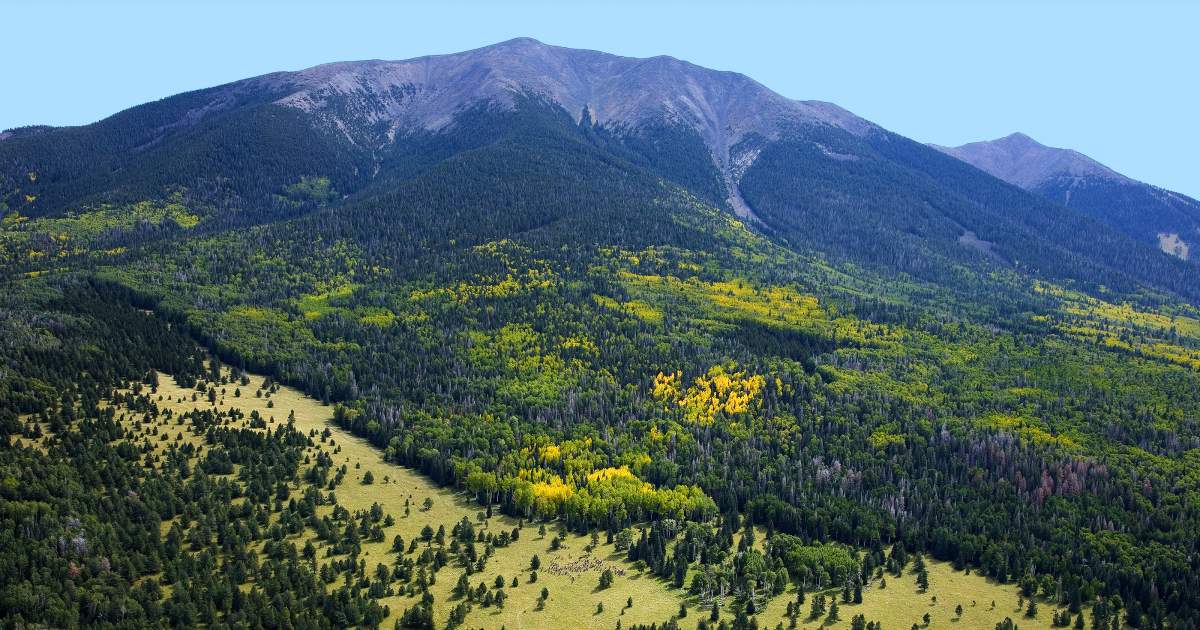
Nestled at an elevation of approximately 7,000 feet (2,135 meters) above sea level, Flagstaff boasts a climate dramatically different from lower-lying cities like Phoenix or Tucson. This elevation is the primary driver of its distinct weather patterns, offering a refreshing escape from the intense summer heat experienced elsewhere in the state and presenting picturesque snowy winters. The city sits on the Colorado Plateau, surrounded by the world’s largest contiguous ponderosa pine forest, and is overlooked by the San Francisco Peaks, which include Mount Humphreys, Arizona’s highest point. This geographical setting contributes to cooler temperatures, increased precipitation, and a clear distinction between seasons, making Flagstaff a year-round travel destination with diverse appeal.

The Influence of Elevation on Temperature
The fundamental rule of meteorology holds true here: for every 1,000-foot increase in elevation, the temperature drops by about 3.5 to 5.5 degrees Fahrenheit (6.5 to 10 degrees Celsius). This explains why Flagstaff consistently registers significantly cooler temperatures than the desert floor. During summer, when Phoenix might be sweltering in 100-degree-plus heat, Flagstaff enjoys comfortable highs in the 80s, with evenings cooling down considerably. In winter, this elevation translates into abundant snowfall, transforming the landscape into a winter wonderland, ideal for skiing and other cold-weather activities. The crisp, clean mountain air is a defining characteristic of Flagstaff’s climate, influencing everything from the local flora and fauna to the types of outdoor recreation available.
Geographical Context: Peaks and Forests
The surrounding Coconino National Forest and the towering San Francisco Peaks act as natural barriers and moderators of Flagstaff’s weather. The dense forest canopy helps to retain moisture and keep ground temperatures lower, especially during the warmer months. The peaks, particularly Humphreys Peak, create microclimates and influence precipitation patterns, often catching moisture-laden clouds and contributing to more snowfall than areas at similar elevations without such prominent topographical features. This unique combination of elevation, dense forest, and surrounding mountains sculpts a climate that is both inviting and invigorating, drawing visitors seeking respite, adventure, or simply a change of scenery.
Seasonal Temperature Breakdown: Planning Your Visit
Understanding Flagstaff’s seasonal temperature fluctuations is key to choosing the best time for your visit and packing appropriately. Each season offers a distinct charm and range of activities, influenced directly by the prevailing temperatures.
Spring: A Gradual Thaw (March – May)
Spring in Flagstaff is a season of transition, marked by gradually warming temperatures but still with the possibility of late-season snow. March can still feel quite wintry, with average highs around 45-50°F (7-10°C) and lows dipping into the 20s (-6°C). Snowfall can occur well into April, adding to the picturesque landscape. By May, temperatures become significantly milder, with average highs reaching the mid-60s (18-20°C) and lows in the 30s-40s (0-4°C). This is a beautiful time for hiking as the snow melts and nature reawakens. Layered clothing is essential, as temperatures can vary widely even within a single day.
Summer: Warm Days, Cool Nights (June – August)
Flagstaff’s summers are famously pleasant, offering a welcome reprieve from the heat of lower elevations. Average daytime highs typically range from the low to mid-80s°F (27-30°C). Crucially, nights are refreshingly cool, often dropping into the 50s°F (10-15°C), making for comfortable sleeping and perfect conditions for evening strolls or stargazing. While sunshine is abundant, summer also brings the annual monsoon season, usually from mid-July through August, characterized by dramatic afternoon thunderstorms that bring brief but intense downpours and lightning. These storms typically clear by evening, leaving behind fresh, clean air. This is prime season for outdoor activities like hiking, mountain biking, and exploring nearby attractions like the Grand Canyon or Oak Creek Canyon.
Autumn: Crisp Air and Fiery Foliage (September – November)
Autumn is arguably one of the most stunning times to visit Flagstaff. The air turns crisp, and the extensive aspen groves and deciduous trees throughout the area erupt in vibrant hues of gold, orange, and red. September still offers mild days, with highs in the 70s°F (21-26°C) and lows in the 40s (4-9°C). By October, the autumnal chill sets in, with highs around the mid-60s (15-18°C) and lows in the 30s-40s (0-4°C). November sees temperatures drop further, with highs in the 40s (4-9°C) and lows often below freezing, hinting at the coming winter. This period is ideal for scenic drives, photography, and enjoying the last of the temperate hiking conditions before the snows arrive.
Winter: A Snowy Wonderland (December – February)
Winter transforms Flagstaff into a true winter wonderland, making it a popular destination for snow sports enthusiasts. Average daytime highs hover in the 30s-40s°F (0-7°C), with nighttime lows frequently dipping into the teens and single digits (-12 to -7°C). Flagstaff receives an average of over 100 inches (254 cm) of snow annually, though this can vary significantly year to year. The Arizona Snowbowl ski resort is a major draw, offering skiing and snowboarding just a short drive from the city. Cross-country skiing, snowshoeing, and simply enjoying the snowy landscapes are also popular. Warm winter clothing, including waterproof outerwear, is essential for enjoying the season comfortably.
Beyond the Thermometer: Factors Influencing Flagstaff’s Weather
While temperature is a key metric, other meteorological factors play a significant role in shaping Flagstaff’s daily weather and overall climate, impacting the travel experience.

Precipitation Patterns: Snow and Monsoons
Flagstaff experiences two primary wet seasons: winter snowfall and summer monsoons. Winter precipitation often comes in the form of heavy snow, providing excellent conditions for winter sports but also necessitating preparedness for road conditions. The monsoon season, typically from mid-July to late August, brings intense but short-lived afternoon thunderstorms. These storms can cause flash flooding in certain areas, particularly canyons and washes, and are often accompanied by dramatic lightning. Travelers during monsoon season should monitor local weather forecasts and be aware of potential hazards, though these storms usually pass quickly, leaving behind cooler, cleaner air.
Sun Intensity at High Altitude
Despite cooler ambient temperatures, the sun’s intensity at Flagstaff’s high elevation is considerably stronger than at sea level. The thinner atmosphere provides less protection from ultraviolet (UV) radiation. Even on cloudy or cool days, sunburn can occur quickly. This means sun protection — including sunscreen, hats, and sunglasses — is crucial year-round, regardless of the temperature. The bright Arizona sun also makes the snow appear even more dazzling in winter but requires eye protection to prevent snow blindness.
Wind Conditions
Wind can be another factor influencing the perceived temperature in Flagstaff, particularly during spring and winter. Gusty winds can make cool temperatures feel much colder due to wind chill. Travelers engaged in outdoor activities, especially those at higher elevations or in exposed areas, should factor wind into their clothing choices to remain comfortable and safe. The combination of cold temperatures and strong winds can quickly lead to hypothermia if not properly dressed.
Preparing for Flagstaff’s Temperatures: What to Pack and Expect
Thoughtful packing is vital for a comfortable and enjoyable trip to Flagstaff, regardless of the season. Given the potential for significant temperature swings and the influence of other weather factors, versatility in your wardrobe is key.
Layering is Key
Due to Flagstaff’s high elevation and the potential for temperature variations within a single day, layering is the golden rule for packing. Start with a moisture-wicking base layer, add an insulating middle layer (fleece or down vest), and finish with a waterproof and windproof outer shell. This allows you to easily add or shed layers as temperatures fluctuate from morning to midday to evening, or as you move between sun and shade.
Hydration and Sun Protection Year-Round
As mentioned, the high altitude increases sun intensity and can also lead to faster dehydration. Always carry a water bottle and stay well-hydrated, even during cooler months. Sunscreen with a high SPF, a wide-brimmed hat, and UV-protective sunglasses are non-negotiable essentials for any time of year in Flagstaff.
Footwear and Gear for Specific Seasons
- Spring/Fall: Comfortable, sturdy hiking shoes or boots are ideal for exploring trails, especially waterproof ones, as melting snow or autumn rains can create muddy conditions.
- Summer: Lighter hiking shoes, sandals, and breathable athletic wear are suitable. Rain gear (a light waterproof jacket) is advisable for monsoon season.
- Winter: Waterproof, insulated boots with good traction are essential for navigating snow and ice. Warm socks, thermal underwear, heavy coats, hats, gloves, and scarves are absolute necessities for staying warm while enjoying winter activities at places like Arizona Snowbowl or simply walking around town.
Experiencing Flagstaff Year-Round: Activities for Every Climate
Flagstaff’s diverse temperatures ensure that there’s always something to see and do, making it an appealing destination throughout the year.
Winter Adventures
When the snow falls, Flagstaff becomes a hub for winter sports. Arizona Snowbowl offers skiing and snowboarding for all skill levels. For those who prefer a more serene experience, cross-country skiing and snowshoeing trails abound in the surrounding Coconino National Forest. Cozy up by a fireplace in one of the city’s charming lodges after a day on the slopes, or explore the festive downtown area, often adorned with twinkling lights.
Spring and Fall Explorations
These shoulder seasons offer some of the most pleasant temperatures for outdoor activities. Hiking and mountain biking are excellent, with trails winding through pine forests and offering breathtaking views. Spring brings wildflowers and melting snow creating rushing streams, while fall captivates with its spectacular display of autumn colors, particularly along Lockett Meadow or the Inner Basin Trail. It’s also a fantastic time for scenic drives to nearby attractions like Sedona or the Grand Canyon, experiencing fewer crowds and comfortable temperatures.
Summer Escapes
Flagstaff’s mild summers are perfect for escaping the intense heat of lower elevations. Popular activities include hiking the numerous trails, exploring the Arizona Trail, or visiting historical sites like the Wupatki National Monument and Sunset Crater Volcano National Monument. Evenings are ideal for outdoor dining, enjoying live music, or simply taking in the cool, crisp mountain air under a canopy of stars. The summer months also host various festivals and events, adding to the vibrant atmosphere.
In conclusion, the temperature in Flagstaff, Arizona, is far from the stereotypical desert heat. Its high-altitude location blesses it with four distinct and enjoyable seasons, each offering unique opportunities for travelers. By understanding these temperature patterns and preparing accordingly, visitors can ensure a comfortable, adventurous, and memorable experience in this stunning Arizona mountain town.
LifeOutOfTheBox is a participant in the Amazon Services LLC Associates Program, an affiliate advertising program designed to provide a means for sites to earn advertising fees by advertising and linking to Amazon.com. Amazon, the Amazon logo, AmazonSupply, and the AmazonSupply logo are trademarks of Amazon.com, Inc. or its affiliates. As an Amazon Associate we earn affiliate commissions from qualifying purchases.