
Florida, a state synonymous with sunshine and warmth, beckons travelers year-round with its diverse landscapes and vibrant attractions. Understanding the prevailing temperature is a crucial element in planning any successful trip to the Sunshine State. Whether you’re dreaming of relaxing on the pristine beaches of Miami, exploring the magical theme parks of Orlando, or discovering the untamed beauty of the Everglades National Park, knowing the mercury’s reading will help you pack appropriately, schedule your outdoor activities wisely, and truly maximize your Florida experience. This guide delves into the typical weather patterns across the state, offering insights for travelers aiming to bask in the Florida sun at its best.
Understanding Florida’s Climate Zones
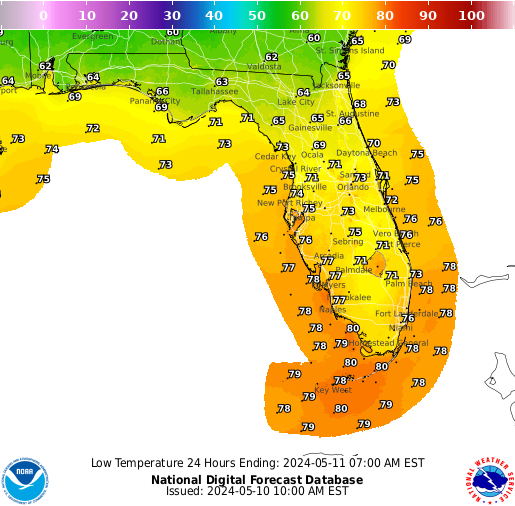
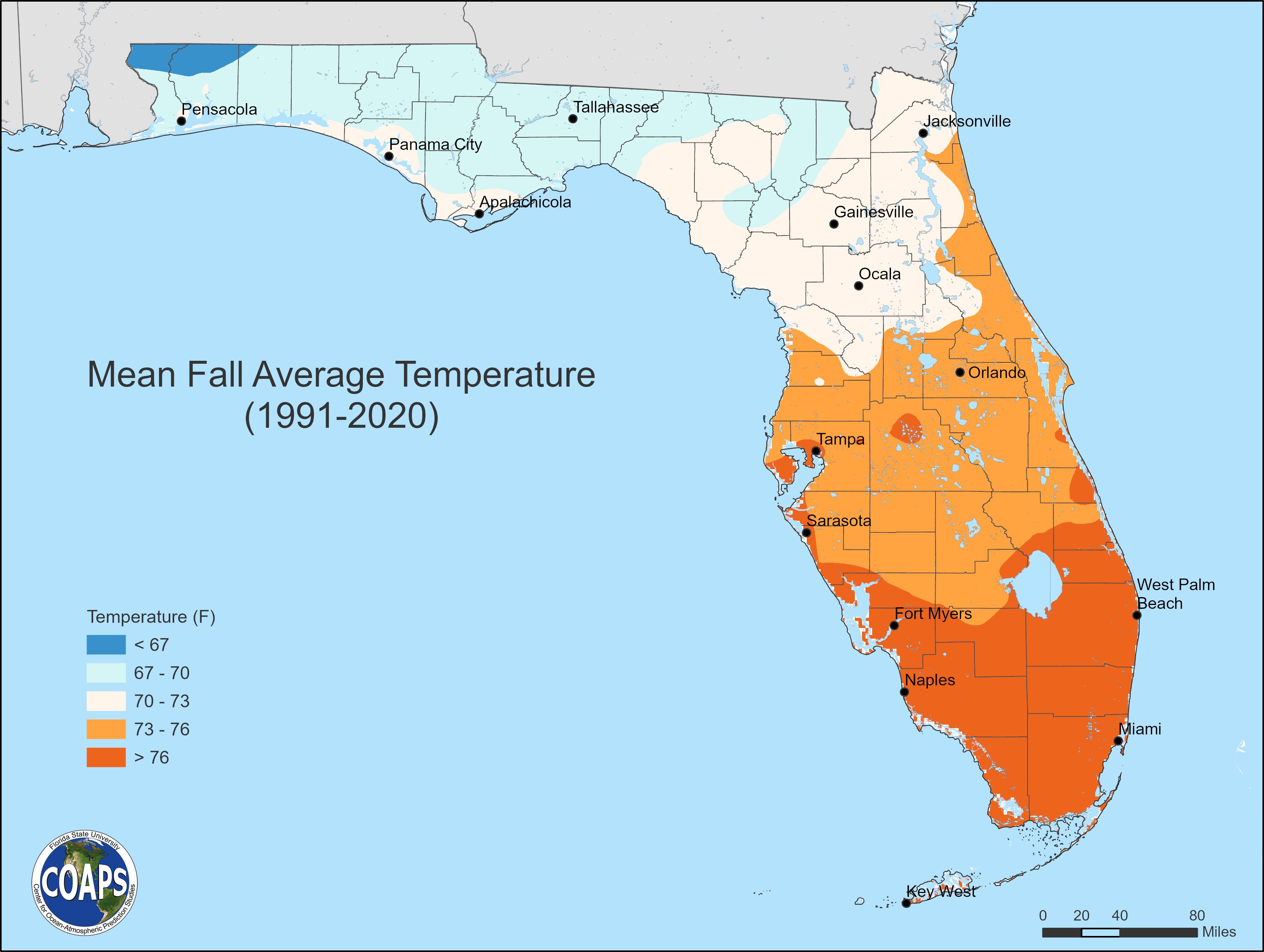
Florida boasts a subtropical to tropical climate, heavily influenced by its peninsular geography and proximity to the Atlantic Ocean and the Gulf of Mexico. This means the state can be broadly divided into a few distinct climate zones, each with its own subtle variations in temperature and humidity. Recognizing these nuances is key to predicting today’s weather with accuracy.
North Florida
The northern reaches of Florida, including cities like Jacksonville and Tallahassee, experience a more temperate climate compared to the southern parts of the state. Summers here can be hot and humid, but winters are noticeably cooler, sometimes even dipping below freezing on occasion. Travelers visiting in December or January might experience crisp, cool mornings, making it ideal for exploring historical sites or enjoying outdoor festivals without the intense heat.
Central Florida
Home to the world-renowned theme parks, Central Florida, encompassing areas like Orlando and Tampa, enjoys a predominantly warm climate throughout the year. While summers are hot and characterized by frequent afternoon thunderstorms, the shoulder seasons of spring and fall offer pleasant temperatures perfect for park visits and outdoor adventures. Winters are generally mild, with occasional cooler fronts that bring a welcome respite from the humidity.
South Florida
The southernmost part of the state, including Miami, Fort Lauderdale, and the Florida Keys, features a true tropical climate. Here, temperatures remain warm to hot year-round, with very little seasonal variation in terms of daytime highs. Humidity is a constant companion, and the rainy season typically runs from June to September, often marked by short, intense downpours that quickly give way to sunshine. This region is ideal for those seeking consistent warmth and sunshine for beach activities.
Factors Influencing Daily Temperatures
While broad climate zones offer a general understanding, several dynamic factors influence the actual temperature in Florida on any given day, making real-time information essential for immediate travel plans.
Sea Breezes and Land Breezes
The coastal influence is profound, especially in populated areas. Sea breezes, which occur during the day, bring cooler air from the ocean inland, moderating temperatures along the coast. Conversely, land breezes at night can push slightly warmer air from the land towards the sea. This phenomenon means coastal cities like St. Petersburg might experience slightly different readings than inland locations just a few miles away, even within the same metropolitan area.
Humidity Levels
Florida is renowned for its high humidity, which significantly impacts how the temperature feels. A high temperature with low humidity feels much more comfortable than the same temperature with high humidity. On a 90°F day, the “feels like” temperature, often referred to as the heat index, can easily climb into the triple digits due to the moisture in the air. Travelers should always consider the humidity when planning outdoor activities, especially during the summer months.
Cold Fronts and Weather Systems
The weather in Florida is not static. Cold fronts, particularly from the north and west during the fall and winter, can dramatically alter temperatures, bringing a significant drop that can last for a few days. Likewise, tropical systems, including hurricanes, can cause extreme temperature fluctuations and are a significant consideration for travelers during the Atlantic hurricane season (June 1 to November 30). Monitoring weather alerts is crucial when these systems are active.
Time of Day and Sun Angle
Naturally, the time of day plays a vital role. Mornings are generally cooler, with temperatures rising steadily throughout the day to reach their peak in the mid-afternoon. The angle of the sun, determined by the season, also affects the intensity of solar radiation and thus the ambient temperature.
Real-Time Temperature Monitoring for Your Trip
To get the most accurate, up-to-the-minute temperature for your specific destination in Florida, leveraging reliable weather resources is indispensable. This allows for immediate adjustments to your itinerary and packing.
Utilizing Weather Apps and Websites
Numerous reputable weather applications and websites provide detailed, localized forecasts for Florida. These platforms typically offer current temperatures, hourly forecasts, extended outlooks, and crucial information such as wind speed, precipitation chances, and humidity levels. Popular choices include the National Weather Service, AccuWeather, and The Weather Channel. Many also offer real-time radar to track approaching weather systems.
Checking Local News and Tourism Boards
Local news channels and official tourism websites for specific cities or regions within Florida often feature dedicated weather segments or current conditions pages. These can provide localized insights, especially during unusual weather events. For instance, a tourism board for the Florida Keys might offer specific advice relevant to island weather patterns.
Considering the “Feels Like” Temperature
As mentioned, the heat index is a critical factor in Florida. When checking the temperature, always look for the “feels like” or heat index value. This metric combines temperature and humidity to give a more realistic representation of how hot it will actually feel. This is particularly important when planning strenuous outdoor activities or when traveling with vulnerable individuals like children or the elderly.
Packing and Activity Planning Based on Temperature
Armed with knowledge about the day’s temperature, you can make informed decisions about what to wear and what activities are most suitable, ensuring a comfortable and enjoyable trip to Florida.
Dressing for the Occasion
- Warm to Hot Conditions (75°F and above): Lightweight, breathable clothing is paramount. Think cotton, linen, or moisture-wicking synthetic fabrics. Shorts, t-shirts, sundresses, and sandals are ideal. Don’t forget a wide-brimmed hat and sunglasses for sun protection.
- Mild Conditions (60-75°F): Layers are your best friend. A light long-sleeved shirt or a light jacket over a t-shirt will suffice. This is perfect weather for exploring cities like St. Augustine or enjoying outdoor dining.
- Cooler Conditions (Below 60°F): While rare in much of the state, especially in winter, if temperatures drop, bring a warmer jacket, sweater, and possibly long pants. This might be relevant for early morning or late evening excursions, particularly in North Florida.

Activity Recommendations
- High Temperatures and Humidity: Focus on water-based activities like swimming at Clearwater Beach, visiting water parks like Typhoon Lagoon, or exploring indoor attractions like museums or theme park rides during the hottest parts of the day. Schedule outdoor exploration for early mornings or late afternoons.
- Mild Temperatures: This is prime time for exploring outdoor attractions such as Everglades National Park, visiting historical landmarks, taking scenic drives, or enjoying theme park parades and shows.
- Cooler Temperatures: Ideal for walking tours, visiting botanical gardens, or enjoying outdoor sporting events. The crisp air can make exploring cities like Savannah (just across the border in Georgia, but often considered in travel planning for North Florida) or historic districts particularly pleasant.
By staying informed about the daily temperature and understanding the subtle climatic variations across the state, travelers can transform a potentially uncomfortable experience into a truly memorable one, fully embracing the allure of Florida in any season.
LifeOutOfTheBox is a participant in the Amazon Services LLC Associates Program, an affiliate advertising program designed to provide a means for sites to earn advertising fees by advertising and linking to Amazon.com. Amazon, the Amazon logo, AmazonSupply, and the AmazonSupply logo are trademarks of Amazon.com, Inc. or its affiliates. As an Amazon Associate we earn affiliate commissions from qualifying purchases.