
When planning a journey to the heart of the Pacific Ocean, the primary question on every traveler’s mind is often: “What is the temperature in Honolulu, Hawaii?” Known for its eternal summer and balmy trade winds, Honolulu offers some of the most consistent and inviting weather in the United States. However, understanding the subtle shifts in temperature and climate is essential for maximizing your experience in this tropical paradise. Whether you are aiming to sunbathe on Waikiki Beach or hike the rugged trails of the Diamond Head State Monument, knowing what to expect from the skies above will help you pack, plan, and participate in the local culture with ease.

Understanding Honolulu’s Tropical Climate and Seasonal Variations
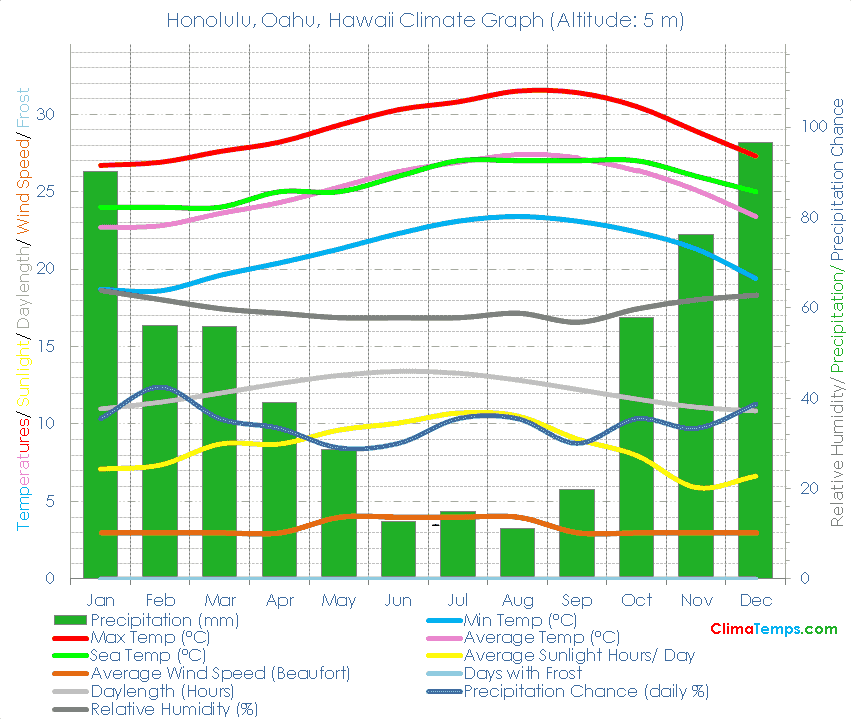
Honolulu enjoys a tropical semi-arid climate, which translates to warm temperatures year-round with distinct “dry” and “wet” seasons. Unlike continental climates that experience four dramatic seasons, Hawaii primarily alternates between summer (kau) and winter (hooilo).
The Dry Season: Summer in the Central Pacific
From May through October, Honolulu experiences its summer season. During these months, the average high temperatures hover between 85°F and 88°F (29°C to 31°C). The “dry” label is accurate; rainfall is infrequent in the city center, though the lush mountain peaks behind the Nuʻuanu Valley may still catch a passing cloud. This is the peak time for tourists seeking guaranteed sunshine for ocean-based activities. The humidity is moderated by the legendary trade winds—northeasterly breezes that act as nature’s air conditioning, making even the hottest afternoons at Ala Moana Center feel refreshing.
The Wet Season: Mild Winters and Tropical Showers
Winter in Honolulu runs from November through April. If you are worried about the cold, rest assured that “winter” here is a relative term. High temperatures typically range from 78°F to 82°F (25°C to 28°C), while nighttime lows rarely dip below 65°F (18°C). This season brings more frequent rain, often in the form of short, intense tropical bursts followed by vibrant rainbows. These showers keep the island’s landscape incredibly green and are rarely a deterrent for visitors. In fact, many tourists prefer the winter months to escape the freezing temperatures of North America or Europe, finding the mild Honolulu air to be perfect for long walks through the Foster Botanical Garden.
Maximizing Your Itinerary Based on Local Weather Patterns
The temperature in Honolulu dictates the rhythm of daily life. Local tourism flourishes because the climate supports a wide array of activities, from high-energy water sports to contemplative historical tours.
Outdoor Adventures: From Surfing to Mountain Trekking
The water temperature in Honolulu remains remarkably stable, averaging 76°F in the winter and 80°F in the summer. This makes Waikiki a year-round destination for swimmers and novice surfers. If you are looking for more adventurous waters, the winter swells on the North Shore of Oahu attract professional surfers from around the globe, but the city-side beaches remain calm and inviting.
For those who prefer land to sea, the morning temperature is the most critical factor. To hike Diamond Head or the Koko Head District Park stairs, it is highly recommended to start at sunrise. By 10:00 AM, the sun can be intense, especially on the unshaded volcanic slopes. Conversely, a trek to Manoa Falls is best enjoyed during the “wet” season, when the waterfall is at its most thunderous and the canopy provides a cool, damp respite from the coastal heat.
Cultural Festivals and Seasonal Events
Tourism in Honolulu is deeply tied to the weather and the sea. The Aloha Festivals in September take advantage of the warm, dry evenings for large-scale block parties and parades along Kalakaua Avenue. During the winter, the Honolulu City Lights celebration transforms the area around Honolulu Hale into a festive wonderland, where the mild evening temperatures allow families to enjoy outdoor displays without the need for heavy coats.
History buffs visiting the Pearl Harbor National Memorial or the USS Arizona Memorial should be mindful of the afternoon sun. These sites involve significant time spent on open piers and decks. Planning these visits for the early morning ensures a more comfortable temperature while paying respects at this significant United States landmark.
Essential Travel Tips for Navigating Honolulu’s Microclimates
One of the most fascinating aspects of Oahu is its microclimates. You might experience a downpour while visiting the Lyon Arboretum in the morning and be back in the scorching sun at Hanauma Bay Nature Preserve by lunchtime.
Packing Strategies for Every Forecast
Because the temperature in Honolulu stays warm, your suitcase should focus on lightweight, breathable fabrics. Linen and cotton are the preferred choices for locals and savvy tourists alike. However, don’t forget a light waterproof jacket or a sturdy umbrella for those sudden tropical showers, especially if you plan to explore the windward side of the island or visit Lanikai Beach.
Additionally, if you plan to venture to higher elevations—such as a trip to the Pali Lookout or an evening at the Polynesian Cultural Center on the north side—a light sweater or pashmina is useful. The wind at the lookout can be surprisingly chilly, even when the thermometer in downtown Honolulu reads 80°F.
Best Times to Visit for Avoiding Crowds and Heat
For the ideal balance of perfect temperature and manageable crowd levels, many tourism experts recommend the “shoulder seasons” of mid-April to early June and September to mid-November. During these windows, the heat is not as oppressive as the peak of August, and you avoid the major holiday rushes of Christmas and Spring Break.
Visiting landmarks like Iolani Palace or the Bishop Museum during these times allows for a more intimate experience. The interior of Iolani Palace, the only royal palace on United States soil, is carefully climate-controlled to preserve its historical artifacts, providing a wonderful midday escape from the outdoor heat.
The Influence of Weather on Honolulu’s Culinary and Nightlife Scenes
The temperature in Honolulu doesn’t just dictate what you wear; it influences how you eat and socialize. The city’s food culture is built around the abundance provided by its tropical environment.
Farmers Markets and Fresh Island Produce
The warm climate allows for a year-round growing season. Tourism in Honolulu isn’t complete without a visit to the Kapiolani Community College Farmers Market. Here, the morning temperature is perfect for strolling between stalls of sun-ripened pineapples, papayas, and locally grown Kona Coffee. The heat of the day makes the local “shave ice” a mandatory culinary experience. Stopping at a local shop near Kakaako for a finely shaved ice topped with guava and passion fruit syrup is the traditional Hawaiian way to beat the midday sun.
Sunset Cocktails and Evening Entertainment
As the sun begins to dip below the horizon, usually between 6:00 PM and 7:00 PM depending on the season, the temperature in Honolulu settles into a perfect “golden hour.” This is the prime time for open-air dining. Many of the city’s best restaurants are located within world-class resorts like the Royal Hawaiian Hotel or the Moana Surfrider.
Evening entertainment often moves outdoors to take advantage of the cool night air. Whether it’s watching a hula performance under the stars at Kapiolani Park or enjoying live music at the International Market Place, the consistent warmth ensures that your evenings are never cut short by a chill. For a more modern vibe, the rooftop bars in Waikiki offer stunning views of the city lights and the dark expanse of the Pacific Ocean, all enjoyed in short sleeves and sundresses.
In conclusion, while the question “What is the temperature in Honolulu, Hawaii?” has a simple numerical answer, the reality of the climate is much richer. It is a weather pattern that invites exploration, celebrates the natural world, and fosters a lifestyle of relaxation and “Aloha.” By understanding the nuances of the seasons and microclimates, you can ensure that your visit to Honolulu is as comfortable as it is unforgettable. From the historic halls of Pearl Harbor to the summit of Diamond Head, the Hawaiian sun is waiting to welcome you to the islands.
LifeOutOfTheBox is a participant in the Amazon Services LLC Associates Program, an affiliate advertising program designed to provide a means for sites to earn advertising fees by advertising and linking to Amazon.com. Amazon, the Amazon logo, AmazonSupply, and the AmazonSupply logo are trademarks of Amazon.com, Inc. or its affiliates. As an Amazon Associate we earn affiliate commissions from qualifying purchases.