
When planning a trip to Juneau, Alaska, understanding the local climate is paramount to ensuring a comfortable and memorable experience. The weather in Alaska’s capital city is a defining characteristic, shaping everything from the types of activities available to the clothing you’ll need to pack. While Juneau is known for its stunning natural beauty, embracing its cool, temperate rainforest climate is key to appreciating its unique charm. This guide delves into the typical temperatures and weather patterns you can expect throughout the year, offering insights to help you make the most of your Juneau adventure.

Understanding Juneau’s Climate: A Tale of Two Seasons
Juneau experiences a maritime climate, heavily influenced by its coastal location and the surrounding temperate rainforest. This means it’s generally milder than inland Alaska, but also wetter. The city is characterized by a distinct division between its warmer, wetter summer months and its colder, snowier winter months. Understanding these seasonal shifts will help you tailor your itinerary and packing list effectively.
Summer in Juneau: Mild and Misty
The summer months in Juneau, typically from June through August, offer the most pleasant weather for visitors. During this period, temperatures are generally mild, with average daily highs hovering around the mid-60s Fahrenheit (approximately 18-20 degrees Celsius). Overnight lows usually dip into the mid-40s Fahrenheit (around 7-9 degrees Celsius). While these temperatures are comfortable for outdoor exploration, it’s important to remember that Juneau is a rainforest. This means that rain is a frequent companion, even during the summer. Expect overcast skies and misty conditions regularly, with sunshine interspersed.
Despite the potential for rain, summer is the peak tourist season in Juneau, and for good reason. The longer daylight hours, with the sun setting late into the evening, allow for extended exploration of the city’s many attractions. This is the ideal time to embark on glacier tours, hike through lush forests, or take a scenic boat trip to spot whales and other marine life. The Mendenhall Glacier, a prominent natural wonder, is accessible and breathtaking during these months. The city comes alive with activity, and many local businesses and tour operators are in full swing. Packing layers is essential, as even on warmer days, the ocean breeze can carry a chill. Waterproof outer layers, comfortable walking shoes, and insect repellent are highly recommended for summer visits.
Winter in Juneau: Cold and Snowy
The winter months in Juneau, generally from November through March, transform the landscape into a snowy wonderland. Temperatures drop significantly, with average daily highs typically ranging from the mid-20s to low 30s Fahrenheit (around -4 to 0 degrees Celsius). Overnight lows can plunge into the teens Fahrenheit (below -7 degrees Celsius) or even colder. Snowfall is common and often substantial, blanketing the mountains and providing opportunities for winter sports.
While winter might seem challenging for a visit, it offers a unique and magical perspective of Juneau. The snow-covered peaks and the quiet, serene atmosphere create a distinct charm. For those who enjoy winter activities, Juneau is an excellent destination. Skiing and snowboarding are popular at the Eaglecrest Ski Area on Douglas Island. Snowshoeing and cross-country skiing are also widely enjoyed on trails around the city. Even if you’re not an avid winter sports enthusiast, a visit during this time can be rewarding. The city’s cozy lodges and restaurants offer a warm respite from the cold, and the possibility of seeing the Northern Lights, though less frequent in Juneau due to light pollution, adds an element of enchantment. Packing for winter requires serious consideration for warmth: insulated coats, thermal layers, waterproof boots, hats, and gloves are indispensable.
Seasonal Temperature Breakdown and What to Expect
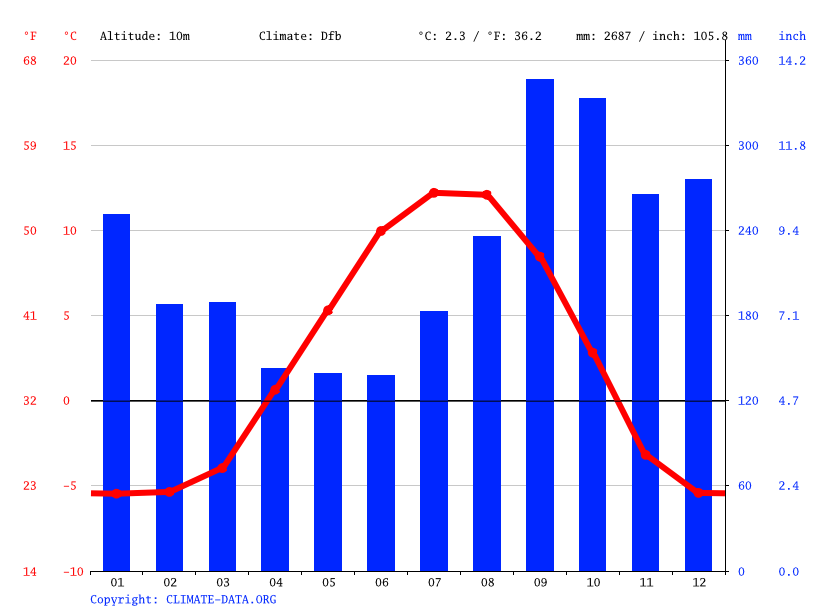
To provide a more detailed understanding, let’s break down the typical temperature ranges month by month. This granular view can assist in precise planning for your Juneau getaway.
Spring (April – May)
April and May represent the shoulder seasons in Juneau, bridging the gap between winter and summer. During these months, the weather can be quite variable. Temperatures begin to rise, but it’s still common to experience a mix of lingering snow, rain, and even some sunshine.
- April: Average daily highs are typically in the low 40s Fahrenheit (around 4-6 degrees Celsius), with lows in the high 20s to low 30s Fahrenheit (around -1 to 2 degrees Celsius). Snowfall is still possible, especially earlier in the month, but it begins to transition to rain.
- May: Temperatures start to climb more noticeably. Average highs move into the low to mid-50s Fahrenheit (around 10-13 degrees Celsius), while lows are in the low 30s to low 40s Fahrenheit (around 1-5 degrees Celsius). The landscape begins to thaw, and wildflowers start to bloom, though the rainforest remains lush and green year-round.
Spring in Juneau is a time of transition. While the weather can be unpredictable, it offers fewer crowds and potentially lower accommodation prices compared to the peak summer months. It’s a good time for those seeking a quieter experience and who don’t mind a bit of dampness and cooler temperatures. Activities begin to ramp up as the snow melts, and some boat tours may start operating.

Summer (June – August)
As previously mentioned, June, July, and August are the warmest and most popular months in Juneau.
- June: Average highs are in the mid-60s Fahrenheit (around 18-20 degrees Celsius), with lows in the mid-40s Fahrenheit (around 7-9 degrees Celsius). Daylight hours are at their longest, offering almost 18 hours of daylight in late June.
- July: Often the warmest month, with average highs in the mid-60s Fahrenheit (around 18-20 degrees Celsius) and lows in the mid-40s Fahrenheit (around 7-9 degrees Celsius).
- August: Similar to June and July, with average highs in the mid-60s Fahrenheit (around 18-20 degrees Celsius) and lows in the mid-40s Fahrenheit (around 7-9 degrees Celsius). Rainfall is at its highest during these months, so packing rain gear is non-negotiable.
Summer is the prime time for experiencing Juneau’s iconic attractions. The Mendenhall Glacier, the Tracy Arm Fjord, and the various wildlife viewing opportunities are at their best. The city offers a plethora of guided tours, from kayaking expeditions in the surrounding waters to aerial tramway rides up Mount Roberts for panoramic views. The vibrant atmosphere of the summer season makes it an ideal time for families and adventure seekers.
Autumn (September – October)
September and October mark the transition back towards winter, with a distinct shift in both temperature and precipitation. The autumn colors in Juneau are often spectacular, though they can be muted by the frequent rain.
- September: Temperatures begin to cool. Average highs are in the low 50s Fahrenheit (around 10-12 degrees Celsius), with lows in the low 40s Fahrenheit (around 5-7 degrees Celsius). Rainfall is still significant, but the days are shorter than in summer.
- October: Temperatures drop further. Average highs are in the low 40s Fahrenheit (around 4-6 degrees Celsius), with lows in the high 20s to low 30s Fahrenheit (around -1 to 2 degrees Celsius). Snowfall becomes more likely, particularly in late October, and the first significant snows can occur at higher elevations.
Autumn in Juneau offers a quieter, more contemplative experience. The crisp air and changing foliage can be beautiful, and there are still opportunities for hiking and enjoying the scenery. Some tour operators may continue to run through September, but many operations wind down by October. This season is perfect for travelers seeking fewer crowds and a more serene atmosphere, provided they are prepared for cooler, wetter conditions.
Winter (November – March)
As detailed earlier, winter is characterized by cold temperatures and significant snowfall.
- November: Average highs are in the low 30s Fahrenheit (around 0-2 degrees Celsius), with lows in the low 20s Fahrenheit (around -5 to -3 degrees Celsius). Snowfall becomes increasingly common and persistent.
- December: The coldest month, with average highs in the mid-20s Fahrenheit (around -4 to -2 degrees Celsius) and lows in the mid-teens Fahrenheit (around -9 to -7 degrees Celsius). Snow is a constant presence.
- January: Similar to December, with average highs in the mid-20s Fahrenheit (around -4 to -2 degrees Celsius) and lows in the mid-teens Fahrenheit (around -9 to -7 degrees Celsius).
- February: Temperatures remain cold, with average highs in the mid-20s Fahrenheit (around -4 to -2 degrees Celsius) and lows in the mid-teens Fahrenheit (around -9 to -7 Celsius).
- March: A gradual warming begins, but it remains firmly in winter conditions. Average highs are in the low 30s Fahrenheit (around 0-2 degrees Celsius), with lows in the low 20s Fahrenheit (around -5 to -3 degrees Celsius). Snow is still prevalent, and the melting process starts later in the month.
Winter in Juneau is for those who embrace the cold and snow. It’s an opportunity for winter sports, enjoying the festive atmosphere around the holidays, and experiencing the stark, beautiful winter landscapes of Alaska. The Alaska State Museum and other indoor attractions provide excellent options for escaping the elements.
Planning Your Visit: What to Pack for Juneau’s Weather
Regardless of the season, Juneau’s weather demands a thoughtful approach to packing. Layering is the golden rule, allowing you to adjust your clothing to changing temperatures and activity levels.
- Base Layers: Moisture-wicking thermal underwear (long johns and long-sleeved shirts) are essential, especially for spring, autumn, and winter.
- Mid Layers: Fleece jackets, sweaters, or down vests provide insulation.
- Outer Layers: A waterproof and windproof jacket with a hood is crucial for all seasons. Waterproof pants are also highly recommended, particularly for summer and autumn.
- Footwear: Comfortable, waterproof walking shoes or hiking boots are a must. Consider bringing extra pairs, as they might get wet. For winter, insulated, waterproof boots are essential.
- Accessories: A warm hat, gloves or mittens, and a scarf are vital for cooler months. Even in summer, they can be useful for windy boat trips or cooler evenings.
- Other Essentials: Sunscreen (even on cloudy days), sunglasses, insect repellent (especially for summer), and a reusable water bottle are always good to have.
Remember that while Juneau can experience a range of temperatures, its consistent rainfall means that being prepared for damp conditions will significantly enhance your comfort. Whether you’re planning to explore the Tracy Arm Fjord, hike near the Mendenhall Glacier, or simply wander through the charming streets of downtown Juneau, understanding and preparing for the weather will ensure your Alaska adventure is everything you hoped for.
LifeOutOfTheBox is a participant in the Amazon Services LLC Associates Program, an affiliate advertising program designed to provide a means for sites to earn advertising fees by advertising and linking to Amazon.com. Amazon, the Amazon logo, AmazonSupply, and the AmazonSupply logo are trademarks of Amazon.com, Inc. or its affiliates. As an Amazon Associate we earn affiliate commissions from qualifying purchases.