
Understanding the climate of Key West is fundamental to planning an unforgettable visit to this vibrant island paradise. Far from a simple number, the temperature in Key West is a gateway to understanding its unique atmosphere, the best times to visit, and how to pack for your tropical adventure. This southernmost point of the continental United States enjoys a tropical savanna climate, characterized by warm temperatures year-round, distinct wet and dry seasons, and a refreshing sea breeze that often mitigates the intensity of the sun.
The allure of Key West lies not just in its historical charm and lively conch republic spirit, but also in its consistently pleasant weather. Whether you’re dreaming of exploring Mallory Square at sunset, diving in the crystal-clear waters, or simply strolling down the colorful streets of Old Town, knowing the temperature will directly influence your experience. This guide delves into the nuances of Key West’s climate, offering insights to help you make the most of your journey to this enchanting destination.
Understanding Key West’s Tropical Climate
Key West’s location at the tip of the Florida Keys archipelago dictates its subtropical, bordering on tropical, climate. This means you can generally expect warm weather throughout the year, but with variations that are important for travel planning. The island is blessed with an average of 3,000 hours of sunshine annually, making it a perennial favorite for those seeking to escape colder climates.
The proximity to the ocean plays a crucial role in moderating temperatures. Unlike inland areas that might experience more extreme temperature fluctuations, Key West’s coastal position ensures that the mercury rarely dips to uncomfortable lows or climbs to unbearable highs for extended periods. The prevailing winds, primarily from the southeast, contribute to a refreshing breeze that can make even the warmest days feel more bearable.
Seasonal Temperature Breakdown
While Key West is warm year-round, there are distinct differences between seasons that impact visitor experience and activities.
The Dry Season (December to April)
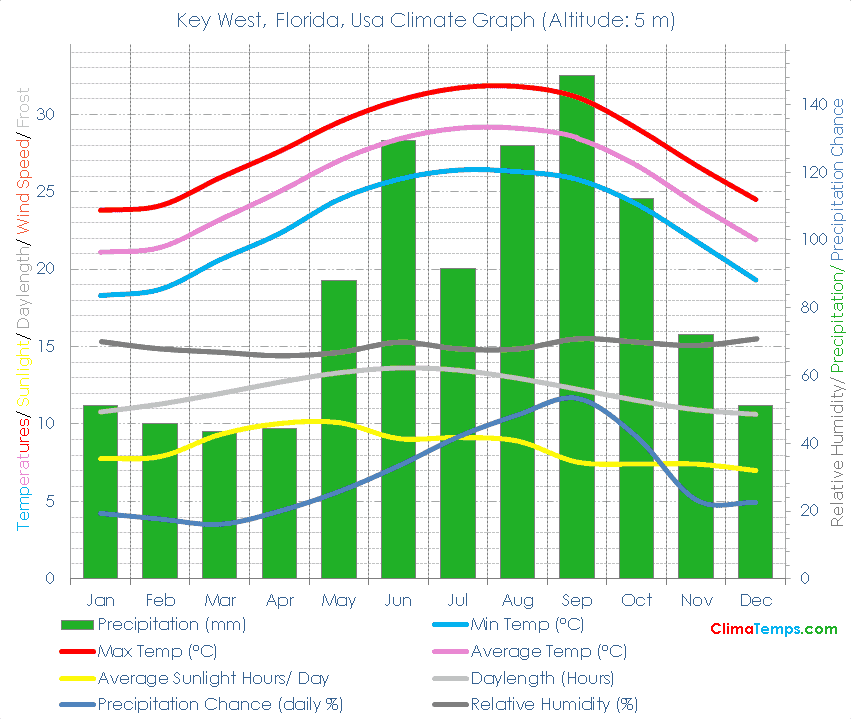
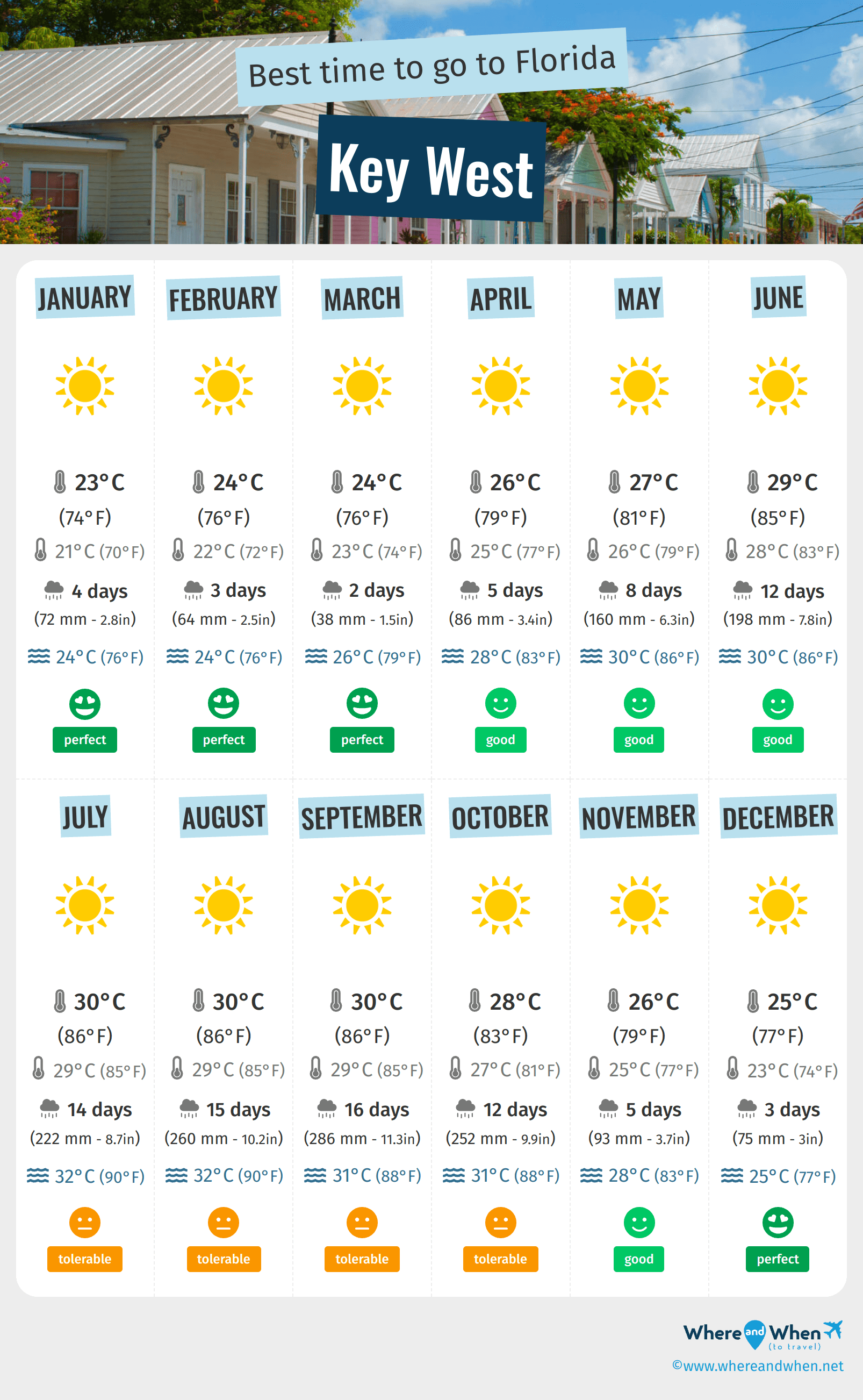
This period is widely considered the most idyllic time to visit Key West. The temperatures are pleasantly warm, with average highs ranging from the mid-70s to the low 80s Fahrenheit (approximately 24-28°C). Nights are cooler and more comfortable, often dropping into the 60s Fahrenheit (around 16-20°C), perfect for enjoying dinner outdoors or a leisurely walk. Humidity is at its lowest during these months, and rainfall is minimal. This makes it ideal for outdoor activities, exploring historical sites like the Ernest Hemingway Home and Museum, or enjoying water sports without the interruption of frequent downpours. The popular Fantasy Fest typically takes place in October, but the overall atmosphere remains vibrant and inviting throughout the dry season.
The Wet Season (May to November)
The months from May to November usher in the wet season, characterized by higher temperatures, increased humidity, and a greater chance of rainfall. Average high temperatures during this time typically hover in the upper 80s to low 90s Fahrenheit (approximately 30-33°C), with overnight lows usually remaining in the mid-70s Fahrenheit (around 24°C).
While it is the “wet” season, this doesn’t necessarily mean constant rain. Instead, expect brief, often intense, afternoon thunderstorms that quickly pass, leaving behind refreshed air and vibrant rainbows. These showers are most common in the late afternoon or early evening. The increased humidity can make the temperatures feel warmer, so staying hydrated and seeking shade during the midday sun is advisable. Despite the humidity and rain potential, this period can offer a more relaxed and budget-friendly travel experience, with fewer crowds and often lower prices on accommodations at places like the Casa Marina Key West, Curio Collection by Hilton. The water temperatures are also at their warmest, making it perfect for snorkeling and diving around the Florida Keys National Marine Sanctuary.
Shoulder Seasons (May and November)
The transition months of May and November often offer a delightful balance. May begins to see a slight increase in temperature and humidity but still retains some of the pleasantness of the dry season. November marks the end of the hurricane season and the transition back to drier, cooler conditions. These months can be excellent choices for visitors looking to avoid the peak crowds of the dry season while still enjoying favorable weather. Temperatures in May typically range from the low 80s to low 90s Fahrenheit (27-33°C), while November sees temperatures in the high 70s to low 80s Fahrenheit (26-28°C).
Factors Influencing Key West’s Temperature
Several meteorological and geographical factors contribute to the distinct temperature patterns observed in Key West. Understanding these elements provides a deeper appreciation for the island’s climate.
The Gulf Stream and Ocean Currents
The warm waters of the Gulf Stream flow nearby and significantly influence Key West’s temperature. This powerful ocean current acts like a giant radiator, consistently warming the surrounding waters and, in turn, the air above them. This effect is particularly noticeable during the cooler months, preventing temperatures from dropping as sharply as they might in continental locations at similar latitudes. The consistent influx of warm water helps maintain the island’s tropical feel year-round.
Prevailing Winds
Key West is predominantly influenced by trade winds, which generally blow from the east and southeast. These winds are crucial for providing a cooling effect, especially during the warmer months. They help to dissipate heat and humidity, making the environment more comfortable than it might otherwise be. When these winds are strong, they can create a pleasant and invigorating atmosphere, perfect for enjoying outdoor activities like cycling or sailing. During periods of weaker winds, especially in the peak of summer, the heat and humidity can feel more pronounced.
Humidity Levels
Humidity plays a significant role in how Key West’s temperature is perceived. During the wet season (May to November), humidity levels are higher, often reaching 70-80% or more. This can make the ambient temperature feel considerably warmer than the actual thermometer reading, a phenomenon known as “heat index” or “feels like” temperature. Conversely, the dry season (December to April) offers lower humidity, typically ranging from 50-60%, making the warm temperatures feel more comfortable and less oppressive. This is why visitors often prefer the dry season for outdoor exploration and activities.
Hurricane Season
It is important to note that Key West is located in a region that can be affected by tropical storms and hurricanes. The official hurricane season runs from June 1st to November 30th, with the peak typically occurring from August to October. While the island is resilient and well-prepared, tropical weather systems can bring significant changes to temperature, wind, and precipitation. During these events, temperatures may fluctuate, and official advisories should always be heeded. The remote chance of a major storm, however, does not diminish the overall appeal of visiting during these months, as many days are perfectly pleasant.
Planning Your Visit Based on Temperature
Knowing the temperature in Key West is more than just trivia; it’s a strategic tool for planning the perfect vacation. Whether you prioritize sunshine, comfort, or budget, aligning your visit with the island’s climate can enhance your experience dramatically.
Optimal Times for Different Activities
- Outdoor Adventures & Water Sports: The dry season (December to April) is unparalleled for its pleasant temperatures, low humidity, and minimal rainfall, making it ideal for activities like snorkeling, diving, kayaking, paddleboarding, and exploring Fort Zachary Taylor Historic State Park. The water is still comfortably warm from the summer months, and the air temperature is perfect for being active.
- Sightseeing & Historical Exploration: The cooler, drier months are also best for leisurely strolls through Old Town Key West, visiting attractions like the Key West Butterfly and Nature Conservatory, and enjoying the vibrant street life. The comfortable temperatures make exploring the charming architecture and lively bars and restaurants like Sloppy Joe’s a pleasure.
- Beach Relaxation & Swimming: While the water is warmest during the wet season (May to November), the higher humidity and potential for rain might be less appealing for some. However, if maximum water warmth is your priority, the summer months offer that. The dry season still offers enjoyable beach days, with the ocean being refreshingly cool rather than bathwater warm.
- Budget Travel & Fewer Crowds: The shoulder seasons (May, and September-November, excluding holiday weekends) and the peak of the wet season can offer the best value for accommodations and flights, with fewer tourists. Despite the humidity and chance of rain, many visitors find these times to be very rewarding, especially if they plan for indoor activities during potential downpours.

Packing Essentials Based on the Season
Your packing list should be tailored to the prevailing temperatures and conditions in Key West.
- Dry Season (December – April):
- Lightweight clothing: T-shirts, shorts, sundresses, light trousers.
- Swimwear: For the ocean and hotel pools like those at the Margaritaville Beach House Key West.
- A light jacket or sweater: For cooler evenings.
- Comfortable walking shoes: Essential for exploring the island on foot.
- Sun protection: Sunscreen, hat, sunglasses.
- Rain gear: While less common, a light poncho or umbrella is always a good idea.
- Wet Season (May – November):
- Breathable, moisture-wicking fabrics: To combat humidity.
- Shorts, skirts, and light, airy dresses.
- Plenty of swimwear.
- A waterproof jacket or umbrella: For sudden rain showers.
- Insect repellent: Especially important during the evenings and after rain.
- Quick-drying footwear.
- Sun protection: Crucial as the sun can be intense even with cloud cover.
By understanding the nuances of Key West’s temperature, you can meticulously plan your trip to ensure you experience the magic of this unique island destination at its very best, no matter the season.
LifeOutOfTheBox is a participant in the Amazon Services LLC Associates Program, an affiliate advertising program designed to provide a means for sites to earn advertising fees by advertising and linking to Amazon.com. Amazon, the Amazon logo, AmazonSupply, and the AmazonSupply logo are trademarks of Amazon.com, Inc. or its affiliates. As an Amazon Associate we earn affiliate commissions from qualifying purchases.