
When planning a winter getaway, many travelers set their sights on Las Vegas, Nevada, envisioning neon-lit streets and vibrant nightlife. However, because of its location in the heart of the Mojave Desert, the city experiences a climate far different from the sweltering summers most people associate with the region. January serves as the coldest month of the year in this iconic destination, offering a unique opportunity to explore the city without the intensity of the blistering desert heat. Understanding the weather patterns during this time is essential for packing appropriately and making the most of your travel experience.
Understanding the January Climate in the Mojave Desert
The climate in Las Vegas during the first month of the year is characterized by crisp, cool days and significantly colder nights. Because the city sits in a high-desert environment, the lack of humidity allows for rapid temperature drops once the sun dips below the horizon.
Daytime Temperature Expectations
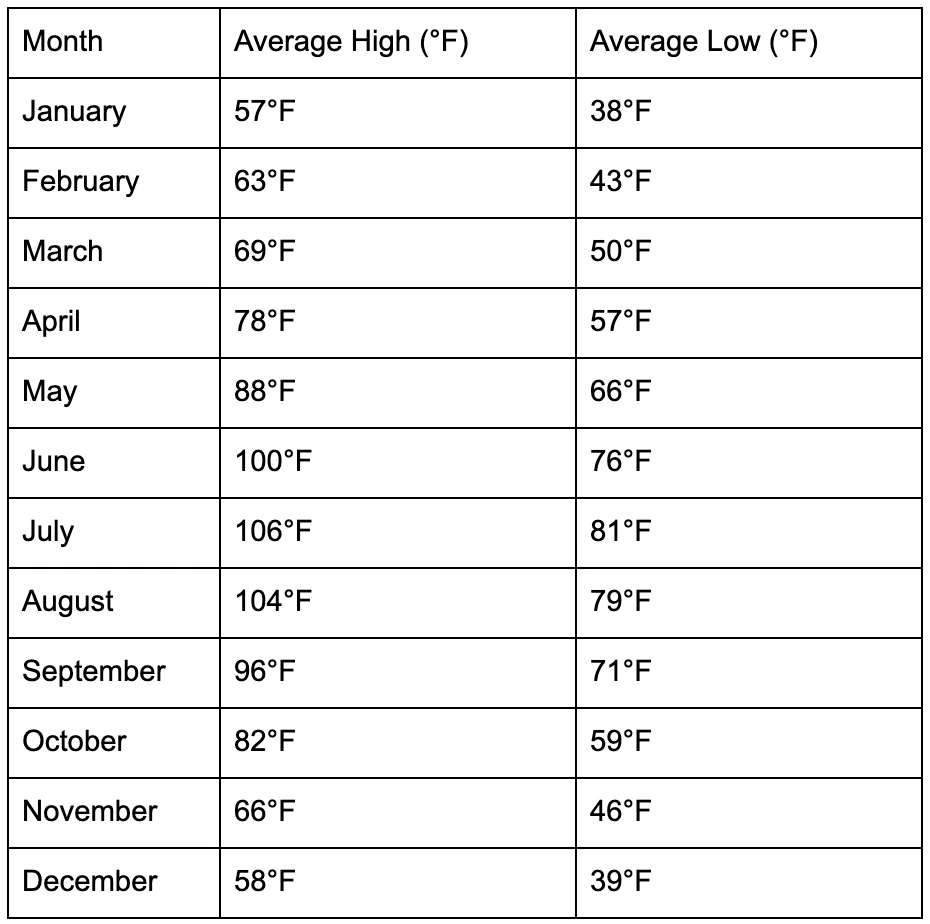
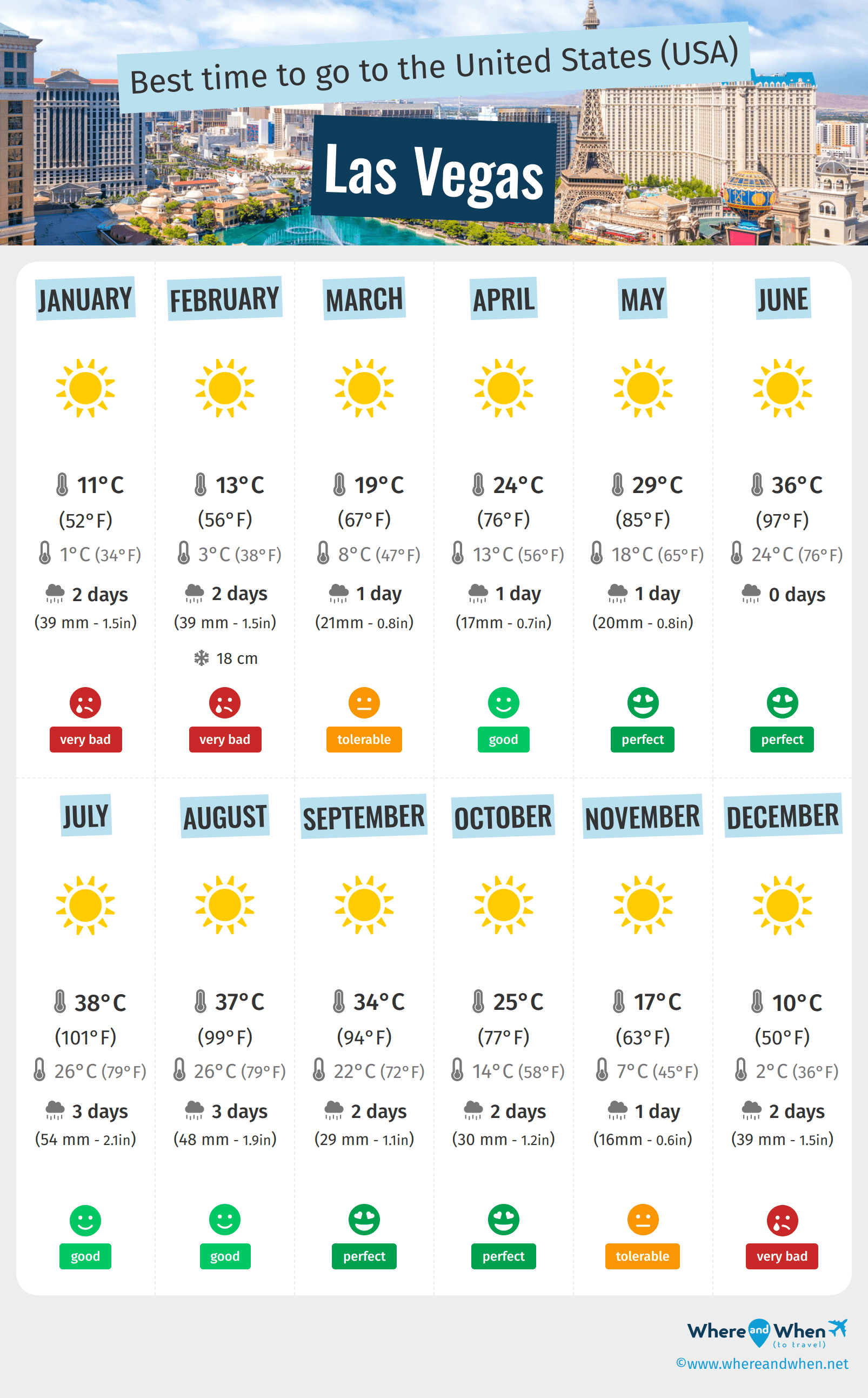
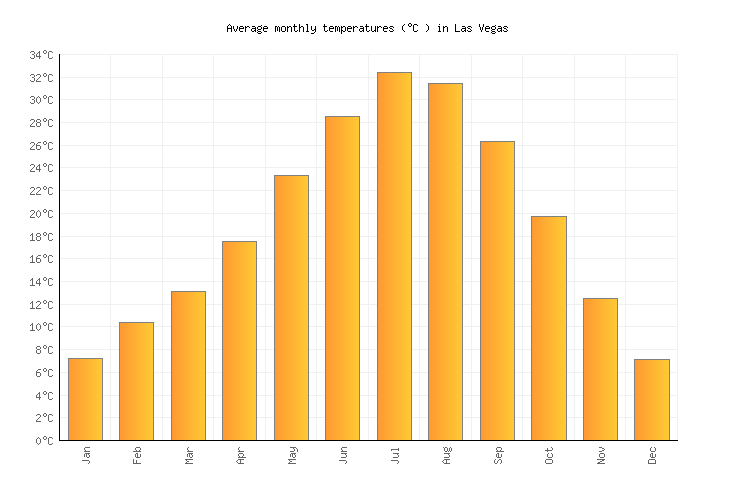
During the peak of a January afternoon, visitors can generally expect temperatures to climb into the mid-to-high 50s Fahrenheit (around 13°C to 15°C). While this is certainly not “beach weather,” it is often accompanied by brilliant, clear blue skies. Many travelers find this range quite comfortable for walking the Las Vegas Strip, provided they are wearing a light jacket or a sweater. The direct sunlight in the Southwest can make it feel warmer than the thermometer suggests, particularly if you are shielded from the occasional winter breeze.
Nighttime Lows and Thermal Variations
Once evening falls, the situation changes dramatically. Temperatures typically plummet into the mid-30s Fahrenheit (around 2°C). It is not uncommon for the mercury to hover just above freezing, especially on clear nights. Because the city is surrounded by mountains like Red Rock Canyon, cold air can occasionally settle in the valley floor. If you plan on late-night excursions or watching the Fountains of Bellagio after dark, you will need substantial winter outerwear. Gloves, scarves, and insulated jackets become more than just accessories—they are practical necessities.
Seasonal Weather Trends and Precipitation
While Las Vegas is known for being a relatively arid destination, January is statistically one of the months where you might encounter a light dusting of rain. It is rare to see heavy, prolonged storms, but visitors should be prepared for the occasional passing shower or overcast day.
Humidity and Atmospheric Conditions
The extreme dryness of the desert climate persists through winter. This lack of humidity can be quite harsh on the skin and sinuses, so it is highly recommended to pack moisturizer and lip balm. Despite the cold, the sun remains a powerful presence. UV radiation is still a factor, even in the middle of winter, so sunscreen is advisable if you are spending long hours outdoors, particularly if you choose to visit nearby natural landmarks like Valley of Fire State Park.
Wind Factors
The Las Vegas Valley is prone to wind, which can make the air temperature feel several degrees colder. During January, wind chills can transform a pleasant 55-degree afternoon into a biting, uncomfortable experience. Checking the local weather forecast specifically for wind speed is a pro-tip for anyone planning a day at the High Roller Observation Wheel, where the open-air environment at high altitudes will intensify the effect of any breeze.
Strategic Packing for Winter in Nevada
Packing for a trip to Nevada in January requires a “layering strategy.” Because you will likely be spending time in climate-controlled indoor environments—such as the massive casinos and luxury retail centers—and then stepping out into the cold, you must be prepared for extreme transitions.
The Art of Layering
Start with a comfortable base layer, followed by a sweater or a fleece, and finish with a coat that is easy to remove. Many visitors make the mistake of wearing a bulky, heavy parka that becomes a burden once they step inside a warm venue like Caesars Palace or the Venetian Resort. A stylish, mid-weight trench or a versatile leather jacket is often the perfect balance for navigating the urban landscape.
Footwear Considerations
If your itinerary includes significant walking—which is common given the massive scale of properties like MGM Grand or Wynn Las Vegas—prioritize comfortable, closed-toe footwear. January is not the time for sandals. Beyond the cold, your feet will appreciate the support required to traverse the vast interconnected lobbies and outdoor walkways of the United States. Additionally, if you plan to venture into the nearby Spring Mountains, note that areas like Mount Charleston often have snow during this time, necessitating sturdy boots.
Making the Most of the Cooler Temperatures
Traveling to this desert oasis in January offers distinct advantages. The cooler weather makes daytime activities, which are often physically taxing during the summer months, much more enjoyable.
Outdoor Exploration
The comfortable daytime highs are perfect for hiking and sightseeing. Whether you are exploring the Seven Magic Mountains art installation or taking a day trip to the Hoover Dam, you won’t have to worry about the heat-related exhaustion that plagues summer tourists. The cooler air is crisp, providing excellent visibility for photography and long-distance sightseeing across the Great Basin.
Entertainment and Crowds
January is often considered a “shoulder season” in terms of tourism, typically occurring after the massive crowds of New Year’s Eve have dispersed. This means that lines for popular attractions like The Neon Museum or reservations at high-end restaurants are often easier to secure. You can enjoy the spectacle of Fremont Street Experience without the suffocating density of peak-season visitors, making for a much more relaxed and intimate travel experience.
In conclusion, while January in Las Vegas requires a change in wardrobe and an awareness of the temperature drop at night, it is an ideal time to visit for those who prefer mild weather and a more manageable pace. By embracing the cool desert air and planning your days with a focus on layers and comfort, you can experience the best of this iconic destination without the sweltering heat of the summer sun. From the glowing lights of Downtown Las Vegas to the tranquil beauty of the surrounding wilderness, the winter season in the desert offers a unique and memorable adventure for every type of traveler.
LifeOutOfTheBox is a participant in the Amazon Services LLC Associates Program, an affiliate advertising program designed to provide a means for sites to earn advertising fees by advertising and linking to Amazon.com. Amazon, the Amazon logo, AmazonSupply, and the AmazonSupply logo are trademarks of Amazon.com, Inc. or its affiliates. As an Amazon Associate we earn affiliate commissions from qualifying purchases.