
As the vibrant heart of Southern California, Los Angeles beckons millions with its sun-drenched beaches, world-class entertainment, and diverse cultural tapestry. For any visitor, understanding the daily temperature is not just a matter of comfort, but a crucial element in planning unforgettable experiences. Whether you’re setting out to explore the iconic Griffith Observatory, wander the historic streets of Downtown Los Angeles, or simply soak up the rays at Santa Monica State Beach, knowing the mercury’s reading is your first step towards maximizing your Los Angeles adventure. This guide delves into the nuances of Los Angeles weather, offering insights to help you pack wisely and embrace every moment the City of Angels has to offer.

Understanding Los Angeles Climate Patterns
Los Angeles is renowned for its Mediterranean climate, characterized by warm, dry summers and mild, wet winters. This makes it an attractive destination year-round, though the specific temperature can significantly influence your activities. The city’s vast expanse, stretching from the San Gabriel Mountains to the Pacific Ocean, also creates microclimates. Coastal areas tend to be cooler and breezier, especially in the mornings and evenings, due to the moderating influence of the ocean. Inland areas, on the other hand, can experience considerably higher temperatures, particularly during the peak of summer.
Seasonal Temperature Trends
-
Spring (March – May): Spring in Los Angeles is a delightful transition. Temperatures gradually warm up, typically ranging from the mid-60s to the low 70s Fahrenheit (around 18-22°C). The air is fresh, and the city bursts into bloom, making it an ideal time for outdoor exploration. Expect pleasant days perfect for visiting theme parks like Universal Studios Hollywood or exploring the art galleries along Museum Row.
-
Summer (June – August): Summer is synonymous with sunshine in Los Angeles. Temperatures often soar into the 80s and 90s Fahrenheit (27-35°C) and can even reach triple digits inland. Coastal breezes offer some respite, but inland attractions such as the Getty Center or a drive through Beverly Hills will feel significantly warmer. This is peak tourist season, and days are long and ideal for beach activities and outdoor concerts.
-
Autumn (September – November): Autumn is often considered the “Indian Summer” in Los Angeles, with September and October frequently being the warmest months of the year. Temperatures can still hover in the 80s Fahrenheit (27-32°C) before gradually cooling down in November. The humidity drops, and the skies are typically clear, offering perfect conditions for hiking in Runyon Canyon Park or enjoying an evening stroll along the Santa Monica Pier.
-
Winter (December – February): Winter in Los Angeles is mild and pleasant, with average daytime temperatures in the high 50s to low 60s Fahrenheit (10-17°C). While it’s the wettest season, rain showers are usually brief and interspersed with sunny periods. It’s an excellent time for visiting indoor attractions like museums or enjoying cultural performances without the intense summer heat. You might even catch a glimpse of whales on a boat tour departing from Marina del Rey.
Factors Influencing Daily Temperatures
Beyond the broad seasonal trends, several factors contribute to the daily temperature fluctuations in Los Angeles, making it essential to check the forecast regularly.
Proximity to the Ocean
The Pacific Ocean acts as a natural air conditioner for coastal communities like Santa Monica, Venice, and Malibu. Even on sweltering days inland, these areas often experience refreshing ocean breezes, keeping temperatures several degrees cooler. This “marine layer” can also contribute to morning fog, particularly during the summer months, which typically burns off by late morning to reveal sunny skies.
Elevation and Inland Valleys
As you move away from the coast and ascend in elevation or venture into inland valleys, temperatures tend to rise. Areas like Pasadena, the San Fernando Valley, and further east towards the San Gabriel Mountains can experience significantly hotter conditions, especially during heatwaves. When planning a visit to attractions in these regions, such as a hike in Chino Hills State Park or exploring the Huntington Library, be prepared for warmer weather.
Santa Ana Winds
A unique meteorological phenomenon in Southern California are the Santa Ana winds. These are strong, dry, and hot offshore winds that typically blow in from the desert during the autumn and winter months. When they arrive, they can dramatically increase temperatures, lower humidity, and contribute to hazy or smoggy conditions. These winds can make it feel significantly warmer than the season would suggest, so it’s important to be aware of their potential impact on daily temperatures.
Planning Your Los Angeles Itinerary Based on Temperature

Knowing the forecast is more than just a casual check; it’s a strategic tool for optimizing your Los Angeles experience. Consider how the temperature will affect your choice of activities and attire.
Dressing for the Day
-
Cooler Days (Under 65°F / 18°C): This is typical for winter mornings and evenings, or cooler spring/autumn days. Layering is key. Pack a light jacket or sweater, long pants, and comfortable walking shoes. A scarf can also be a welcome addition for early mornings or windy coastal walks.
-
Mild Days (65-75°F / 18-24°C): This is the sweet spot for much of the year in Los Angeles. Short sleeves, t-shirts, light trousers, and skirts are perfect. Comfortable sneakers or sandals are ideal for exploring neighborhoods like Silver Lake or enjoying outdoor markets.
-
Warm to Hot Days (75-90°F / 24-32°C): Summer and late spring/early autumn will bring these temperatures. Light, breathable fabrics like cotton and linen are your best friends. Shorts, sundresses, and tank tops are appropriate. Don’t forget a hat and sunglasses. If you plan on spending time at the beach, swimwear is essential, and cover-ups are highly recommended.
-
Very Hot Days (Over 90°F / 32°C): These days are common in inland areas during summer. Prioritize staying hydrated and seeking shade. Light, loose-fitting clothing is crucial. Plan indoor activities or water-based adventures for these days. Consider visiting the Natural History Museum of Los Angeles County or enjoying a leisurely meal at a cool restaurant.
Activity Selection
-
Beach Days and Water Activities: For a day at Venice Beach or surfing lessons in Huntington Beach, aim for warm to hot days. A cool breeze might be welcome when the sun is intense.
-
Theme Park Visits: Parks like Disneyland and Knott’s Berry Farm can get crowded and hot, especially in summer. Mild to warm days are ideal for navigating the parks comfortably. Always factor in sun protection and hydration.
-
Hiking and Outdoor Exploration: For scenic hikes in the Santa Monica Mountains or exploring the Hollywood Hills, mild to warm temperatures are best. Very hot days can make strenuous activity uncomfortable and potentially dangerous.
-
Museums and Indoor Attractions: If the temperature is soaring or if there’s a rare rainy day, Los Angeles boasts an incredible array of indoor options. The Getty Villa, the Los Angeles County Museum of Art, and the studios of Warner Bros. offer fascinating experiences regardless of the weather outside.
Staying Updated on Los Angeles Temperatures
In a city as dynamic as Los Angeles, staying informed about the day’s temperature is simple yet essential for maximizing your enjoyment.
Reliable Weather Resources
Numerous reputable sources provide accurate, up-to-the-minute weather information for Los Angeles. These include:
- National Weather Service (NWS): The official source for weather forecasts and alerts.
- Local News Channels: Most Los Angeles news stations provide daily weather updates during their broadcasts and online.
- Weather Apps: Popular mobile applications like AccuWeather, The Weather Channel, and Google Weather offer detailed forecasts, hourly predictions, and radar imagery.
- Online Weather Websites: Numerous dedicated weather websites provide comprehensive data for specific Los Angeles neighborhoods.
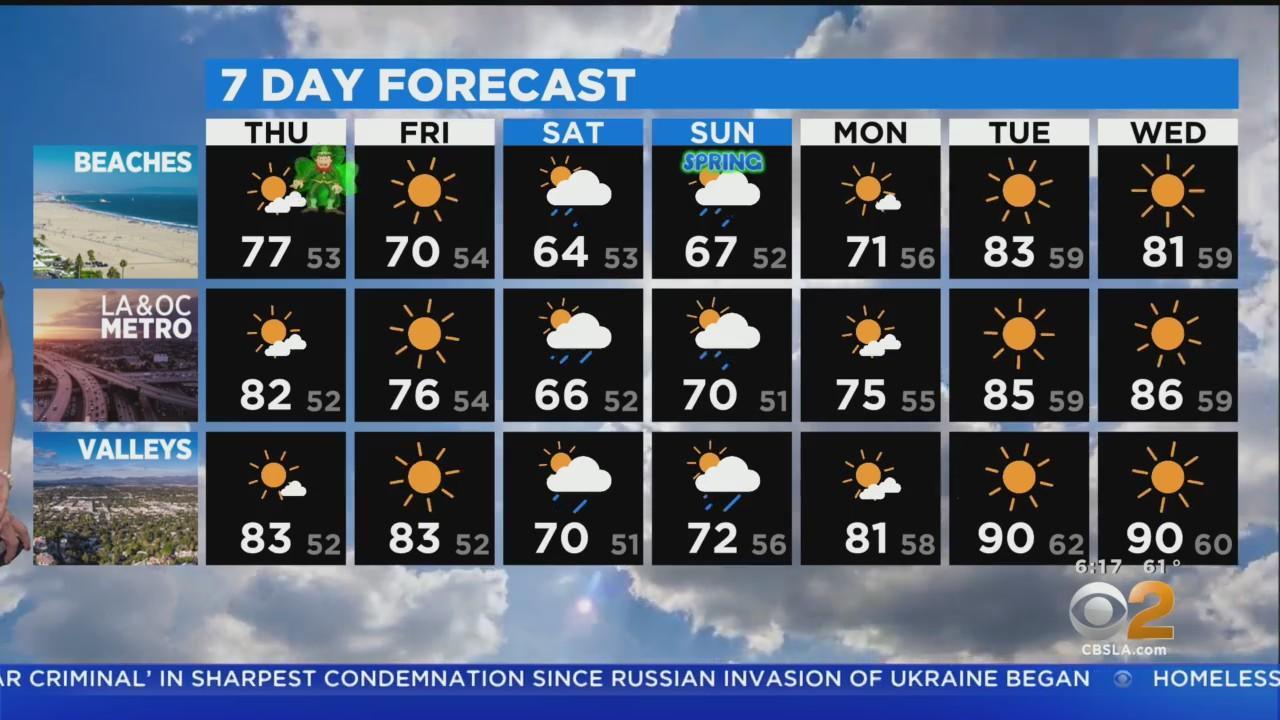
Planning for Microclimates
When checking the forecast, pay attention to the specific location within Los Angeles you will be visiting. A temperature reading for the coast will differ significantly from one for the San Fernando Valley. If your itinerary involves moving between different parts of the sprawling metropolis, checking the forecast for each area is a wise strategy. For instance, a morning spent at the beach in Malibu might require a light jacket, while an afternoon exploring Downtown Los Angeles could call for lighter attire.
By understanding the climate patterns, considering the influencing factors, and staying informed about the daily forecast, you are well-equipped to plan a perfect trip to Los Angeles, ensuring comfort and maximizing your opportunities to experience all that this captivating city has to offer.
LifeOutOfTheBox is a participant in the Amazon Services LLC Associates Program, an affiliate advertising program designed to provide a means for sites to earn advertising fees by advertising and linking to Amazon.com. Amazon, the Amazon logo, AmazonSupply, and the AmazonSupply logo are trademarks of Amazon.com, Inc. or its affiliates. As an Amazon Associate we earn affiliate commissions from qualifying purchases.