
Nestled on the glistening shores of the Gulf of Mexico in Southwest Florida, Naples is a captivating destination renowned for its pristine white-sand beaches, sophisticated dining, world-class golf courses, and an undeniable aura of luxury. For any discerning traveler, whether planning a relaxing beach getaway, an adventurous exploration of nearby natural wonders, or a lavish resort experience, understanding the local climate is paramount to curating the perfect trip. The question, “What is the temperature in Naples, Florida?” isn’t merely about numerical figures; it’s about unlocking the rhythm of the city, influencing everything from what to pack to the best time for a round of golf or a serene sunset stroll along the Naples Pier.
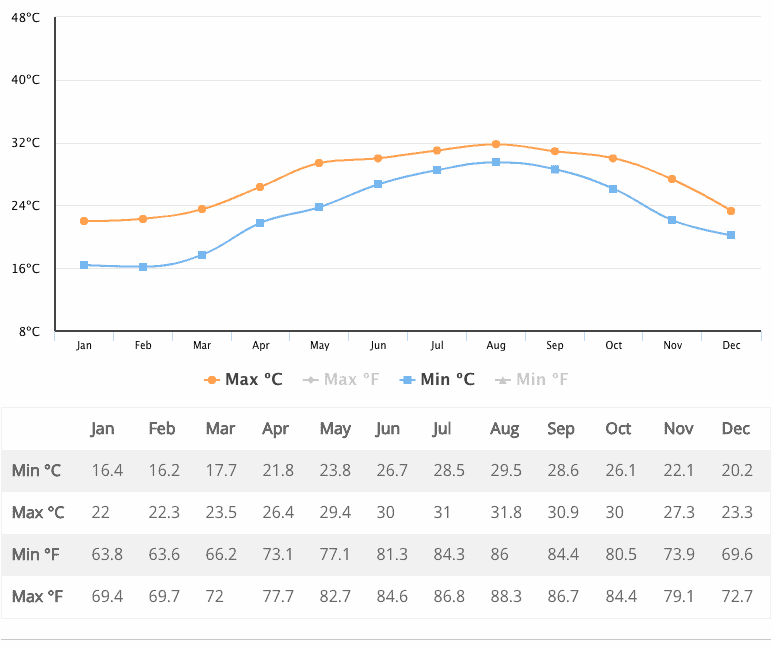
Naples enjoys a delightful subtropical climate, characterized by abundant sunshine year-round, distinct wet and dry seasons, and a generally warm to hot environment. This idyllic weather is a primary draw for tourists, especially those escaping colder northern winters. However, the nuances of its seasonal temperatures can profoundly impact your travel experience, dictating crowd levels, accommodation prices, and the availability of certain activities. From the vibrant peak season of winter to the quieter, value-driven summer months, each period offers a unique charm, shaped significantly by the mercury’s rise and fall.
Understanding Naples’ Subtropical Climate
The climate of Naples is officially classified as tropical savanna, often generalized as subtropical, meaning it experiences warm temperatures throughout the year with two main seasons: a dry season and a wet season. The proximity to the Gulf of Mexico plays a crucial role, moderating temperatures, particularly during the summer, and contributing to the region’s overall humidity. This coastal influence is a double-edged sword, providing refreshing sea breezes but also contributing to the afternoon showers characteristic of the wet season.
The city averages over 260 sunny days per year, making it a perennial favorite for outdoor enthusiasts. While extreme cold is virtually unheard of, and snow is an alien concept, temperatures can fluctuate, especially between day and night in the cooler months. Humidity levels also vary significantly throughout the year, impacting how the temperature “feels” to visitors. Understanding these core characteristics is the first step toward planning an unforgettable Naples adventure.
Key Climate Characteristics
- Abundant Sunshine: A hallmark of Naples, ensuring bright, clear skies for much of the year, perfect for beach days and outdoor exploration.
- Mild Winters: Arguably the most appealing aspect for many, offering pleasant, comfortable temperatures with low humidity.
- Hot, Humid Summers: Characterized by higher temperatures and significant humidity, often punctuated by daily afternoon thunderstorms that bring temporary relief.
- Distinct Wet and Dry Seasons: The dry season typically runs from November to May, offering minimal rainfall. The wet season, from June to October, sees a substantial increase in precipitation, predominantly in the form of short, intense afternoon storms.
- Coastal Influence: The warm waters of the Gulf of Mexico help maintain a relatively stable temperature range, preventing extreme heat waves or cold snaps often seen inland.
A Seasonal Guide to Naples Temperatures and Experiences
To truly answer the question of Naples’ temperature, it’s essential to break down the year into its distinct seasons, as each brings its own climatic personality and, consequently, a unique travel experience.
Winter Wonderland (December – February): The Peak Season
Winter in Naples is nothing short of paradise, especially for those fleeing colder climates. This period represents the peak tourist season, and for good reason.
- Temperatures: Daytime highs typically hover in the low to mid-70s Fahrenheit (21-24°C), with evenings cooling down to the comfortable 50s-60s Fahrenheit (10-18°C). The air is crisp and dry, with very low humidity, making extended outdoor activities incredibly pleasant.
- Activities: This is the ideal time for everything Naples has to offer. Enjoy sunbathing and swimming at popular spots like Lowdermilk Beach or searching for seashells at Delnor-Wiggins Pass State Park. Golf courses, such as those at the prestigious Tiburon Golf Club, are in prime condition, attracting enthusiasts from around the globe. Strolling along Fifth Avenue South or Third Street South for upscale shopping and al fresco dining is a quintessential experience. Boating excursions to secluded islands like Keewaydin Island are popular, as are visits to the charming shops and seafood restaurants of Tin City. Cultural events and festivals are abundant, adding to the vibrant atmosphere.
- Crowds & Accommodation: Expect the highest crowd levels and, consequently, the highest prices for hotels and vacation rentals. Luxury resorts like The Ritz-Carlton, Naples and Naples Grande Beach Resort are often booked solid months in advance. Booking far ahead is essential if you plan to visit during these months.
Spring Blooms (March – May): A Sweet Spot
As winter recedes, spring brings a beautiful transition, offering a slightly warmer yet still exceptionally pleasant experience before the summer heat truly sets in.
- Temperatures: Daytime temperatures gradually climb into the mid-70s to low 80s Fahrenheit (24-29°C), while evenings remain comfortably in the 60s Fahrenheit (16-20°C). Humidity remains relatively low, making for excellent conditions.
- Activities: Naples in spring is glorious for exploring its natural beauty. The Naples Botanical Garden is in full bloom, showcasing an explosion of color and fragrance. The Corkscrew Swamp Sanctuary offers prime wildlife viewing opportunities as creatures emerge from their winter slumber. Beach days are still perfect, with water temperatures becoming increasingly inviting. Fishing charters are popular as various species migrate through the Gulf.
- Crowds & Accommodation: Crowd levels begin to taper off slightly after the peak winter season, especially after Easter and Spring Break. This can be a sweet spot for travelers looking for pleasant weather without the intensity of winter crowds and with potentially better value on accommodation.

Summer Sunshine (June – August): Embracing the Heat
Summer in Naples is defined by heat, humidity, and the invigorating rhythm of afternoon thunderstorms. While it’s the “off-season” for many, it offers a different kind of charm and significant advantages for budget-conscious travelers.
- Temperatures: Expect daily highs consistently in the upper 80s to low 90s Fahrenheit (31-34°C), with evenings rarely dipping below the mid-70s Fahrenheit (24-26°C). High humidity is a constant companion, making the “feels like” temperature even higher. Brief, intense afternoon thunderstorms are a daily occurrence, typically clearing within an hour or two, often followed by vibrant sunsets.
- Activities: Summer calls for embracing the water and air conditioning. Early mornings are best for beach activities at places like Clam Pass Park, or enjoying a refreshing dip in your resort pool. Indoor attractions become more appealing; explore the contemporary art at The Baker Museum or discover automotive history at Revs Institute. Air-conditioned retail therapy at Waterside Shops or enjoying a long, leisurely lunch at one of Naples’ many fine restaurants are excellent ways to beat the midday heat. Many families enjoy summer for longer stays and taking advantage of resort amenities.
- Crowds & Accommodation: Crowd levels are significantly lower than in winter, making it an excellent time for those seeking a more relaxed atmosphere and fewer queues. This is when you’ll find the best deals on luxury resorts and vacation rentals, making it ideal for budget travel or extended family trips.
Autumn’s Retreat (September – November): Transition and Serenity
Autumn is a transitional period for Naples, beginning with the tail end of the wet season and the hurricane season, and ending with a delightful return to cooler, drier conditions.
- Temperatures: Early autumn (September-October) still sees highs in the 80s Fahrenheit (27-31°C) with persistent humidity and the potential for tropical weather systems. By November, temperatures start to cool down significantly, with highs returning to the comfortable 70s Fahrenheit (21-26°C) and humidity dropping noticeably.
- Activities: This season offers unique opportunities, particularly as the weather improves later in the fall. Exploring the majestic Everglades National Park becomes more comfortable as temperatures drop, making wildlife viewing more pleasant. Fishing remains popular, and various local festivals start to emerge as the peak season approaches. Kayaking or paddleboarding through the mangrove estuaries can be a peaceful experience.
- Crowds & Accommodation: September and October are typically the quietest months due to hurricane season concerns, offering the lowest prices for accommodation. November sees a gradual increase in visitors as the weather becomes more inviting, particularly around Thanksgiving. This can be an excellent shoulder season for finding great value before the winter rush.
Planning Your Naples Adventure: Beyond the Thermometer
Understanding Naples’ temperatures is more than just knowing what numbers to expect; it’s about anticipating the overall feel of your trip and making informed decisions about your activities, packing, and accommodation.
What to Pack and What to Do: Temperature-Driven Choices
Your suitcase contents will vary significantly depending on when you visit Naples.
- Winter: Light layers are key. Daytime calls for shorts, t-shirts, and light dresses. Evenings might require a light jacket, sweater, or shawl, especially if dining outdoors or enjoying a sunset cruise. Don’t forget swimwear and comfortable walking shoes.
- Spring: Similar to winter, but perhaps with fewer heavy layers needed for the evening. Focus on breathable fabrics.
- Summer: Embrace light, loose-fitting clothing made from natural fibers like cotton or linen. Swimwear is essential, as is a wide-brimmed hat, sunglasses, and reef-safe sunscreen. A lightweight rain jacket or umbrella is a must for afternoon downpours. Hydration is critical.
- Autumn: Early autumn requires summer attire, with the addition of rain gear. By late autumn, you can start incorporating light layers similar to what you’d pack for winter.
Beyond clothing, plan your daily activities around the sun’s intensity. In summer, consider indoor attractions or water-based activities during the hottest parts of the day, saving outdoor excursions for early morning or late afternoon. In winter, you have the freedom to enjoy outdoor pursuits throughout the entire day.

Accommodation and Lifestyle Considerations
The seasonality driven by temperature also heavily influences the type of accommodation you might choose and the overall lifestyle experience you’ll encounter.
- Resorts & Hotels: During the peak winter season, luxury resorts like LaPlaya Beach & Golf Resort or Inn on Fifth are bustling hubs of activity, offering premium services, heated pools, and a lively social scene. In summer, these same resorts might offer attractive packages, catering to families with extensive kids’ programs and cool, refreshing amenities designed to make the heat bearable.
- Vacation Rentals: For longer stays, families, or those seeking a more private experience, vacation rentals (apartments, condos, or villas) are a popular choice. Their availability and pricing fluctuate dramatically with the seasons, offering significant savings during the quieter months.
- Budget vs. Luxury Travel: The direct correlation between temperature (and therefore popularity) and pricing means that luxury travel is more expensive in winter, while budget-conscious travelers will find better value in summer or early autumn. Conversely, if luxury means exclusivity and pristine weather, winter is your season. If it means enjoying top-tier resorts at a fraction of the cost, summer could be your luxury.
- Events & Culture: Many of Naples’ signature events and cultural performances, such as those at Artis—Naples, are concentrated in the cooler, drier months when larger crowds can comfortably gather outdoors or attend indoor performances without concern for humidity. However, summer also brings its own array of local activities and family-friendly entertainment.
- Dining: Al fresco dining is a highly sought-after experience in Naples, particularly during the pleasant winter and spring evenings. Many restaurants on Fifth Avenue South and Third Street South capitalize on this. In summer, indoor dining with robust air conditioning becomes the preference, though many establishments still offer covered outdoor seating options.
In conclusion, the temperature in Naples, Florida is more than just a number; it’s the heartbeat of this enchanting coastal city, dictating its rhythms, influencing its lifestyle, and shaping every traveler’s experience. Whether you dream of basking in glorious winter sunshine, enjoying the spring blooms, or finding incredible value amidst the summer heat, understanding Naples’ climate will empower you to plan an adventure perfectly tailored to your preferences, ensuring a memorable and delightful visit to this Southwest Florida gem.
LifeOutOfTheBox is a participant in the Amazon Services LLC Associates Program, an affiliate advertising program designed to provide a means for sites to earn advertising fees by advertising and linking to Amazon.com. Amazon, the Amazon logo, AmazonSupply, and the AmazonSupply logo are trademarks of Amazon.com, Inc. or its affiliates. As an Amazon Associate we earn affiliate commissions from qualifying purchases.