
When planning a journey through the heart of the American Great Plains, understanding the climate is as essential as packing your suitcase. The temperature in Oklahoma is a study in extremes and transitions, characterized by a continental climate that brings vibrant, distinct seasons to the Sooner State. Whether you are traversing the rolling hills of the Ozarks or exploring the vast, arid western reaches, the weather plays a defining role in how you experience the landscape.
Navigating the Seasonal Shifts
The seasonal fluctuations in Oklahoma are significant, offering a diverse array of conditions for travelers throughout the year. Because the state acts as a meeting point for moist air from the Gulf of Mexico and dry air from the Rocky Mountains, weather patterns can shift rapidly, making preparation the hallmark of a successful trip.

Spring and the Awakening Landscape
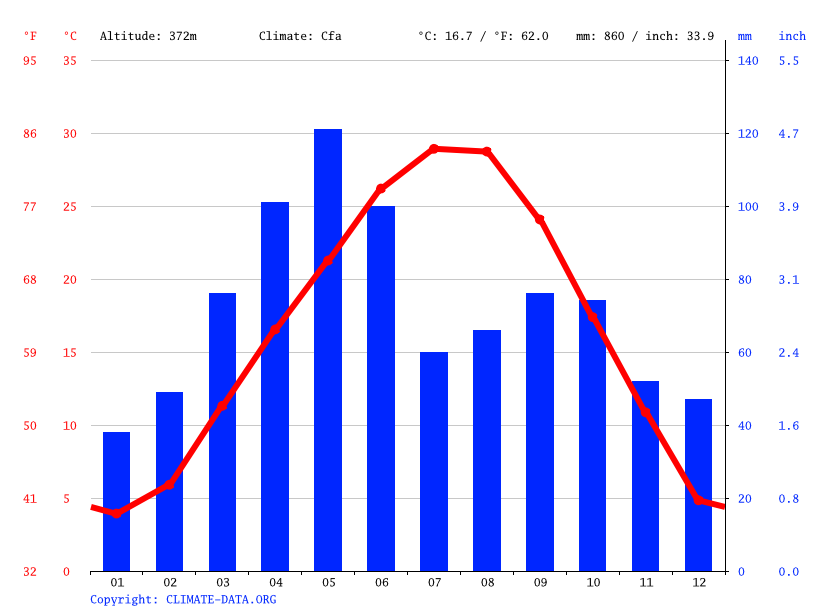
Spring, typically running from March through May, is perhaps the most dynamic season. Temperatures usually oscillate between a cool 50°F and a balmy 75°F. This is a period of transition where the state’s greenery begins to flourish. Travelers visiting Tulsa or the Wichita Mountains Wildlife Refuge during this time will find the flora at its peak. However, it is also the season of atmospheric instability, so visitors should remain weather-aware, as the interaction between different air masses often leads to the famous spring thunderstorms that characterize the region.
The Intensity of Summer Heat
By the time June arrives, summer takes firm hold. Daytime temperatures frequently climb above 90°F, and during peak months like July and August, it is not uncommon to see the mercury hitting triple digits. The heat is often accompanied by high humidity, particularly in the eastern parts of the state near Broken Bow. To beat the heat, many locals and tourists head to the water, making Lake Eufaula or the Illinois River prime destinations for cooling off. Lightweight, breathable clothing is a necessity for anyone planning outdoor excursions during these months.
Regional Variations in Temperature
While many assume the entire state experiences identical weather, the geography of Oklahoma creates subtle, yet impactful, regional differences. Elevation and proximity to major waterways influence local temperatures, ensuring that a trip to the panhandle feels entirely different from a stay in the southern forests.
The Panhandle and High Plains
The western portion of the state, specifically the Oklahoma Panhandle, sits at a higher elevation. This makes the region cooler on average than the central and eastern corridors. During the winter, the temperature can drop significantly lower here than in Oklahoma City, as there are fewer geographical barriers to stop cold arctic air masses from moving south. If you are visiting Black Mesa State Park, expect brisk nights even in the shoulder seasons.
The Humidity of the Southeast
Conversely, the southeastern corner, encompassing the Ouachita Mountains, remains lush and humid. The density of the forests provides some protection from direct sunlight, but the humidity can make a 90°F day feel significantly warmer. This moisture is essential for the region’s diverse ecosystem, making it a hotspot for hiking and fishing, provided travelers keep a close eye on the heat index during the mid-afternoon hours.
Planning Your Travel According to the Climate
Timing your visit to Oklahoma requires a balance between seeking the best temperatures and enjoying the state’s most iconic outdoor activities. While there is no “bad” time to visit, certain months provide a much more comfortable backdrop for exploration.
The Ideal Shoulder Seasons
September and October are widely considered the gold standard for visiting. The brutal heat of summer has subsided, replaced by crisp mornings and warm, sunny afternoons. During this time, temperatures typically hover in the comfortable 65°F to 80°F range. This is the perfect window to explore the National Cowboy and Western Heritage Museum or take a scenic drive through the Talimena National Scenic Byway. The autumn foliage in the eastern mountains creates a stunning backdrop that is far more enjoyable when you aren’t fighting the humidity of July.
Managing Winter Travel
Winters in Oklahoma are generally mild compared to the northern states, though they are unpredictable. Average January temperatures often fall between 30°F and 50°F. While prolonged snow is rare, cold snaps can occur, bringing ice and biting wind chills. If you are planning a winter visit, focus your itinerary on indoor attractions such as the Philbrook Museum of Art in Tulsa or the vibrant culinary scene in the Bricktown district of Oklahoma City.

Essential Tips for the Traveling Weather-Watcher
Regardless of when you choose to visit, staying informed about the daily temperature and weather forecast is a prerequisite for a stress-free trip. The state is well-equipped with weather tracking resources, given its history with diverse climate events.
- Layering is Key: Because temperatures can swing by 20 to 30 degrees within a single day—particularly in the spring and fall—layering your clothing allows you to adapt to a cool morning that turns into a hot afternoon.
- Hydration is Mandatory: Even if it doesn’t feel oppressively hot, the sun in the Great Plains can be intense. Carrying water is essential, especially when visiting expansive landmarks like the Tallgrass Prairie Preserve.
- Monitor Local Forecasts: Weather patterns can shift quickly. Relying on local meteorological services will provide you with the most accurate data, especially regarding wind speeds, which can make the actual “feel” of the temperature much colder in winter or more drying in summer.
- Embrace the Indoors: When the temperature extremes become too much, look toward the state’s deep cultural roots. Many of the most interesting museums and historical sites are located in climate-controlled environments that offer a perfect respite from the elements.
Ultimately, the temperature in Oklahoma is a reflection of its vast, unbridled character. Whether you are visiting the Chickasaw Cultural Center in the heat of June or witnessing the winter frost over the Great Salt Plains State Park, the weather is an integral part of the narrative. By respecting the climate and planning accordingly, you can ensure that your time in the Sooner State is defined by discovery rather than discomfort. Through every season, the changing mercury serves as a reminder of the state’s raw, natural beauty and its ever-evolving environment.
LifeOutOfTheBox is a participant in the Amazon Services LLC Associates Program, an affiliate advertising program designed to provide a means for sites to earn advertising fees by advertising and linking to Amazon.com. Amazon, the Amazon logo, AmazonSupply, and the AmazonSupply logo are trademarks of Amazon.com, Inc. or its affiliates. As an Amazon Associate we earn affiliate commissions from qualifying purchases.