
Orlando, Florida, often dubbed “The Theme Park Capital of the World,” is a magnet for travelers seeking adventure, relaxation, and a touch of magic. Before embarking on a journey to this vibrant city, a crucial question often arises: “What is the temperature in Orlando, Fl?” Understanding Orlando’s subtropical climate is key to planning a seamless and enjoyable trip, influencing everything from packing choices and activity schedules to accommodation preferences and overall travel experiences. While the city generally boasts warm temperatures year-round, distinct seasons offer varied conditions that cater to different types of visitors and travel lifestyles.

Orlando’s weather is characterized by hot, humid summers and mild, drier winters, with pleasant springs and autumns in between. This unique climate allows for a vast array of tourism and travel opportunities, making it a beloved destination for families, couples, and business travelers alike. From bustling theme parks like Walt Disney World Resort and Universal Orlando Resort to serene natural landmarks and vibrant cultural hotspots, the weather plays a significant role in shaping daily itineraries. This comprehensive guide will delve into Orlando’s seasonal temperatures, offering insights into what to expect and how to best prepare for your Floridian adventure, ensuring that your accommodation and activity choices perfectly align with the local climate.
Understanding Orlando’s Climate: A Year-Round Overview
Orlando’s climate is officially classified as humid subtropical, meaning it experiences hot, rainy summers and mild to cool, relatively dry winters. The city rarely sees extreme cold, with snow being an exceptionally rare phenomenon. Instead, visitors should prepare for ample sunshine, high humidity, and occasional afternoon showers, especially during the warmer months. This consistent warmth is a major draw for those escaping colder northern climates, but understanding the nuances of each season is vital for a comfortable visit.
Winter’s Mild Charms: December to February
Orlando’s winter is arguably the most pleasant season for many visitors, especially those seeking respite from harsh northern winters. From December through February, temperatures are mild and comfortable, making it ideal for exploring outdoor attractions without the oppressive heat and humidity of summer.
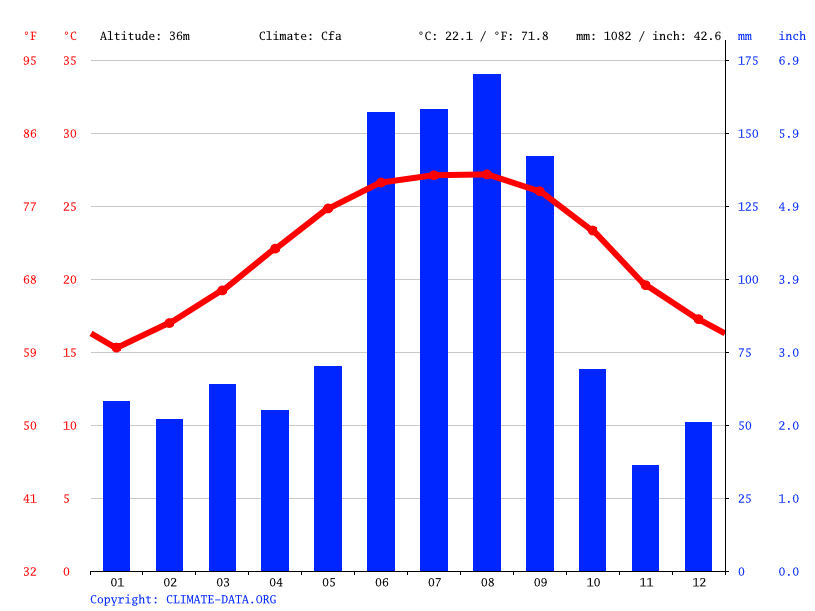
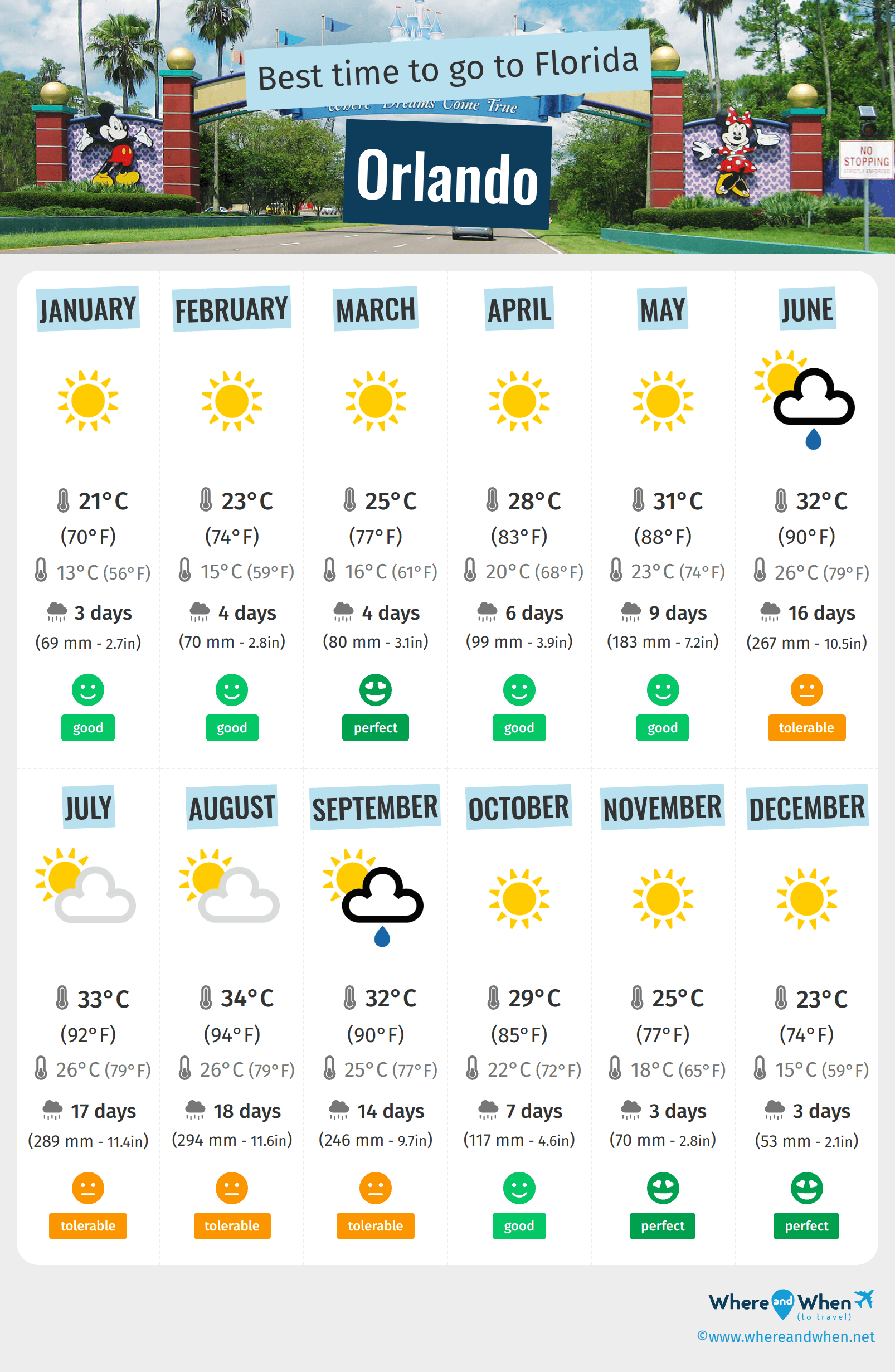
- Average Temperatures: Daytime highs typically range from 65°F to 75°F (18°C to 24°C), while nighttime lows can dip into the 40s°F to 50s°F (4°C to 15°C). Occasional cold fronts can bring temperatures into the low 30s°F (around 0°C) for a night or two, but these are usually short-lived.
- Humidity: Significantly lower than in summer, contributing to the overall comfort.
- Rainfall: This is the driest season, with fewer rainy days and clear skies predominating.
- Lifestyle & Activities: Winter is perfect for extended visits to Walt Disney World Resort, Universal Orlando Resort, and SeaWorld Orlando as the cooler temperatures make walking around the parks much more enjoyable. It’s also an excellent time for outdoor activities like golf, exploring Lake Eola Park in Downtown Orlando, or taking day trips to nearby natural landmarks like the Kennedy Space Center Visitor Complex. Hotels and resorts often see higher demand during this peak season, especially around holidays, so booking well in advance is advisable.
Spring into Action: March to May
Spring in Orlando offers a delightful transition from the mild winter to the warming summer, presenting some of the most beautiful weather of the year.
- Average Temperatures: Daytime highs gradually climb from the mid-70s°F (24°C) in March to the low 80s°F (27-29°C) by May. Nighttime lows remain comfortable, generally in the 50s°F to 60s°F (10°C to 20°C).
- Humidity: Still relatively low in early spring but begins to increase noticeably by late May.
- Rainfall: Generally low, though late spring can see an increase in pop-up showers as the summer pattern approaches.
- Lifestyle & Activities: This is another prime time for tourism in Orlando. The comfortable temperatures are ideal for outdoor experiences, from character dining at Disney Springs to thrilling rides at Universal’s Islands of Adventure. Spring Break and Easter can bring significant crowds, but the weather often makes it worth it. Many resorts and hotels offer fantastic amenities like heated pools that are still enjoyable during cooler evenings.
Summer’s Sizzling Fun: June to August
Orlando’s summer is synonymous with heat, humidity, and afternoon thunderstorms. While challenging for some, it’s also a time of vibrant energy, extended park hours, and ample opportunities for water-based fun.
- Average Temperatures: Consistently hot, with daytime highs typically ranging from 90°F to 95°F (32°C to 35°C). Nighttime lows rarely drop below the mid-70s°F (24°C).
- Humidity: Very high, often exceeding 90%, contributing to a “feels like” temperature that can be even higher.
- Rainfall: This is the wettest season, characterized by daily afternoon thunderstorms. These storms are usually brief but intense, providing a temporary cooldown before the heat returns. Florida’s hurricane season officially runs from June 1 to November 30, with peak activity typically from August to October.
- Lifestyle & Activities: Summer is peak season for families due to school holidays. Theme park visits require strategic planning: arrive early, take a midday break for a swim or indoor activity, and return in the evening. Water parks like Disney’s Typhoon Lagoon Water Park and Universal’s Volcano Bay become essential escapes. Indoor attractions such as shopping at Orlando International Premium Outlets or exploring the Orlando Museum of Art offer excellent relief from the heat. Accommodation with strong air conditioning and refreshing pools is a must.
Autumn’s Gentle Embrace: September to November
Fall in Orlando brings a welcome decrease in temperatures and humidity, making it another highly desirable time to visit, especially as the threat of hurricanes wanes by late October.
- Average Temperatures: Daytime highs gradually descend from the high 80s°F (30°C) in September to the mid-70s°F (24°C) by November. Nighttime lows also become more comfortable, ranging from the high 60s°F (20°C) down to the 50s°F (10°C).
- Humidity: High in early fall but steadily decreases through October and November.
- Rainfall: Still relatively high in September due to lingering summer patterns and hurricane season, but October and November see significantly less rain and more clear, crisp days.
- Lifestyle & Activities: This season is perfect for enjoying fall festivals, Halloween events at the theme parks, and later, the start of Christmas celebrations. The cooler temperatures make it enjoyable to wander through Epcot’s World Showcase or LEGOLAND Florida Resort. It’s a fantastic time for couples and those seeking a slightly more relaxed pace before the winter holiday rush. Many hotels offer great value, especially outside of holiday weekends.
Planning Your Orlando Getaway: Weather-Wise Travel Tips
Understanding Orlando’s climate empowers travelers to make informed decisions that enhance their entire trip. From what to pack to how to structure your daily adventures, considering the weather is paramount for a comfortable and enjoyable experience.
Packing for Every Season
Regardless of when you visit, versatile packing is key for Orlando.
- Winter: Layers are your best friend. Pack light long-sleeved shirts, sweaters or a light jacket, and comfortable trousers. Don’t forget swimwear for heated pools and good walking shoes.
- Spring: Light clothing (shorts, t-shirts, dresses) is suitable for daytime. A light jacket or cardigan for cooler evenings is advisable. Sunscreen and hats are a must.
- Summer: Embrace lightweight, breathable fabrics like cotton or linen. Shorts, t-shirts, and sandals are standard. Crucially, pack rain gear (a lightweight poncho or umbrella) and plenty of swimwear. Hydration is critical, so bring a reusable water bottle.
- Autumn: Similar to spring, with light clothing for warm days and layers for potentially cooler evenings. Early fall still requires rain gear and a focus on sun protection.
Accommodation Considerations
Your choice of accommodation can significantly impact your comfort, especially in varying temperatures.
- Air Conditioning: Essential year-round, but non-negotiable in summer. Verify that your hotel room, suite, apartment, or villa has reliable and powerful AC.
- Pools: A refreshing pool is a huge draw, particularly in summer. Look for resorts with expansive pool areas, lazy rivers, or even small water parks. In winter, heated pools are a fantastic amenity.
- Indoor Amenities: On very hot or rainy days, access to indoor attractions or comfortable common areas within your hotel can be a lifesaver. Consider hotels with excellent dining options, spas, or game rooms.
- Location: Staying close to the parks can reduce travel time, allowing for midday breaks back at your hotel to escape the heat or rain. Alternatively, long-term stay options or vacation rentals might offer more space and private pool access, which can be a boon in warmer months.
Experiencing Orlando: Activities Tailored to the Thermometer
Orlando’s vast array of attractions means there’s always something to do, regardless of the temperature. Strategic planning allows visitors to maximize their enjoyment, whether seeking sun-drenched adventures or cool, indoor retreats.
Theme Parks and Outdoor Adventures
The world-renowned theme parks are the heart of Orlando’s tourism.
- Cooler Months (Winter & Spring): Ideal for full days at Walt Disney World Resort, Universal Orlando Resort, SeaWorld Orlando, and LEGOLAND Florida Resort. Enjoy outdoor shows, parades, and extensive walking without overheating. This is also a fantastic time for golfing at one of Orlando’s championship courses or exploring the natural beauty of Central Florida’s springs.
- Warmer Months (Summer & Early Fall): Prioritize indoor rides and air-conditioned queues. Utilize water rides (Splash Mountain, Jurassic Park River Adventure) as refreshing breaks. Water parks are a must. Consider starting your day early, returning to your hotel for a swim and nap, and heading back to the parks in the evening for cooler temperatures and nighttime spectaculars. ICON Park, with its diverse indoor and outdoor attractions, offers flexibility.
Indoor Escapes and Cultural Delights
When the heat or rain becomes too much, Orlando offers numerous indoor alternatives.
- Shopping: Orlando is a shopping paradise, from luxury boutiques at The Mall at Millenia to discount finds at Orlando International Premium Outlets and Orlando Vineland Premium Outlets. All are air-conditioned havens.
- Museums & Galleries: Explore the Orlando Museum of Art, the Orlando Science Center, or the Titanic: The Artifact Exhibition for a dose of culture and education.
- Dining & Entertainment Districts: Disney Springs and Universal CityWalk offer a mix of indoor shops, restaurants, and entertainment venues, perfect for escaping the elements while still enjoying a vibrant atmosphere.
The Lifestyle of Orlando Travel: Balancing Comfort and Cost
The temperature in Orlando directly impacts the city’s lifestyle for both locals and visitors. This influence extends to crowd levels, pricing, and the overall rhythm of tourism throughout the year.
Peak vs. Off-Peak: Weather and Crowds
- Peak Season (Winter Holidays, Spring Break, Summer): These periods align with school breaks and holidays, driving up demand regardless of the weather. While winter and spring offer delightful temperatures, they often come with higher crowds and premium hotel rates. Summer is the busiest for families, despite the intense heat, leading to longer lines and higher prices for accommodation and flights.
- Shoulder Seasons (Early Fall, Late Spring): These times often present a sweet spot. Early fall (late September/October) brings pleasant temperatures, fewer crowds than summer, and better value on hotels, though hurricane season is still a consideration. Late spring (early May) offers beautiful weather before the summer heat intensifies, with moderate crowd levels.
- Off-Peak (Late January/Early February, Mid-August/September): These brief windows can offer the best value for budget travel and fewer crowds. Temperatures in winter are mild, while late summer/early fall can still be hot and humid, but the reduced crowds and lower prices make it an attractive option for flexible travelers. Hotel reviews often highlight the benefits of visiting during these less crowded times.
Whether you’re planning a luxury travel escape or a budget-friendly family trip, the time of year and Orlando’s temperature will heavily influence your experience. By understanding the climate, you can strategically book your flights, choose your accommodation, and curate an itinerary that promises comfort, adventure, and unforgettable memories in the heart of Florida. Orlando truly offers something for everyone, rain or shine, hot or mild, making it a perennially popular destination.
LifeOutOfTheBox is a participant in the Amazon Services LLC Associates Program, an affiliate advertising program designed to provide a means for sites to earn advertising fees by advertising and linking to Amazon.com. Amazon, the Amazon logo, AmazonSupply, and the AmazonSupply logo are trademarks of Amazon.com, Inc. or its affiliates. As an Amazon Associate we earn affiliate commissions from qualifying purchases.