
The allure of Orlando, Florida, often conjures images of sun-drenched theme parks, vibrant entertainment, and family adventures. As a premier destination for travelers worldwide, understanding the immediate climate is not just a matter of curiosity; it’s a crucial piece of planning for any Orlando itinerary. Whether you’re anticipating a day at Walt Disney World Resort, exploring the thrills of Universal Orlando Resort, or simply enjoying the diverse culinary scene, knowing the current temperature in Orlando, Florida, can significantly impact your packing choices, daily activities, and overall experience.
This dynamic city, nestled in the heart of the Sunshine State, experiences a subtropical climate characterized by warm, humid summers and mild, generally dry winters. However, even within these broad strokes, daily fluctuations can occur, influenced by weather patterns, coastal breezes, and the time of year. For many, a quick glance at the current temperature is the first step in deciding whether to pack a light jacket, a wide-brimmed hat, or simply embrace the warm embrace of the Florida sun. This article aims to provide a comprehensive understanding of Orlando’s climate, how to find real-time temperature data, and what that information means for your visit, from luxurious resort stays to budget-friendly exploration.

Understanding Orlando’s Climate and Its Impact on Your Visit
Orlando, Florida, boasts a climate that is a significant draw for many tourists, offering a welcome respite from colder regions and providing a consistent backdrop for outdoor activities year-round. However, this warmth and humidity come with their own set of considerations, making it essential for visitors to be well-informed.
The Subtropical Climate Explained
The subtropical climate of Orlando means that the city experiences distinct seasons, though the differences are less pronounced than in temperate zones.
- Summers (June to August): These months are typically hot and humid, with average temperatures frequently soaring into the high 80s and low 90s Fahrenheit (around 31-34 degrees Celsius). Afternoon thunderstorms are a common occurrence, offering temporary relief from the heat but also requiring visitors to be prepared for sudden downpours. These storms are usually brief and localized, so they rarely disrupt entire days of activities, but a good umbrella or poncho is a wise addition to your packing list. The humidity can make the “feels like” temperature even higher, so staying hydrated is paramount.
- Fall (September to November): This is often considered one of the most pleasant times to visit Orlando. Temperatures begin to cool slightly, with highs generally in the 70s and 80s Fahrenheit (around 25-30 degrees Celsius). Humidity also decreases, making outdoor exploration more comfortable. This season aligns with many of Orlando’s festive events, including Halloween at the theme parks and early Christmas decorations.
- Winters (December to February): Orlando’s winters are mild and generally sunny. While it’s still warm enough for many outdoor activities, the temperatures are cooler than in the summer. Average highs are in the 60s and 70s Fahrenheit (around 16-24 degrees Celsius), with occasional colder fronts that can bring temperatures into the 40s and 50s Fahrenheit (around 4-15 degrees Celsius) for a few days. This makes Orlando a popular destination for those seeking to escape harsh winter weather.
- Spring (March to May): Spring in Orlando is characterized by steadily warming temperatures and increasing humidity. Highs range from the 70s to the low 90s Fahrenheit (around 21-34 degrees Celsius) as the season progresses. This is another peak travel season, especially during spring break, and the weather is generally ideal for enjoying the parks and outdoor attractions.
How Current Temperature Affects Your Orlando Experience
The immediate temperature is a primary factor influencing how you experience Orlando’s diverse offerings.
- Theme Park Visits: For iconic attractions like Magic Kingdom, Epcot, Hollywood Studios, Animal Kingdom, Universal Studios Florida, and Islands of Adventure, the current temperature dictates your comfort level throughout the day. Extreme heat might encourage more indoor shows or air-conditioned queues, while a cooler day is perfect for extensive walking and enjoying outdoor rides.
- Accommodation Choices: If you’re considering a stay at a luxurious resort like the Four Seasons Resort Orlando at Walt Disney World Resort or a more budget-friendly option, the temperature can influence your preference for amenities. A heated pool is a welcome feature on cooler days, while a room with excellent air conditioning is essential during sweltering summer afternoons. If you opt for an apartment or villa for a longer-term stay, understanding the typical temperatures for the duration of your visit will help you pack appropriate clothing and plan for indoor versus outdoor living.
- Outdoor Activities and Attractions: Beyond the theme parks, Orlando offers numerous other attractions. Whether you’re visiting ICON Park, exploring the natural beauty of Wekiwa Springs State Park, or enjoying a day at SeaWorld Orlando, the current temperature will guide your decision-making. A cool morning might be perfect for a nature walk, while a warm evening could be ideal for enjoying outdoor dining at CityWalk or exploring the shops at Disney Springs.
- Packing Essentials: The most direct impact of knowing the current temperature is on your packing. High temperatures and humidity necessitate lightweight, breathable clothing, sunscreen, hats, and sunglasses. Cooler days might require a light sweater or jacket, especially for evenings or air-conditioned interiors. Even in the warmer months, carrying a light rain jacket is advisable due to the frequent afternoon showers.
Finding Real-Time Temperature Information for Orlando
In today’s connected world, accessing up-to-the-minute weather information for any location is remarkably straightforward. For Orlando, Florida, this data is readily available through a variety of sources, ensuring you can make informed decisions about your day without delay.
Digital Weather Platforms and Apps
The most immediate and convenient way to check the current temperature in Orlando is by using digital weather platforms and mobile applications. These services aggregate data from numerous weather stations and satellites to provide accurate, real-time updates.
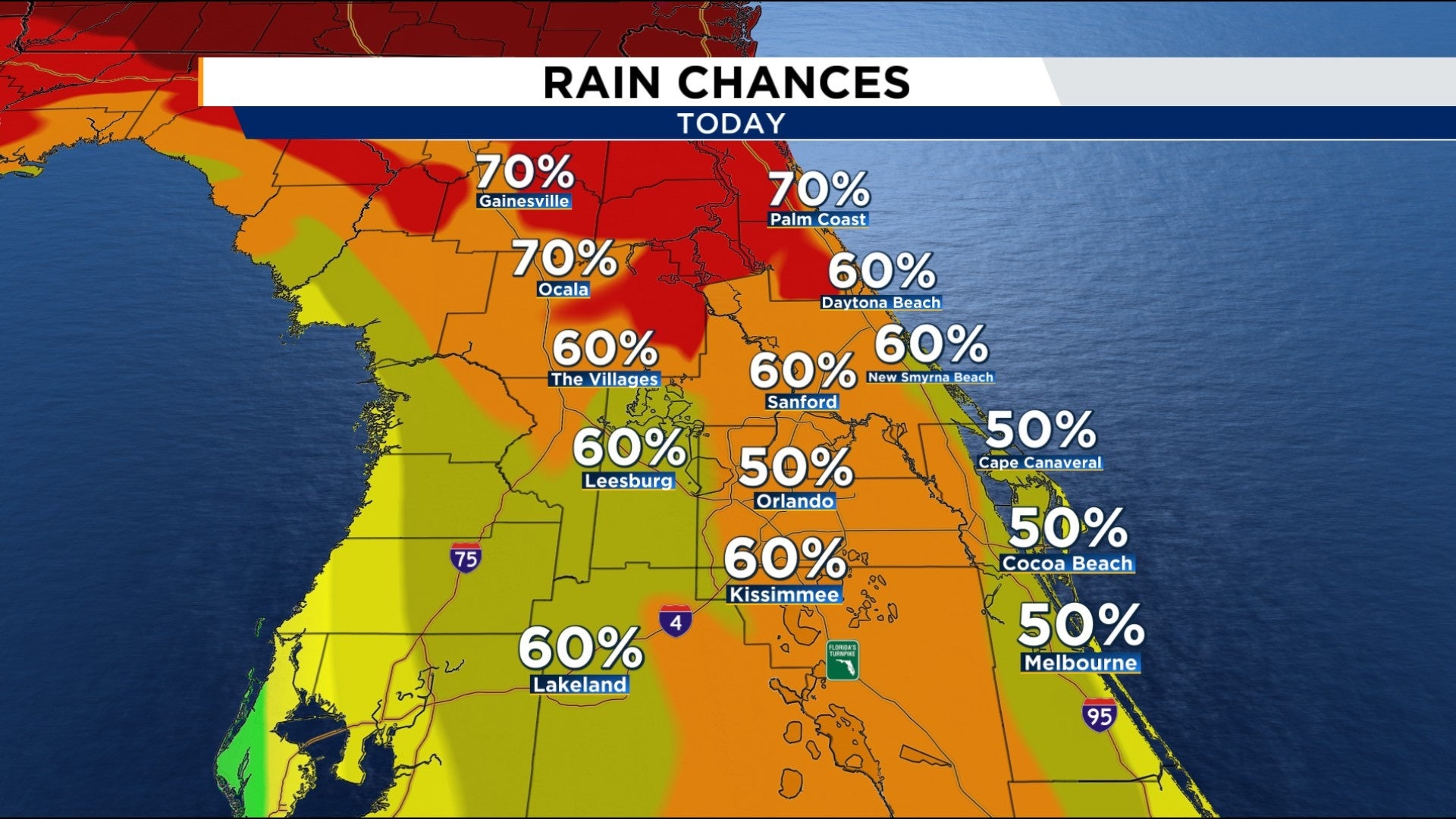
- Major Weather Websites: Reputable weather websites such as The Weather Channel, AccuWeather, and Weather.com offer detailed forecasts for Orlando, including the current temperature, “feels like” temperature, humidity levels, wind speed, and precipitation chances. These platforms often provide hourly and extended forecasts, allowing you to plan for the entire day or even the week ahead.
- Smartphone Weather Apps: Most smartphones come with built-in weather applications that can be customized to display information for your current location or saved locations like Orlando. These apps are designed for quick checks and often provide glanceable widgets for immediate temperature readings.
- Travel and Tourism Websites: Websites dedicated to travel, tourism, and accommodation often integrate current weather widgets for popular destinations. While the primary focus might be on attractions like Walt Disney World or hotels such as the Grand Bohemian Hotel Orlando, many will display the current weather to enhance the user’s planning experience.
Factors Influencing “Feels Like” Temperature
It’s important to note that the “feels like” temperature, also known as the heat index or wind chill, can be a more accurate indicator of how the weather will affect you than the actual air temperature alone.
- Humidity: During the hot Orlando summers, high humidity levels can significantly increase the “feels like” temperature. This is because humidity slows down the evaporation of sweat from your skin, making it harder for your body to cool down. A temperature of 90°F with 80% humidity can feel considerably hotter than 90°F with 30% humidity.
- Wind: On cooler days, wind can contribute to a lower “feels like” temperature. This effect, known as wind chill, means that the wind can strip away body heat more rapidly, making it feel colder than the actual thermometer reading. Conversely, a gentle breeze on a hot day can offer some welcome cooling.
- Sun Exposure: Direct sunlight can also make the ambient temperature feel much warmer. When checking the weather, note whether the temperature is reported under shade or direct sun, as this can influence your perception of the heat.
By utilizing these digital resources and understanding the nuances of “feels like” temperature, you can better prepare for the conditions you’ll encounter during your visit to Orlando, Florida.
Planning Your Orlando Adventures Based on Current Conditions
Knowing the current temperature in Orlando, Florida, is the first step in crafting an enjoyable and seamless travel experience. This information directly influences how you approach packing, selecting activities, and even where you choose to stay.
Packing Smart for Orlando’s Weather
The climate in Orlando necessitates a thoughtful approach to packing, ensuring comfort and readiness for various conditions.
- Warm Weather Essentials: For most of the year, especially during the spring, summer, and fall months, lightweight, breathable clothing is key. Think cotton t-shirts, shorts, sundresses, and comfortable walking shoes. Don’t forget swimwear, as many hotels and resorts, including the Hyatt Regency Grand Cypress, offer fantastic pool facilities. Sun protection is non-negotiable: wide-brimmed hats, sunglasses, and high-SPF sunscreen are essential. A reusable water bottle is also a smart addition to stay hydrated, especially when exploring large parks like Magic Kingdom.
- Cooler Weather Considerations: Even during the mild winter months, it’s wise to pack a light jacket, cardigan, or sweater. Evenings can get cooler, and air-conditioned interiors can sometimes be chilly. If you are visiting during the winter months, especially December or January, you might experience a few days with temperatures dipping into the 50s Fahrenheit (around 10-15 degrees Celsius), making a slightly warmer layer beneficial.
- Rain Preparedness: Orlando’s subtropical climate means afternoon thunderstorms are a common occurrence, particularly during the summer. A compact umbrella or a lightweight, waterproof rain jacket is a must-have. These unexpected showers can be brief, but being prepared allows you to continue enjoying your activities without significant disruption.
Selecting Activities and Attractions
The current temperature in Orlando should be a guiding factor in choosing your daily itinerary.
- Theme Park Strategies: On hot days, plan for a mix of indoor and outdoor attractions. Utilize air-conditioned shows, parades, and indoor rides during the hottest parts of the afternoon. Consider visiting water parks like Disney’s Typhoon Lagoon or Disney’s Blizzard Beach for a refreshing escape. Early morning or late evening visits to outdoor attractions can be more comfortable during warmer periods. For example, a twilight stroll through Epcot’s World Showcase can be magical and less taxing than during peak heat.
- Outdoor Exploration: If the temperature is pleasant, explore Orlando’s natural side. Visit Wekiwa Springs State Park for a refreshing swim in its natural spring, or explore the beauty of the Harry P. Leu Gardens. The Orlando Wetlands Park offers excellent bird-watching opportunities in cooler mornings.
- Culinary Experiences: Orlando offers a vibrant food scene. On cooler days, enjoy leisurely meals at outdoor patios or explore food festivals. On hotter days, take advantage of air-conditioned restaurants and enjoy the diverse culinary offerings, from casual eats at Disney Springs to fine dining at resorts like the Ritz-Carlton Orlando, Grande Lakes.
- Resort and Accommodation Amenities: If you’re staying at a resort with a great pool, like the Swan and Dolphin Hotels, the current temperature will heavily influence your decision to spend time there. A heated pool is a significant plus on cooler days, while a shaded poolside cabana is invaluable during scorching afternoons. For longer stays in an apartment or villa, consider if you’ll need to factor in the cost of air conditioning during warmer months.
Flexibility is Key
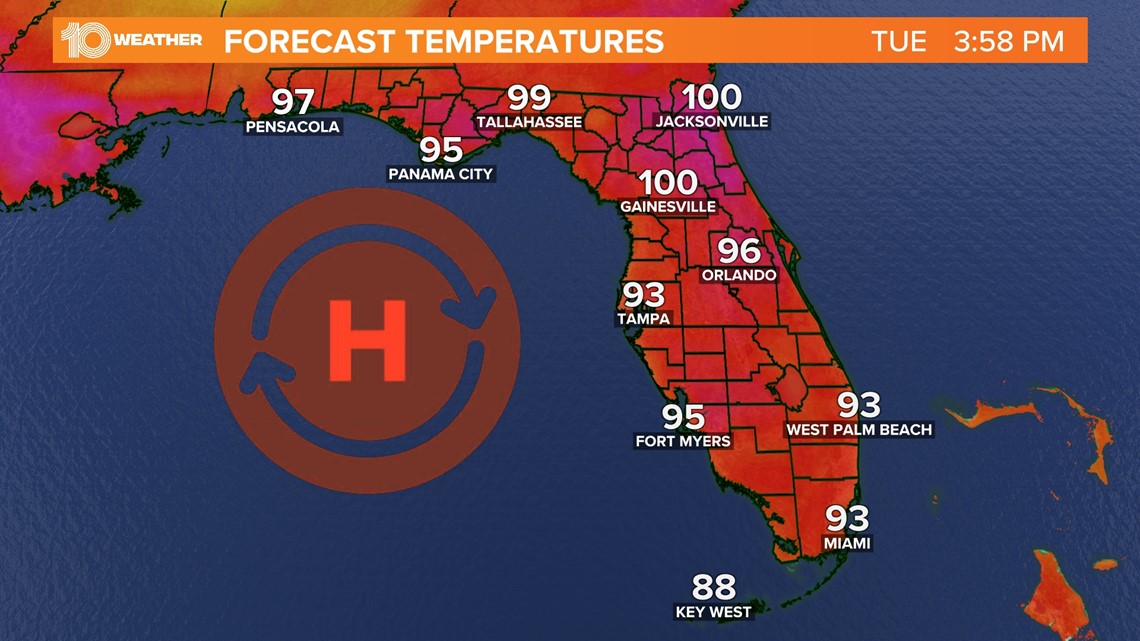
Ultimately, while the current temperature provides valuable guidance, flexibility remains the most important element of planning a successful trip to Orlando. Weather patterns can change, and spontaneous opportunities arise. By staying informed about the temperature and having a general understanding of Orlando’s climate, you can adapt your plans to ensure a memorable and comfortable visit, whether you’re seeking luxury travel, budget-friendly adventures, or unforgettable family trips.
LifeOutOfTheBox is a participant in the Amazon Services LLC Associates Program, an affiliate advertising program designed to provide a means for sites to earn advertising fees by advertising and linking to Amazon.com. Amazon, the Amazon logo, AmazonSupply, and the AmazonSupply logo are trademarks of Amazon.com, Inc. or its affiliates. As an Amazon Associate we earn affiliate commissions from qualifying purchases.