
Orlando, Florida, often known as the “Theme Park Capital of the World,” is a magnet for travelers seeking adventure, relaxation, and unforgettable experiences. From the enchanting realms of Walt Disney World Resort to the cinematic thrills of Universal Orlando Resort and the aquatic wonders of SeaWorld Orlando, this vibrant city offers an endless array of attractions. However, for any trip planning, especially to a destination known for its outdoor activities, understanding the local climate and temperature is paramount. Orlando’s subtropical climate dictates much about the visitor experience, from what to pack to the best times to visit specific landmarks or enjoy a resort’s amenities. This comprehensive guide will delve into Orlando’s temperatures throughout the year, offering insights to help you plan the perfect journey, no matter the season.
Orlando’s Climate at a Glance: A Year-Round Perspective
Nestled in the heart of the Sunshine State, Orlando’s climate is primarily characterized by its distinct wet and dry seasons, rather than the four traditional seasons experienced in more northern latitudes. Influenced by its proximity to both the Atlantic Ocean to the east and the Gulf of Mexico to the west, the city enjoys abundant sunshine for much of the year, alongside significant humidity, especially during the summer months. This subtropical classification means hot, often humid summers, and mild, pleasant winters, creating varying experiences for tourists.
The Subtropical Charm: Understanding Orlando’s Weather
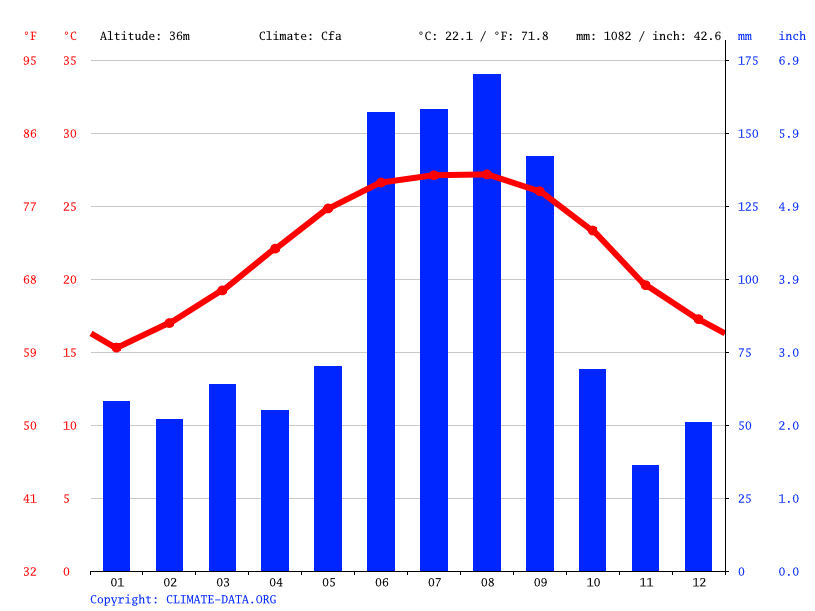
The average annual temperature in Orlando hovers around a comfortable 72°F (22°C), but this figure masks significant seasonal fluctuations. Generally, visitors can expect temperatures that rarely dip below freezing, even in the coldest months, and frequently soar into the 90s°F (30s°C) during peak summer. Humidity is a constant companion, especially from May through October, often making the “real feel” temperature considerably higher than the actual thermometer reading. This consistent warmth is a major draw for those escaping colder climates, transforming the city into an ideal year-round destination for various lifestyles, from luxury travelers seeking poolside serenity at resorts like the Four Seasons Resort Orlando at Walt Disney World Resort to budget-conscious families exploring diverse accommodation options.
Rainfall patterns also play a significant role. The summer months (June to September) constitute the wet season, characterized by frequent, short, and often intense afternoon thunderstorms. These showers typically provide a brief, refreshing cool-down before the sun re-emerges. The dry season, from October to May, sees much less precipitation, with clearer skies and more consistent sunshine, which is often favored by visitors planning extensive outdoor tourism activities.
Navigating the Seasons: What to Expect Month by Month
To truly understand Orlando’s temperature, a month-by-month breakdown is invaluable for travel planning and selecting the best time for your stay.
- January-February (Winter): These are arguably the coolest months, with average daily temperatures ranging from 50s°F (10-14°C) at night to mid-70s°F (21-24°C) during the day. Humidity is at its lowest, and skies are typically clear. This is prime time for comfortable park visits and exploring landmarks like Cinderella Castle without intense heat.
- March-April (Spring): Spring brings a gradual warm-up. Daytime averages climb into the high 70s°F to low 80s°F (25-29°C), with pleasant evenings in the 60s°F (15-20°C). Humidity remains moderate. It’s a fantastic time for outdoor activities and experiencing attractions like Epcot‘s International Flower & Garden Festival.
- May (Late Spring/Early Summer): A transitional month where temperatures can reach into the high 80s°F (30-32°C), and humidity starts to noticeably increase. Afternoon showers become more common. This is still a great time to visit before the peak summer crowds and heat.
- June-September (Summer): The hottest and wettest period. Daily highs consistently hit the low to mid-90s°F (32-35°C), often with “real feel” temperatures soaring higher due to intense humidity. Afternoon thunderstorms are almost a daily occurrence. This period also marks hurricane season, which officially runs from June 1st to November 30th, necessitating travel insurance and vigilant weather monitoring.
- October-November (Autumn): A delightful shift as temperatures begin to cool, and humidity decreases. Daytime averages fall back into the high 70s°F to low 80s°F (25-29°C), with comfortable nights. The weather becomes ideal for touring Universal Studios Florida or enjoying a leisurely stroll around Lake Eola Park.
- December (Early Winter): Similar to January and February, with comfortable days in the low to mid-70s°F (21-24°C) and cooler evenings. This is a popular time for holiday travel, with festive events across the city’s tourism hubs.
Summer in the Sunshine State: Heat, Humidity, and Hurricanes
Orlando’s summer, stretching roughly from June through September, is a period of intense heat and high humidity. While it coincides with school holidays, making it a popular time for family trips, it requires careful planning to ensure a comfortable and enjoyable experience. Daytime temperatures frequently hover in the low to mid-90s°F (32-35°C), with nighttime lows remaining warm, often in the mid-70s°F (24°C). The humidity, typically exceeding 80%, makes the air feel heavy and muggy, pushing the “real feel” temperature well into the triple digits.
Conquering the Summer Heat: Tips for Travelers
For those venturing to Orlando in summer, strategic approaches are key to managing the heat. Hydration is non-negotiable; drink plenty of water, even when you don’t feel thirsty. Lightweight, breathable clothing, hats, and high SPF sunscreen are essential. Planning your day with breaks from the sun – perhaps visiting indoor attractions during the hottest part of the afternoon or taking a mid-day rest at your accommodation – can make a huge difference. Many resorts, such as Disney’s Contemporary Resort or Universal’s Hard Rock Hotel, are designed with cooling common areas, extensive pools, and air-conditioned guest rooms, making them havens from the heat.
Furthermore, summer is the peak of the Atlantic hurricane season. While direct hits to Orlando are relatively rare due to its inland location, tropical storms can bring heavy rain, strong winds, and travel disruptions. It’s always wise to monitor weather forecasts and consider travel insurance during this period, particularly if you’re booking non-refundable accommodation or experiences.
The Allure of Water: Resorts, Pools, and Theme Park Thrills
Despite the heat, summer is when Orlando’s water-centric attractions truly shine. Theme parks like Volcano Bay at Universal Orlando Resort and the various water parks at Walt Disney World Resort offer refreshing escapes. Many of Orlando’s world-class hotels and resorts boast elaborate pool complexes, lazy rivers, and splash pads, turning the accommodation itself into a major attraction. For families and luxury travelers alike, choosing a resort with exceptional water amenities, such as the JW Marriott Orlando Grande Lakes, becomes a priority during these months. Even non-water theme parks offer opportunities to cool off, with air-conditioned shows, indoor rides, and misting stations. Planning visits to attractions like Animal Kingdom or Hollywood Studios for early mornings and evenings, and filling the midday with indoor entertainment, is a smart strategy for summer tourism.
Winter Wonderland (Florida Style): Mild Days and Cool Evenings
Contrastingly, Orlando’s winter, generally from December through February, presents a vastly different climatic picture. This period is characterized by cooler, drier air, and significantly less humidity, making it a favorite for many visitors seeking a comfortable escape from harsh northern winters. Average daytime temperatures range from the low 60s°F (15-18°C) to the mid-70s°F (21-24°C), with evenings dipping into the 40s°F or 50s°F (4-10°C). While “winter” for Florida means mild, pleasant days, visitors from tropical climates might find the evenings surprisingly chilly, especially when factoring in wind chill.
Ideal Conditions for Exploration: Attractions and Landmarks
The comfortable winter temperatures create optimal conditions for exploring Orlando’s vast array of outdoor attractions and landmarks. Walking around the expansive theme parks, such as Magic Kingdom or Islands of Adventure, becomes far more enjoyable without the oppressive heat and humidity of summer. This is also an excellent time to visit attractions slightly further afield, like the Kennedy Space Center Visitor Complex, where outdoor exhibits are more comfortable to navigate. Activities like golfing, exploring the botanical gardens, or enjoying a leisurely boat ride at Lake Eola Park are particularly appealing during these months. For those interested in local culture and history, wandering through downtown Orlando or nearby cities like Kissimmee becomes a delightful experience.
Cozy Stays and Seasonal Events
While swimming pools at resorts like Gaylord Palms Resort & Convention Center are often heated year-round, the focus shifts slightly in winter towards indoor comforts and seasonal events. Many hotels and resorts offer cozy amenities, from outdoor fire pits to warm, inviting lobbies. The holiday season, in particular, transforms Orlando into a festive spectacle, with special decorations, parades, and shows at the theme parks. Visiting LEGOLAND Florida Resort or Discovery Cove in winter often means fewer crowds and a more relaxed pace. This period is also popular for business travelers attending conventions, as the pleasant weather makes commutes and networking events more comfortable. For those considering a long-term stay, the mild winter climate makes Orlando an attractive destination for snowbirds seeking an extended escape.
Spring and Autumn: The Shoulder Seasons of Comfort
The shoulder seasons of spring (March to May) and autumn (October to November) often represent the “sweet spot” for many travelers to Orlando. These months offer a near-perfect balance of pleasant temperatures, moderate humidity, and generally less crowded attractions compared to the peak summer or holiday periods.
Perfect Weather for Outdoor Adventures
Spring and autumn bring forth some of the most enjoyable weather for a myriad of activities. Daytime temperatures are typically in the high 70s°F to low 80s°F (25-29°C), with comfortable evening lows in the 60s°F (15-20°C). The reduced humidity makes walking through Animal Kingdom’s expansive savanna or queuing for rides at Hollywood Studios, home to landmarks like The Hollywood Tower Hotel, much more bearable. These seasons are ideal for exploring all aspects of Orlando’s tourism offerings, from the bustling shops and restaurants of ICON Park to the natural wonders of Gatorland. The clear skies are perfect for viewing Spaceship Earth or enjoying outdoor performances.
Strategic Planning for Accommodation and Activities
Travelers aiming for a balance between good weather and potentially better deals on accommodation often target these shoulder seasons. While spring break and Halloween can see spikes in visitor numbers, many weeks within these periods offer a more relaxed atmosphere. This is an excellent time for booking a wider range of hotel options, from budget-friendly apartments to luxurious villas in areas like Lake Buena Vista, as demand might not be as universally high as during major holidays. It’s also an opportune moment for those planning a more active lifestyle trip, perhaps incorporating cycling, kayaking, or exploring the wider Florida landscape beyond the theme parks. Reviews for accommodation often highlight the comfort level during these mild periods, assisting in comparison and booking decisions.
Planning Your Perfect Orlando Getaway: Weather-Wise Travel Tips
Understanding Orlando’s temperature patterns is the first step towards curating an exceptional travel experience. Whether you’re a first-time visitor or a seasoned Florida enthusiast, tailoring your trip to the prevailing weather conditions can significantly enhance your enjoyment of the destination.
Packing Smart for Every Season
Your packing list will vary dramatically depending on when you visit. For summer, focus on light, moisture-wicking fabrics, comfortable walking shoes, swimwear, and rain gear (a light poncho or umbrella). Sun protection is crucial. In winter, layering is key: bring long-sleeved shirts, sweaters, and a light jacket for the evenings, along with your summer essentials for the warmer days. Spring and autumn require a mix of both, leaning towards lighter layers that can be shed or added as temperatures fluctuate. Always include comfortable footwear, as you’ll likely be doing a lot of walking, regardless of the season.
Lifestyle Choices: From Luxury to Budget Travel
Orlando’s climate influences every travel lifestyle. For luxury travel, consider booking resorts with exceptional climate-controlled amenities, private pools, or shaded cabanas to maximize comfort, especially in summer. Budget travel might involve visiting during the off-season (late summer/early autumn, excluding major holidays) when accommodation prices can be lower, but be prepared for the heat and potential storms. Family trips require careful consideration of younger children’s heat tolerance, necessitating more frequent breaks and access to water activities. Business stays often benefit from the mild winters and shoulder seasons, offering a pleasant environment for conferences and networking.
Beyond the Thermometer: Humidity and Comfort Index
While temperature is a primary factor, humidity plays an equally significant role in how you experience Orlando’s weather. High humidity can make even moderate temperatures feel much hotter and more fatiguing. Always check the “real feel” or “heat index” alongside the reported temperature. Air conditioning is ubiquitous in Orlando, from hotel rooms to theme park queues and restaurants, providing constant relief. Staying hydrated and pacing yourself, especially during the humid months, will ensure a more comfortable and enjoyable tourism experience, allowing you to fully appreciate the magic and excitement that Orlando has to offer. By understanding its unique climate, you can confidently plan a trip that aligns with your preferences, ensuring a memorable adventure in the heart of Florida.
LifeOutOfTheBox is a participant in the Amazon Services LLC Associates Program, an affiliate advertising program designed to provide a means for sites to earn advertising fees by advertising and linking to Amazon.com. Amazon, the Amazon logo, AmazonSupply, and the AmazonSupply logo are trademarks of Amazon.com, Inc. or its affiliates. As an Amazon Associate we earn affiliate commissions from qualifying purchases.