
The allure of the Caribbean is often intrinsically linked to its perpetual sunshine and balmy breezes, and for many, the question of “What is the temperature in [Puerto Rico]?” is a fundamental starting point for planning an escape. This vibrant island, a [U.S. Commonwealth] nestled in the northeastern Caribbean Sea, boasts a climate that is remarkably consistent throughout the year, making it a prime destination for travelers seeking warmth and tropical splendor. Understanding Puerto Rico’s temperature patterns is key to packing efficiently, scheduling activities, and ultimately, maximizing your enjoyment of its diverse landscapes and rich culture.
Understanding Puerto Rico’s Tropical Climate
[Puerto Rico]’s climate is classified as tropical marine, characterized by high temperatures and humidity, with minimal variation between seasons. The island experiences two primary seasons: a drier season and a wetter season, though the temperature remains relatively stable year-round.Average Temperatures Throughout the Year
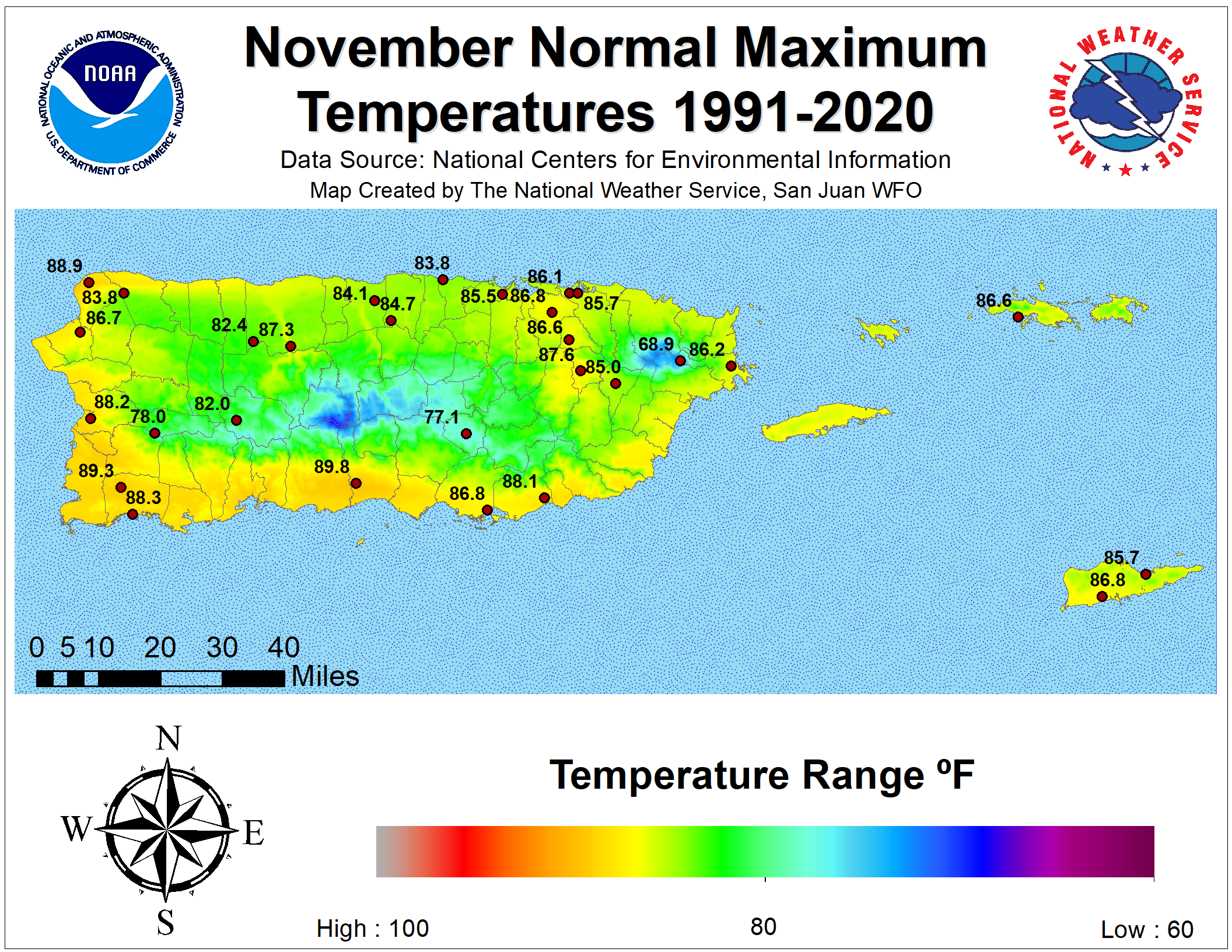
On average, daytime temperatures in [Puerto Rico] hover between 80°F and 85°F (27°C to 29°C). Nighttime temperatures offer a slight reprieve, typically falling to the mid-70s°F (around 24°C). This consistent warmth means that regardless of when you choose to visit, you can expect pleasant, beach-ready weather.
- Winter (December to April): This period is often considered the “high season” for tourism, not necessarily because of cooler temperatures, but due to the drier conditions and slightly lower humidity. Average daytime highs are around 80°F (27°C), with comfortable evenings. This is an ideal time for exploring the island’s outdoor attractions without the concern of heavy rainfall.
- Summer (May to November): While often referred to as the “wet season,” this period still offers plenty of sunshine. Temperatures tend to be slightly higher, with daytime averages ranging from 85°F to 90°F (29°C to 32°C). Humidity also increases during these months, making the air feel warmer. This is also the season when [Puerto Rico] is most susceptible to tropical storms and hurricanes, with the peak of the hurricane season occurring between August and October. However, it’s important to note that not all of these storms impact the island directly.
Coastal vs. Inland Temperatures
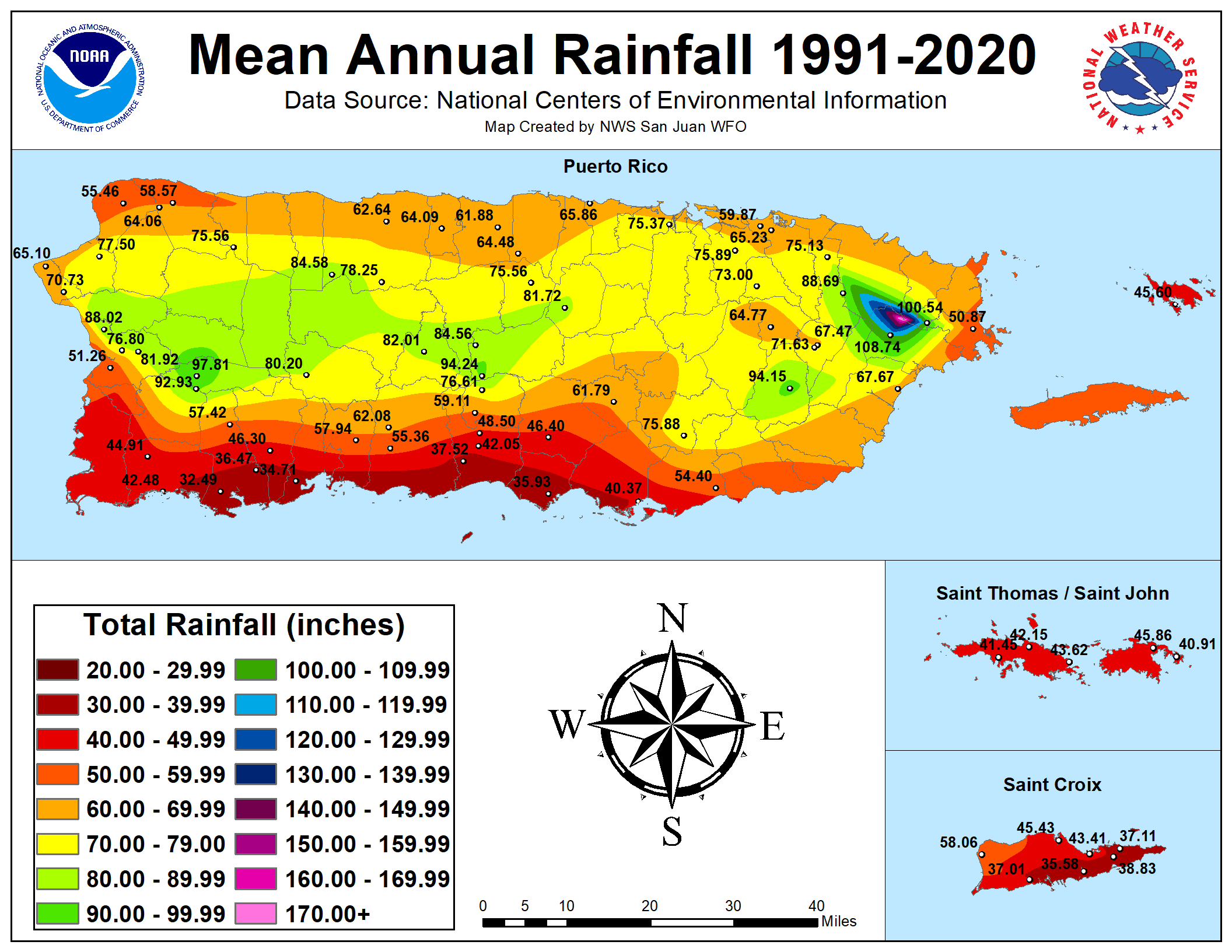
While the overall climate is consistent, there can be minor variations between the coastal regions and the mountainous interior. Coastal areas, such as those around [San Juan] and [Ponce], tend to experience a moderating effect from the sea breeze, keeping temperatures slightly cooler and more comfortable than in inland areas. The central mountainous region, including the [El Yunque National Forest], can be a few degrees cooler, especially at higher elevations, and often experiences higher rainfall due to orographic lift. This can create a refreshing contrast for those seeking a break from the coastal heat.
Factors Influencing Puerto Rico’s Temperature
Several geographical and meteorological factors contribute to the consistent and pleasant temperatures experienced in [Puerto Rico].
Proximity to the Equator
As a tropical island, [Puerto Rico] lies within the tropics, the region of the Earth surrounding the Equator. This location means the island receives direct sunlight throughout the year, leading to consistently high temperatures and a lack of distinct winter and summer as experienced in temperate climates. The sun’s angle in the sky remains relatively high, ensuring ample solar radiation.

Ocean Currents and Sea Breezes
The surrounding [Atlantic Ocean] and [Caribbean Sea] play a significant role in moderating [Puerto Rico]’s temperatures. Warm ocean currents help to maintain the island’s warmth, while the prevailing easterly trade winds generate refreshing sea breezes. These breezes are particularly noticeable along the coastlines and can significantly lower the perceived temperature, offering a welcome respite from the tropical heat, especially during the afternoon.
Elevation and Topography
The island’s topography, characterized by a coastal plain that rises to a central mountain range, also influences local temperatures. As mentioned earlier, higher elevations in the central highlands are generally cooler than the coastal lowlands. This difference is due to adiabatic cooling, where air cools as it rises and expands. This is a key factor for visitors who might be planning excursions into areas like the [Cordillera Central].
Planning Your Visit Based on Temperature
Knowing the general temperature trends allows for more informed travel planning, ensuring you pack appropriately and choose activities that best suit the prevailing conditions.
Packing Essentials
Regardless of the season, lightweight, breathable clothing is a must for any trip to [Puerto Rico].
- Clothing: Pack cotton t-shirts, shorts, sundresses, and linen trousers. A light jacket or sweater is advisable for evenings, especially if you plan to visit the mountains or dine in air-conditioned establishments.
- Footwear: Comfortable walking shoes or sandals are essential for exploring. If you plan to hike in [El Yunque National Forest], sturdy closed-toe shoes are recommended.
- Swimwear: Given the island’s numerous beaches and water activities, swimwear is a necessity.
- Sun Protection: High SPF sunscreen, a wide-brimmed hat, and sunglasses are crucial to protect your skin from the strong tropical sun.
- Rain Gear: While the dry season is generally sunny, occasional brief showers can occur. A lightweight, packable rain jacket or umbrella is a good idea, especially if you are visiting during the wetter months or plan to spend time in the rainforest.
Best Times to Visit for Temperature Preferences
While [Puerto Rico] is a year-round destination, certain times might align better with specific temperature preferences.
- For Drier, Slightly Cooler Weather: The period from December to April offers the lowest humidity and the least amount of rainfall, with temperatures comfortably in the low 80s°F. This is often considered the prime time for those who prefer slightly less intense heat and humidity.
- For Warmest Temperatures and Vibrant Energy: The summer months (June to August) bring the warmest weather, with highs often in the upper 80s°F. This period coincides with school holidays for many, leading to a lively atmosphere across the island. However, be prepared for higher humidity and the possibility of afternoon rain showers.
- For Avoiding Peak Crowds and Enjoying Warmth: The shoulder seasons – April to May and November to December (pre-Christmas) – can offer a good balance. You’ll find warm temperatures, fewer crowds than the absolute peak winter season, and a reasonable chance of good weather, though with a slightly higher likelihood of rain compared to the dry season.
Beyond the Numbers: Experiencing Puerto Rico’s Climate
While specific temperature figures provide a baseline, the true experience of [Puerto Rico]’s climate is about more than just numbers. It’s about the feeling of the warm sun on your skin as you explore the historic streets of Old [San Juan], the refreshing mist from a waterfall in [El Yunque National Forest], or the cooling caress of the trade winds as you gaze out at the [Bioluminescent Bay]. The temperature in [Puerto Rico] contributes significantly to its laid-back, tropical ambiance, inviting visitors to slow down, embrace the warmth, and immerse themselves in the island’s unique rhythm. From enjoying fresh coconut water on a sun-drenched beach to dining al fresco under a canopy of stars, the island’s climate is an integral part of the unforgettable [Puerto Rican] experience.
LifeOutOfTheBox is a participant in the Amazon Services LLC Associates Program, an affiliate advertising program designed to provide a means for sites to earn advertising fees by advertising and linking to Amazon.com. Amazon, the Amazon logo, AmazonSupply, and the AmazonSupply logo are trademarks of Amazon.com, Inc. or its affiliates. As an Amazon Associate we earn affiliate commissions from qualifying purchases.