
When envisioning a trip to Seattle, the image that often springs to mind is one of persistent rain and overcast skies. While the “Emerald City” certainly earns its verdant nickname thanks to ample precipitation, its climate is far more nuanced and enjoyable than many outsiders realize. Understanding the temperature in Seattle, Washington, is crucial for any traveler planning an unforgettable journey to the Pacific Northwest, whether you’re seeking vibrant outdoor adventures, cozy indoor retreats, or a blend of both. Far from a monolithic weather pattern, Seattle offers distinct seasonal temperatures that shape everything from packing lists to preferred accommodations, influencing the overall tourism experience and lifestyle you’ll encounter.

This guide delves into Seattle’s average temperatures throughout the year, exploring how each season impacts travel planning, hotel choices, local activities, and the unique charm of this dynamic United States city. From the bustling energy of summer to the serene beauty of winter, knowing what to expect from the mercury will empower you to craft the perfect Seattle itinerary.
Understanding Seattle’s Seasons: A Traveler’s Guide
Seattle experiences four distinct seasons, each offering a different facet of the city’s character. While the general perception often focuses on its rain, the reality is a moderate climate, heavily influenced by its proximity to Puget Sound and the protective Olympic Mountains to the west. This geographical positioning results in relatively mild winters and warm, often dry, summers, with dramatic variations in temperature, daylight hours, and precipitation that directly affect tourism and lifestyle choices.
Springtime in the Emerald City: Mild Starts and Blooming Wonders
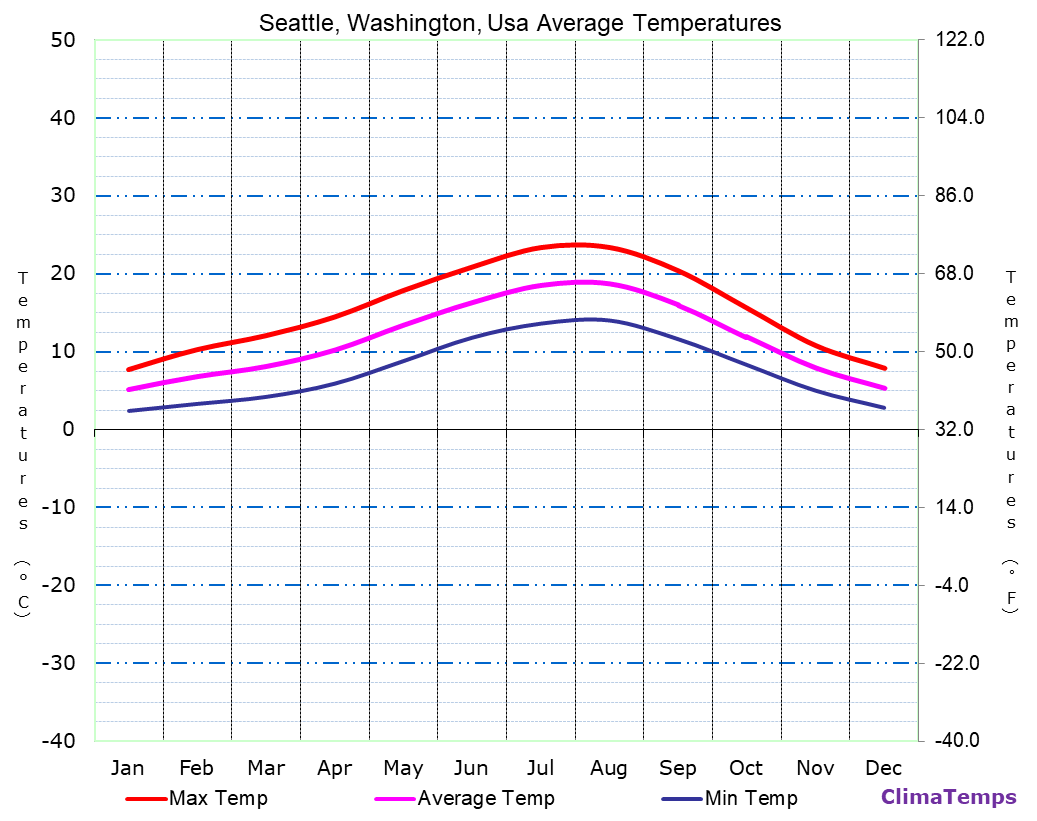
Spring in Seattle, spanning from March through May, is a period of transition and rejuvenation. Temperatures gradually climb, ranging from average lows in the low 40s°F (4-6°C) in March to highs in the mid-60s°F (18-20°C) by late May. Early spring can still feel quite chilly and wet, with typical Seattle “drizzles” being common. However, as the season progresses, sunny days become more frequent, often interspersed with classic Pacific Northwest showers that keep the landscape lush.
Travel & Tourism in Spring: This is an excellent time for visitors who appreciate blooming gardens and lighter crowds before the summer rush. Iconic landmarks like the Pike Place Market become even more vibrant with fresh produce and floral displays. Outdoor activities, such as exploring Discovery Park or enjoying scenic views from Kerry Park, are increasingly pleasant, though layering is essential. A waterproof jacket and comfortable walking shoes are non-negotiable items for your spring packing list.
Accommodation in Spring: Hotel prices tend to be more moderate than in summer, offering good value for various accommodation types, from luxury suites in downtown hotels like the Fairmont Olympic Hotel to more budget-friendly apartments or boutique hotels like Hotel Max. Many hotels offer attractive spring packages, appealing to those looking for a comfortable stay without peak season premiums.
Summer’s Embrace: Warm Sun and Outdoor Adventures
Summer, from June to August, is unequivocally Seattle’s most celebrated season. The city truly comes alive under consistently warm and often sunny skies. Average temperatures range from comfortable lows in the mid-50s°F (12-14°C) to delightful highs in the mid-70s°F (23-25°C), with many days reaching into the 80s°F (27-30°C). Unlike many other parts of the United States, Seattle summers are typically dry, with low humidity, making the warmth incredibly pleasant. Rainfall is minimal, and long daylight hours extend into the late evening, creating an idyllic setting for exploration.
Travel & Tourism in Summer: This is peak tourist season for a reason. Visitors flock to the city for outdoor festivals like Seafair, concerts, and a myriad of water activities on Lake Union and Puget Sound. Popular attractions such as the Space Needle, Chihuly Garden and Glass, and the Seattle Great Wheel experience their highest foot traffic. Day trips to nearby natural wonders like Olympic National Park or Mount Rainier National Park are incredibly popular, offering stunning hikes and breathtaking scenery. Light clothing, sunglasses, and sunscreen are essential, though a light jacket for cooler evenings is always a good idea.
Accommodation in Summer: Due to high demand, hotel rates for everything from luxury resorts to standard apartments are at their peak. Booking well in advance is highly recommended, especially for popular choices like The Edgewater Hotel with its waterfront views or the centrally located Hyatt Regency Seattle. Lifestyle travelers considering luxury experiences or family trips should plan their budgets accordingly, as premium amenities and prime locations come at a higher cost during these months.
Autumn’s Palette: Crisp Air and Cozy Retreats
September through November brings autumn to Seattle, a beautiful season characterized by crisp air, changing foliage, and a gradual return of the city’s signature atmospheric clouds and rain. Temperatures typically range from the low 50s°F (10-12°C) to the mid-60s°F (15-18°C) in September, cooling down to the mid-40s°F (7-9°C) to low 50s°F (10-12°C) by November. The early part of autumn, often referred to as “Indian Summer,” can still offer remarkably warm and dry days, making it a favorite time for many locals.
Travel & Tourism in Autumn: This season appeals to travelers seeking a more laid-back experience with stunning natural beauty. The vibrant fall colors are particularly noticeable in parks like Gas Works Park or on scenic drives outside the city. Cultural events, such as the Bumbershoot arts festival, often take place in early fall. Indoor attractions like the Museum of Pop Culture (MoPOP) or the Seattle Aquarium become increasingly popular as the weather turns wetter. Packing layers, a good waterproof coat, and comfortable waterproof footwear is key.
Accommodation in Autumn: As the summer crowds dissipate, hotel prices begin to soften, offering a sweet spot for budget-conscious travelers or those looking for better deals on more upscale accommodations. Resorts and villas may offer seasonal promotions, and long-term stay options become more available, providing opportunities to experience local culture at a relaxed pace.

Winter’s Chill: Rain, Recreation, and Festive Charm
Winter in Seattle, from December to February, is characterized by mild, wet weather. Temperatures are typically cool but rarely plunge below freezing for extended periods, averaging from the high 30s°F (3-4°C) to the high 40s°F (8-10°C). Snowfall within the city is relatively rare but does occur occasionally, transforming the landscape into a picturesque wonderland for a few days. The defining feature of Seattle winter is its consistent rainfall, though often light, and significantly shorter daylight hours.
Travel & Tourism in Winter: While outdoor activities like hiking might be limited to experienced individuals with proper gear, winter in Seattle offers a different kind of charm. It’s an ideal time for exploring the city’s rich indoor offerings, from world-class museums like The Museum of Flight to the bustling corridors of Pike Place Market for comforting hot beverages and fresh seafood. The holiday season brings festive lights and markets, and nearby ski resorts offer opportunities for winter sports. This is also a fantastic time to indulge in Seattle’s renowned coffee culture and culinary scene.
Accommodation in Winter: Winter represents the off-peak season for tourism, meaning the best deals on hotels, suites, and apartments are often found during these months. Luxury travel becomes more accessible, with resorts offering lower rates and enhanced amenities like spa services or indoor pools. For business stays, this period can offer more flexibility and competitive pricing. Budget travel is significantly easier to manage, allowing travelers to experience Seattle without breaking the bank.
Planning Your Seattle Getaway: Temperature’s Influence on Travel & Accommodation
Understanding Seattle’s temperature patterns is paramount for effective travel planning, influencing everything from the clothes you pack to the type of accommodation you choose and the activities you plan.
Packing Essentials for Every Season
Spring & Autumn: These transitional seasons demand versatile packing. Layers are your best friend: t-shirts, long-sleeved shirts, sweaters or fleeces, and a waterproof, windproof jacket. Comfortable, waterproof walking shoes are also a must. An umbrella is optional, as many locals prefer hooded jackets.
Summer: Light clothing (shorts, t-shirts, dresses) for daytime. A light jacket or sweater is advisable for cooler evenings. Sunglasses and a hat are important for sun protection. Comfortable sandals or walking shoes are suitable.
Winter: Warm layers, including thermal wear if you plan to spend extended time outdoors. A heavy, waterproof and insulated coat, waterproof boots, gloves, and a hat are essential. Embrace wool and synthetic fabrics that insulate even when wet.
Seasonal Impact on Hotel Stays and Lifestyle Choices
The temperature directly correlates with tourist demand, which in turn dictates accommodation pricing and availability.
Peak Season (Summer): Expect higher prices, full hotels, and a lively atmosphere. Luxury travelers might find themselves competing for premium suites and resorts, while budget travelers should consider booking apartments or less central hotels far in advance. Family trips are popular due to school holidays and pleasant weather.
Shoulder Seasons (Spring & Autumn): These seasons offer a balance between good weather and more manageable crowds and prices. This is ideal for those seeking a mix of outdoor exploration and cultural immersion without the summer rush. You can often find better deals on amenities like heated pools or spa services.
Off-Peak Season (Winter): Best for budget travel and those prioritizing indoor activities or cozy retreats. Hotels and villas offer their most competitive rates, and you might enjoy a more intimate, local experience. Business stays often find this season most cost-effective. Choosing accommodations with fireplaces, robust heating, and perhaps even indoor entertainment options becomes a priority.
Experiencing Seattle’s Icons: Weather-Proofing Your Itinerary
Seattle’s diverse range of landmarks and attractions means there’s always something to do, regardless of the temperature or precipitation. A well-planned itinerary can ensure you make the most of your visit, come rain or shine.
Indoor Sanctuaries for Rainy Days
When the Seattle skies open up, the city offers an abundance of world-class indoor attractions perfect for staying warm and dry.
- Museums: Dive into pop culture at the Museum of Pop Culture (MoPOP), explore aviation history at The Museum of Flight, or marvel at stunning glass art at Chihuly Garden and Glass (which also has a significant outdoor component, but its main galleries are indoors). The Seattle Aquarium offers an immersive underwater experience.
- Retail Therapy & Culinary Exploration: Spend hours exploring the labyrinthine Pike Place Market, sampling local delicacies, and browsing unique crafts. Warm up with a coffee at the original Starbucks Reserve Roastery or explore Seattle’s renowned breweries and distilleries.
- Iconic Views: Even on a grey day, the panoramic views from the Space Needle’s observation deck or the Seattle Great Wheel offer a unique perspective of the city, Puget Sound, and surrounding mountains, often shrouded in a dramatic mist.
Outdoor Escapes When the Sun Shines
When the sun graces Seattle with its presence, especially during the glorious summer months, the city’s outdoor attractions become irresistible.
- Parks & Green Spaces: Stroll through Discovery Park, Seattle’s largest urban park, for breathtaking views of Puget Sound and the Olympic Mountains. Gas Works Park offers quirky industrial aesthetics and stunning city skyline views, particularly at sunset. The Woodland Park Zoo is an excellent family-friendly outdoor option.
- Waterfront Activities: Kayak or paddleboard on Lake Union, take a scenic ferry ride across Puget Sound to the San Juan Islands, or simply enjoy a walk along the revitalized waterfront.
- Iconic Viewpoints: Kerry Park remains a quintessential spot for that iconic Space Needle and skyline photo, best enjoyed on a clear day.
Embracing Seattle’s ever-changing skies is part of its charm. While the temperature in Seattle, Washington, fluctuates with the seasons, the city’s spirit remains consistently vibrant. From luxurious hotel experiences to adventurous budget travel, Seattle offers a wealth of options for every traveler, tailored by its unique climate. By understanding its temperatures and preparing accordingly, your journey to the Emerald City is sure to be comfortable, enriching, and truly unforgettable.
LifeOutOfTheBox is a participant in the Amazon Services LLC Associates Program, an affiliate advertising program designed to provide a means for sites to earn advertising fees by advertising and linking to Amazon.com. Amazon, the Amazon logo, AmazonSupply, and the AmazonSupply logo are trademarks of Amazon.com, Inc. or its affiliates. As an Amazon Associate we earn affiliate commissions from qualifying purchases.