
Tampa, Florida, a vibrant city on Florida’s Gulf Coast, is renowned for its sunny weather, warm temperatures, and inviting atmosphere. Understanding the local climate is paramount for any traveler planning a visit, as it significantly influences everything from packing choices to activity planning. Known as part of the Sunshine State, Tampa offers a subtropical climate characterized by hot, humid summers and mild, relatively dry winters. This consistent warmth makes it a popular destination year-round, but specific seasonal nuances dictate the optimal travel experience.
Understanding Tampa’s Climate: A Year-Round Overview
Tampa’s climate is primarily defined by two distinct seasons: a warm, wet season and a cooler, dry season. This categorization is more accurate than traditional four-season distinctions for this region. The average annual temperature hovers around 73°F (23°C), creating an idyllic environment for outdoor activities for much of the year. However, within this average, considerable variations occur, making specific seasonal insights crucial for travelers.

The Warm, Wet Season: June to September
This period encompasses the peak of summer and early autumn, bringing the warmest temperatures and the highest humidity levels. Daily high temperatures consistently range from the upper 80s to low 90s°F (31-33°C), often feeling even warmer due to the oppressive humidity. Nighttime lows rarely dip below the mid-70s°F (24-26°C), offering little reprieve from the heat.
Key Characteristics for Travelers:
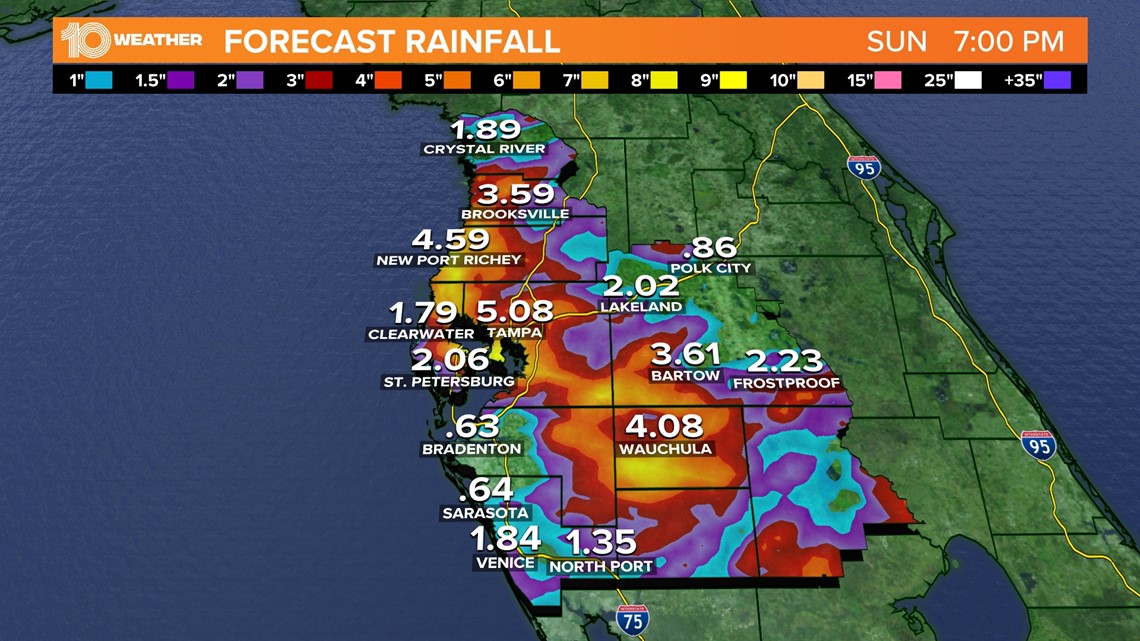
- Rainfall: This is Tampa’s rainy season, characterized by frequent afternoon thunderstorms. These storms are often intense but brief, typically lasting an hour or two before skies clear. While they can disrupt outdoor plans momentarily, they also help cool the air.
- Humidity: The air is thick with humidity, making strenuous outdoor activities feel more challenging. Travelers sensitive to heat and humidity might find this season less comfortable for extensive sightseeing.
- Hurricane Season: This period also coincides with the Atlantic hurricane season, which runs from June 1st to November 30th. While direct hits are relatively rare, tropical systems can bring prolonged heavy rain, strong winds, and potential travel disruptions. Travelers should monitor weather forecasts closely during these months.
Traveler’s Advice: Pack light, breathable clothing (cottons, linens). Hydration is key. Plan outdoor activities for early mornings or late afternoons, avoiding the midday sun and typical thunderstorm hours. Many indoor attractions, such as museums or shopping centers, provide excellent alternatives during the hottest parts of the day. Hotels and accommodations are well-equipped with air conditioning, offering a comfortable escape.
The Cooler, Dry Season: October to May
This extended period is generally considered the most pleasant time to visit Tampa. Temperatures are milder, humidity is significantly lower, and rainfall is minimal.
Key Characteristics for Travelers:
- Autumn (October-November): Temperatures are delightfully warm, with highs in the high 70s to low 80s°F (25-29°C) and comfortable lows in the 60s°F (16-20°C). Humidity starts to drop, and the frequency of thunderstorms decreases significantly. This is a shoulder season offering excellent weather without the peak crowds of winter.
- Winter (December-February): This is the coolest and driest period. Daily highs average in the low to mid-70s°F (21-24°C), with nighttime lows often in the 50s°F (10-15°C). While “cold fronts” can occasionally bring temperatures down to the 40s°F (4-9°C) for a few days, especially in January, freezing temperatures are rare. Sunshine is abundant, making it an ideal escape from colder northern climates.
- Spring (March-May): As spring progresses, temperatures gradually rise, mirroring autumn conditions. March and April offer near-perfect weather, with highs in the mid-70s to low 80s°F (24-29°C) and low humidity. By May, the heat and humidity begin to build again as the region transitions back into the warm, wet season.

Traveler’s Advice: This is prime travel season. Pack layers, as mornings can be cool, while afternoons are pleasantly warm. Sun protection (hats, sunscreen) is still essential. This is the best time for extensive outdoor exploration, from strolls along The Riverwalk to visits to Busch Gardens Tampa Bay. Hotel prices and crowds tend to be higher during the winter and spring break periods, so book accommodations and flights well in advance.
Seasonal Impact on Travel and Activities
The fluctuating temperatures directly influence the types of activities travelers engage in and the overall experience of a Tampa vacation.
Peak Season Experiences (Winter & Spring)
During the cooler, drier months, Tampa truly shines for outdoor enthusiasts.
- Theme Parks and Attractions: Busch Gardens Tampa Bay is particularly enjoyable without the intense summer heat. The mild weather also makes exploring open-air attractions like The Riverwalk or historical districts like Ybor City a comfortable experience.
- Beach Days: While the Gulf of Mexico waters might be a bit cool for swimming in January, temperatures warm up by March, making nearby beaches like those in St. Petersburg and Clearwater Beach incredibly inviting.
- Outdoor Sports & Events: From professional sports at Amalie Arena or Raymond James Stadium to golf and tennis, the pleasant weather encourages active pursuits. Festivals and outdoor events are frequently scheduled during these months.
- Day Trips: The comfortable climate is perfect for day trips to other Florida attractions like Orlando’s theme parks (Walt Disney World, Universal Studios Florida) or the Kennedy Space Center on the Atlantic Ocean coast.
Summer Travel Considerations (Summer & Early Fall)
Despite the heat and humidity, summer still attracts many visitors, especially families due to school holidays.
- Water-Based Activities: This is the ideal time for enjoying Tampa’s numerous water parks, boat tours on Tampa Bay, kayaking, paddleboarding, and swimming in pools or the warm Gulf of Mexico waters.
- Indoor Attractions: Museums (e.g., Tampa Museum of Art, Florida Aquarium), shopping malls, and air-conditioned restaurants provide excellent retreats from the heat and afternoon storms.
- Nightlife: As the sun sets and temperatures slightly abate, Ybor City’s vibrant nightlife and outdoor dining become more appealing.
Preparing for Your Tampa Trip: Packing and Planning Tips
No matter when you decide to visit, a few universal packing and planning tips based on Tampa’s temperatures will enhance your travel experience.
Essential Packing List
- Lightweight Clothing: Always prioritize breathable fabrics like cotton, linen, and moisture-wicking synthetics. Even in winter, daytime temperatures are mild.
- Sun Protection: Sunscreen (SPF 30+), wide-brimmed hats, and sunglasses are non-negotiable year-round. Florida’s sun is strong.
- Swimsuit: With numerous beaches, pools, and water parks, a swimsuit is a must, especially from late spring through early autumn.
- Comfortable Walking Shoes: Many Tampa attractions, especially Busch Gardens Tampa Bay and The Riverwalk, involve considerable walking.
- Rain Gear (Summer): A light rain jacket or umbrella is advisable during the warm, wet season for those inevitable afternoon showers.
- Layers (Winter): For winter visits, pack a light jacket, sweater, or cardigan for cooler mornings, evenings, or air-conditioned indoor spaces.
- Insect Repellent: Mosquitoes can be prevalent, particularly in humid conditions or near standing water, so a repellent is a good idea, especially if planning outdoor evening activities.
Strategic Planning
- Check Forecasts: Always consult a reliable weather forecast a few days before your trip and adjust your packing accordingly.
- Book in Advance: During peak season (winter and spring), popular attractions and accommodations can book up quickly. Secure reservations for hotels, flights, and even popular dining spots well ahead of time.
- Hydrate Continuously: Regardless of the season, stay hydrated, especially when engaging in outdoor activities.
- Early Bird or Night Owl: To avoid the hottest parts of the day in summer, plan outdoor activities for early mornings or late afternoons.
- Consider Travel Insurance: Especially during hurricane season, travel insurance can provide peace of mind in case of weather-related disruptions.
In conclusion, Tampa, Florida’s temperature profile makes it an attractive travel destination throughout the year. While summer offers a classic hot, humid, and rainy Florida experience perfect for water activities, the cooler, drier months from October to May provide a more comfortable environment for extensive outdoor exploration and sightseeing. By understanding these seasonal variations and preparing appropriately, travelers can ensure a memorable and enjoyable visit to this vibrant Gulf Coast city.
LifeOutOfTheBox is a participant in the Amazon Services LLC Associates Program, an affiliate advertising program designed to provide a means for sites to earn advertising fees by advertising and linking to Amazon.com. Amazon, the Amazon logo, AmazonSupply, and the AmazonSupply logo are trademarks of Amazon.com, Inc. or its affiliates. As an Amazon Associate we earn affiliate commissions from qualifying purchases.