
Las Vegas, Nevada, is a city that defies easy categorization. Renowned globally as the “Entertainment Capital of the World,” it’s a vibrant tapestry of dazzling lights, world-class entertainment, gourmet dining, and opulent resorts. Yet, for all its man-made marvels, the city is inextricably linked to its natural environment: the vast, starkly beautiful Mojave Desert. This desert setting is the single most defining factor of Las Vegas’ climate, dictating everything from what to pack to the best time to explore its famous landmarks or relax by a hotel pool. Understanding the temperature of Las Vegas isn’t just about reciting numbers; it’s about grasping the implications for travel planning, accommodation choices, and the overall lifestyle experience you can expect.
Whether you’re planning a luxurious weekend escape, a budget-friendly family trip, or a business stay, knowing the seasonal temperature trends is paramount. It influences which attractions are most enjoyable, how much time you’ll spend outdoors, and even the type of activities available. From the scorching summer highs that call for air-conditioned sanctuaries and refreshing pool dips, to the mild winter days perfect for exploring, Las Vegas’ climate offers distinct experiences throughout the year. This guide will delve into the nuanced temperatures of Las Vegas, providing insights to help you plan the perfect visit, regardless of the season.
The Mojave Desert Climate: A Year-Round Overview
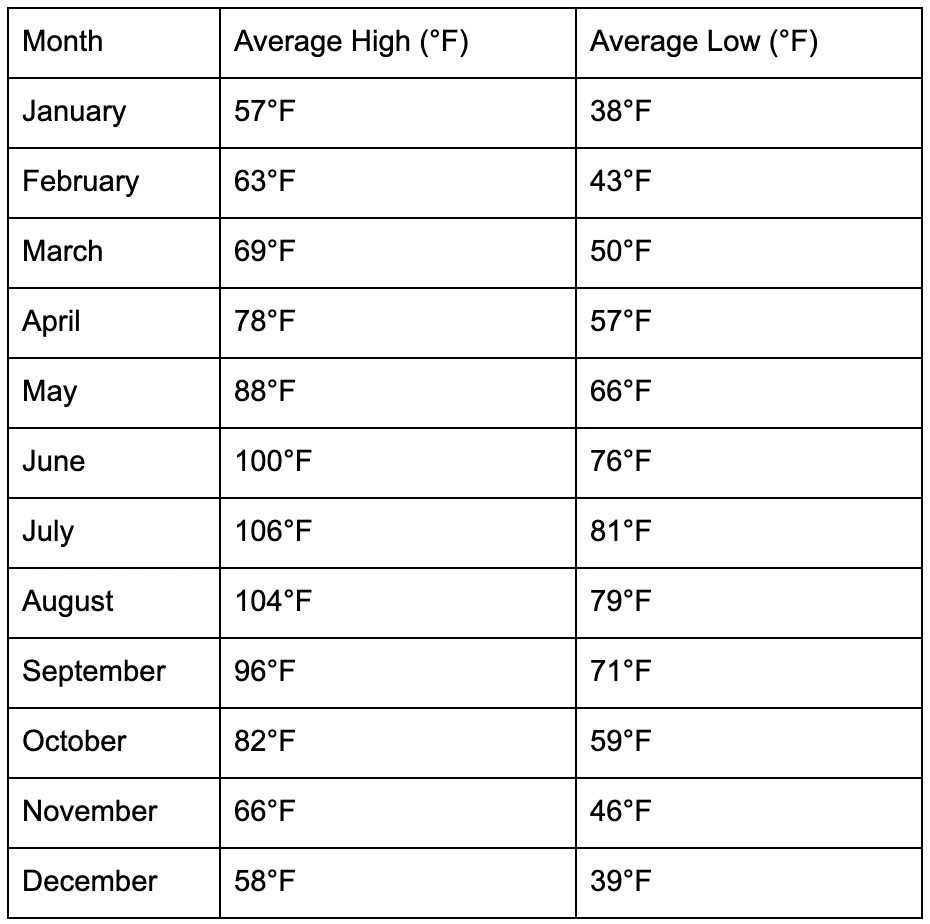
At its core, Las Vegas experiences a hot desert climate, characterized by abundant sunshine, very low humidity, and significant temperature variations between day and night. Situated in the middle of the Mojave Desert, the city basks in over 300 days of sunshine annually, making it a perpetually bright destination. This dry heat is a critical distinction; while temperatures can soar, particularly in summer, the lack of humidity often makes the heat feel less oppressive than in more humid climates, though it carries its own risks like rapid dehydration.
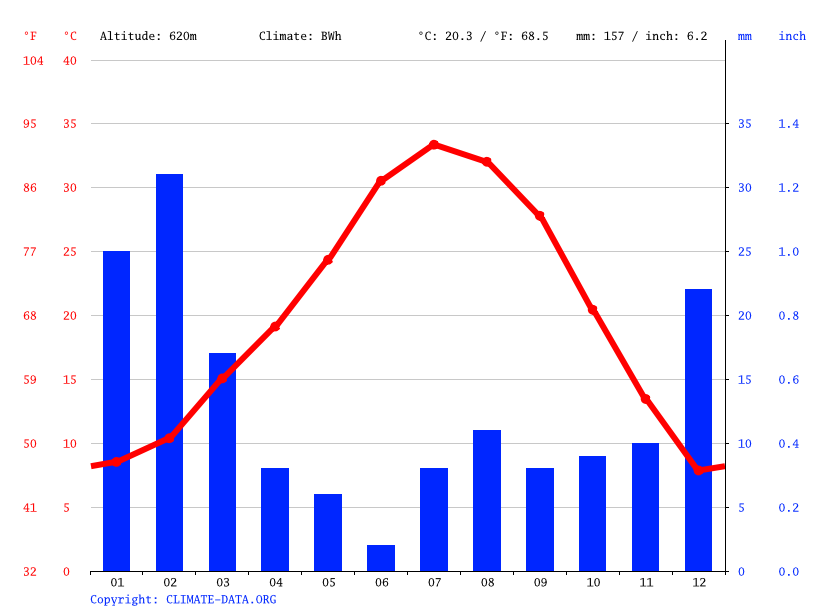
Average daily temperatures in Las Vegas can range from the low 40s Fahrenheit (around 4-5°C) in winter to well over 100°F (38°C) in summer. The desert environment also means that once the sun sets, temperatures can drop quite dramatically, even after a searing hot day. This diurnal temperature range is important for visitors to understand, as a comfortable daytime outfit might require an added layer once evening approaches, particularly during spring and fall. Rainfall is scarce, with most precipitation occurring during brief, intense thunderstorms in late summer, or as light rain in winter. Snow is a rare event within the city limits, though it can be seen on surrounding mountain peaks in winter.

Understanding this overarching climate profile is the first step in appreciating how Las Vegas’ temperature dictates the rhythm of life and tourism in this extraordinary desert oasis.
Seasonal Deep Dive: What to Expect When You Visit
The best time to visit Las Vegas largely depends on your tolerance for heat and your preferred activities. Each season brings its own unique set of temperatures, crowds, and opportunities for unforgettable experiences.
Summer (June, July, August): Scorching Sun and Cool Escapes
Summer in Las Vegas is characterized by intense heat, with average daytime highs consistently exceeding 100°F (38°C) and often climbing to 105-110°F (41-43°C). July is typically the hottest month. While these temperatures might seem daunting, the low humidity of the Mojave Desert means the air is dry, making it feel less stifling than humid heat. However, it’s crucial to acknowledge the intensity; prolonged exposure to direct sunlight can be dangerous.
This season transforms Las Vegas into a haven of indoor luxury and poolside revelry. Hotels become the primary escape, offering expansive, air-conditioned environments where guests can explore casinos, shops, and restaurants in comfort. Resort pools become vibrant social hubs, with elaborate designs, cabana rentals, and pool parties offering a refreshing respite from the heat. Properties like the Bellagio with its iconic fountains, Caesars Palace with its Forum Shops, the Wynn and Cosmopolitan with their luxurious pool decks, and the sprawling MGM Grand complex are masterclasses in creating self-contained, climate-controlled worlds.
Outdoor activities during the day are best avoided or undertaken with extreme caution. If you plan to venture out, early mornings before 9 AM or late evenings after sunset are the safest times. Evenings, while still warm, offer a noticeable drop in temperature, making walks along the Strip or enjoying the Fremont Street Experience more tolerable. For those who embrace the heat, summer provides ample opportunities for luxury travel focused on resort amenities, world-class shows, and pulsating nightlife, where the temperature outside matters little once you’re immersed in the indoor spectacle. Lightweight, breathable clothing, wide-brimmed hats, sunglasses, and diligent hydration are non-negotiable.
Fall (September, October, November): The Golden Season for Exploration
Fall is arguably one of the most ideal times to visit Las Vegas, offering a welcome reprieve from the summer’s intensity. September can still be quite warm, with average highs in the low 90s Fahrenheit (32-34°C), but by October and November, temperatures become wonderfully pleasant, ranging from the mid-70s to mid-80s (24-29°C) during the day, with comfortable, cooler evenings dipping into the 50s and 60s (10-18°C).
This season is perfect for those who want to experience Las Vegas beyond the indoor confines of its resorts. The comfortable temperatures make it an excellent time for outdoor exploration and sightseeing. Walking the entire length of the Strip to admire the various hotel facades, architecture, and street performances becomes a genuine pleasure. It’s also prime time for day trips to nearby natural wonders and landmarks. The stunning landscapes of the Red Rock Canyon National Conservation Area are perfect for hiking and photography, just a short drive from the city. Iconic destinations like the Grand Canyon, Hoover Dam, and Lake Mead are much more enjoyable when the weather isn’t scorching.
Tourism flourishes in the fall, with visitors keen to engage in local culture, outdoor activities, and explore the city’s unique charm without the oppressive heat or extreme crowds of peak summer. Golf courses are in their prime, and outdoor dining patios become desirable spots. Light layers are recommended for evenings, as the desert air can cool down quickly after sunset.
Winter (December, January, February): Mild Days and Sparkling Nights
Winter in Las Vegas brings mild, often sunny days and noticeably chilly nights. Daytime highs typically hover in the 50s and low 60s Fahrenheit (10-17°C), making it very comfortable for walking and sightseeing. However, evenings and early mornings can drop into the 30s and 40s (around 0-9°C), with occasional frost. While rare, a dusting of snow might occur on the surrounding mountains, creating a picturesque backdrop.
This season is ideal for visitors whose primary interest lies in the city’s world-class entertainment, dining, and indoor attractions. Shows, concerts, comedy acts, and fine dining experiences are abundant, offering cozy retreats from the cooler outside temperatures. It’s an excellent time for long-term stays or those focused on budget travel, as hotel rates can sometimes be lower outside of holiday periods. Exploring the unique shops and themed resorts like the Venetian or Paris Las Vegas (complete with its own Eiffel Tower replica) is a comfortable daytime activity.
The Fremont Street Experience downtown, with its canopy light show and live music, is vibrant year-round, but the cooler winter evenings make it particularly pleasant for lingering. While outdoor pool use might be limited to heated pools (and only for the most dedicated swimmers), many resorts still offer beautiful heated amenities. Winter also sees various holiday celebrations, transforming the city with festive decorations and special events, providing a different kind of magical experience. Pack warm layers, including a jacket or coat, especially if you plan to be out after dark.
Spring (March, April, May): The Sweet Spot for Outdoor Enjoyment
Spring in Las Vegas is another prime travel window, offering a delightful balance of warmth and comfort before the intense summer heat sets in. March sees average highs in the upper 60s and low 70s Fahrenheit (19-23°C), steadily climbing to the 80s and low 90s (27-33°C) by May. Nights remain pleasantly cool, generally in the 50s and 60s (10-18°C).
This season is perfect for activating all facets of a Las Vegas experience, from relaxing by the pool to embarking on adventurous excursions. The desert landscape awakens with subtle blooms, adding a touch of natural beauty to the surroundings. Pool season kicks into high gear, with guests flocking to the elaborate aquatic playgrounds that are a hallmark of Las Vegas resorts. It’s an excellent time for hiking, cycling, and exploring outdoor attractions like the Red Rock Canyon National Conservation Area or even day trips to destinations further afield like Death Valley National Park, which is scorching in summer but enjoyable in spring.
Spring also marks a busy period for concerts, festivals, and outdoor events. Sports enthusiasts can enjoy events at venues like Allegiant Stadium or T-Mobile Arena without the summer heat. While crowds begin to build as the weather warms, especially around major holidays or conventions, the overall comfort for travel and tourism makes spring a highly sought-after time. Lightweight clothing for the day and a light jacket for evenings are generally sufficient.
Factors Influencing Your Las Vegas Comfort
While average temperatures provide a good baseline, several other factors contribute to how comfortable you’ll feel in Las Vegas’ climate.
Humidity: The desert’s hallmark is its very low humidity. This is a double-edged sword. On one hand, even extreme heat can feel more tolerable because perspiration evaporates quickly, providing a cooling effect. On the other hand, this rapid evaporation leads to faster dehydration, often without you realizing how much fluid you’re losing. Your skin and throat can also feel much drier than you’re accustomed to.
Urban Heat Island Effect: Las Vegas is a sprawling urban environment with vast expanses of asphalt, concrete, and buildings. These materials absorb and retain heat much more effectively than the natural desert landscape. This creates an “urban heat island” effect, meaning that temperatures within the city, particularly on the Strip and downtown, can be several degrees Fahrenheit warmer than in surrounding undeveloped areas, especially at night.
Wind: While generally calm, certain times of the year, particularly spring, can experience strong, gusty winds. These winds, combined with low humidity, can further contribute to a drying effect and make outdoor activities feel a bit more challenging. Dust can also become an issue on windy days.
Elevation: Las Vegas itself sits at an elevation of about 2,000 feet (610 meters) above sea level. While this isn’t high enough to significantly impact air temperature or oxygen levels, it’s worth noting that nearby mountain ranges, which are popular for day trips, are at much higher elevations and will experience significantly cooler temperatures. For instance, areas like Mount Charleston offer a cool escape in summer and even snow activities in winter, demonstrating the varied microclimates available within a short drive.
Navigating Las Vegas in Any Weather: Practical Tips
Regardless of when you choose to visit, a few practical tips can significantly enhance your comfort and overall experience in Las Vegas.
- Hydration is Key: This cannot be stressed enough. Carry a water bottle and drink water constantly, even if you don’t feel thirsty, particularly in summer. Most resorts and casinos have water stations, and bottled water is readily available. Dehydration can quickly lead to fatigue, headaches, and more serious health issues, especially when consuming alcohol.
- Strategic Clothing: Pack smart. For summer, think lightweight, loose-fitting, breathable fabrics like cotton or linen. A wide-brimmed hat and sunglasses are essential. For fall and spring, bring layers – shorts or light pants for the day, and a sweater or light jacket for cooler evenings. In winter, a warmer coat, scarves, and gloves will be appreciated, especially for evening outings. Comfort is paramount, as you’ll likely be doing a lot of walking, whether it’s through massive resorts or down the Strip.
- Accommodation Choices: Prioritize hotels with excellent air conditioning systems, especially during warmer months. Access to a refreshing pool or multiple pool areas, like those found at the New York-New York Hotel & Casino or MGM Grand, can be a lifesaver. When reviewing accommodation options, consider amenities that enhance comfort in your chosen season. Booking well in advance, particularly for peak seasons like spring and fall, is always a good strategy to secure your preferred lodging.
- Activity Timing: Plan your itinerary around the temperature. In summer, save outdoor activities like walking the Strip or visiting outdoor landmarks for early mornings or after sunset. Dedicate midday hours to indoor attractions like museums, shopping centers, world-class shows, or casino games. In milder seasons, you have more flexibility for all-day outdoor adventures. Day trips to places like the Grand Canyon or Hoover Dam should always consider the forecast for those specific locations, as they can differ from Las Vegas.
- Transportation: While walking is part of the Las Vegas experience, utilize air-conditioned taxis, rideshares, buses, or the Las Vegas Monorail to cover longer distances, especially when temperatures are high. This minimizes exposure to extreme heat and conserves energy for your chosen activities.
- Utilize Indoor Spaces: Las Vegas excels at creating immersive indoor environments. From sprawling shopping malls like the Forum Shops at Caesars Palace or the Grand Canal Shoppes at the Venetian and Palazzo, to world-class museums, art galleries, and endless dining options, there’s always an air-conditioned retreat nearby. Take advantage of these luxurious spaces to cool down or warm up, depending on the season, and integrate them seamlessly into your travel itinerary. Consider visiting the High Roller observation wheel for panoramic views from an air-conditioned cabin.
In conclusion, the temperature of Las Vegas is far more than a simple numerical reading; it’s a dynamic element that shapes the entire visitor experience. While the city’s desert location ensures plenty of sunshine year-round, the distinct seasonal variations call for thoughtful planning. From the scorching, pool-centric summers to the mild, exploration-friendly winters, each season offers a unique facet of this incredible destination. By understanding the climate and implementing a few smart strategies, you can ensure a comfortable, enjoyable, and unforgettable trip to the Entertainment Capital of the World, no matter when you decide to visit.
LifeOutOfTheBox is a participant in the Amazon Services LLC Associates Program, an affiliate advertising program designed to provide a means for sites to earn advertising fees by advertising and linking to Amazon.com. Amazon, the Amazon logo, AmazonSupply, and the AmazonSupply logo are trademarks of Amazon.com, Inc. or its affiliates. As an Amazon Associate we earn affiliate commissions from qualifying purchases.