
The Lone Star State, a vast and diverse landscape stretching from the Gulf Coast to the Panhandle, is renowned for many things: its rich history, vibrant culture, delicious cuisine, and, of course, its breathtaking natural beauty. Among its most iconic natural features are the countless wildflowers that carpet the state each spring, transforming rolling hills and open plains into a riot of color. While the term “Texas Flower” might evoke a single, definitive bloom, the reality is far more nuanced and, frankly, more spectacular. Texas boasts a diverse array of native wildflowers, each with its own story, ecological significance, and contribution to the state’s visual splendor. Understanding what constitutes “The Texas Flower” involves appreciating this collective floral tapestry rather than a singular entity.
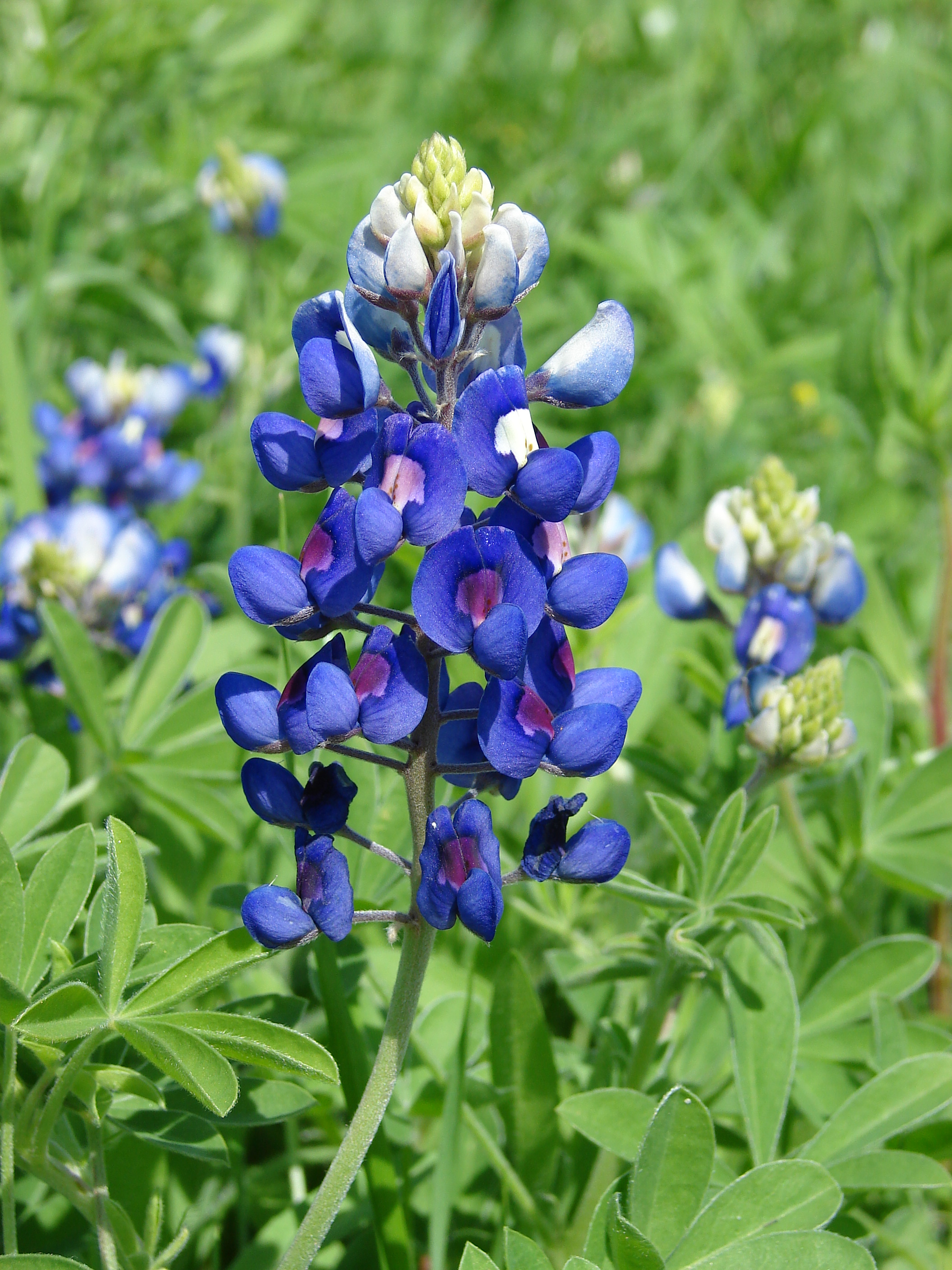
The Unofficial Emblem: The Bluebonnet’s Reign
When most people think of a “Texas Flower,” the image that springs to mind is invariably the Bluebonnet. This striking wildflower, officially designated as the Texas state flower in 1901, is perhaps the most recognized and beloved bloom across the state. Its vibrant blue petals, often resembling a bonnet, have captured the hearts of Texans for generations. The most common species, Lupinus texensis, is a true native, though several other Lupinus species also grace the Texas landscape and are collectively referred to as bluebonnets.
The Legend and Lore
The allure of the bluebonnet is amplified by its rich history and folklore. Legend has it that a young Native American girl, saddened by a drought plaguing her people, made a great sacrifice, offering her most cherished possessions to the Great Spirit. The last thing she had left was her favorite doll, a treasured toy. As she threw it into the fire, the Great Spirit, moved by her selfless act, transformed the doll into a field of blue flowers, a symbol of hope and renewal, ensuring that her people would never again suffer from a lack of rain. Whether this legend holds literal truth or not, it underscores the deep emotional connection Texans feel to this iconic flower.
Where to Witness the Bluebonnet Bloom
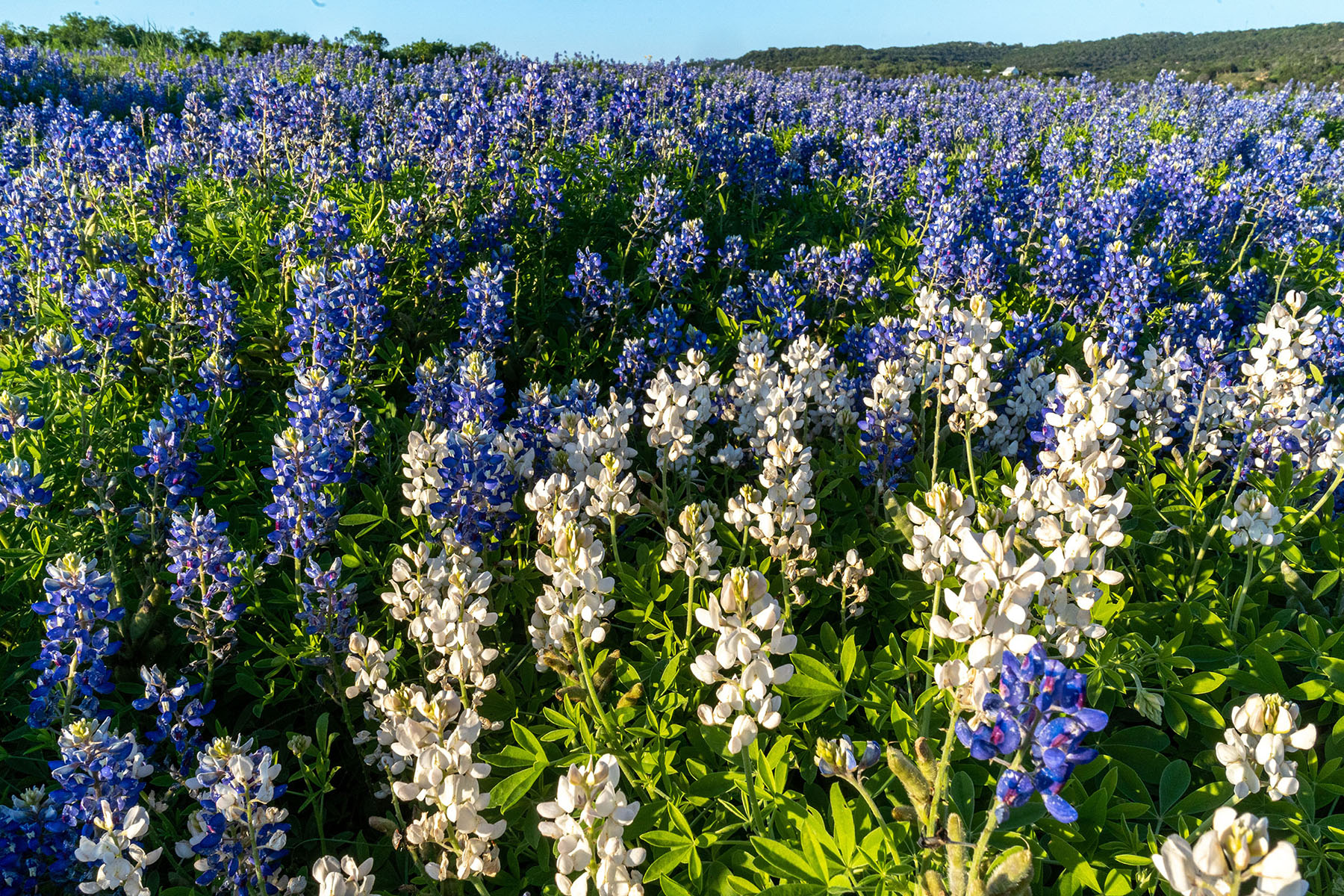
The peak blooming season for bluebonnets typically spans from late March through April, though this can vary slightly depending on rainfall and temperature. During this period, vast swaths of Texas become a painter’s palette of blues. Prime viewing locations include the Texas Hill Country, particularly around towns like Fredericksburg, Willow City, and Burnet. The Texas Hill Country is a designated wildflower area, and during spring, highways and country roads are lined with these spectacular blooms. Beyond the Hill Country, bluebonnets can also be found in parks and along roadsides across much of the state, from the plains of West Texas to the East Texas piney woods, though their density will vary. Parks such as Enchanted Rock State Natural Area and the Lady Bird Johnson Wildflower Center in Austin are also excellent places to experience these floral displays.
Conservation and Respect
While the sight of fields carpeted in bluebonnets is undeniably beautiful, it’s crucial to remember that these are wild plants. Visitors are encouraged to admire them from a distance, taking photographs without trampling the flowers or disturbing their habitat. Picking bluebonnets is discouraged, as it prevents them from going to seed and contributing to future generations of blooms. The Lady Bird Johnson Wildflower Center, founded by the former First Lady, is a leading advocate for native plant conservation and provides invaluable resources on Texas flora and responsible wildflower viewing.
Beyond the Blue: A Spectrum of Texas Wildflowers
While the bluebonnet may hold the official title, it is by no means the sole star of the Texas spring. The state’s diverse ecosystems support a dazzling array of other native wildflowers, each contributing its unique hue and form to the landscape. Recognizing these other blooms enriches the appreciation for the full spectrum of Texas’s floral heritage.
Indian Paintbrush (Castilleja)
Often found intermingled with bluebonnets, the Indian Paintbrush is another iconic Texas wildflower. Its vibrant red, orange, or scarlet bracts (which appear to be petals but are actually modified leaves) lend a fiery contrast to the blue of the bluebonnet. These fascinating plants are hemiparasitic, meaning they derive some nutrients from the roots of host plants, often grasses. Their presence signals a healthy and diverse prairie ecosystem.
Mexican Hat (Ratibida columnifera)
With its distinctive, sombrero-like bloom, the Mexican Hat wildflower is a whimsical addition to any Texas landscape. Its drooping petals, typically in shades of yellow and red, surround a prominent, cone-shaped center. Also known as the prairie coneflower, this resilient plant thrives in well-drained soils and adds a touch of rustic charm to fields and roadsides.
Texas Lantana (Lantana urticoides)
A hardy and prolific bloomer, Texas Lantana is a favorite among pollinators. Its clusters of small flowers, which can transition from pink and orange to yellow and white as they mature, create a vibrant mosaic. While some cultivated varieties of lantana are invasive, the native Texas Lantana is a valuable component of the state’s natural flora.
Coreopsis (Coreopsis spp.)

Several species of Coreopsis, commonly known as tickseed, add sunny yellow accents to Texas fields. These cheerful, daisy-like flowers are characterized by their bright yellow petals and often dark centers. They are hardy and adaptable, found in a variety of habitats across the state.
Indian Blanket (Gaillardia pulchella)
The Indian Blanket, also known as firewheel, is a spectacular wildflower with a striking combination of red and yellow petals, often resembling a woven blanket. This heat-tolerant and drought-resistant species thrives in sandy soils and is a magnet for butterflies and other beneficial insects. It’s a common sight along highways and in disturbed areas, adding a bold splash of color to the Texas landscape.
The Ecological Significance of Texas Wildflowers
The vibrant displays of wildflowers in Texas are more than just a feast for the eyes; they are critical components of the state’s ecological health. These native plants play a vital role in supporting biodiversity, maintaining healthy soils, and providing essential resources for a myriad of wildlife.
Pollinator Havens
Wildflowers are indispensable to the survival of pollinators, including bees, butterflies, moths, and hummingbirds. The nectar and pollen provided by these blooms serve as a primary food source, enabling these crucial insects and birds to reproduce and thrive. The interconnectedness between wildflowers and pollinators is a cornerstone of healthy ecosystems, impacting everything from plant reproduction to the food chain. Species like the Monarch butterfly, which undertakes a remarkable migration through Texas, rely heavily on native nectar sources during their journey.
Soil Health and Erosion Control
The extensive root systems of native wildflowers help to bind the soil, preventing erosion by wind and water. This is particularly important in Texas’s diverse topography, which ranges from flat coastal plains to rolling hills and arid West Texas landscapes. By stabilizing the soil, wildflowers protect valuable topsoil, improve water infiltration, and contribute to overall land health.
Habitat and Food for Wildlife
Beyond pollinators, wildflowers provide habitat and food sources for a wide range of wildlife. Small mammals, birds, and other creatures depend on these plants for shelter, nesting materials, and sustenance. The seeds, foliage, and even the insects that feed on wildflowers contribute to the complex web of life that characterizes the Texas environment.
Experiencing the Texas Wildflower Season
The annual wildflower season is a celebrated event in Texas, drawing visitors and locals alike to witness nature’s spectacular artistry. Planning a trip during this period offers a unique opportunity to connect with the state’s natural beauty and cultural heritage.
Planning Your Visit
The timing of the wildflower bloom is heavily dependent on weather patterns. Generally, the season begins in late February or early March in South Texas and the Gulf Coast and progresses northward, reaching its peak in Central and North Texas from late March through April. Early spring rains are crucial for a good bloom, so checking local conditions and wildflower reports is highly recommended. Websites dedicated to Texas wildflowers, often run by state parks or tourism boards, provide up-to-date information on bloom status and recommended viewing locations.
Beyond the Bloom: Related Attractions
While wildflowers are the primary draw, a spring visit to Texas can be enhanced by exploring other attractions. Many wildflower viewing areas are situated in or near charming small towns that offer local cuisine, historical sites, and artisanal crafts. The Texas Hill Country, for instance, is also known for its wineries, German heritage in towns like Fredericksburg, and scenic drives. Planning a trip around the wildflowers can easily incorporate visits to these enriching destinations.
Responsible Tourism
As mentioned earlier, responsible behavior is paramount when experiencing wildflower displays. Adhering to the principles of Leave No Trace, respecting private property, and being mindful of the delicate ecosystem ensures that these natural wonders can be enjoyed for generations to come. Engaging with local conservation groups or visiting educational centers like the Lady Bird Johnson Wildflower Center can provide deeper insights into the importance of native plant preservation. The Texas wildflower season is a testament to the enduring beauty and ecological richness of the Lone Star State, inviting all to appreciate its natural splendor with reverence and joy.
LifeOutOfTheBox is a participant in the Amazon Services LLC Associates Program, an affiliate advertising program designed to provide a means for sites to earn advertising fees by advertising and linking to Amazon.com. Amazon, the Amazon logo, AmazonSupply, and the AmazonSupply logo are trademarks of Amazon.com, Inc. or its affiliates. As an Amazon Associate we earn affiliate commissions from qualifying purchases.