
Embarking on a journey through the vast and diverse landscapes of Texas, the second-largest state in the United States, is an adventure filled with discovery, from bustling metropolises to serene natural wonders. However, a crucial aspect of planning any trip within the Lone Star State, and one that often surprises first-time visitors, is understanding its time zones. While many envision Texas as uniformly operating under a single time, the reality is a bit more nuanced. The state spans two distinct time zones, an important detail that can significantly impact travel itineraries, flight schedules, and even dining plans. This comprehensive guide aims to demystify the Texas time zone landscape, offering invaluable insights for travelers, from navigating airport transfers to planning seamless multi-city explorations, all while tying into the rich tapestry of travel, accommodation, and lifestyle experiences that Texas has to offer.
Understanding the temporal divisions of Texas is not merely a matter of setting your watch correctly; it’s about optimizing your travel experience to ensure smooth transitions between its vibrant cities and tranquil natural retreats. Whether you’re a business traveler with tight schedules, a family seeking historical adventures, or a solo explorer chasing the perfect sunset, being time-zone savvy will enhance every aspect of your Texas journey.
Understanding Texas’s Time Zones: A Traveler’s Guide
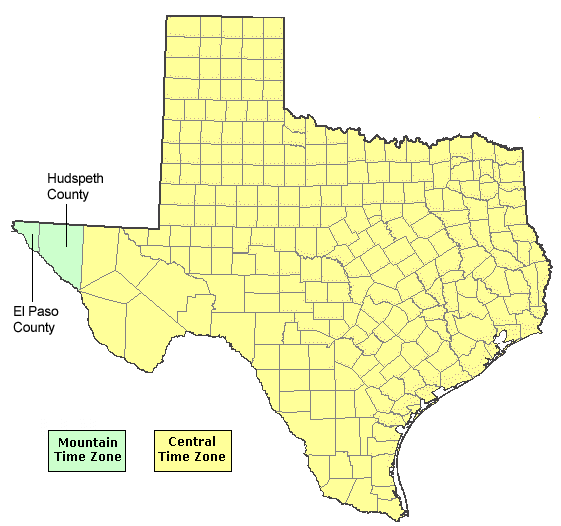
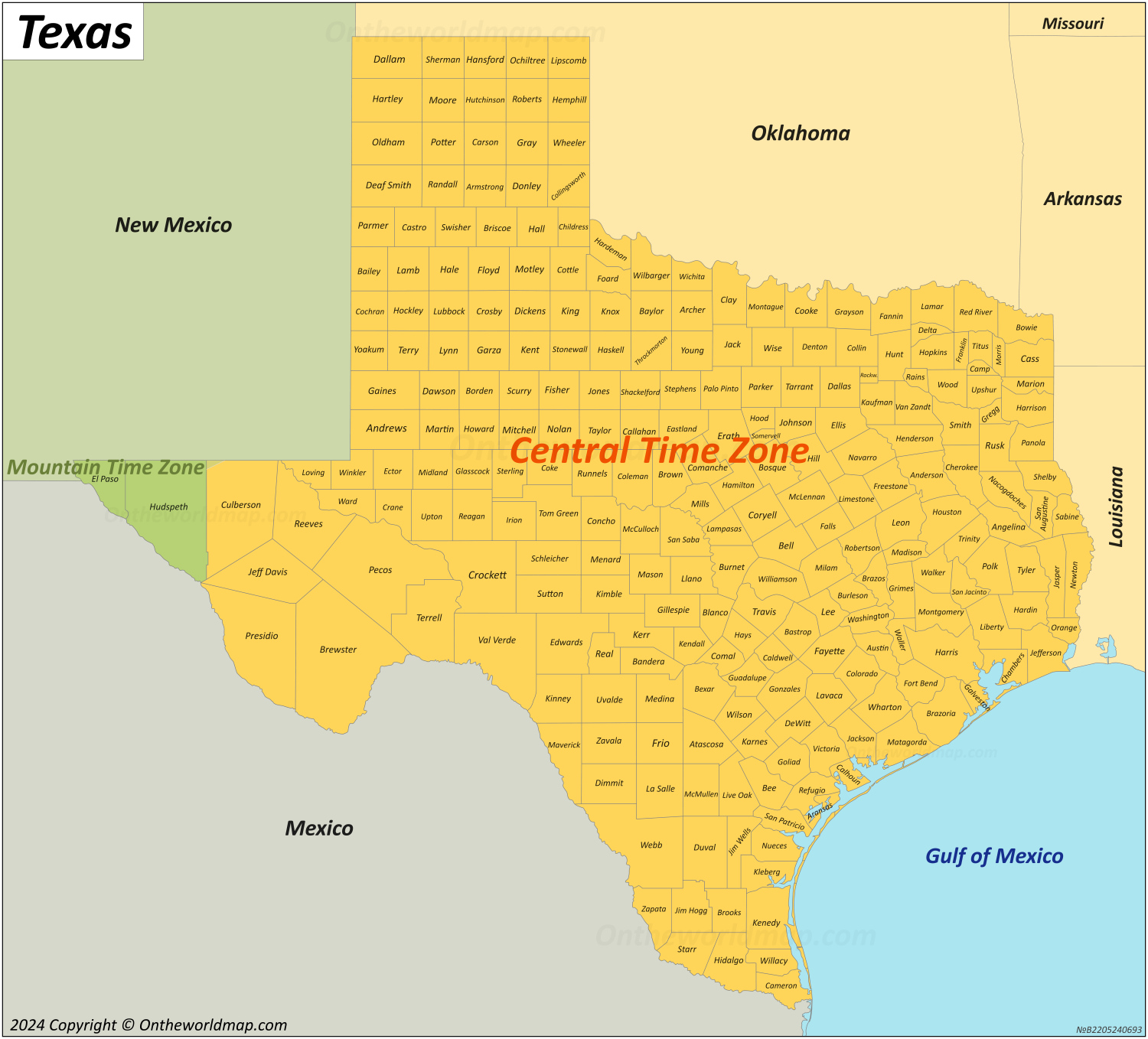
At its core, Texas operates predominantly under Central Standard Time (CST), which observes UTC-6, and Central Daylight Time (CDT) during daylight saving, observing UTC-5. This covers the vast majority of the state’s population and its most famous urban centers. However, a significant portion of far West Texas — specifically El Paso County and Hudspeth County — observes Mountain Standard Time (MST), or UTC-7, and Mountain Daylight Time (MDT) during daylight saving, at UTC-6. This division, roughly following the 100th meridian west longitude, creates a fascinating geographical and temporal split that travelers must acknowledge.
This dual-time zone setup is a direct consequence of the immense geographical expanse of Texas. As you traverse the state from east to west, the change becomes evident, particularly as you approach the New Mexico border. For example, a drive from San Antonio to El Paso involves not just hundreds of miles but also a one-hour time shift. This distinction is paramount for itinerary planning, especially when coordinating flights, hotel check-ins, or scheduled activities.
Central Standard Time (CST) in the Lone Star State
The majority of Texas’s most iconic cities and popular tourist destinations fall within the Central Time Zone. This includes powerhouses like Houston, a hub for space exploration and diverse cuisine, and Dallas, known for its upscale shopping and historical significance. Austin, the live music capital of the world, and historic San Antonio, home to The Alamo and the famous Riverwalk, also operate on CST. Other major cities like Fort Worth, with its Western heritage, and coastal gems such as Galveston and Corpus Christi, similarly adhere to Central Time.
For travelers, this means that most of their urban explorations, cultural immersions, and culinary adventures across Texas will follow the same clock. Planning a multi-city tour visiting Dallas for its museums, Houston for NASA Space Center Houston, and Austin for its vibrant nightlife can be done without any time zone complications. This uniformity simplifies booking accommodations, scheduling tours, and coordinating meet-ups, allowing visitors to fully immerse themselves in the unique charm of each locale. From luxury hotels in Downtown Houston to boutique stays in the Austin Texas Hill Country, travel planning within this zone is relatively straightforward.

Mountain Standard Time (MST) and Far West Texas
The landscape shifts dramatically as you move into the far western reaches of Texas, and so does the clock. The city of El Paso, nestled against the Franklin Mountains and bordering Mexico and New Mexico, operates on Mountain Time. The entire El Paso County, along with its neighbor Hudspeth County to the east (which includes the town of Van Horn), observes MST/MDT.
This time zone change is crucial for anyone planning to visit El Paso or explore the breathtaking natural beauty of Far West Texas, home to national treasures like Big Bend National Park and Guadalupe Mountains National Park. For example, if you’re flying into El Paso International Airport from Dallas, you will gain an hour upon arrival. Conversely, if you’re heading east from El Paso towards Fort Davis or Marfa, which are generally in the Central Time Zone, you will lose an hour. The town of Van Horn is particularly interesting, as it sits right on the time zone boundary, making it a pivotal point for travelers mentally adjusting their clocks.
This distinct time zone also influences the pace of life and travel experiences in Far West Texas. The region is known for its rugged landscapes, vast open spaces, and unique cultural blend, offering a different kind of Texas experience compared to the bustling eastern cities. Planning accommodations, whether it’s a rustic cabin near Big Bend or a modern resort in El Paso, requires attention to this time difference to avoid any scheduling mishaps.
Navigating Time Zones for Optimal Texas Exploration
Efficient travel planning in Texas means more than just booking flights and hotels; it involves a strategic understanding of time. The two time zones introduce a unique layer of complexity that, when mastered, can significantly enhance your trip, allowing for smoother transitions and maximizing your time in each destination.
Planning Your Itinerary: Seamless Transitions
When crafting your Texas itinerary, especially if it includes a journey between the Central and Mountain Time Zones, meticulous planning is key.
- Flights and Ground Travel: Always double-check arrival and departure times for flights, buses, or trains between El Paso and other Texas cities. An hour difference can easily lead to missed connections or late arrivals. If driving, be mindful of the moment you cross the time zone boundary. Signs are not always present, so knowing the counties or towns where the change occurs (e.g., east of Van Horn towards Culberson County) is helpful.
- Accommodation Bookings: Confirm check-in and check-out times with your hotels, apartments, or villas in both time zones. What might be a leisurely check-out in Austin could feel rushed if you forget the time change when heading to El Paso. Utilizing online booking platforms with clear time zone indicators can simplify this process.
- Activity Scheduling: From guided tours to restaurant reservations, verify all scheduled activities in relation to the local time zone. Missing a pre-booked Big Bend tour because you were still on CST could be a disappointing setback. Many mobile devices automatically update time zones, but it’s always wise to manually confirm.
Local Experiences Across Time Zones
The time zone difference is more than just a technicality; it influences the very rhythm of life in different parts of Texas. Embracing these subtle shifts can lead to richer travel experiences.
- Dining and Nightlife: While Houston’s vibrant restaurant scene might start buzzing later into the evening, El Paso’s dinner rush might begin an hour earlier, reflecting its Mountain Time Zone orientation. Adjusting your dining plans accordingly ensures you catch the best local flavors at their peak.
- Sunrise and Sunset: For photographers and nature enthusiasts, the time zone change has a tangible effect on daylight hours. A sunrise hike in Guadalupe Mountains National Park will occur an hour later by the clock than a similar experience in Central Texas, offering different light conditions and planning considerations for those chasing the perfect shot.
- Cultural Events: From rodeos in Fort Worth to festivals in Marfa, event timings are always local. Being aware of the time zone ensures you don’t miss out on unique local culture and activities. Checking local event guides and tourism websites, often linked from lifeoutofthebox.com, will provide precise timings.
Beyond the Clock: Texas Travel Experiences by Region
The division of Texas into two time zones inadvertently highlights its incredible geographical and cultural diversity. Each region, influenced by its climate, history, and geographical position, offers distinct travel experiences that cater to various lifestyles, from luxury seekers to budget adventurers.
Urban Adventures in CST: Houston, Dallas, Austin, San Antonio
The Central Time Zone encompasses the majority of Texas’s major urban centers, each boasting a unique identity and a plethora of attractions.
- Houston: A global city renowned for its energy industry, NASA Space Center Houston, and a vibrant culinary scene. Travelers can explore world-class museums in the Museum District, indulge in luxury shopping, or experience the thrill of professional sports. Accommodation options range from high-end suites in Downtown Houston to family-friendly hotels near popular attractions.
- Dallas: A hub of commerce and culture, Dallas offers a mix of modern architecture, historical landmarks like the Sixth Floor Museum at Dealey Plaza, and a burgeoning arts district. Its array of luxury resorts and gourmet dining experiences caters to a sophisticated travel lifestyle.
- Austin: Known as the “Live Music Capital of the World,” Austin blends an eclectic arts scene with outdoor activities on Lady Bird Lake and a thriving tech industry. Boutique hotels, unique accommodations, and a diverse food truck culture appeal to both budget and luxury travelers, families, and solo adventurers. The Four Seasons Hotel Austin and The Driskill Hotel are prime examples of upscale stays.
- San Antonio: Steeped in history and rich in Mexican-American culture, San Antonio is home to The Alamo, the historic missions, and the picturesque Riverwalk. It’s a fantastic destination for family trips and cultural tourism, with a range of hotels from historic inns to modern resorts.
These CST cities offer a comprehensive Texas experience, from business travel to family vacations, complete with diverse culinary scenes, iconic landmarks, and a wide array of accommodation choices.
Wild West Escapes in MST: El Paso and the Big Bend Region
The Mountain Time Zone region of Texas presents a dramatic contrast, inviting travelers seeking rugged natural beauty, outdoor adventure, and a taste of the Old West.
- El Paso: As the largest city in the MST zone, El Paso is a vibrant border city with a strong Hispanic influence. Its unique location offers opportunities for cross-border cultural experiences, hiking in the Franklin Mountains State Park, and exploring historic sites. Hotels and resorts here cater to various budgets, from convenient airport hotels to charming downtown stays.
- Big Bend National Park: A remote and majestic wilderness along the Rio Grande, Big Bend is a paradise for hikers, campers, and stargazers. It offers unparalleled opportunities for nature tourism and off-grid experiences. The area around Big Bend, including towns like Terlingua, provides unique accommodation options, from rustic cabins to glamping sites.
- Guadalupe Mountains National Park: Home to Texas’s highest peak, Guadalupe Peak, this park offers challenging hikes, stunning desert landscapes, and rich biodiversity. It’s a prime destination for adventure tourism and those looking to explore untouched natural beauty.
- Marfa and Fort Davis: While technically on CST, these towns are culturally and geographically aligned with the Far West Texas experience. Marfa is an arts destination known for its minimalist art installations and the mysterious Marfa Lights. Fort Davis is home to the historic Fort Davis National Historic Site and the renowned McDonald Observatory, perfect for stargazing. These destinations offer a blend of unique accommodation from boutique stays to rustic lodges, appealing to those seeking an unconventional lifestyle experience.
This region offers a different pace and focus for travelers, emphasizing outdoor activities, natural landmarks, and a sense of remote exploration.
Accommodations Across Texas Time Zones
Regardless of which time zone you find yourself in, Texas offers an extensive range of accommodation options to suit every preference and budget, aligning perfectly with the diverse travel experiences available. From luxurious city resorts to charming small-town inns and adventurous campsites, finding the perfect base for your Texas exploration is an integral part of the journey.
Finding Your Perfect Stay in Central Texas
In the bustling Central Time Zone, the options are virtually limitless. Major cities like Houston, Dallas, Austin, and San Antonio are replete with:
- Luxury Hotels and Resorts: Expect top-tier amenities, fine dining, spa services, and prime locations in areas like Uptown Dallas or the Austin Riverwalk area. These are ideal for business travelers, romantic getaways, or those seeking a pampered travel experience.
- Boutique Hotels: Especially prominent in Austin and San Antonio, these offer unique character, personalized service, and often reflect the local culture and design aesthetic.
- Family-Friendly Hotels and Suites: Many establishments cater to families with amenities like pools, kids’ clubs, and spacious suites, particularly popular near attractions like Six Flags Over Texas in Arlington or Moody Gardens in Galveston.
- Budget-Friendly Options: A wide range of motels, extended-stay apartments, and hostels ensure that even budget travelers can find comfortable and convenient accommodation.
Platforms for booking and reviews are abundant, allowing for easy comparison and selection based on desired amenities and location.
Remote Retreats in West Texas
When venturing into the Mountain Time Zone and the expansive lands of Far West Texas, the accommodation landscape shifts to reflect the rugged, natural environment.
- El Paso Hotels: As a major city, El Paso provides a mix of chain hotels, boutique options, and budget-friendly stays, serving as a gateway for exploring the broader West Texas region.
- Unique Lodges and Cabins: Near Big Bend National Park and Guadalupe Mountains National Park, you’ll find everything from rustic cabins and campsites to more upscale lodges, often blending seamlessly with the natural surroundings. These are perfect for nature lovers and those seeking a tranquil, off-the-beaten-path experience.
- Marfa and Terlingua Stays: These artistic and historic towns offer highly unique accommodation, including renovated vintage trailers, minimalist art installations you can sleep in, and charming guesthouses. Such stays are part of the destination’s appeal, catering to a lifestyle of artistic appreciation and adventurous spirit.
- Ranches and Villas: For a truly immersive West Texas experience, consider staying at a working ranch or renting a private villa for a long-term stay, allowing you to fully soak in the vastness and serenity of the landscape.
Regardless of your chosen destination within Texas, remember to factor in the local time zone when making your accommodation plans, ensuring a smooth and stress-free experience.
In conclusion, understanding the dual-time zone nature of Texas is more than a trivial detail; it’s a vital piece of information that underpins effective travel planning across this immense and captivating state. From the vibrant, Central Time Zone cities of Houston, Dallas, Austin, and San Antonio, brimming with cultural landmarks, diverse cuisine, and a plethora of accommodation options, to the rugged, Mountain Time Zone landscapes of El Paso and the Big Bend region, offering unparalleled natural beauty and adventure, Texas truly has something for everyone. By keeping an eye on the clock and embracing the nuances of Texas’s time zones, travelers can seamlessly navigate its diverse regions, maximize their exploration, and fully immerse themselves in the unique blend of history, culture, and natural wonders that define the Lone Star State. So, pack your bags, set your watch (or two!), and prepare for an unforgettable Texas adventure, perfectly synchronized to its distinctive rhythms.
LifeOutOfTheBox is a participant in the Amazon Services LLC Associates Program, an affiliate advertising program designed to provide a means for sites to earn advertising fees by advertising and linking to Amazon.com. Amazon, the Amazon logo, AmazonSupply, and the AmazonSupply logo are trademarks of Amazon.com, Inc. or its affiliates. As an Amazon Associate we earn affiliate commissions from qualifying purchases.