
Navigating the temporal currents between continents is a fundamental aspect of international travel, particularly when planning a journey from the American Midwest to the Iberian Peninsula. Understanding the time difference between Chicago and Spain is crucial for coordinating flights, arranging accommodations, and most importantly, for acclimatizing effectively upon arrival. This temporal disparity, a direct consequence of Earth’s rotation and the establishment of global time zones, significantly impacts the logistics and experience of traveling between these two distinct regions.
Understanding Time Zones and Daylight Saving
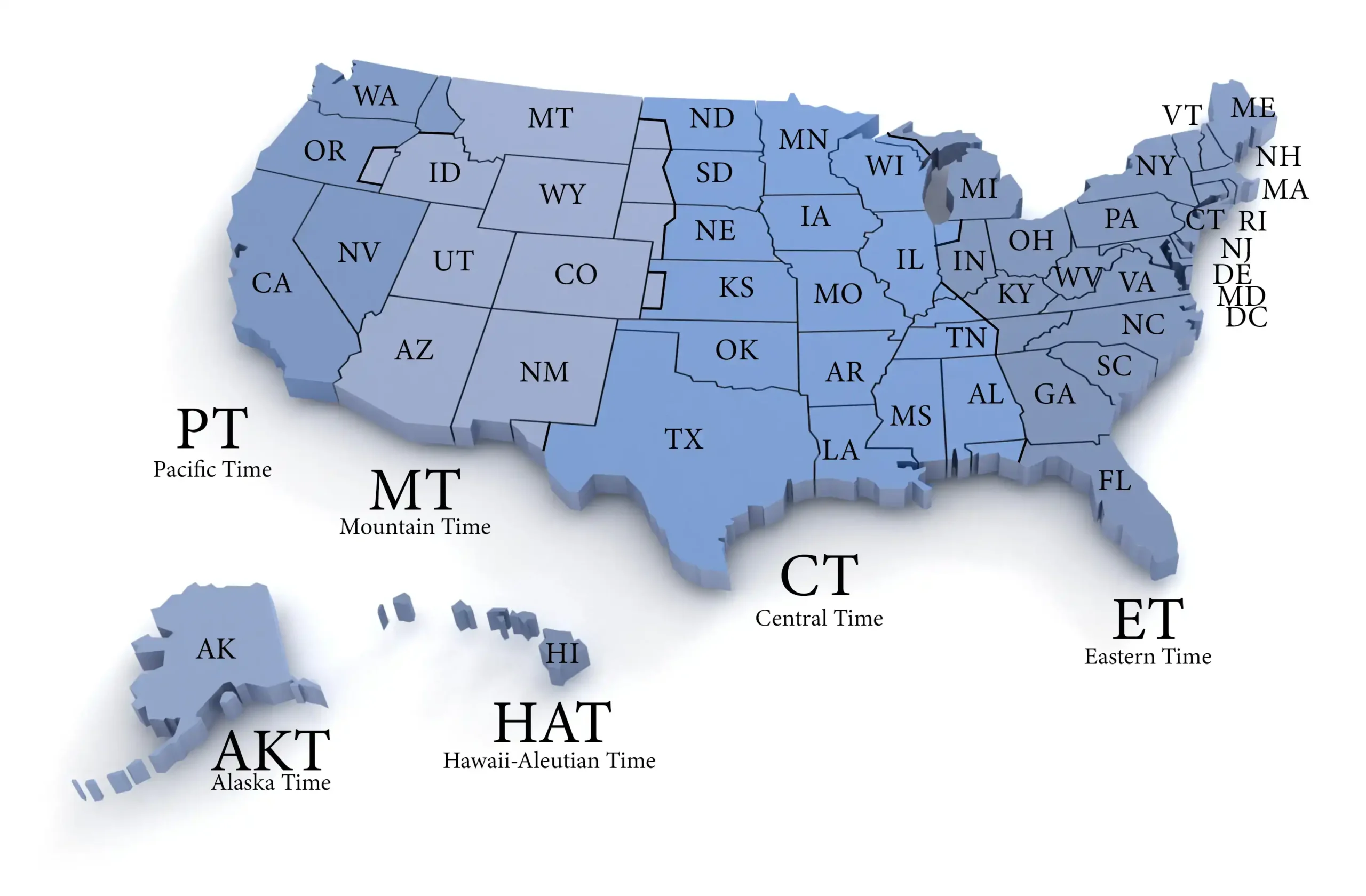
The core of the time difference between Chicago and Spain lies in their respective geographical locations and adherence to global time zone conventions. Chicago, situated in the Central Time Zone (CT) of the United States, observes either Central Standard Time (CST) or Central Daylight Time (CDT), depending on the season. Spain, on the other hand, primarily operates within the Central European Time (CET) zone, which also observes Central European Summer Time (CEST) during its warmer months.

The Impact of Daylight Saving Time
The observance of Daylight Saving Time (DST) by both regions adds a layer of complexity to calculating the precise time difference. In the United States, DST typically begins on the second Sunday in March and ends on the first Sunday in November. European nations, including Spain, generally implement DST from the last Sunday in March to the last Sunday in October. This overlapping yet not perfectly synchronized DST schedule means that the time difference can fluctuate by an hour throughout the year.
For instance, when Chicago is on CST (UTC-6) and Spain is on CET (UTC+1), there is a seven-hour difference. However, when Chicago switches to CDT (UTC-5) and Spain is still on CET, the difference narrows to six hours. Conversely, when Spain moves to CEST (UTC+2) while Chicago is on CDT, the difference reverts to seven hours. Travelers must be mindful of these shifts when making travel arrangements, particularly for flights departing or arriving during these transitional periods.
Calculating the Temporal Shift
At its most consistent, the time difference between Chicago and Spain is six to seven hours. Specifically, Spain is always ahead of Chicago. This means when it is a certain time in Chicago, it will be several hours later in Spain.
Standard Time Difference
When both regions are observing their standard times:
- Chicago is on Central Standard Time (CST), which is UTC-6.
- Spain is on Central European Time (CET), which is UTC+1.
The difference is UTC+1 – (UTC-6) = 7 hours. Therefore, Spain is 7 hours ahead of Chicago.
Daylight Saving Time Difference
During the periods when both regions are observing Daylight Saving Time:
- Chicago is on Central Daylight Time (CDT), which is UTC-5.
- Spain is on Central European Summer Time (CEST), which is UTC+2.
The difference is UTC+2 – (UTC-5) = 7 hours. Therefore, Spain is still 7 hours ahead of Chicago.
Transitional Periods
The complexity arises when one region has transitioned to DST while the other has not.
- When Chicago is on CDT (UTC-5) and Spain is on CET (UTC+1): The difference is UTC+1 – (UTC-5) = 6 hours. Spain is 6 hours ahead of Chicago. This typically occurs during late March through late October for Spain and early March through early November for Chicago.
- When Chicago is on CST (UTC-6) and Spain is on CEST (UTC+2): The difference is UTC+2 – (UTC-6) = 8 hours. This scenario is highly unlikely given the typical DST schedules.

It is essential to check the current date and consult a reliable time zone converter when planning travel, as the exact difference can vary. For example, a flight departing Chicago at 6 PM CST on a Sunday in November will arrive in Madrid on Monday morning. If that same Sunday is before the DST change in Spain, the arrival would be around 9 AM CET. If the flight departs after Spain has shifted to CEST, the arrival would be around 8 AM CEST. The key takeaway is that Spain is always ahead.
Practical Implications for Travelers
The time difference between Chicago and Spain has significant practical implications for travelers, affecting everything from flight booking to jet lag management. Understanding these nuances can lead to a smoother and more enjoyable travel experience.
Flight Planning and Booking
When booking international flights, the time difference is paramount. A flight that departs Chicago in the evening might arrive in Spain the following morning or even midday, depending on the flight duration and the time zone shift. It is vital to consider the arrival time in local Spanish time when making plans, especially if you have onward transportation or reservations immediately upon arrival. Flight schedules are typically displayed in local times for both departure and arrival cities, but cross-referencing with your departure city’s time can help prevent confusion. For instance, if you are looking at a flight from Chicago to Barcelona, the arrival time listed will be in Spanish local time. To gauge the actual duration and when you’ll effectively “lose” or “gain” a day, factor in the time difference.
Jet Lag and Acclimatization
The substantial time difference is a primary contributor to jet lag, a condition characterized by fatigue, insomnia, and disorientation. When traveling east from Chicago to Spain, you are essentially moving your body clock forward. This means your internal circadian rhythm, accustomed to Central Time, will be out of sync with the new Spanish schedule.
To mitigate jet lag:
- Adjust your sleep schedule gradually: A few days before your departure, try to shift your bedtime and wake-up time closer to Spanish times.
- Stay hydrated: Drink plenty of water during your flight and upon arrival.
- Expose yourself to natural light: Upon arriving in Spain, try to get outside and experience daylight, especially in the morning, to help reset your body clock.
- Avoid heavy meals and alcohol before bed: These can disrupt sleep patterns.
- Embrace the local schedule: Upon arrival, try to eat meals and sleep at the times dictated by the local Spanish schedule, even if you don’t feel tired or hungry. This will help your body adapt more quickly.
Communication and Business Operations
For business travelers or those coordinating with individuals in Spain, the time difference requires careful planning of calls and meetings. It is courteous and professional to be aware of the working hours in Spain when scheduling communication. A call scheduled for 9 AM in Chicago might be too early for your counterpart in Madrid or too late for them to initiate contact. Generally, aiming for communication during core business hours in Spain (typically 9 AM to 5 PM CET/CEST) will require reaching out in the morning or early afternoon in Chicago. Conversely, if someone in Spain contacts you late in their day, it may be early morning for you.
Planning Your Itinerary Around the Time Zone
Successfully integrating the time difference into your travel plans will enhance your exploration of Spain, from its vibrant cities like Seville and Valencia to its picturesque coastal regions. The later sunsets in Spain during summer can offer extended opportunities for sightseeing and enjoying outdoor activities.
Maximizing Daylight and Evening Activities
Because Spain is significantly ahead of Chicago, you will experience daylight much earlier in the day. While this means your mornings will start earlier according to your internal clock if you haven’t adjusted, it also means your evenings can be longer. In summer, daylight can extend well past 9 PM in many parts of Spain, offering ample time to enjoy outdoor dining, stroll through historic plazas, or visit attractions like the Alhambra in Granada as the sun begins to set. This extended daylight is a defining characteristic of the Spanish lifestyle, encouraging social gatherings and al fresco experiences.
Conversely, when planning your departure from Spain, remember that you will be traveling westward, effectively gaining time. A late-night flight departing Madrid might arrive back in Chicago on the same calendar day, albeit much later in the evening. This can be a distinct advantage for business travelers or those who prefer to maximize their time at their destination.
Integrating with Local Schedules
The concept of “Spanish time” often refers to the country’s relaxed approach to schedules, particularly concerning meals and social engagements. Lunch is typically eaten between 2 PM and 4 PM, and dinner rarely begins before 9 PM or 10 PM, especially on weekends. Understanding the time difference helps contextualize these later hours. When it’s lunchtime in Spain, it’s early morning in Chicago. This allows travelers to fully immerse themselves in the local culture by participating in these extended meal times without feeling overly out of sync with their personal diurnal rhythms, provided they have managed their jet lag effectively.
By meticulously considering the time difference between Chicago and Spain, travelers can ensure seamless transitions, effective acclimatization, and a richer, more authentic experience of Spanish life. Whether you’re planning a visit to the bustling streets of Barcelona, the historic architecture of Andalusia, or the charming villages of the Basque Country, understanding the clock is the first step to unlocking the full potential of your journey.
LifeOutOfTheBox is a participant in the Amazon Services LLC Associates Program, an affiliate advertising program designed to provide a means for sites to earn advertising fees by advertising and linking to Amazon.com. Amazon, the Amazon logo, AmazonSupply, and the AmazonSupply logo are trademarks of Amazon.com, Inc. or its affiliates. As an Amazon Associate we earn affiliate commissions from qualifying purchases.