
For travelers, knowing the local time is more than just a convenience; it’s a fundamental aspect of planning, coordination, and ensuring a seamless journey. Whether you’re arranging flights, booking accommodations, or scheduling visits to iconic landmarks, understanding the time at your destination is paramount. When it comes to the historic and vibrant city of Boston, the question, “What is the time at Boston?” is the gateway to unlocking a world of travel possibilities and maximizing every moment of your stay in this captivating corner of New England.
Boston, a jewel in the crown of Massachusetts and a significant hub in the United States, operates on the Eastern Time Zone. This designation is shared by many states along the U.S. East Coast and parts of Canada and Mexico. Knowing this simple fact allows travelers to synchronize their watches, adjust their internal clocks, and prepare for an unforgettable experience steeped in history, culture, and modern-day charm. From exploring cobblestone streets that whisper tales of the American Revolution to indulging in world-class cuisine and cheering on beloved sports teams, every activity in Boston is experienced in its local time. This article will delve into the specifics of Boston’s time zone, its implications for travelers, and how to best plan your visit to this incredible destination.
Understanding Boston’s Time Zone: Eastern Time
Boston observes the Eastern Time Zone, which is often abbreviated as ET. Like many regions across the globe, Boston adheres to Daylight Saving Time, meaning the specific offset from Coordinated Universal Time (UTC) changes throughout the year.
Eastern Standard Time vs. Eastern Daylight Time
During the colder months, typically from early November to mid-March, Boston is on Eastern Standard Time (EST). EST is UTC-5, meaning it is five hours behind UTC (and also five hours behind Greenwich Mean Time (GMT)). This is the standard time when Daylight Saving Time is not in effect.
When Daylight Saving Time begins, usually on the second Sunday in March, the clocks in Boston “spring forward” by one hour. This shifts the city to Eastern Daylight Time (EDT). EDT is UTC-4, putting it four hours behind UTC. This change provides an extra hour of daylight in the evenings, which is particularly beneficial for tourism and outdoor activities, allowing visitors to enjoy the city’s attractions later into the day. Daylight Saving Time concludes on the first Sunday in November, when clocks “fall back” one hour, returning to EST. Always confirm the current time in Boston close to your travel dates, especially if your trip spans the transition periods.
Why Time Zones Matter for Travelers
Understanding Boston’s time zone is crucial for several practical reasons:
- Flight Schedules and Connections: All flight arrival and departure times are quoted in local time. Miscalculating this can lead to missed connections, early arrivals at a closed airport, or late arrivals after gates have closed. Knowing the ET means you can accurately plan your journey to Logan International Airport and subsequent transportation to your hotel.
- Hotel Check-in/Check-out: Hotel policies are strict about check-in and check-out times. Arriving too early or too late without prior arrangement can incur additional charges or delays. Synchronizing your plans with Boston local time ensures a smooth transition into your accommodation.
- Tour and Attraction Bookings: Many popular Boston attractions, such as the Freedom Trail tours, the Museum of Fine Arts, or a whale watching cruise, operate on strict schedules. Pre-booked tickets or tours require punctuality, and an understanding of the local time ensures you don’t miss out on these valuable experiences.
- Business Meetings and Communication: For business travelers, adhering to local meeting times is non-negotiable. For those communicating internationally, understanding the time difference between Boston and their home country is vital for scheduling calls, webinars, or virtual meetings without causing inconvenience to either party.
- Dining Reservations: Boston’s culinary scene is vibrant, from casual seafood shacks to upscale dining. Popular restaurants, especially in areas like the North End or Seaport District, often require reservations, and punctuality is expected.
Maximizing Your Boston Visit: Time-Sensitive Planning
Effective planning is key to a rewarding travel experience, and nowhere is this truer than in a city as rich with activities and history as Boston. Understanding the local time is the first step; strategically using that knowledge to plan your itinerary, manage jet lag, and explore efficiently is the next.
Essential Planning: Flights, Check-ins, and Tours
Upon confirming your travel dates, immediately factor in the Eastern Time Zone. When booking your flights, pay close attention to arrival and departure times, particularly if you are crossing multiple time zones. Many travelers arriving from Europe or the West Coast of the U.S. will experience a significant time shift, which needs to be considered when planning your first day. An evening arrival might give you time to settle in, while a morning arrival could mean a full day of sightseeing, provided you manage your energy levels.
When reserving your accommodation, note the standard check-in and check-out times, which are typically in the afternoon (e.g., 3:00 PM) and late morning (e.g., 11:00 AM) respectively. If your flight arrives significantly before check-in, consider requesting an early check-in in advance, or plan to drop your luggage at the hotel and begin exploring nearby attractions like Boston Common or Public Garden immediately. Similarly, if you have a late departure, inquire about a late check-out or luggage storage options. Many hotels, from boutique stays to luxury resorts, offer these amenities.

For tours and attractions, early booking is often advisable, especially during peak season (summer and fall). Popular walking tours, cruises, and museum visits can sell out. When booking online, ensure the times displayed correspond to Boston’s local time. Some tours, like the Boston Tea Party Ships & Museum, have specific showtimes, while others, like exploring Faneuil Hall Marketplace, offer more flexibility within their opening hours. Always double-check the operating hours for any attraction you plan to visit, as they can vary by season, day of the week, and public holidays.
Beating Jet Lag: A Traveler’s Guide
Traveling across time zones can lead to jet lag, a common but manageable disruption to your body’s natural circadian rhythm. Minimizing its effects will ensure you have the energy to fully enjoy all that Boston has to offer.
- Adjust Before You Go: A few days before your trip, try to subtly shift your sleep schedule closer to Boston time. If traveling east, go to bed an hour earlier each night; if traveling west, stay up an hour later.
- Hydrate and Avoid Alcohol/Caffeine: Drink plenty of water before, during, and after your flight. Dehydration can exacerbate jet lag symptoms. Limit alcohol and caffeine, as they can disrupt sleep patterns.
- Adjust Upon Arrival: As soon as you land, try to adapt to Boston time. If it’s daytime, resist the urge to nap (unless it’s a short “power nap”). If it’s nighttime, try to stay awake until a reasonable bedtime, even if you’re exhausted.
- Embrace Sunlight: Exposure to natural light helps reset your body clock. Spend time outdoors during daylight hours. A stroll through Beacon Hill or along the Charles River Esplanade can be both refreshing and therapeutic.
- Strategic Napping: If you absolutely need a nap, keep it short (20-30 minutes) and avoid napping too late in the afternoon, which could interfere with nighttime sleep.
- Meal Times: Try to eat meals at Boston’s typical meal times. This further signals to your body that you’ve changed time zones.
By being mindful of the time and proactively managing jet lag, you’ll be well-prepared to dive into Boston’s dynamic atmosphere from the moment you arrive.
Exploring Boston’s Timeless Attractions and Modern Lifestyle
Boston effortlessly blends its storied past with a vibrant, forward-looking present. From revolutionary war sites to cutting-edge technology and art, the city offers a diverse range of experiences that cater to every type of traveler, all within its unique Eastern Time Zone rhythm.
Historic Landmarks and Cultural Gems
No visit to Boston is complete without walking the Freedom Trail. This 2.5-mile red-lined path leads to 16 historically significant sites, including the Massachusetts State House, Park Street Church, Granary Burying Ground, King’s Chapel, Old Corner Bookstore, Old South Meeting House, Old State House, the site of the Boston Massacre, Faneuil Hall, the Paul Revere House, Old North Church, and the USS Constitution and Bunker Hill Monument in Charlestown. Each site has its own operating hours, so it’s essential to plan your route and timings.
Beyond the Freedom Trail, Boston boasts world-class museums such as the Museum of Fine Arts, home to an encyclopedic collection spanning centuries and cultures, and the enchanting Isabella Stewart Gardner Museum, a Venetian-style palace housing a captivating art collection. For families, the New England Aquarium offers an immersive journey into marine life, while a visit to Fenway Park, the oldest ballpark in Major League Baseball, is a rite of passage for sports enthusiasts.
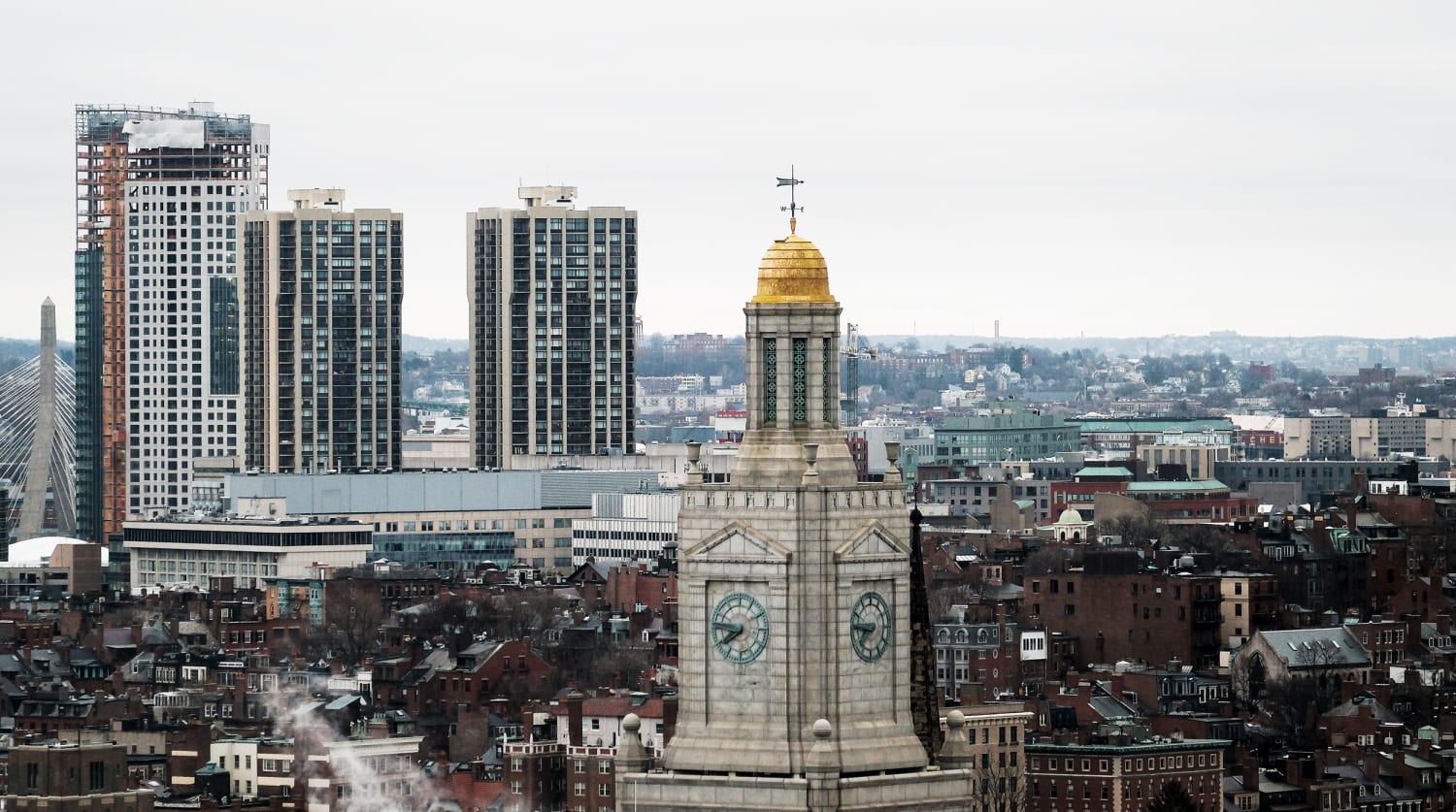
A short ride across the Charles River takes you to Cambridge, home to two of the world’s most prestigious universities: Harvard University and the Massachusetts Institute of Technology (MIT). Exploring their campuses, visiting their museums, or simply soaking in the intellectual atmosphere is a unique experience.
Where to Stay: Accommodations for Every Traveler
Boston’s accommodation scene is as diverse as its history, offering options for every budget and lifestyle. When booking, always confirm check-in and check-out times in Eastern Time.
- Luxury Stays: For those seeking unparalleled comfort and amenities, Boston delivers. The Four Seasons Hotel Boston offers breathtaking views of the Public Garden, while The Ritz-Carlton, Boston provides a lavish experience near Boston Common. The Mandarin Oriental, Boston and The Langham, Boston are other top-tier choices known for their exquisite service and prime locations.
- Boutique Hotels: For a more intimate and unique experience, consider boutique hotels like The Envoy Hotel, Autograph Collection in the Seaport District with its modern design and rooftop bar, or the Kimpton Marlowe Hotel in Cambridge, offering personalized service and proximity to both cities.
- Historic Charm: Immerse yourself in Boston’s heritage by staying at hotels with a rich past. The Omni Parker House, the longest continuously operating hotel in the U.S., is famous for its Boston Cream Pie and its role in American literary history.
- Mid-Range and Budget-Friendly: Numerous options cater to those on a moderate budget without sacrificing comfort or convenience. Brands like Courtyard by Marriott, Hampton Inn, and Holiday Inn Express have multiple locations throughout the city and surrounding areas, providing reliable stays with essential amenities. Consider also serviced apartments for longer stays, offering more space and flexibility.
- Family and Business Stays: Many hotels offer family-friendly amenities such as suites, pools, and kid-focused activities. For business travelers, hotels often feature dedicated workspaces, conference facilities, and executive lounges. Always check what amenities are most important for your travel style and ensure they align with your needs. Websites dedicated to accommodation reviews and comparison tools are invaluable for finding the perfect spot.
Culinary Delights and Local Experiences
Boston’s food scene is a delightful blend of tradition and innovation. Seafood is a must-try, with famous New England Clam Chowder, fresh lobster rolls, and oysters available at numerous establishments. The North End, Boston’s oldest residential neighborhood, is renowned as Little Italy, offering an array of authentic Italian restaurants, bakeries, and pastry shops. Timing your dinner reservations here is crucial, as popular spots fill up quickly, especially on weekends.
For a taste of local culture, explore the bustling stalls of Quincy Market within Faneuil Hall Marketplace, where you can sample various local treats. Don’t forget to try a slice of authentic Boston Cream Pie – the official state dessert of Massachusetts. Beyond food, experience Boston’s lifestyle by catching a Boston Red Sox game at Fenway Park, enjoying a show in the Theatre District, or taking a stroll through the trendy Back Bay neighborhood with its elegant Victorian brownstones and upscale boutiques on Newbury Street.
Planning Beyond Boston: Day Trips and Regional Adventures
While Boston itself offers an endless array of activities, its strategic location in New England makes it an ideal base for exploring charming nearby towns and scenic coastal areas. These excursions also adhere to the Eastern Time Zone, making planning straightforward.
Coastal Charms and Historic Towns
- Cape Cod: Just a short drive south, Cape Cod offers picturesque beaches, charming fishing villages, and fresh seafood. Ideal for a summer day trip or a longer retreat, you can explore towns like Provincetown, Hyannis, or Chatham.
- Salem: Famous for the 1692 witch trials, Salem is a town steeped in history and mystery, especially popular in October. Visit the Peabody Essex Museum or explore the various witch-themed attractions.
- Plymouth: Home to Plymouth Rock, Mayflower II, and Plimoth Patuxet Museums, Plymouth offers a vivid glimpse into early American history and the Pilgrims’ arrival.
- Newport, Rhode Island: A bit further south, Newport is famous for its opulent Gilded Age mansions, scenic coastal drives like the Ocean Drive, and rich sailing history.
These day trips allow travelers to expand their New England experience, offering diverse landscapes and historical narratives, all within easy reach and without the hassle of adjusting to another time zone. Always consider travel time and the operating hours of attractions when planning these excursions.
In conclusion, understanding that the time at Boston is either Eastern Standard Time (UTC-5) or Eastern Daylight Time (UTC-4), depending on the season, is more than just knowing what to set your watch to. It’s about empowering your travel plans, from the moment you book your flight to the last bite of Boston Cream Pie. By paying attention to the clock, managing potential jet lag, and meticulously planning your itinerary, you’ll ensure a rich, fulfilling, and unforgettable journey through Boston’s captivating past and vibrant present.
LifeOutOfTheBox is a participant in the Amazon Services LLC Associates Program, an affiliate advertising program designed to provide a means for sites to earn advertising fees by advertising and linking to Amazon.com. Amazon, the Amazon logo, AmazonSupply, and the AmazonSupply logo are trademarks of Amazon.com, Inc. or its affiliates. As an Amazon Associate we earn affiliate commissions from qualifying purchases.