
Understanding the concept of time, particularly when it comes to travel, transcends mere clock-watching; it’s about optimizing your experience, synchronizing with local rhythms, and ensuring a seamless journey. For anyone planning a trip to the vast and diverse Texas, grappling with its time zones is a fundamental first step. Beyond the practicalities of setting your watch, understanding the nuances of time in the Lone Star State unlocks a deeper appreciation for its geographic expanse, its vibrant culture, and the myriad of experiences awaiting every traveler. From bustling cityscapes to serene natural wonders, Texas offers an incredible tapestry of destinations, each with its own pace and allure. This guide will not only clarify the time zones but also delve into how this knowledge can enrich your travel planning, allowing you to maximize every precious moment in this extraordinary state.
Navigating Texas Time Zones: An Essential Guide for Travelers
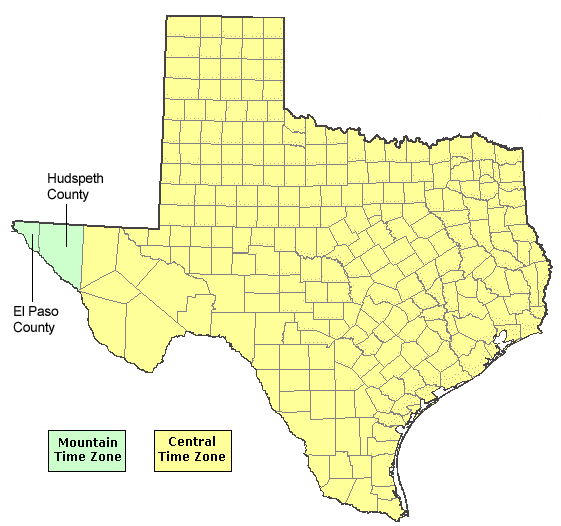
The question “What time is it in Texas?” might seem straightforward, but the answer reveals a fascinating geographical detail about the state. Due to its sheer size, Texas spans two distinct time zones, an essential piece of information for any visitor, whether you’re arriving by air, embarking on a cross-state road trip, or coordinating a business meeting.
The Lone Star State’s Time Landscape
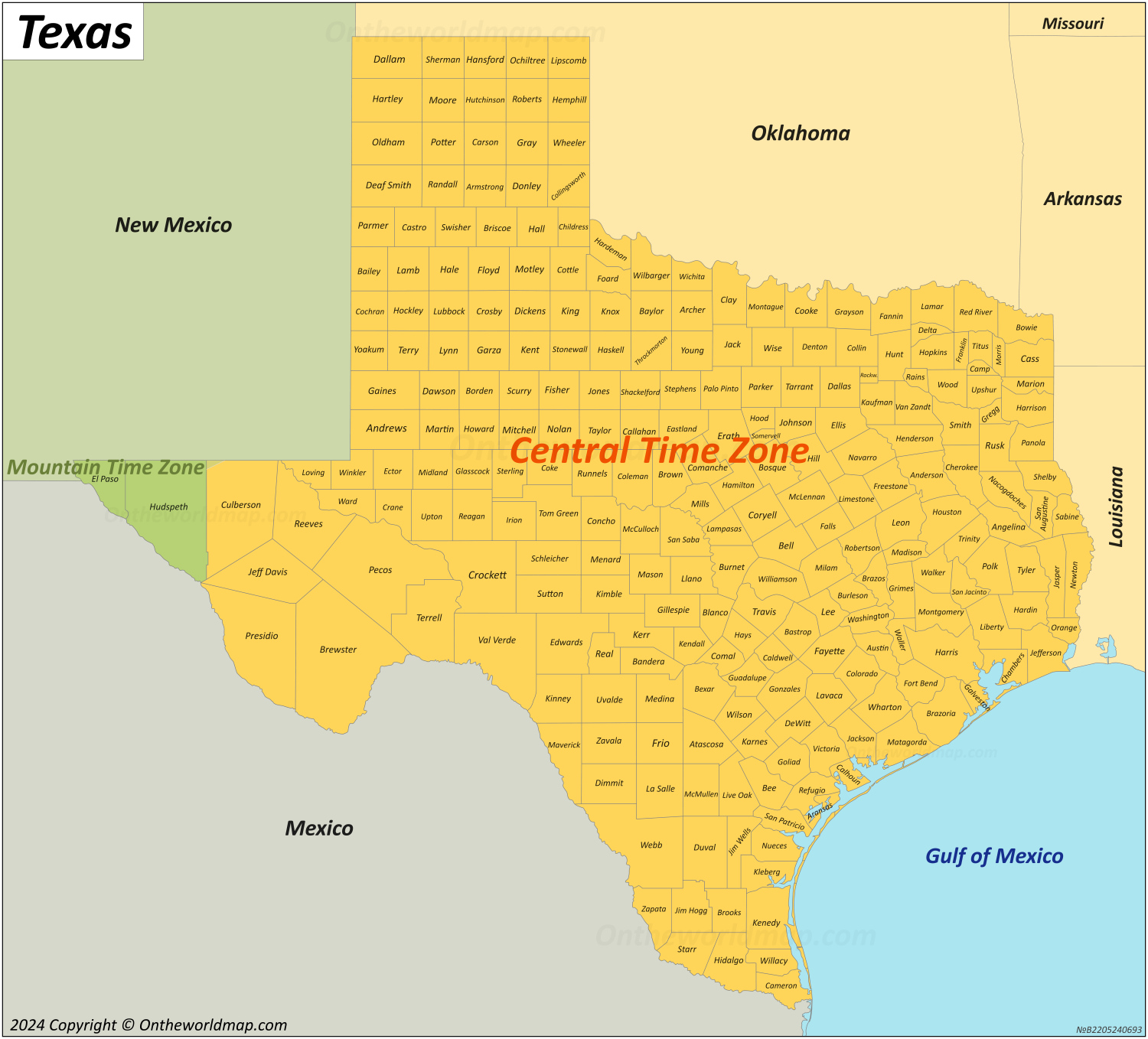
The vast majority of Texas operates on Central Time (CT), which is UTC-6 during standard time and UTC-5 during Daylight Saving Time. This encompasses major metropolitan areas such as Dallas, Houston, San Antonio, and Austin, as well as most of the state’s popular tourist destinations. This means that if you’re flying into Dallas/Fort Worth International Airport or planning to explore the historic San Antonio River Walk, you’ll be operating on Central Time (CT).
However, a small but significant portion of Texas, specifically its westernmost tip, observes Mountain Time (MT). This includes the city of El Paso and the western part of Hudspeth County. Mountain Time (MT) is one hour behind Central Time (CT), meaning it’s UTC-7 during standard time and UTC-6 during Daylight Saving Time. This time difference is crucial for travelers journeying between these two regions. Imagine flying from Houston to El Paso – a flight that takes a couple of hours will effectively “gain” an hour upon arrival due to the time zone change. Conversely, traveling eastward from El Paso into the rest of Texas will “lose” an hour.
Texas observes Daylight Saving Time, which typically begins on the second Sunday in March and ends on the first Sunday in November. During this period, clocks are moved forward by one hour. This shift affects both Central Time (CT) and Mountain Time (MT) regions uniformly, meaning the one-hour difference between them remains constant. Staying informed about Daylight Saving Time changes is vital for ensuring your itinerary remains accurate, especially for scheduled events, flights, and appointments.
Why Time Matters: Planning Your Texas Itinerary
The practical implications of Texas’s time zones extend far beyond merely adjusting your wristwatch. For travelers, understanding and accounting for these differences can significantly impact the fluidity and enjoyment of their trip.
Firstly, air travel and ground transportation schedules are inextricably linked to local time. A flight departing from Dallas at 10:00 AM CT and arriving in El Paso at 11:00 AM local time might seem like a quick one-hour journey, but in reality, it’s a two-hour flight. Miscalculating this can lead to missed connections, late arrivals for rental car pickups, or even incorrect hotel check-in times. When booking flights, it’s always prudent to double-check the time zone specified for both departure and arrival.
Secondly, scheduling activities and making reservations demands time zone awareness. Imagine planning a guided tour of Guadalupe Mountains National Park, which is close to the Mountain Time (MT) zone, but you’re staying in a town on Central Time (CT). A simple mistake in converting times could mean you miss your slot. Similarly, dining reservations, showtimes, concert timings on Sixth Street in Austin, or entry slots for popular attractions like Space Center Houston all hinge on accurate time zone calculations. For business travelers, missing a crucial meeting or conference call due to a time zone oversight can have significant repercussions. Even something as simple as coordinating a video call with family and friends back home requires a clear understanding of the time differences, especially if they are in a different part of the country or world.
Finally, the impact on your body’s internal clock, commonly known as jet lag, can be minor within Texas but still noticeable. Moving between Central Time (CT) and Mountain Time (MT) can cause a slight disruption, requiring a short adjustment period, particularly if you are sensitive to time changes. Preparing for this, perhaps by adjusting your sleep schedule slightly before your travel day or allowing for some relaxation upon arrival, can help ensure you’re refreshed and ready to explore.

Beyond the Clock: Embracing Texas’s Diverse Experiences
While understanding Texas’s time zones is a practical necessity, the true magic of the state lies in how you choose to spend that time. Texas is a land of superlatives, offering everything from sun-drenched beaches to dramatic mountains, bustling city life to tranquil country retreats. The website’s focus on Travel, Tourism, Landmarks, and Lifestyle finds fertile ground here, as the state caters to every preference.
Iconic Landmarks and Must-See Attractions Across Time Zones
The sheer scale of Texas means its iconic landmarks are spread far and wide, each offering a unique perspective on the state’s rich history and natural beauty. In the Central Time (CT) zone, which covers the majority of the state, you’ll find an abundance of world-class attractions.
San Antonio is a jewel in the crown, home to the revered The Alamo, a site of immense historical significance that draws visitors from around the globe. A visit here is a poignant journey into the past, best experienced in the quiet reverence of the morning or late afternoon. Stroll along the vibrant San Antonio River Walk, where you can enjoy boat tours, delightful dining, and charming boutiques. The San Antonio Missions National Historical Park, a UNESCO World Heritage Site, offers further historical exploration.
Houston, a hub of innovation, beckons with Space Center Houston, the official visitor center for NASA Johnson Space Center. This immersive experience provides a thrilling glimpse into space exploration, with interactive exhibits and historic artifacts. Allocate ample time here, as its extensive displays can easily fill a full day. The Museum District Houston also offers a plethora of cultural institutions, from art to natural science, perfect for a culturally rich afternoon.
Further north, Dallas and Fort Worth offer a blend of metropolitan sophistication and authentic Western heritage. In Dallas, explore the Dallas Arts District, home to impressive museums and performance venues. For sports enthusiasts, a tour of AT&T Stadium or The Star in Frisco offers a behind-the-scenes look at professional football. Fort Worth’s Stockyards National Historic District transports visitors to the Old West, with daily cattle drives, rodeos, and country music at Billy Bob’s Texas.
Then there’s Austin, the “Live Music Capital of the World,” where the rhythm of life is often set to a melodic beat. Explore Sixth Street for its legendary nightlife, or spend your days paddleboarding on Lady Bird Lake and exploring the vibrant food scene. The city’s unique blend of outdoor activities and cultural hotspots means there’s never a dull moment.
Venturing into the Mountain Time (MT) zone, El Paso stands as a testament to Texas’s diverse geography and cultural influences. Nestled against the backdrop of the Franklin Mountains State Park, the city offers stunning hiking opportunities and panoramic views. The historic Mission Trail provides a glimpse into the region’s Spanish colonial past, with beautifully preserved missions dating back centuries. Further afield, but still within the general western Texas region, lies Big Bend National Park, a majestic wilderness of mountains, desert, and river. This remote park requires careful planning, especially regarding travel times, but rewards visitors with unparalleled stargazing opportunities and rugged natural beauty. Catching a sunset over the Chisos Mountains is a timeless experience that will linger long after your trip.
Savoring Texas: Food, Culture, and Local Lifestyle
Texas isn’t just about landmarks; it’s about an experience, a lifestyle. The state’s culinary scene is as vast and varied as its landscapes, heavily influenced by its diverse cultural heritage. No trip to Texas is complete without indulging in authentic Texas BBQ, smoked to perfection, often found in iconic establishments like Franklin Barbecue in Austin or roadside joints in the Texas Hill Country. Tex-Mex cuisine is another cornerstone, with vibrant flavors and hearty portions available from Dallas to San Antonio. Time your meals strategically to avoid the busiest rush hours, particularly for popular spots, and consider making reservations for dinner, especially on weekends.
The cultural fabric of Texas is equally rich. From the honky-tonk bars of Fort Worth to the artistic enclaves of Denton, music and art thrive. Live music venues in Austin, such as the legendary Gruene Hall near New Braunfels, offer unforgettable evenings. Annual festivals, rodeos, and local events punctuate the calendar, providing immersive experiences into Texan life. Checking event schedules and their start times well in advance is crucial, as popular events can sell out quickly or have specific entry windows.
For those interested in the ‘Lifestyle’ aspect, Texas caters to all tastes and budgets. Luxury travel can be found in high-end resorts and spas scattered across the state, offering unparalleled amenities and service. Boutique hotels in historic districts provide a unique, upscale experience. Budget travel options are plentiful, from charming bed and breakfasts in small towns like Fredericksburg to reliable chain hotels near major attractions. Family trips benefit from attractions like the beaches of Galveston and South Padre Island, or the amusement parks in Arlington. Business stays often revolve around convention centers in cities like Houston or Dallas, where understanding time zones for meetings across different regions of the country is paramount. Regardless of your travel style, Texas offers a “time” and a place for every traveler to create lasting memories.
Planning Your Perfect Stay: Accommodation and Travel Tips
A well-planned trip to Texas integrates an understanding of time with strategic choices for accommodation and overall travel logistics. The state’s extensive range of lodging options, coupled with its vast distances, means careful consideration can significantly enhance your experience.
Choosing Your Texas Base: Hotels, Resorts, and Unique Stays
Texas boasts an impressive array of accommodation choices, fitting every budget and preference. From opulent resorts to charming historic inns, your “home away from home” can be an integral part of your travel story.
For those seeking luxury travel, Texas does not disappoint. The JW Marriott San Antonio Hill Country Resort & Spa offers a lavish escape with world-class golf and spa facilities. In San Antonio, the historic Hotel Emma provides a unique, sophisticated experience with its industrial-chic design within the Pearl Brewery complex. Austin offers the refined elegance of the Four Seasons Hotel Austin with stunning lake views, or the grandeur of The Driskill Hotel, a historic landmark in its own right. Dallas guests can choose from the eclectic style of Hotel ZaZa Dallas or the iconic Omni Dallas Hotel with its illuminated facade. Houston features the ultra-luxurious The Post Oak Hotel at Uptown Houston, a testament to opulent living. These establishments often come with extensive amenities, including suites, spas, fine dining, and concierge services that can assist with time-sensitive bookings for local activities.
Budget travel is also easily accommodated, with numerous chain hotels, motels, and vacation rentals available across the state. Websites dedicated to accommodation comparison and reviews can help you find the best deals. For a more unique or long-term stay, consider renting a villa or apartment in destinations like Corpus Christi or near the natural beauty of Canyon Lake and Lake Travis. When booking, always confirm check-in and check-out times, keeping the applicable time zone in mind, especially if you’re traveling across the state.
Essential Travel Tips for a Seamless Texas Adventure
Beyond accommodation, a few general travel tips can make your Texas adventure smoother and more enjoyable. Given the state’s size, preparing for long drives is crucial; a rental car is often the best way to explore, allowing flexibility in your schedule. Ensure your vehicle has good air conditioning, especially during the hot summer months.
- Best Time to Visit: The spring (March-May) and fall (September-November) offer the most pleasant weather for exploring, avoiding the intense summer heat and potential winter freezes. These seasons are ideal for outdoor activities, from hiking in Big Bend National Park to enjoying the wildflowers in the Texas Hill Country.
- Packing Essentials: Pack layers to accommodate temperature fluctuations, particularly when moving from air-conditioned indoor spaces to the outdoors. Sunscreen, a hat, and comfortable walking shoes are year-round necessities.
- Local Culture and Etiquette: Texans are known for their hospitality. A friendly “howdy” goes a long way. Tipping practices are standard (15-20% for good service). Respect local customs and always be mindful of signage and regulations, especially in natural parks and historical sites.
- Stay Hydrated: This cannot be stressed enough, especially during warmer months. Always carry water, particularly when engaging in outdoor activities.
- Plan Ahead: For popular attractions and events, booking tickets and making reservations in advance is highly recommended. This ensures you secure your spot and avoids disappointment, especially when dealing with time-sensitive entries. Always confirm the local time for your bookings.
- Embrace the Journey: Texas is about the experience. Allow yourself flexibility to discover unexpected gems, whether it’s a small-town diner in Waco near Magnolia Market at the Silos or a hidden swimming hole in San Marcos.
In conclusion, while “What is the time at Texas?” starts as a simple query about clock settings, it quickly unravels into a comprehensive guide for navigating and enjoying one of America’s most captivating states. By understanding its time zones, planning effectively, and embracing its diverse offerings, every moment spent in Texas can become a cherished memory. So, set your watch, plan your journey, and prepare to be captivated by the unparalleled charm and grandeur of the Lone Star State.
LifeOutOfTheBox is a participant in the Amazon Services LLC Associates Program, an affiliate advertising program designed to provide a means for sites to earn advertising fees by advertising and linking to Amazon.com. Amazon, the Amazon logo, AmazonSupply, and the AmazonSupply logo are trademarks of Amazon.com, Inc. or its affiliates. As an Amazon Associate we earn affiliate commissions from qualifying purchases.