
Embarking on a journey through the vast and diverse landscape of Texas offers an unparalleled adventure for any traveler. From its sprawling metropolises like Houston, Dallas, Austin, and San Antonio, to its charming small towns and breathtaking natural wonders, the Lone Star State promises a rich tapestry of experiences. As you plan your itinerary, whether it’s exploring historic Alamo in San Antonio, marveling at the innovation of Space Center Houston, or immersing yourself in the vibrant music scene of Austin, understanding local customs and regulations is key to a seamless trip. Among the most common inquiries for visitors eager to enjoy the local culture is a seemingly simple question with a nuanced answer: “What time do they stop selling alcohol in Texas?”
For many, a travel experience isn’t complete without sampling local brews, savoring a fine wine with dinner, or enjoying a craft cocktail at a lively bar. Texas, with its unique blend of Southern hospitality, Western grit, and a burgeoning culinary scene, offers ample opportunities for such indulgences. However, unlike some states with more uniform alcohol laws, Texas’s regulations can be a bit of a labyrinth, influenced by historical “blue laws” and a strong emphasis on local control. This guide aims to demystify alcohol sales times, providing travelers with the essential information needed to navigate their Texan adventure responsibly and enjoyably. Whether you’re stocking up for a picnic in Big Bend National Park, planning a night out on Austin’s Sixth Street, or simply seeking a relaxing drink at your hotel, knowing the rules of the road—or rather, the bar—will enhance your visit.
Navigating Texas’s Alcohol Landscape: A Traveler’s Guide
Understanding the alcohol sales regulations in Texas is crucial for any visitor, especially given the state’s significant role as a destination for both domestic and international travelers. Texas’s unique blend of cultural influences, from its proximity to Mexico to its historical ties to the Old West, has shaped its approach to everything, including its liquor laws. These laws impact not only when you can purchase alcoholic beverages but also where you can consume them and even the types of establishments that can sell them. For those accustomed to the more liberal alcohol policies of places like New Orleans or Las Vegas, Texas might present a slight adjustment. However, with a little foresight, you can easily integrate these regulations into your travel plans without missing a beat.
The primary authority governing alcohol sales in Texas is the Texas Alcoholic Beverage Commission (TABC). The TABC sets the statewide framework, but it’s important to remember that local municipalities and counties also have the power to enact additional restrictions, particularly concerning “dry” and “wet” areas, which we’ll delve into later. This dual layer of regulation means that while general rules apply across the state, specific nuances can arise depending on your exact location, be it a bustling downtown district or a quiet rural community. This guide will provide a comprehensive overview of these regulations, ensuring you’re well-equipped to enjoy all the liquid refreshments Texas has to offer.
The Basics: General Sales Hours for Different Establishments
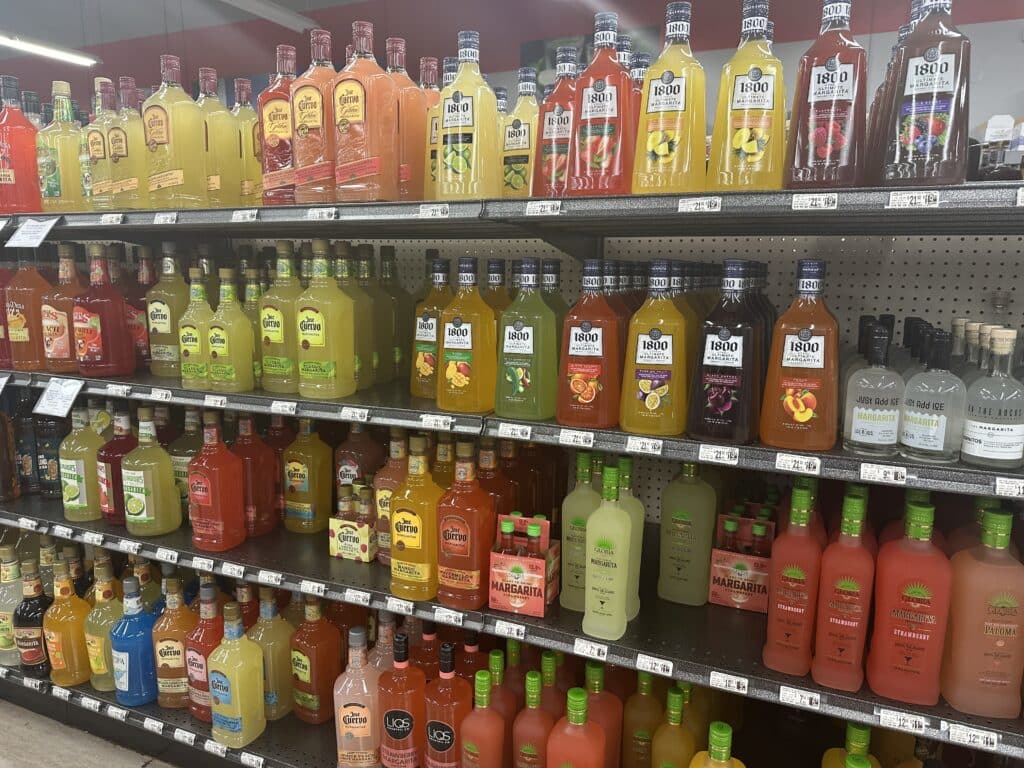
The core of Texas’s alcohol laws revolves around distinct sales hours for various types of establishments. This distinction is critical because whether you’re buying a six-pack from a grocery store, a bottle of wine from a liquor store, or a margarita at a restaurant, the cutoff times will differ.
Off-Premise Sales (for consumption elsewhere):
This category includes places where you purchase alcohol to take away, such as grocery stores, convenience stores, and liquor stores.
-
Beer and Wine (Grocery Stores, Convenience Stores, etc.):
- Monday through Friday: You can purchase beer and wine from 7:00 AM to Midnight.
- Saturday: Sales are permitted from 7:00 AM to 1:00 AM the following morning (Sunday).
- Sunday: Sales are allowed from 10:00 AM to Midnight.
- Special Note: On Sundays, prior to 10:00 AM, beer and wine can only be sold if it’s served with food in a restaurant or permitted establishment, or if the establishment holds a specific “brewery” or “winery” permit.
-
Liquor (Distilled Spirits – Liquor Stores Only):
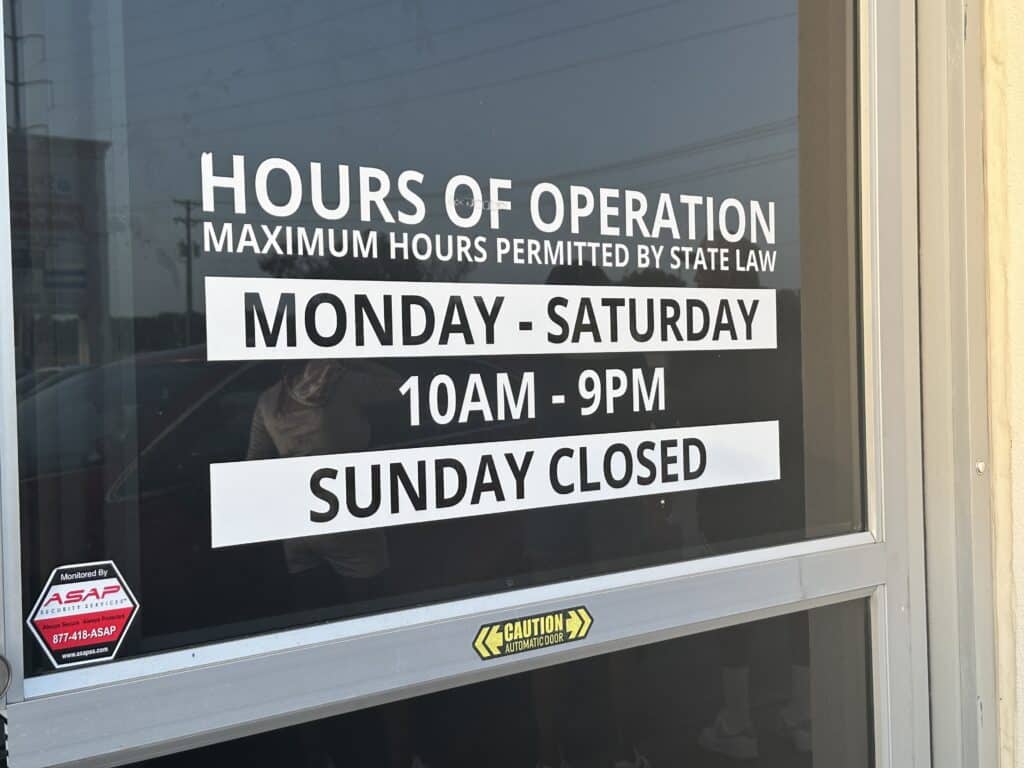
- Monday through Saturday: Liquor stores operate on a much stricter schedule, selling spirits from 10:00 AM to 9:00 PM.
- Sunday: Liquor stores are closed all day on Sundays. This is a significant distinction and a carryover from older blue laws.
- Public Holidays: Liquor stores are also closed on Thanksgiving Day, Christmas Day, and New Year’s Day. If Christmas Day or New Year’s Day falls on a Sunday, the closure extends to the following Monday.
On-Premise Sales (for consumption at the establishment):
This category includes bars, restaurants, hotels, and other venues where you consume the alcohol on-site.
-
Standard Bars and Restaurants (without a “late hours” permit):
- Monday through Saturday: Alcohol can be served from 7:00 AM to Midnight.
- Sunday: Sales begin at 10:00 AM and end at Midnight.
- Special Note: Again, on Sunday mornings, the 10:00 AM start time is tied to the “brunch law,” allowing sales with the purchase of food.
-
Late-Hours Establishments (with a “late hours” permit):
- Many bars and restaurants, especially in larger cities and entertainment districts, obtain a “late hours” permit, allowing them to serve alcohol for longer.
- Monday through Saturday: These establishments can serve alcohol until 2:00 AM.
- Sunday: Service extends until 2:00 AM.
- This is a crucial detail for anyone planning to enjoy Texas’s vibrant nightlife, especially in places like Austin’s Warehouse District or Dallas’s Uptown.
Sunday Sales: A Peculiar Texan Tradition
The Sunday sales regulations often cause the most confusion for visitors, largely due to their historical roots in “blue laws” designed to promote religious observance. While many of these laws have been relaxed over the years, their legacy still shapes the modern alcohol landscape in Texas.
The most prominent feature is the complete closure of liquor stores on Sundays. This means if you’re planning to purchase spirits for a Sunday gathering or to enjoy at your accommodation, you must do so by Saturday evening. This is a common pitfall for new visitors, who might find themselves scrambling to find a mixed drink ingredient on a Sunday, only to realize it’s impossible to purchase.
However, the “brunch law” has significantly eased restrictions for beer and wine sales on Sundays. As mentioned, grocery and convenience stores can sell beer and wine starting at 10:00 AM. Restaurants and bars can also begin serving alcoholic beverages at 10:00 AM, provided food is also being served. This has led to a thriving Sunday brunch culture across Texas, with many establishments offering enticing food and drink specials. For those looking to enjoy a mimosa or bloody mary with their morning meal, Texas certainly accommodates, just a little later than on weekdays.
Beyond the Bottle: How Alcohol Laws Impact Your Texas Experience
Understanding the specific timings for alcohol sales is more than just memorizing numbers; it’s about appreciating how these regulations weave into the fabric of your overall travel experience in Texas. From planning your evening entertainment to selecting the right accommodation, Texas’s alcohol laws can subtly, or sometimes overtly, influence your choices and activities.
Planning Your Itinerary: Dining, Nightlife, and Events
The staggered alcohol sales times are particularly relevant when organizing your daily and evening itineraries. For instance, if you’re exploring San Antonio’s historic Riverwalk, a leisurely stroll might naturally lead to an early evening dinner and drinks. Knowing that most bars and restaurants with late-hour permits serve until 2:00 AM gives you ample time to enjoy the vibrant atmosphere. However, if you’re in a smaller town or an area without such permits, midnight might be your cutoff, requiring you to adjust your plans accordingly.
-
Dining: For many, a delightful meal is often accompanied by a glass of wine or a local craft beer. Texas’s diverse culinary scene, famous for its Tex-Mex and BBQ, is best experienced with accompanying beverages. The early 7:00 AM start time for on-premise sales ensures that establishments serving breakfast and lunch can offer alcoholic options from the get-go, though most won’t typically be doing so unless it’s a specific “boozy brunch” spot. The 10:00 AM Sunday start for alcohol sales with food is a boon for brunch enthusiasts, allowing them to indulge in their favorite morning cocktails.
-
Nightlife: Texas’s major cities boast impressive nightlife scenes. Austin is renowned as the “Live Music Capital of the World,” with venues featuring everything from blues to country. Dallas offers upscale lounges and dance clubs, while Houston has a dynamic bar scene. The 2:00 AM closing time for late-hours establishments is generally sufficient for most nightlife seekers, but it’s important to be aware that last call might come earlier in venues without this specific permit. Planning ahead, especially on weekends, will ensure you don’t miss out on enjoying the local entertainment.
-
Events and Festivals: Throughout the year, Texas hosts numerous festivals, concerts, and sporting events. Whether it’s the South by Southwest (SXSW) festival in Austin, a rodeo in Fort Worth, or a football game, alcohol sales at these events typically adhere to the standard on-premise rules for the specific venue. However, always check the event’s specific guidelines, as some may have stricter internal policies or specialized permits. For example, a multi-day festival might have different rules for different areas within its grounds.
Accommodations and Amenities: Hotel Bars and Room Service
For travelers staying in hotels, resorts, or even long-term apartment rentals, Texas’s alcohol laws directly influence the amenities available. Most reputable hotels in Texas, especially those offering a full range of services, operate under the “late hours” permit for their bars and restaurants. This means guests can typically enjoy drinks at the hotel bar until 2:00 AM, even on Sundays.
-
Hotel Bars and Lounges: These on-site establishments provide a convenient option for guests to relax and unwind without having to venture out. They usually follow the extended 2:00 AM sales hours, making them reliable spots for a late-night cocktail. It’s always a good idea to confirm specific operating hours with your chosen accommodation, particularly if you have a very late arrival or an early departure, as some smaller hotels or those in less urban areas might have earlier closing times.
-
Room Service: If your hotel offers room service with alcoholic beverages, these sales will also fall under the same on-premise consumption rules as the hotel bar. This means you can order beer, wine, or spirits to your room until the designated last call, which is typically 2:00 AM for late-hours licensed hotels. This provides a great convenience for travelers who prefer to relax in the privacy of their suite after a long day of sightseeing or business meetings.
-
Stocking Up at Your Accommodation: If you’re staying in an apartment, villa, or a hotel with an in-room kitchen, you might consider purchasing your own alcohol. Remember the off-premise sales times: liquor stores close at 9:00 PM Monday through Saturday and are closed all day Sunday. Beer and wine from grocery stores have more flexible hours but still have a midnight cutoff on weekdays and Sundays, extending to 1:00 AM on Saturday nights. Planning a visit to a grocery or liquor store before these times is essential if you wish to have your own supply.
Local Nuances and Dry Counties: What Every Visitor Should Know
While the statewide TABC rules provide a general framework, one of the most distinctive aspects of Texas’s alcohol landscape is the concept of local option elections. These elections allow counties, cities, and even specific precincts to vote on whether to permit the sale of alcoholic beverages, and if so, what types and under what conditions. This creates a fascinating, albeit sometimes confusing, patchwork of regulations across the state.
Unraveling the Patchwork: City Ordinances and County Rules
The most well-known result of local option elections is the existence of “dry” counties. A dry county is an area where the sale of alcoholic beverages is completely prohibited. There are also “wet” counties (where sales are fully permitted) and “partially dry” or “moist” counties (where certain types of alcohol are permitted, or sales are restricted to specific areas or establishments).
- Dry Counties: While the number of fully dry counties has decreased over the years, they still exist. If you find yourself traveling through a dry county, you will not be able to purchase any alcohol, even beer or wine, from stores, nor will you find bars or restaurants serving alcohol. This can be particularly surprising for visitors unfamiliar with the concept. Historically, these laws were rooted in religious and temperance movements. For instance, some smaller, more rural communities might still be dry.
- Moist Counties: Many counties are “moist,” meaning they allow some forms of alcohol sales but not others. A common scenario is a county that permits beer and wine sales but prohibits liquor sales, or allows sales only within incorporated cities, but not in unincorporated county areas. An example might be a county where you can buy beer and wine at a grocery store, but liquor stores are nonexistent, requiring you to drive to an adjacent “wet” county for spirits. Another scenario might be that restaurants can serve mixed drinks, but no liquor stores exist.
- Checking Local Status: How do you know if you’re in a dry or moist area? The best way is to check the TABC website for a comprehensive list of county and precinct statuses. When planning your trip, particularly to more rural destinations like Fredericksburg in the Texas Hill Country (which is generally wet, but its surrounding areas might have nuances) or areas near Big Bend National Park, it’s prudent to do a quick search. Many popular tourist destinations and major cities, however, are generally “wet” and offer a full range of alcohol sales options. For example, while Bryan and College Station are very close, their specific regulations for certain types of sales can vary due to local ordinances.
Responsible Exploration: Tips for Enjoying Texas Safely
Beyond understanding the laws, responsible consumption is paramount for any traveler. Texas is a fantastic state to explore, and ensuring your safety and adherence to local laws will make your trip even more enjoyable.
- Designate a Driver: Texas has strict laws against driving while intoxicated (DWI). With vast distances between attractions and cities like Houston and Dallas, having a designated driver or utilizing rideshare services (like Uber or Lyft, which are widely available in major Texan cities) is essential if you plan to consume alcohol. Never get behind the wheel after drinking.
- Pace Yourself: The warm Texas climate, especially in coastal cities like Galveston or Corpus Christi, can dehydrate you faster than you might realize. Alternate alcoholic beverages with water to stay hydrated and enjoy your drinks responsibly.
- Know Your Limits: Be aware of how alcohol affects you, especially when trying new local brews or spirits that might have higher alcohol content.
- Age Requirements: The legal drinking age in Texas, as throughout the United States, is 21. Be prepared to show valid identification.
- Open Container Laws: While there are exceptions (e.g., in a limousine, bus, or taxi), Texas generally prohibits open containers of alcohol in public places and within vehicles. Always consume alcohol in designated areas.
- Plan Ahead for Sunday Liquor: This cannot be stressed enough. If you need distilled spirits for a Sunday, purchase them by Saturday evening. There are no exceptions to liquor store closures on Sundays.
- Utilize Hotel Services: If staying at a hotel, leverage their amenities. Hotel bars are a safe and convenient option for late-night drinks, often following the 2:00 AM cutoff. Room service is another excellent way to enjoy a drink in the comfort of your room.
- Ask Locals: Don’t hesitate to ask hotel staff, restaurant servers, or friendly locals about specific alcohol regulations in their area. They can provide valuable, up-to-date insights, especially regarding local option nuances.
In conclusion, while the question “What time do they stop selling alcohol in Texas?” might seem straightforward, its answer reflects the state’s unique historical and cultural tapestry. From the bustling streets of El Paso to the Panhandle plains of Amarillo, Texas offers a truly unforgettable travel experience. By understanding the general statewide rules for off-premise and on-premise sales, particularly the distinctions for liquor stores and Sunday hours, and by being aware of potential local variations like dry counties, you can ensure your enjoyment of Texas’s vibrant social scene is seamless and responsible. So, raise a glass (at the appropriate time, of course) to your Texan adventure – an experience that’s truly “out of the box.”
LifeOutOfTheBox is a participant in the Amazon Services LLC Associates Program, an affiliate advertising program designed to provide a means for sites to earn advertising fees by advertising and linking to Amazon.com. Amazon, the Amazon logo, AmazonSupply, and the AmazonSupply logo are trademarks of Amazon.com, Inc. or its affiliates. As an Amazon Associate we earn affiliate commissions from qualifying purchases.