
Planning a trip from the bustling streets of New York to the serene shores of Hawaii is an exciting endeavor, but it comes with a significant shift in internal rhythm. Understanding the time difference between these two iconic American destinations is more than just a logistical necessity for scheduling flights; it is the first step in preparing your body for a massive transition across time zones.
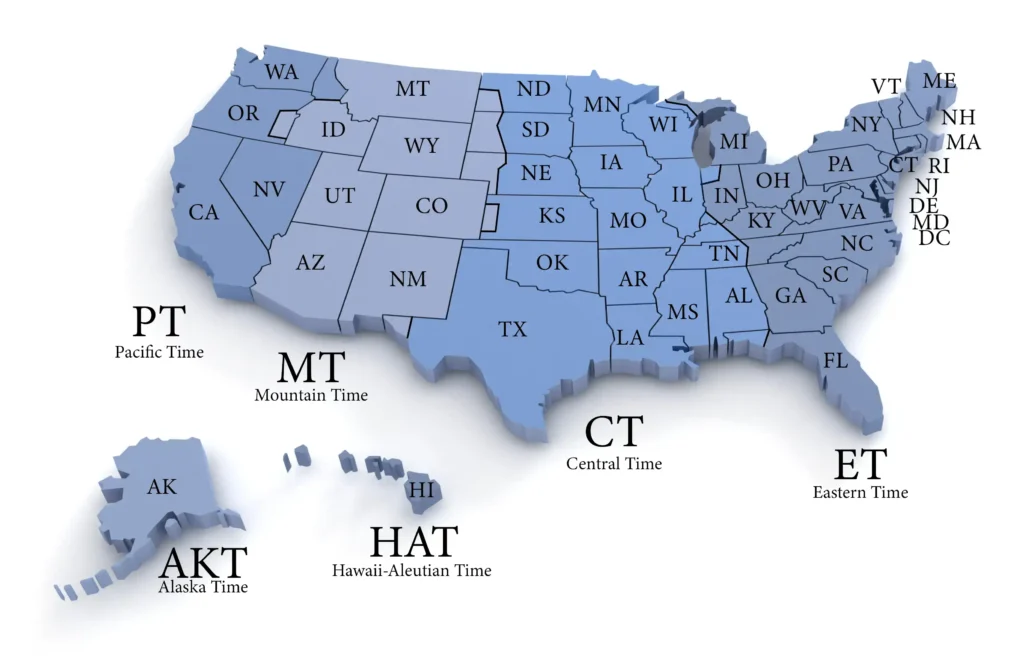
The Time Zone Breakdown: Eastern Standard vs. Hawaii-Aleutian Standard
The primary reason for the substantial time difference between the East Coast and the Pacific archipelago is the vast distance and the distinct way these regions handle timekeeping. New York operates on Eastern Time (ET), while Hawaii utilizes Hawaii-Aleutian Standard Time (HST).
Understanding Daylight Saving Time
A critical factor that confuses many travelers is the application of Daylight Saving Time (DST). While the majority of the United States transitions to Daylight Saving Time in the spring and back to Standard Time in the autumn, Hawaii does not observe this practice. Because of its proximity to the equator, the state experiences relatively consistent daylight hours throughout the year, rendering the shift unnecessary.
Consequently, the time gap between the two locations fluctuates depending on the time of year:
- During Standard Time (Winter months): New York is 5 hours ahead of Hawaii.
- During Daylight Saving Time (Summer months): New York is 6 hours ahead of Hawaii.
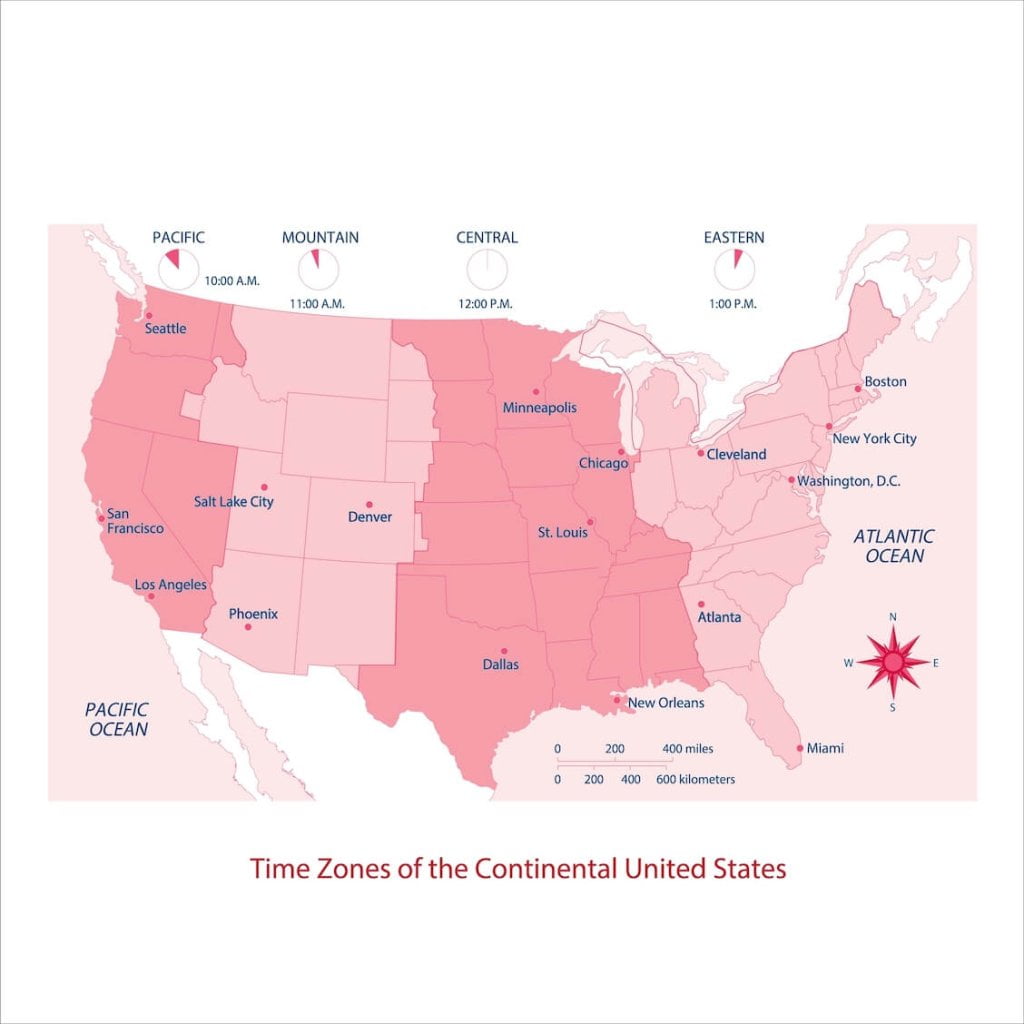
This means when it is 12:00 PM in New York City during the summer, it is only 6:00 AM in Honolulu. Travelers flying westward must account for this “lost” time during the day, which often feels like a gift of extra hours upon arrival.
Navigating the Impact of Jet Lag
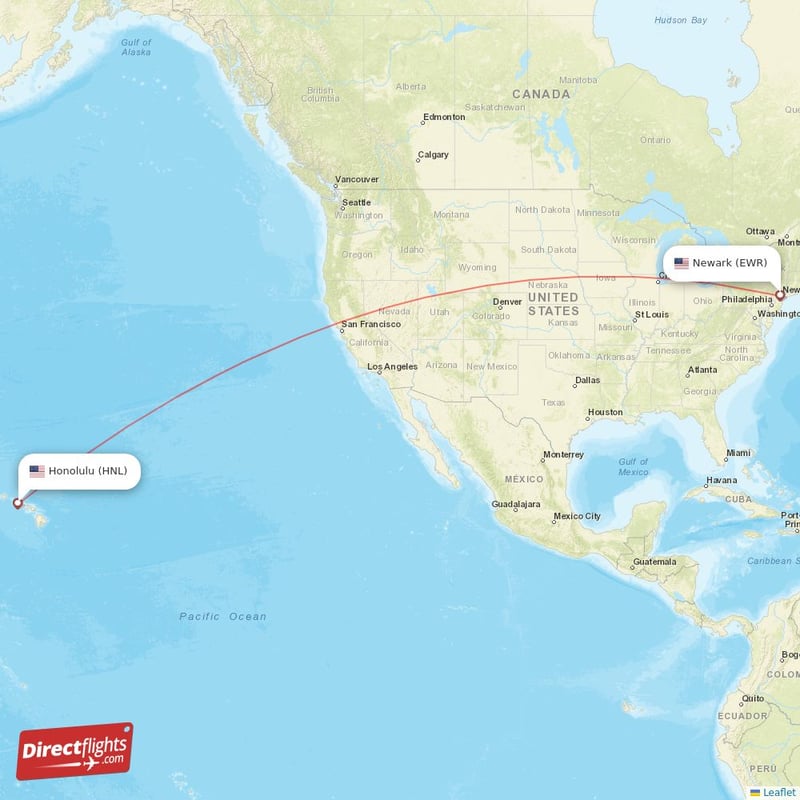
Crossing from the Atlantic coast to the middle of the Pacific Ocean involves traversing nearly five thousand miles of geography. For a traveler moving from Manhattan to the Big Island, this shift often triggers jet lag.
Physical and Mental Adjustments
Jet lag occurs when your circadian rhythm, or your internal body clock, is disrupted by rapid travel across multiple time zones. Because the trip from New York to Hawaii involves flying west, you are essentially extending your day. While it is generally considered easier for the body to “delay” its sleep schedule than to advance it, the six-hour difference is significant enough to cause fatigue, irritability, and difficulty concentrating during the first 48 hours of your trip.
Practical Tips for Long-Haul Travel
To minimize the impact of the time difference, experts suggest a few strategic approaches:
- Hydration is Key: The dry, pressurized air in long-haul aircraft cabins contributes to dehydration, which exacerbates jet lag symptoms. Increase your water intake before, during, and after your flight to Kona or Maui.
- Sync Before Departure: A few days before your flight, attempt to stay up an hour later each night to slowly shift your internal clock toward the schedule you will maintain in Hawaii.
- Sunlight Exposure: Once you arrive at your resort in Waikiki, seek out natural light. Sunlight is the strongest cue for the human biological clock. Spending time on the beach or participating in outdoor activities will help your body recognize the new day-night cycle.
- Avoid Over-Scheduling: When you arrive, try to keep your first day relatively low-key. Instead of jumping into a strenuous hike at Haleakala National Park, opt for a relaxing afternoon by the pool at your hotel to allow your body to recalibrate.
Planning Your Travel Logistics
When booking flights or coordinating check-in times for luxury accommodations, being aware of the clock is essential. Airlines will always provide local times on your itinerary, but knowing the difference in advance helps you avoid common pitfalls.
Coordinating with Home and Business
If you are traveling for business or need to stay in touch with colleagues back in Times Square, remember that when you are winding down for dinner at a restaurant in Lahaina, it is already past midnight in New York. It is often best to set clear expectations with clients or family members before you leave, ensuring they know you are operating on Hawaii time.
Maximizing Your Vacation Time
One of the distinct advantages of traveling west is the “long day” effect. Because you gain hours, the day of your arrival often feels like a bonus day. You can leave John F Kennedy International Airport in the morning and still arrive in Oahu with enough daylight left to catch a sunset dinner.
Conversely, the return journey can be physically taxing. Flying from Hawaii back to New York means you lose hours. Many travelers find that the return flight, which often involves an overnight journey, is the most difficult to manage. You may arrive in the East Coast feeling as though you have missed a night of sleep entirely, making the transition back to work or daily life require a bit more recovery time.
Embracing the Island Pace
Beyond the mathematical calculation of the time difference, there is a cultural shift that occurs when moving from the fast-paced energy of New York to the “Aloha spirit” of the Hawaiian Islands.
The Concept of Island Time
“Island time” is more than just a reference to the time zone; it is a philosophy of life that prioritizes presence over productivity. In New York, time is often viewed as a commodity to be managed and optimized. In Hawaii, the focus shifts to the natural rhythms of the ocean and the sun.
When you land at Daniel K Inouye International Airport, try to leave your New York stress at the gate. Allow the six-hour time difference to serve as a mental boundary that separates your daily responsibilities from your period of rest and rejuvenation. Whether you are visiting Pearl Harbor or exploring the cliffs of Kauai, letting go of your rigid schedule is the best way to experience the islands authentically.
By understanding the mechanics of the time difference—specifically the five or six-hour gap—and preparing your body for the shift, you can ensure that your transition from the Empire State to the Aloha State is as seamless as possible. Use the extra hours to watch the sunset, enjoy the local cuisine, and appreciate the unique temporal landscape that makes Hawaii such a transformative destination.
LifeOutOfTheBox is a participant in the Amazon Services LLC Associates Program, an affiliate advertising program designed to provide a means for sites to earn advertising fees by advertising and linking to Amazon.com. Amazon, the Amazon logo, AmazonSupply, and the AmazonSupply logo are trademarks of Amazon.com, Inc. or its affiliates. As an Amazon Associate we earn affiliate commissions from qualifying purchases.