
Embarking on a journey to the enchanting landscapes of Arizona promises an unforgettable experience, from the majestic depths of the Grand Canyon to the vibrant Sonoran Desert. However, before you pack your bags and set your sights on this stunning state, there’s a crucial detail that often surprises travelers and can significantly impact your itinerary: Arizona’s unique approach to time. Unlike most of the United States, Arizona largely opts out of Daylight Saving Time, creating a fascinating and sometimes confusing temporal puzzle for visitors and locals alike. Understanding this distinction is key to seamless travel planning, timely hotel check-ins, and making the most of every moment in the Copper State. This guide will unravel the intricacies of Arizona’s time difference, helping you navigate your visit with confidence and ensuring your vacation is perfectly synchronized.
Understanding Arizona’s Unique Time Zone
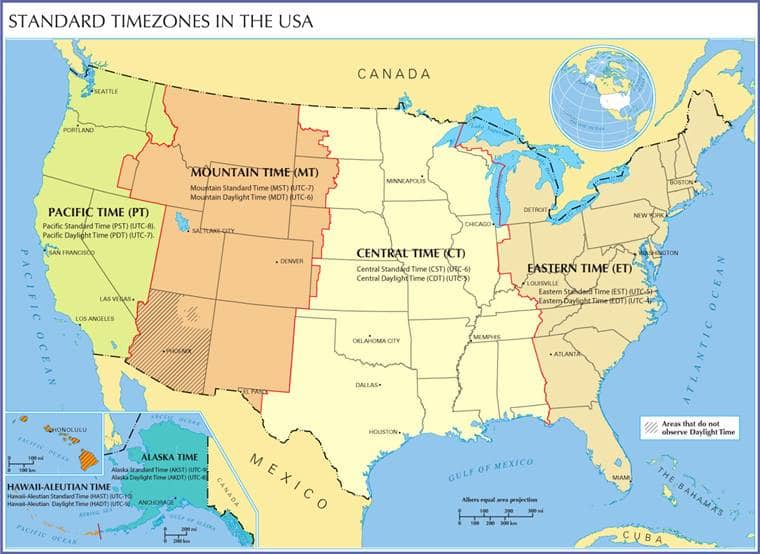
The heart of Arizona’s time difference lies in its steadfast adherence to Mountain Standard Time (MST) throughout the entire year. While most states spring forward in March and fall back in November, Arizona remains a beacon of consistent time, a decision rooted in its unique geography and climate. This means that for roughly half the year, Arizona aligns with Pacific Daylight Time (PDT), sharing the same clock as California and Nevada. For the other half, when other states revert to standard time, Arizona becomes synonymous with Mountain Standard Time, matching states like Colorado and New Mexico. This constant shift in relation to its neighbors is what makes travel to Arizona a little more complex than simply setting your watch.
MST All Year Round (No Daylight Saving Time)
The primary reason for Arizona’s time anomaly is its decision to forgo Daylight Saving Time (DST). This choice, made decades ago, is largely attributed to the state’s intensely hot climate. With scorching summer temperatures, there’s little desire to extend daylight into the evening, which would only exacerbate the heat and increase energy consumption for air conditioning. By remaining on Mountain Standard Time (MST) year-round, Arizona experiences earlier sunsets during the summer months compared to states observing DST, allowing residents and visitors to enjoy cooler evenings sooner.
From early March to early November, when most of the country is observing Daylight Saving Time, Arizona’s time zone is effectively one hour behind Mountain Daylight Time (MDT). During this period, Arizona aligns with Pacific Daylight Time (PDT), sharing the same time with cities like Los Angeles, Las Vegas, and San Diego.
From early November to early March, when most of the country reverts to standard time, Arizona’s Mountain Standard Time (MST) is the same as Mountain Standard Time (MST) in states like Colorado, New Mexico, and Utah. It also becomes one hour ahead of Pacific Standard Time (PST).
This consistent standard time simplifies daily life for Arizonans, avoiding the bi-annual clock adjustments that can disrupt sleep patterns and schedules. For travelers, however, it means paying close attention to the calendar when coordinating visits.
The Navajo Nation Exception
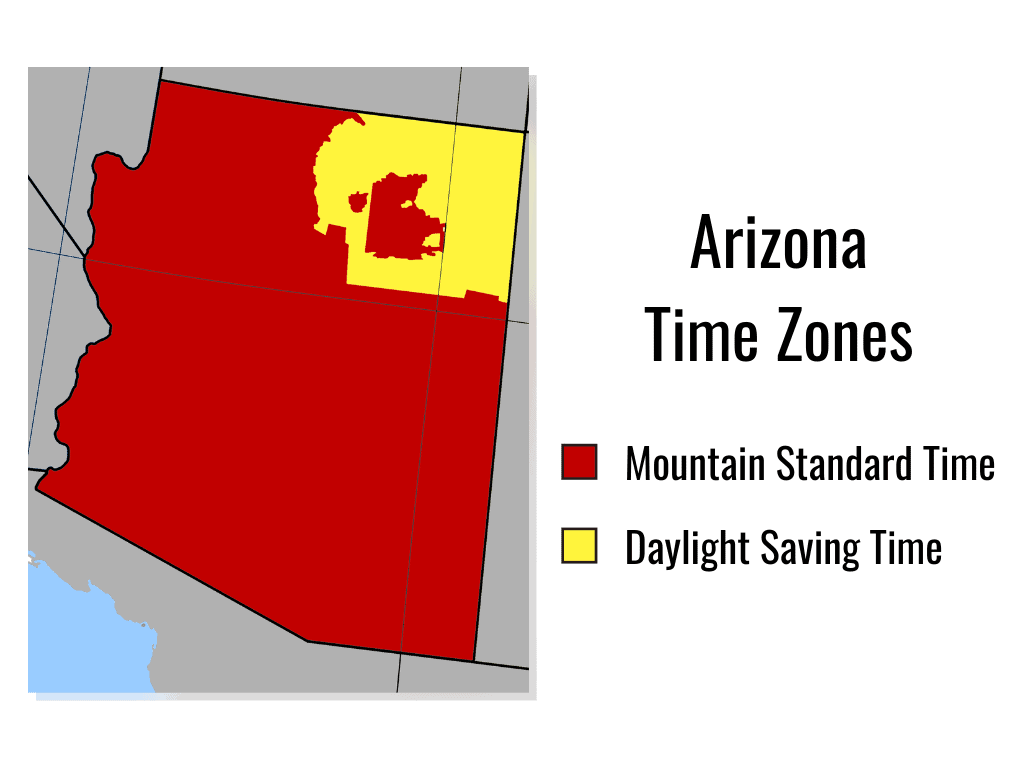
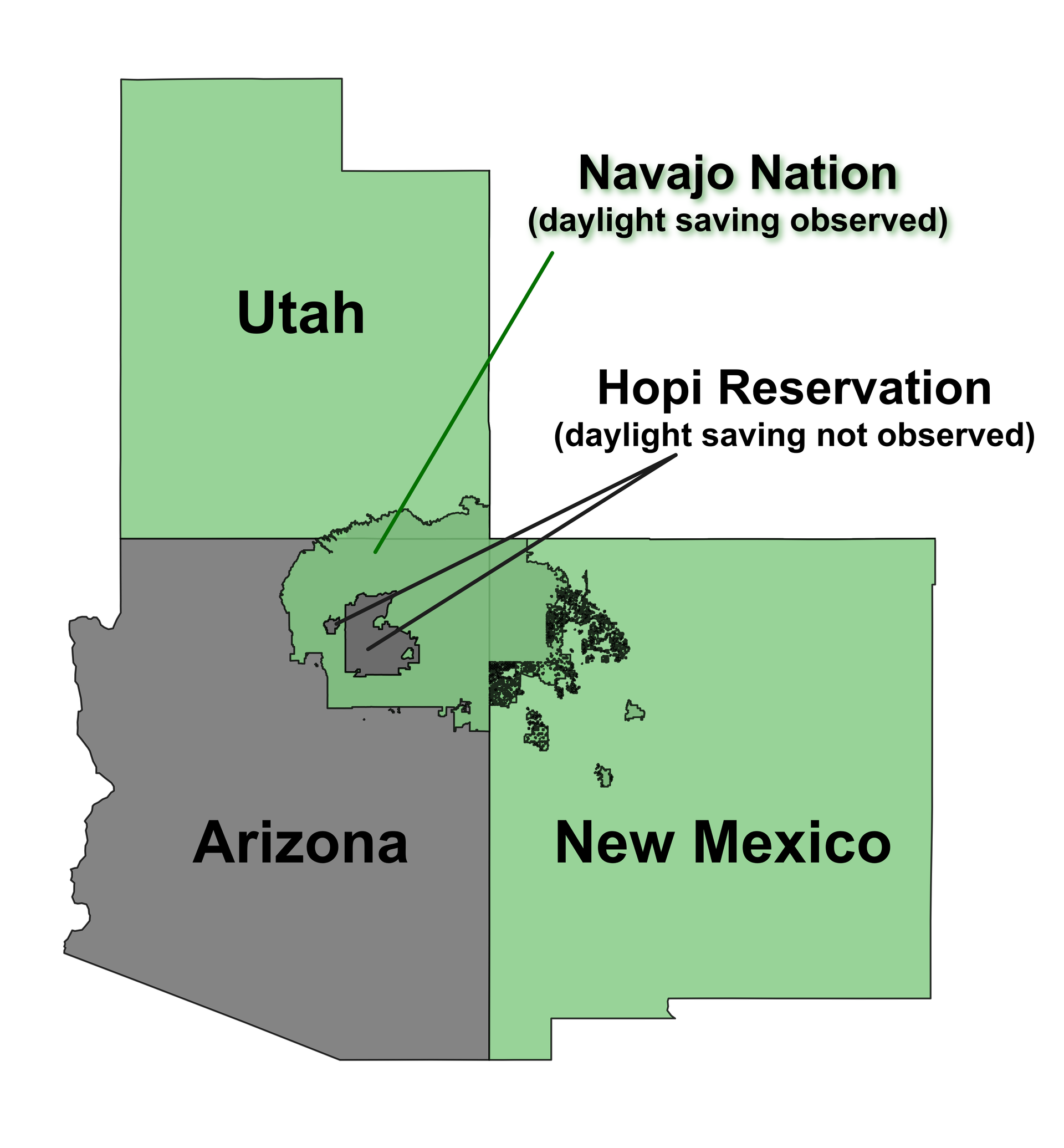
Adding another layer of complexity to Arizona’s time zone landscape is the Navajo Nation. This sovereign nation, with significant portions located within Arizona’s borders, observes Daylight Saving Time. This means that from March to November, when the rest of Arizona remains on MST, the Navajo Nation springs forward to Mountain Daylight Time (MDT).
For example, if it’s 2:00 PM in Phoenix (MST) during the summer, it will be 3:00 PM in Monument Valley, which is part of the Navajo Nation. This distinction is critically important for travelers visiting iconic destinations like Antelope Canyon, Horseshoe Bend, or Canyon de Chelly, all of which are located within the Navajo Nation. Tour departure times, restaurant reservations, and even simple errands will operate on a different clock.
The neighboring Hopi Reservation, which is entirely surrounded by the Navajo Nation but is not part of it, adheres to Arizona’s no-DST rule. This creates a fascinating “time donut” where you might drive from MST (Arizona), into MDT (Navajo Nation), and then back into MST (Hopi Reservation), only to re-enter MDT (Navajo Nation) again. While this is less common for typical tourist routes, it exemplifies the need for awareness when traversing tribal lands.
A Brief History of Arizona’s Time Zone Choice
Arizona’s decision to opt out of Daylight Saving Time dates back to 1968. Prior to this, the state had experimented with DST but found it largely unpopular. The intense summer heat played a significant role in this sentiment. Extending daylight hours into the late evening meant that already scorching temperatures would persist for longer, making outdoor activities uncomfortable and increasing the demand for electricity to power air conditioning. Farmers also found DST disruptive, preferring to start their work earlier in the cooler morning hours.
After much deliberation, the state legislature passed a bill exempting Arizona from observing Daylight Saving Time, with the exception of the Navajo Nation, which chose to continue observing it due to its multi-state presence (spanning parts of Arizona, New Mexico, and Utah) and the need to synchronize with its communities outside Arizona. This historical context highlights how deeply rooted this time difference is in the state’s lifestyle, climate, and local culture, making it a distinctive aspect of travel within Arizona.
How Arizona’s Time Zone Impacts Your Travel Plans
Navigating Arizona’s unique time zone requires a bit of foresight, but with proper planning, it won’t detract from your vacation experience. Understanding how it affects everything from flight schedules to dinner reservations is crucial for a smooth and stress-free trip.
Planning Flights and Itineraries
When booking flights to Phoenix Sky Harbor International Airport, Tucson International Airport, or other regional hubs like Flagstaff Pulliam Airport, it’s essential to remember that all times will be listed in local Arizona time. If you’re flying in from a state that observes Daylight Saving Time during the summer months, your departure time in your home state might be an hour later than you expect when converting to Arizona time. Conversely, if you’re traveling during the winter, your departure time might feel an hour earlier. Always double-check arrival and departure times against your originating time zone, especially if you have tight connections.
For example, if you’re flying from Denver (MDT) to Phoenix (MST) in July, a 10:00 AM departure from Denver will mean a 10:00 AM arrival in Phoenix, as you’ll effectively “lose” an hour during the flight due to the time zone difference. If flying from Los Angeles (PDT) to Phoenix (MST) in July, a 10:00 AM departure will mean an 11:00 AM arrival, as both cities are on the same time.
It’s also important to consider the time difference when scheduling tours, particularly those to popular destinations like the Grand Canyon, Sedona vortex tours, or outdoor adventures in Saguaro National Park. Tour operators in Arizona will always state times in local MST. If you’re traveling from a region observing DST, you might need to adjust your internal clock by an hour to ensure you’re punctual.
Hotel Check-ins and Reservations
Hotel and accommodation bookings, whether for luxury resorts like The Phoenician or Enchantment Resort, boutique hotels such as Hotel Valley Ho, or even long-term apartment rentals in Scottsdale or Mesa, will always operate on Arizona’s MST. This means check-in and check-out times, spa appointments, and dinner reservations are all set according to the state’s consistent clock.
If you’re arriving from a time zone that’s an hour ahead of Arizona (e.g., Mountain Daylight Time in summer), you might find yourself arriving an “hour early” by your body clock, allowing for a potentially relaxed check-in. Conversely, if you’re coming from a region that’s an hour behind (e.g., Pacific Standard Time in winter), you’ll effectively lose an hour upon arrival, which could make an early check-in or pre-booked activity feel rushed.
Always confirm your booking details, especially if you have specific arrival or departure requests. Most booking platforms display times in local Arizona time, but a quick cross-reference with your home time zone can prevent any misunderstandings or missed appointments.
Experiencing Attractions and Activities
The operating hours for attractions, museums, national parks like Petrified Forest National Park, and dining establishments across Arizona will strictly adhere to MST. This is particularly important for timed entry permits, guided tours, and sunset experiences. For instance, if you’ve booked a sunset photography tour at Horseshoe Bend during the summer, and you’re coming from outside the Navajo Nation, the tour will operate on Arizona’s MST, meaning the actual local sunset will feel “earlier” than you might be used to if you’re from a DST-observing area.
For activities within the Navajo Nation, such as tours of Antelope Canyon or visits to Monument Valley, remember that they observe Daylight Saving Time. So, during summer, their clocks will be one hour ahead of the rest of Arizona. A tour advertised for 9:00 AM on the Navajo Nation will actually correspond to 8:00 AM in Phoenix or Flagstaff. Failing to account for this can lead to missed tours and significant disappointment, especially for popular, pre-booked experiences. Confirming with local tour operators about their specific time zone policy (MST or MDT for Navajo Nation) is always the safest bet.
Navigating Time Across Arizona’s Borders and Beyond
Arizona’s unique time status becomes particularly evident when crossing state lines or connecting with friends and family in other parts of the world. A clear understanding of these differences can save you from missed calls, late arrivals, or confusing itineraries.
Traveling from California, Nevada, and Utah
Arizona’s most frequent temporal dance partner is California and Nevada. During the summer months, when California and Nevada are on Pacific Daylight Time (PDT), they share the same time as Arizona’s MST. This means if you’re driving from Las Vegas to Kingman or from San Diego to Yuma, there’s no time change to worry about from March to November. This simplifies border crossings significantly.
However, once Daylight Saving Time ends in early November, California and Nevada revert to Pacific Standard Time (PST), which is one hour behind Arizona’s MST. So, during winter, if it’s 12:00 PM in Phoenix, it will be 11:00 AM in Las Vegas. This hour difference continues until DST begins again the following March.
For Utah, the situation is reversed. During the summer, Utah observes Mountain Daylight Time (MDT), making it one hour ahead of Arizona MST. If you’re visiting the north rim of the Grand Canyon or crossing into Arizona from St. George or Salt Lake City, you’ll gain an hour upon entering Arizona. In winter, when Utah reverts to Mountain Standard Time (MST), it shares the same time with Arizona.
These fluctuations are critical for road trips that involve crossing multiple state lines, especially if you have reservations for resorts like the JW Marriott Desert Ridge Resort & Spa or a tee time at a Scottsdale golf course. Always be mindful of the month and which states observe DST when planning travel near Arizona’s borders.
Coordinated Universal Time (UTC) and International Travelers
For international travelers, or those trying to coordinate business stays and calls with colleagues overseas, Arizona’s consistent MST provides a stable reference point. Mountain Standard Time is UTC-7. This means it is 7 hours behind Coordinated Universal Time (UTC) year-round.
This consistent offset can simplify scheduling virtual meetings or international calls, as you don’t have to account for an extra hour shift during the summer months. For example, if you’re scheduling a business call with someone in London (which observes British Summer Time, UTC+1, during summer), the time difference will consistently be 8 hours (UTC+1 minus UTC-7). This consistency is a small but notable benefit for business travelers or long-term stay visitors who need to maintain global connections while enjoying the luxury travel or unique experiences Arizona offers.
However, always remember that your home country’s observance of Daylight Saving Time will still affect your personal time difference with Arizona. A traveler from Germany, for instance, will experience a different time offset with Arizona during European Summer Time compared to Central European Time. It always pays to use an international time zone converter or rely on modern smartphones which automatically adjust time zones based on location.
Tips for a Seamless Arizona Vacation
Don’t let Arizona’s time quirk deter you. With a few smart strategies, you can effortlessly navigate the time differences and fully immerse yourself in all the attractions, culture, and natural beauty the state has to offer. Whether you’re planning a family trip to Tombstone, a luxury travel escape to Sedona’s red rocks, or a budget travel adventure through the desert, these tips will ensure your schedule stays on track.
Digital Tools and Time Zone Converters
Your smartphone is your best friend when it comes to managing time zones. Most modern phones automatically adjust to the local time zone when you enter a new area, relying on cellular data or Wi-Fi. However, it’s always wise to verify. Check your phone settings to ensure automatic time zone updates are enabled.
Beyond automatic updates, utilize dedicated time zone converter apps or websites before and during your trip. These tools allow you to easily compare Arizona time (and Navajo Nation time, if applicable) with your home time zone or any other region you’re coordinating with. Input your flight details, tour times, and reservation times into your calendar, and explicitly note the time zone for each event. This simple step can prevent significant headaches.
For those planning to venture into the Navajo Nation, consider setting a secondary clock on your phone for that time zone during the summer months. This way, you have a constant visual reference for tours to Antelope Canyon, Monument Valley, or the Skywalk at the Grand Canyon West (operated by the Hualapai Tribe, which also observes DST).
Embracing the Arizona Rhythm
One of the beauties of Arizona’s “no DST” rule is its consistent daily rhythm. While other states are adjusting their clocks, Arizona experiences earlier sunrises and sunsets during summer. Embrace this! It’s a natural invitation to start your day earlier, perhaps with a stunning desert sunrise hike or an early morning round of golf before the heat sets in.
Many outdoor activities and popular attractions, particularly those involving nature, are often best enjoyed in the cooler morning hours or at sunset. By aligning your schedule with Arizona’s natural light cycle, you’ll maximize your comfort and enjoyment. Early mornings are perfect for exploring Saguaro National Park, hiking the Red Rocks of Sedona, or visiting the Hoover Dam before the crowds gather. Later afternoons can be dedicated to indoor attractions, shopping, or relaxing by the pool at a resort like Arizona Biltmore or Wigwam Resort, before venturing out again for an evening stroll as the sun dips below the horizon, painting the sky in fiery hues.
Essential Packing and Preparation
Beyond time zone management, a successful Arizona trip involves smart packing and general preparedness. Given the intense sun, regardless of the time, always pack sunscreen, a wide-brimmed hat, sunglasses, and reusable water bottles. Hydration is paramount, especially when exploring arid landscapes or engaging in outdoor activities.
Consider the type of accommodation you’ve chosen – a bustling resort, a quiet villa, or an urban apartment. Each offers a different lifestyle experience. Read reviews (a key part of successful accommodation booking) to understand amenities and local access. If you’re planning activities that require specific gear, such as hiking boots for trails near Prescott or kayaks for the Colorado River, ensure you have them or know where to rent them.
Finally, communicate your travel plans clearly with anyone you’re meeting in Arizona or outside the state. A simple reminder about the time difference can prevent misunderstandings. By being prepared for Arizona’s unique temporal rhythm, you unlock a smoother, more enjoyable travel experience.
In conclusion, while Arizona’s time difference might seem like a quirky anomaly at first, it’s an integral part of the state’s identity and climate-adapted lifestyle. By understanding that Arizona largely stays on Mountain Standard Time year-round, with the significant exception of the Navajo Nation, you gain the knowledge needed to plan your journey with precision. From coordinating flights and hotel check-ins to maximizing your time at world-famous landmarks like Grand Canyon Village and hidden gems alike, a little temporal awareness goes a long way. Embrace the unique pace of the Grand Canyon State, set your watches accordingly, and prepare for an adventure perfectly timed to its stunning beauty.