
Planning a trip to New York is an exhilarating prospect, whether you’re dreaming of dazzling Broadway shows, iconic landmarks, or world-class dining. However, one crucial element often overlooked in the initial excitement is understanding the time difference. For travelers arriving from afar, grappling with time zones isn’t merely about setting your watch; it’s about optimizing your itinerary, managing jet lag, and truly immersing yourself in the rhythm of the city. This comprehensive guide will demystify New York’s time zone, offer practical advice for navigating international travel, and help you make the most of every precious moment in the Big Apple.
Understanding New York’s Time Zone: EST and EDT
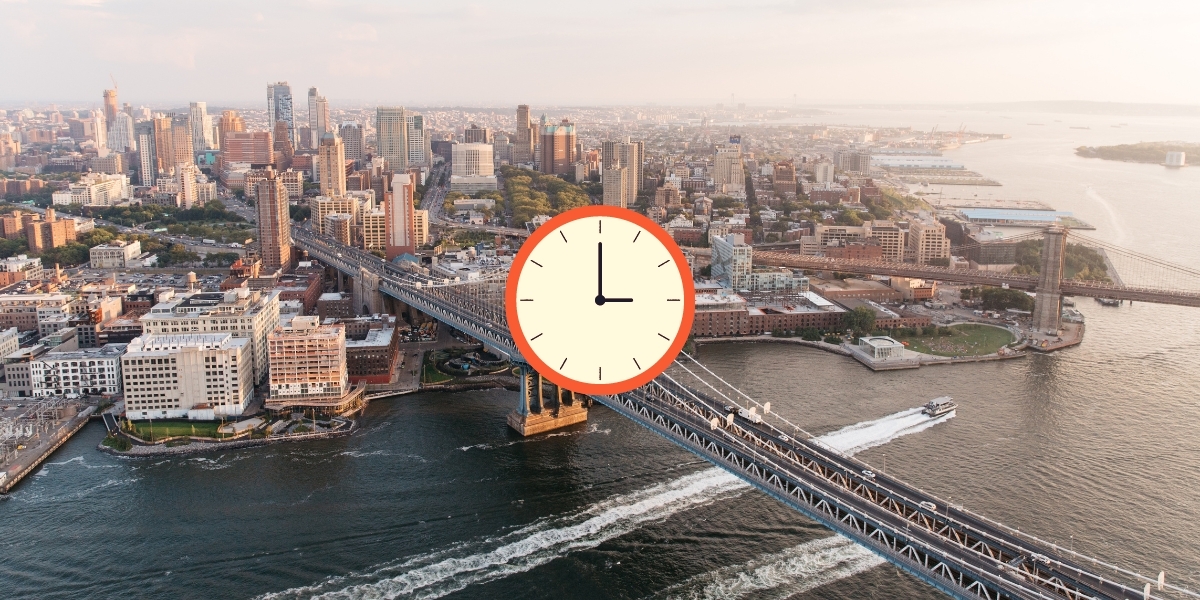
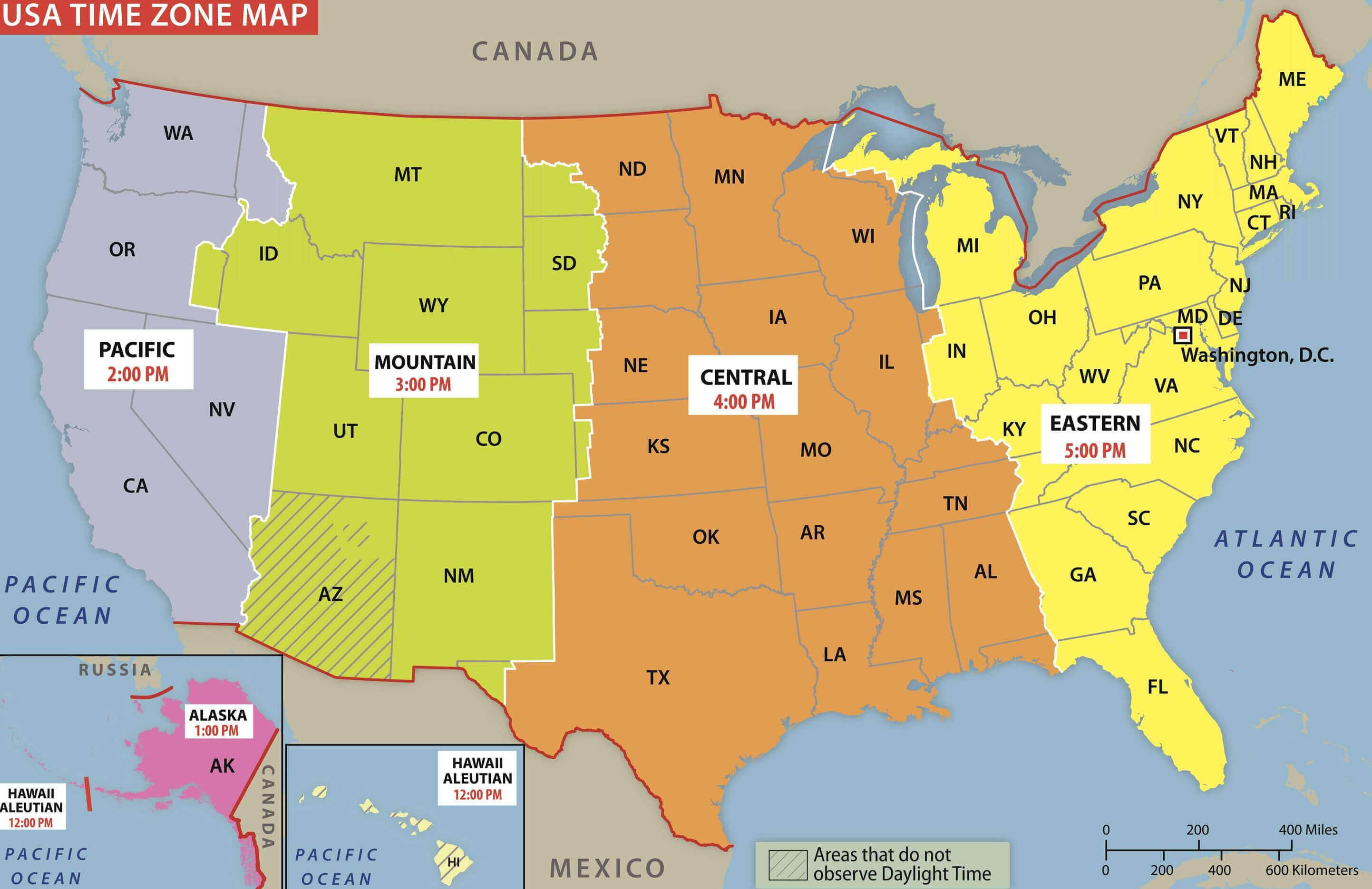
New York operates within the Eastern Time Zone (ET), a standard observed across a significant portion of the eastern United States and Canada. Like many regions, New York observes Daylight Saving Time, which means its exact offset from Coordinated Universal Time (UTC) changes throughout the year.
Eastern Standard Time (EST)
During the colder months, roughly from early November to mid-March, New York adheres to Eastern Standard Time (EST). This means the time in New York is 5 hours behind UTC. So, if it’s 12:00 PM (UTC), it’s 7:00 AM in New York. EST is also 5 hours behind Greenwich Mean Time (GMT), which is often used interchangeably with UTC for practical purposes.
Eastern Daylight Time (EDT)
When spring arrives, typically in mid-March, New York springs forward by one hour to observe Eastern Daylight Time (EDT). This shift means New York is now 4 hours behind UTC. If UTC is 12:00 PM, then New York City is 8:00 AM. This practice maximizes daylight in the evenings during the longer days of spring, summer, and early autumn, allowing for more outdoor activities and extended tourism hours. EDT remains in effect until early November when clocks fall back to EST again.
Why This Matters for Travelers
Knowing whether New York is on EST or EDT is crucial for:
- Flight Schedules: All flight times will be local, so understanding the shift is vital for international arrivals and departures.
- Hotel Check-ins/Check-outs: Missing a check-in time or being late for check-out due to a time zone miscalculation can lead to unnecessary stress or fees.
- Booking Tours and Attractions: Many popular sites, like the Empire State Building or Metropolitan Museum of Art, operate on strict schedules.
- Communicating with Home: Keeping track of the time difference ensures you don’t call loved ones in the middle of the night.
Navigating Time Differences for Your New York Trip
Traveling across multiple time zones can be daunting, but with a little preparation, you can minimize disruption and maximize your enjoyment of New York.
Comparing New York to Major Global Cities
To provide a clearer picture, here are some common time differences between New York and various international hubs during EDT (when New York is UTC-4):
- London, UK (GMT/UTC+1 during DST): New York is 5 hours behind London. If it’s 3:00 PM in London, it’s 10:00 AM in New York.
- Paris, France (GMT/UTC+2 during DST): New York is 6 hours behind Paris. If it’s 3:00 PM in Paris, it’s 9:00 AM in New York.
- Tokyo, Japan (GMT/UTC+9): New York is 13 hours behind Tokyo. If it’s 3:00 PM in Tokyo, it’s 2:00 AM in New York (the same day).
- Sydney, Australia (GMT/UTC+10 or +11 during DST): The difference can be 14-15 hours, depending on Daylight Saving Time in both locations. If it’s 3:00 PM in Sydney, it could be 1:00 AM (or 12:00 AM) in New York on the same day.
For domestic travelers within the United States:
- Los Angeles (Pacific Time, UTC-7 during DST): New York is 3 hours ahead of Los Angeles. If it’s 10:00 AM in Los Angeles, it’s 1:00 PM in New York.
- Chicago (Central Time, UTC-5 during DST): New York is 1 hour ahead of Chicago. If it’s 10:00 AM in Chicago, it’s 11:00 AM in New York.
- Miami (Eastern Time, UTC-4 during DST): Miami is in the same time zone as New York.
Always double-check the current time for both locations using a reliable online source before your trip, especially around the Daylight Saving Time changes in March and November.
Planning Your Arrival and Departure
Consider the time difference when booking your flights, especially if you’re coming from a distant time zone.
- International Arrivals:
- Overnight flights: Often allow you to sleep on the plane, waking up closer to New York morning, which can help with immediate adjustment.
- Mid-day arrivals: Give you an afternoon to settle in, explore your hotel, and get some fresh air before an early night.
- Hotel Bookings: If you arrive extremely early in the morning after an overnight international flight, consider booking your hotel for the night before your actual arrival date. This guarantees you immediate access to your room for rest and refresh, avoiding the wait until standard check-in times, typically 3:00 PM or 4:00 PM. Many luxury hotels, such as The Plaza Hotel or St. Regis New York, might offer early check-in as a perk for certain room categories or loyalty members, but it’s never guaranteed without prior arrangement.
- Departure Strategy: For late departures, inquire about late check-out options or luggage storage services at your accommodation. This allows you to enjoy your final day exploring without lugging bags around. Many accommodations, from upscale resorts like Four Seasons Hotel New York Downtown to boutique hotels like W Hotel Union Square, are adept at assisting travelers with these needs.
Beating Jet Lag: Strategies for a Seamless New York Experience
Jet lag is the unwelcome companion of long-haul travel, potentially dampening your initial days in New York. It results from your body’s internal clock (circadian rhythm) being out of sync with the new time zone. The good news is, you can fight back!

Pre-Trip Adjustment
- Gradual Shift: A few days before your flight, start gradually shifting your sleep schedule towards New York time. If flying east, go to bed an hour earlier each night; if flying west, an hour later.
- Hydration: Start hydrating well before your flight and continue throughout. Dehydration exacerbates jet lag symptoms.
- Light Meals: Eat lighter meals in the days leading up to travel to prepare your digestive system for changes.
During Your Flight
- Set Your Watch: As soon as you board, set your watch to New York time. Start mentally operating on that schedule.
- Stay Hydrated: Drink plenty of water and avoid excessive alcohol and caffeine, which can disrupt sleep and hydration.
- Movement: Get up and move around the cabin periodically to promote circulation.
- Sleep Strategically: Try to sleep on the plane if it aligns with nighttime in New York. Use eye masks, earplugs, and neck pillows to create a conducive environment.
Upon Arrival in New York
- Embrace Daylight: Exposure to natural light is your best friend. Even if you’re exhausted, try to get outside and explore. Head to Central Park for a stroll or walk across the Brooklyn Bridge.
- Resist Naps (Initially): If you arrive in the morning or early afternoon, resist the urge for a long nap. A short power nap (20-30 minutes) might be okay, but sleeping for hours will make it harder to sleep at night.
- Adopt Local Schedule: Eat meals at local times, even if you’re not hungry. This helps reset your body’s internal clock.
- Stay Active: Gentle activity like walking helps; avoid strenuous exercise immediately. Explore Times Square or wander through Greenwich Village.
- Melatonin: Some travelers find small doses of melatonin helpful for initiating sleep during the first few nights. Consult a doctor before use.
- Choose the Right Accommodation: Some hotels cater specifically to traveler well-being. Look for amenities like blackout curtains, soundproofing, 24-hour room service (for adjusting meal times), or even in-room fitness equipment at properties like Moxy Times Square or Equinox Hotel Hudson Yards.
Maximizing Your New York Schedule: Day and Night
Understanding New York’s time allows you to craft an itinerary that makes the most of your visit, from early morning explorations to late-night adventures.
Early Bird Activities
If you wake up early due to time zone differences, embrace it! New York offers incredible experiences before the crowds descend.
- Sunrise Views: Catch the sunrise over the city from the Brooklyn Bridge or the High Line.
- Quiet Moments at Landmarks: Visit popular spots like the Statue of Liberty ferry (or the actual island if tickets allow), the 9/11 Memorial & Museum, or the Grand Central Terminal before the rush. You’ll enjoy a more serene experience and better photo opportunities.
- Breakfast Culture: Dive into New York’s legendary breakfast scene. Grab a bagel from a local deli or enjoy brunch at a trendy spot in SoHo or West Village.
Afternoon & Evening Delights
Evenings in New York truly come alive, especially during EDT when daylight lingers.
- Sunset Spectacles: Head to the Summit One Vanderbilt or One World Observatory for breathtaking sunset views transforming into city lights.
- World-Class Entertainment: Catch a Broadway show, enjoy live music in Greenwich Village, or experience a performance at Carnegie Hall.
- Dining and Nightlife: New York boasts an unparalleled culinary scene. From Michelin-starred restaurants to casual eateries, and vibrant rooftop bars to speakeasies, the city offers endless choices for evening entertainment.
- Times Square at Night: While touristy, the sheer energy and dazzling lights of Times Square at night are an experience everyone should have at least once.
The Impact of Daylight Saving Time on Your Itinerary
When Daylight Saving Time kicks in (or ends), it can significantly alter your perception of the day. During EDT, those extra hours of daylight in the evening are perfect for:
- Extended Sightseeing: More time to explore outdoor attractions like the Statue of Liberty or the High Line without rushing.
- Al Fresco Dining: Enjoying dinners and drinks on outdoor patios and rooftops.
- Evening Strolls: Longer, brighter evenings make for pleasant walks through neighborhoods like West Village or Dumbo.
Conversely, when EST returns, evenings become darker earlier, prompting a shift towards indoor activities and earlier dinner reservations.
Choosing Your Accommodation: Time-Savvy Stays in New York
Your choice of accommodation can significantly influence how well you manage time differences and jet lag, ensuring a comfortable and rejuvenating stay.
Key Considerations for Time Zone Adjustment
- Location and Accessibility: Staying centrally located, near major transportation hubs like Grand Central Terminal or Penn Station, can save precious time commuting, allowing for more rest or exploration. Areas like Midtown or Theater District offer proximity to many attractions.
- Soundproofing and Blackout Curtains: Essential for quality sleep, especially if you’re battling jet lag. Hotels in bustling areas like Times Square should prioritize these features. Many luxury hotels, even budget-friendly but smart options like Arlo SoHo, understand the importance of a good night’s sleep for travelers.
- 24-Hour Amenities: Access to 24-hour room service, a gym, or concierge services can be invaluable when your internal clock is off. Whether you need a midnight snack or an early morning workout to reset, these amenities provide flexibility. The Peninsula New York or Ritz-Carlton New York, Central Park are examples of establishments known for their comprehensive services.
- Comfort and Style: A comfortable bed, a relaxing atmosphere, and thoughtful amenities contribute to better rest. Boutique hotels often excel in creating a serene environment.
- Airport Proximity for Convenience: For very short trips or early morning flights, staying near John F. Kennedy International Airport, LaGuardia Airport, or Newark Liberty International Airport can minimize travel stress, though it sacrifices downtown convenience. There are excellent airport hotels that offer comfortable transitions.
Lifestyle-Tailored Accommodations
- Luxury Travel: For those seeking an indulgent experience, hotels like The St. Regis New York or The Carlyle, A Rosewood Hotel offer unparalleled service, tranquil rooms, and often spas that can help with relaxation and jet lag recovery. Their concierges can also help plan activities around your adjusted schedule.
- Budget Travel: Even on a budget, look for hotels that prioritize basic comforts like good beds and quiet rooms. Many modern boutique hotels like citizenM New York Times Square offer compact but well-designed rooms with excellent soundproofing.
- Family Trips: Apartments or suites can provide more space and separate sleeping areas, which are beneficial when children’s sleep schedules are disrupted. Properties like AKA Central Park offer apartment-style living with hotel amenities.
- Business Stays: Business travelers often need to hit the ground running. Hotels with reliable Wi-Fi, business centers, and good connectivity to the financial district (Wall Street) or Midtown are key. A hotel with a strong fitness center can also help manage jet lag.
Understanding the time difference in New York is far more than a simple calculation; it’s a foundational aspect of successful travel planning. By recognizing whether the city is on EST or EDT, strategically planning your arrival, and employing effective jet lag remedies, you can ensure your visit is filled with energy, exploration, and unforgettable memories. From the moment you touch down at John F. Kennedy International Airport to your final New Year’s Eve celebration in Times Square, mastering New York’s time will allow you to live life out of the box and fully embrace every beat of this magnificent city.
LifeOutOfTheBox is a participant in the Amazon Services LLC Associates Program, an affiliate advertising program designed to provide a means for sites to earn advertising fees by advertising and linking to Amazon.com. Amazon, the Amazon logo, AmazonSupply, and the AmazonSupply logo are trademarks of Amazon.com, Inc. or its affiliates. As an Amazon Associate we earn affiliate commissions from qualifying purchases.