
Embarking on a journey to Seattle, the Emerald City, promises an unforgettable blend of urban sophistication and breathtaking natural beauty. From the iconic Space Needle piercing the skyline to the vibrant bustle of Pike Place Market, Seattle offers a rich tapestry of experiences. However, for any traveler, especially those venturing from afar, one of the first and most crucial considerations is understanding the local time difference. A seemingly simple detail, the time difference can profoundly impact everything from flight planning and booking accommodations to managing jet lag and maximizing your exploration of this captivating destination.
Understanding Seattle’s time zone is the foundation for a seamless trip. It enables you to communicate effectively with those back home, schedule business calls without awkward late-night interruptions, and most importantly, allow your body to adjust to local rhythms, ensuring you’re refreshed and ready to immerse yourself in the city’s unique charm. Whether you’re a seasoned globetrotter or planning your first major adventure, deciphering the clocks is the first step toward a truly rewarding Seattle experience. This comprehensive guide will not only clarify Seattle’s time difference but also equip you with practical strategies to mitigate its effects, ensuring your travel, accommodation, and tourism experiences are nothing short of spectacular.
Unraveling Seattle’s Time Zone: Pacific Standard Time (PST) and Pacific Daylight Time (PDT)
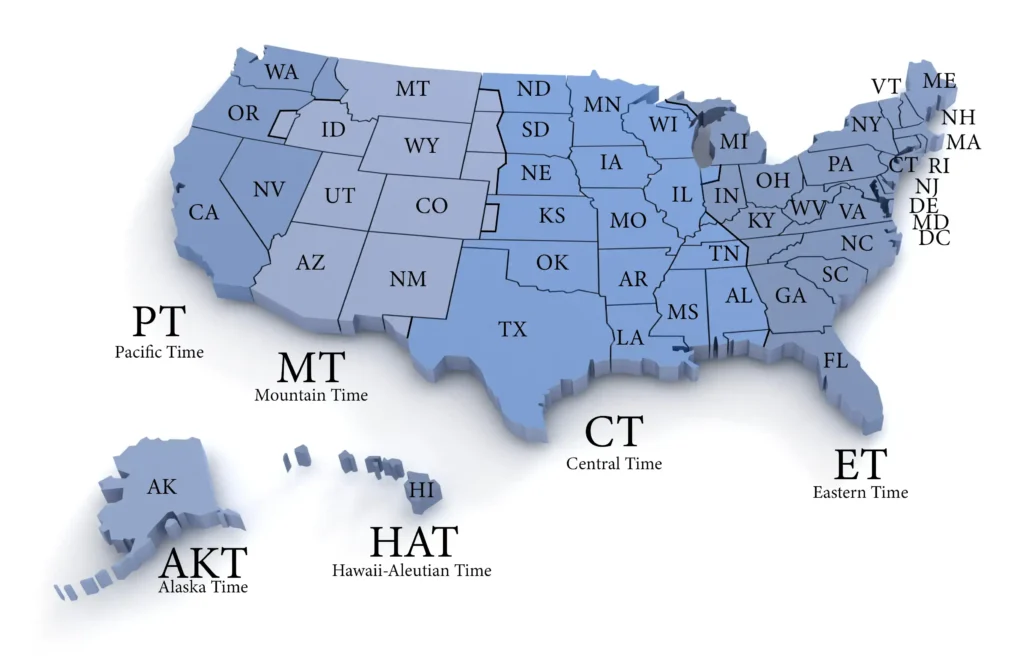
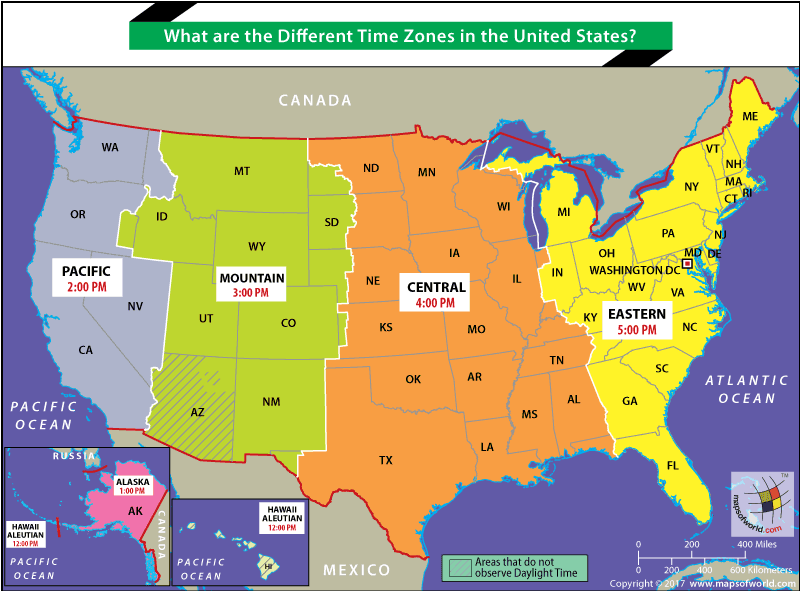
At the heart of understanding the time in Seattle lies its position within the Pacific Time Zone, a crucial detail for anyone planning a visit to this West Coast metropolis in the United States. This zone operates under two distinct identities throughout the year: Pacific Standard Time (PST) and Pacific Daylight Time (PDT), a transition dictated by the observance of Daylight Saving Time.
The Basics: PST vs. PDT
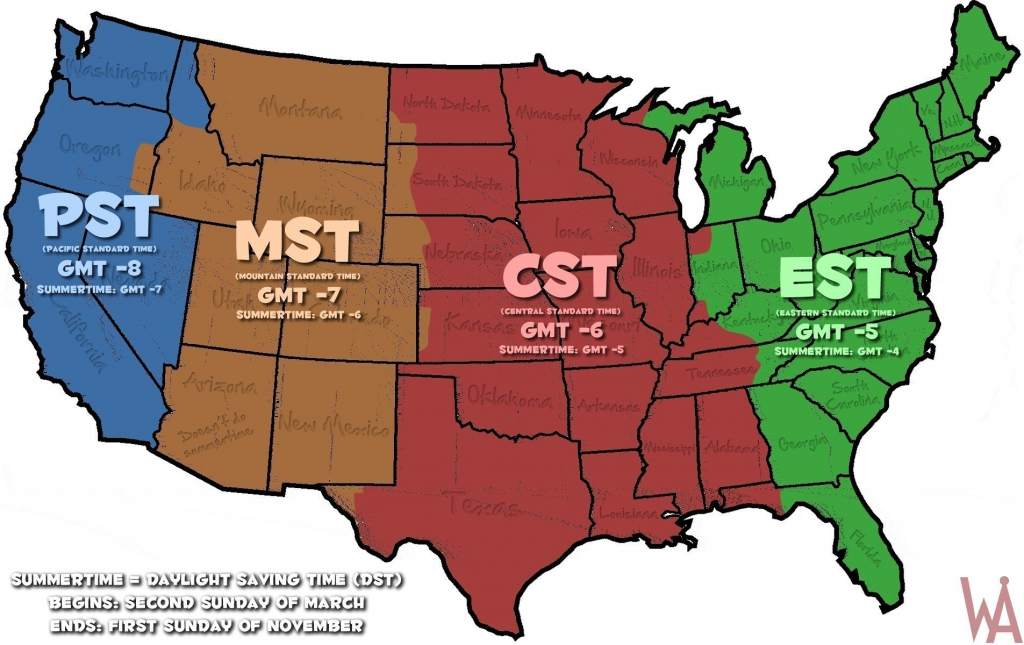
Pacific Standard Time (PST) is the official time during the winter months, from early November to mid-March. During this period, Seattle observes a time that is eight hours behind Coordinated Universal Time (UTC) – expressed as UTC-8. This means when it’s midnight [UTC], it’s 4 PM the previous day in Seattle.
However, as spring approaches, Seattle, like much of the United States, springs forward into Pacific Daylight Time (PDT). This transition typically occurs on the second Sunday in March, when clocks are advanced by one hour. [PDT] then becomes seven hours behind UTC, effectively pushing sunsets later into the evening and maximizing daylight hours for tourism and local activities. The shift back to [PST] occurs on the first Sunday in November, when clocks fall back by one hour. This annual adjustment is a significant factor to consider for travelers, as it can affect arrival times, hotel check-ins, and the scheduling of landmark visits. Knowing whether your trip falls within [PST] or [PDT] is crucial for accurate planning.
Comparing Seattle’s Time with Major Global Hubs
To truly grasp the time difference in Seattle, it’s beneficial to compare it with major global cities. This comparison highlights the potential for jet lag and informs better travel strategies, especially for international visitors.
- New York (Eastern Standard Time/Eastern Daylight Time): New York is three hours ahead of Seattle. When it’s 9 AM in Seattle ([PST/PDT]), it’s 12 PM in New York (EST/EDT). This relatively small difference makes domestic travel from the East Coast manageable, though a slight adjustment is still needed.
- London (Greenwich Mean Time/British Summer Time): London is typically eight hours ahead of Seattle during [PST] (e.g., 9 AM [PST] in Seattle is 5 PM GMT in London) and seven hours ahead during [PDT] (when London observes BST, also UTC+1). This significant eastward shift often results in noticeable jet lag for travelers.
- Paris (Central European Time/Central European Summer Time): Paris operates one hour ahead of London, making it nine hours ahead of Seattle during [PST] and eight hours during [PDT] (CET/CEST is UTC+1/UTC+2). The time difference is substantial and requires careful preparation for both arrival and departure.
- Dubai (Gulf Standard Time): Dubai maintains Gulf Standard Time (GST), which is UTC+4. This puts Dubai a significant 12 hours ahead of Seattle during [PST] and 11 hours during [PDT]. This is one of the more challenging time differences to adjust to due to the extreme shift.
- Tokyo (Japan Standard Time): Tokyo observes Japan Standard Time (JST), which is UTC+9. This means Tokyo is a full 17 hours ahead of Seattle during [PST] and 16 hours during [PDT]. Traveling from Tokyo to Seattle involves effectively traveling back in time by almost a full day, demanding considerable physiological adjustment.
- Sydney (Australian Eastern Standard Time/Australian Eastern Daylight Time): Sydney, Australia, follows Australian Eastern Standard Time (AEST) (UTC+10) and Australian Eastern Daylight Time (AEDT) (UTC+11). Due to the International Date Line and differing seasons for Daylight Saving Time, Sydney can be anywhere from 17 to 19 hours ahead of Seattle. This is another significant time jump that warrants careful pre-trip planning.
These comparisons highlight the challenges and underscore the importance of understanding not just the hours difference, but also the direction of travel (eastward vs. westward) and the implications for jet lag and recovery.
Navigating the Impact of Time Differences on Your Seattle Journey
The time difference isn’t merely a numerical fact; it’s a dynamic variable that shapes the entire travel experience. From the initial stages of booking flights to the moment you settle into your Seattle accommodation, understanding its influence is paramount for a smooth and enjoyable trip.
Pre-Trip Planning and Flight Logistics
Before you even board your flight, the time difference to Seattle should be a central consideration in your pre-trip planning. When browsing flight options, pay close attention not just to the duration of the flight, but also to the local arrival time. An overnight flight arriving at 6 AM Seattle time might sound appealing for maximizing your first day, but if you’re coming from a time zone many hours ahead, that 6 AM arrival could feel like the middle of the night to your body, setting you up for severe jet lag. Conversely, a flight that lands in the late afternoon or early evening might allow you to have a light dinner and go straight to bed, aligning faster with local time.
Consider also the implications for layovers, especially if they are in different time zones. A long layover in a city with a time zone distinct from both your origin and destination can further confuse your internal clock. Business travelers must be particularly astute in scheduling virtual meetings or calls with colleagues back home, ensuring they don’t inadvertently book a 3 AM call Seattle time or miss a crucial meeting because of miscalculated time zones. Adjusting your internal clock gradually a few days before departure, by shifting your sleep schedule by an hour or two each day, can be an effective proactive measure.
Jet Lag: Symptoms and Science
Jet lag, or desynchronosis, is the physiological condition resulting from alterations to the body’s circadian rhythm caused by rapid long-distance trans-meridian travel. When you cross multiple time zones, your internal biological clock, which regulates sleep, digestion, and hormone release, remains aligned with your original time zone, while your new environment demands a different schedule. This mismatch is the essence of jet lag.
Common symptoms can range from mild annoyance to significant discomfort, including:
- Fatigue and Drowsiness: Especially during daylight hours when your body expects to be asleep.
- Insomnia: Difficulty falling or staying asleep at night in the new time zone.
- Digestive Issues: Nausea, constipation, or diarrhea due to disruptions in eating patterns.
- Headaches and Malaise: A general feeling of being unwell.
- Irritability and Difficulty Concentrating: Cognitive functions can be impaired.
The severity of jet lag is generally proportional to the number of time zones crossed, and traveling eastward is often perceived as more challenging than westward. This is because flying east effectively shortens your day, requiring you to go to bed earlier relative to your internal clock, a more difficult adjustment for the body than extending the day by flying west. A trip to Seattle from Europe or Asia will undoubtedly involve battling jet lag, making pre-planning and in-transit strategies vital.
Optimizing Your Arrival and First Few Days
The moments immediately following your arrival in Seattle are critical for successful time zone adjustment. Your primary goal should be to quickly synchronize your body with local time. Upon landing, immediately set your watch to Seattle’s time. As much as possible, try to stay awake until the local evening and expose yourself to natural light during the day, which helps reset your circadian rhythm. Hydration is key; drink plenty of water and avoid excessive caffeine or alcohol, which can exacerbate dehydration and disrupt sleep.
When it comes to accommodation, selecting a hotel or apartment that supports jet lag recovery can make a significant difference. Many Seattle hotels offer amenities like 24/7 room service, ensuring you can eat when your body demands it, regardless of the local clock. Look for rooms with excellent soundproofing and blackout curtains, crucial for ensuring uninterrupted sleep even if your body feels like it’s the middle of the day. Some luxury hotels might even offer dedicated jet lag recovery packages or spa treatments designed to soothe travel-weary bodies. If your flight arrives early, inquire about early check-in options or consider booking the room for an extra night prior to arrival to guarantee immediate access and a space to rest. For your first few days, plan a relaxed itinerary that includes light exploration and avoids overly strenuous activities or early morning commitments, giving yourself grace to adjust.
Enhancing Your Seattle Experience Despite Time Zone Shifts
Beyond simply coping with time differences, strategic planning allows you to not only mitigate the challenges but also enrich your overall Seattle experience. This involves thoughtful itinerary design and leveraging your accommodation choices to your advantage.
Strategic Itinerary Planning for Iconic Seattle Landmarks
Seattle is brimming with iconic landmarks and attractions, each offering a unique glimpse into the city’s character. When planning your visits, consider your body’s adjusted (or adjusting) clock. In your first few days, morning activities might be challenging if you’re arriving from the east, as your body might still think it’s the middle of the night. Conversely, late evenings might be when you feel most awake.
- Pike Place Market: This bustling market opens early. While the initial hours can be less crowded, it might be an ambitious start if you’re struggling with jet lag. Consider a late morning visit instead, allowing yourself to ease into the day.
- Space Needle and Chihuly Garden and Glass: These popular attractions near Seattle Center often have long lines. Booking timed tickets in advance, perhaps for a mid-afternoon slot, can help you avoid peak crowds and align better with your energy levels. Visiting in the late afternoon also allows you to enjoy the sunset from the Space Needle’s observation deck.
- Museum of Pop Culture (MoPOP): An indoor attraction, MoPOP is perfect for a leisurely visit any time of day, offering a fascinating dive into music, sci-fi, and pop culture without demanding too much physical exertion.
- Ferry Rides: A relaxing Washington State Ferry ride to Bainbridge Island or another destination is an excellent way to enjoy the scenery and fresh air without a rigid schedule, providing a gentle way to acclimate.
- Food Tourism: Seattle’s renowned coffee culture is a perfect antidote to morning grogginess. Embrace local cafes, but be mindful of caffeine intake later in the day if you’re trying to sleep. Explore Seattle’s diverse culinary scene, scheduling dinners at times that feel natural to your adjusting body.
By being flexible and intuitive with your itinerary, you can fully enjoy Seattle’s treasures without feeling constantly drained or out of sync.
Accommodation Choices and Their Role in Jet Lag Recovery
The right accommodation in Seattle can be a powerful ally in combating jet lag and making your stay more comfortable. When selecting your hotel, suite, resort, or apartment, consider how its amenities and services can support your adjustment.
- Luxury Travel Options: Establishments like the Four Seasons Hotel Seattle or the Fairmont Olympic Hotel often excel in providing an environment conducive to recovery. They typically feature plush bedding, state-of-the-art soundproofing, blackout blinds, and exceptional room service available round-the-clock. Many offer high-end spas and fitness centers, which can be invaluable for relaxation and light exercise to help recalibrate your body. The personalized service at these luxury resorts means staff are often well-versed in assisting guests with specific requests related to sleep and comfort.
- Mid-Range and Budget-Friendly Choices: Even if traveling on a budget, look for hotels that explicitly mention good sound insulation, comfortable beds, and dark curtains. Many modern hotels, regardless of price point, now understand the importance of a good night’s sleep for travelers. Reviews often highlight these features.
- Apartment and Villa Rentals: For longer stays, especially for families or those seeking a more home-like environment, an apartment or villa rental can be ideal. Having your own kitchen allows you to prepare meals according to your own body’s schedule, rather than relying on restaurant hours. The ability to create a consistent, comfortable routine in your own space can significantly aid in quicker adjustment to the local time. These options often provide more space to relax and unwind, crucial when feeling the effects of long-haul travel.
Regardless of your budget or preferred style, prioritizing sleep-supporting features and considering your unique needs when booking accommodation will undoubtedly enhance your overall experience in Seattle.
Practical Tips and Lifestyle Adjustments for a Seamless Seattle Visit
Successfully navigating the time difference in Seattle extends beyond understanding the clock; it involves a holistic approach to pre-trip preparation, in-trip wellness, and a mindful attitude toward experiencing the city.
Before You Go: Proactive Measures
The journey to a smooth transition into Seattle’s time zone begins long before you pack your bags.
- Gradual Sleep Adjustment: Several days before your departure, try to gradually shift your sleep schedule to align closer with Seattle’s time. If traveling east, go to bed and wake up an hour earlier each day. If traveling west, shift by an hour later. Even small adjustments can make a big difference.
- Set Your Watch Early: As soon as you board your flight, or even the day before, set your watch and all electronic devices to Seattle’s local time. This psychological trick helps you mentally prepare and start thinking in the destination’s time frame.
- Pack Smart: Bring essentials like a comfortable sleep mask and earplugs to block out light and noise, especially if you need to sleep during local daylight hours or on the plane. Comfortable, loose-fitting clothing for the flight will also contribute to a less stressful journey. Consider packing a small, refillable water bottle to ensure consistent hydration.
- Review Your Itinerary: Double-check all booking confirmations (flights, hotels, tours, restaurant reservations) against Seattle’s time. Confirm airport transfer times, ensuring they account for any potential flight delays or time zone confusion.
During Your Stay: Maintaining Wellness
Once you’ve arrived in Seattle, maintaining your physical and mental well-being is crucial for a pleasant and productive trip.
- Hydration and Nutrition: Continue to drink plenty of water throughout your stay. Dehydration can worsen jet lag symptoms. Eat light, healthy meals at local mealtimes, even if you’re not feeling particularly hungry, to help regulate your digestive system.
- Embrace Local Rhythms: Resist the urge to nap for long periods during the day, even if you feel tired. Instead, try to stay active and exposed to natural light. If you must nap, keep it short (20-30 minutes) to avoid falling into deep sleep. Go to bed at a reasonable local time, even if it feels early to your body, and wake up at a consistent hour.
- Utilize Technology: Numerous time zone apps can help you track multiple time zones simultaneously, which is especially useful for staying in touch with home or managing international business calls. Weather apps can also help you plan appropriate clothing for Seattle’s often variable climate.
- Light Exercise: A brisk walk through Discovery Park or along the waterfront can boost energy levels and help your body adjust to the new time. Most hotels also offer fitness centers.
Beyond Time Zones: Enjoying Seattle’s Unique Charm
While time zones are a practical concern, remember that the ultimate goal is to enjoy your Seattle adventure. Don’t let the clock dictate every moment.
- Focus on the Experience: Be flexible with your plans. If you wake up early one day, embrace it and catch a sunrise over Lake Union. If you feel tired in the afternoon, opt for a relaxing activity like exploring the Seattle Public Library or enjoying a coffee in Capitol Hill.
- Explore Neighborhoods: Seattle is a city of distinct neighborhoods. Wander through the quirky shops of Fremont, discover the Nordic heritage in Ballard, or enjoy the vibrant arts scene in Pioneer Square. Each offers unique local culture, food, and activities that transcend strict schedules.
- Consider Day Trips: If you have more time and feel adjusted, venture beyond the city limits. Day trips to stunning natural landmarks like Mount Rainier National Park or the serene Olympic Peninsula offer a magnificent contrast to urban life and can be invigorating.
In conclusion, while the time difference in Seattle (ranging from [PST] [UTC-8] to [PDT] [UTC-7]) presents a logistical challenge, particularly for international travelers, it is one that can be successfully managed with foresight and strategic planning. By understanding the time zone, preparing for jet lag, optimizing your travel and accommodation choices, and embracing Seattle’s local rhythms, you can ensure your visit is not just smooth, but truly unforgettable. So, set your watch, hydrate, and prepare to immerse yourself in the vibrant energy of the Emerald City, where every moment is an opportunity for discovery.
LifeOutOfTheBox is a participant in the Amazon Services LLC Associates Program, an affiliate advertising program designed to provide a means for sites to earn advertising fees by advertising and linking to Amazon.com. Amazon, the Amazon logo, AmazonSupply, and the AmazonSupply logo are trademarks of Amazon.com, Inc. or its affiliates. As an Amazon Associate we earn affiliate commissions from qualifying purchases.