
Planning a trip to the Valley of the Sun, or perhaps scheduling a crucial business call with a client in the Grand Canyon State? Understanding the current time in Phoenix, Arizona, is more nuanced than you might initially think. Unlike most of the United States, Arizona plays by its own rules when it comes to time, creating a unique situation for travelers, residents, and anyone trying to coordinate across different time zones.
For most of the year, Phoenix and the vast majority of Arizona observe Mountain Standard Time (MST) year-round. This means that while other states adjust their clocks forward for Daylight Saving Time (DST) in the spring and back in the fall, Arizona largely remains constant. This distinctive approach to time has significant implications for travel planning, accommodation bookings, exploring local attractions, and even the everyday lifestyle in this vibrant Southwest destination. Whether you’re flying in for a sun-drenched vacation, embarking on a desert adventure, or simply curious about local rhythms, grasping Arizona’s time zone quirk is the first step to a seamless experience.

Understanding Arizona’s Unique Time Zone Status
The concept of time zones can be confusing enough, but Arizona’s deviation from the common practice of Daylight Saving Time adds an extra layer of complexity. This decision, rooted in a combination of historical factors, practical considerations, and the state’s unique climate, sets Arizona apart. For visitors from states that observe DST, it means the time difference can fluctuate throughout the year.
Mountain Standard Time (MST) Explained
Phoenix operates on Mountain Standard Time (MST), which is UTC-7 (Coordinated Universal Time minus seven hours). This places it typically one hour ahead of Pacific Standard Time (PST), two hours behind Central Standard Time (CST), and three hours behind Eastern Standard Time (EST). However, this straightforward comparison only holds true during the period when DST is not in effect across the rest of the country.
During the winter months, from roughly early November to mid-March, most of the contiguous United States returns to standard time. At this point, the time in Phoenix aligns perfectly with other states observing MST, such as Colorado or New Mexico. It will also be one hour ahead of California (PST), two hours behind Texas (CST), and three hours behind New York (EST).
The Daylight Saving Time Exception
The real twist comes into play when Daylight Saving Time begins. From mid-March to early November, most states that observe DST “spring forward” an hour. During this period, Arizona (and Phoenix) remains on MST (UTC-7). This means that while California, Nevada, and other states shift to Pacific Daylight Time (PDT, which is UTC-7), Arizona effectively synchronizes with what would be Pacific Daylight Time.
So, when DST is in effect elsewhere:
- Phoenix will be the same time as California and Nevada (which are on PDT).
- Phoenix will be one hour behind states observing Mountain Daylight Time (MDT), such as Colorado or Utah.
- Phoenix will be two hours behind states on Central Daylight Time (CDT).
- Phoenix will be three hours behind states on Eastern Daylight Time (EDT).
The primary reason Arizona opts out of DST is the intense summer heat. Shifting daylight hours forward would mean the sun stays out even later in the evening, extending the already scorching daytime temperatures well into the night. By sticking to MST, residents and visitors benefit from cooler evening temperatures arriving earlier, making outdoor activities more feasible after sunset.
There is one notable exception within Arizona: the Navajo Nation, which occupies a large portion of northeastern Arizona, does observe Daylight Saving Time. This means that for about half the year, the Navajo Nation is one hour ahead of the rest of the state. This can be particularly confusing for those traveling through areas like Monument Valley or other parts of the reservation.
Practical Implications for Your Phoenix Travel Plans
Understanding Arizona’s time zone status is not just a point of trivia; it’s a critical piece of information that impacts every aspect of your travel, from booking flights and hotels to scheduling your daily excursions and dining experiences. Thoughtful planning around the local time will ensure a smooth and enjoyable trip to Phoenix and beyond.
Navigating Flight Schedules and Hotel Check-ins
For travelers arriving in Phoenix, especially from out-of-state, the time difference can initially cause some confusion. When booking flights, always confirm that the arrival and departure times are reflecting the local time zones. Most reputable travel sites and airlines will automatically adjust, but it’s always wise to double-check, particularly if you’re flying during the spring or fall time change.
Hotel Accommodation: Check-in and check-out times are strictly enforced based on local Phoenix time. If you’re arriving from a time zone that has recently shifted for DST, your internal clock might be off. Remember that your hotel’s 3:00 PM check-in will be 3:00 PM MST, regardless of what time it feels like to you. Many hotels in Phoenix, from luxury resorts like the Arizona Biltmore, A Waldorf Astoria Resort to boutique apartments in Old Town Scottsdale, are accustomed to this and often provide clear communication regarding local time upon arrival. Planning for early check-ins or late check-outs can be beneficial if your flights don’t align perfectly with these times, helping you avoid unnecessary waiting or rushing.
Business Stays: For those on business trips, coordinating meetings and virtual calls requires extra diligence. If your company operates on Eastern Time, a 9:00 AM EST meeting will be 6:00 AM MST in Phoenix during DST, or 7:00 AM MST during standard time. Clearly communicating time zones in all invitations and confirmations is crucial to prevent missed appointments. Many business travelers staying in Phoenix find it helpful to set their devices to “dual clock” mode, displaying both their home time zone and Phoenix time.
Maximizing Your Phoenix Itinerary
The unique time zone also influences the rhythm of daily life and the availability of attractions in Phoenix and surrounding cities like Scottsdale, Tempe, and Mesa.

Attraction Operating Hours: When planning visits to local landmarks, museums, or outdoor activities, always verify their operating hours based on local Phoenix time. For instance, attractions like the Desert Botanical Garden, the Heard Museum, or the Phoenix Zoo will list their hours in MST. During the summer, these venues often adjust their schedules to open earlier in the morning and/or close later in the evening to avoid the harshest midday heat, so confirm seasonal changes.
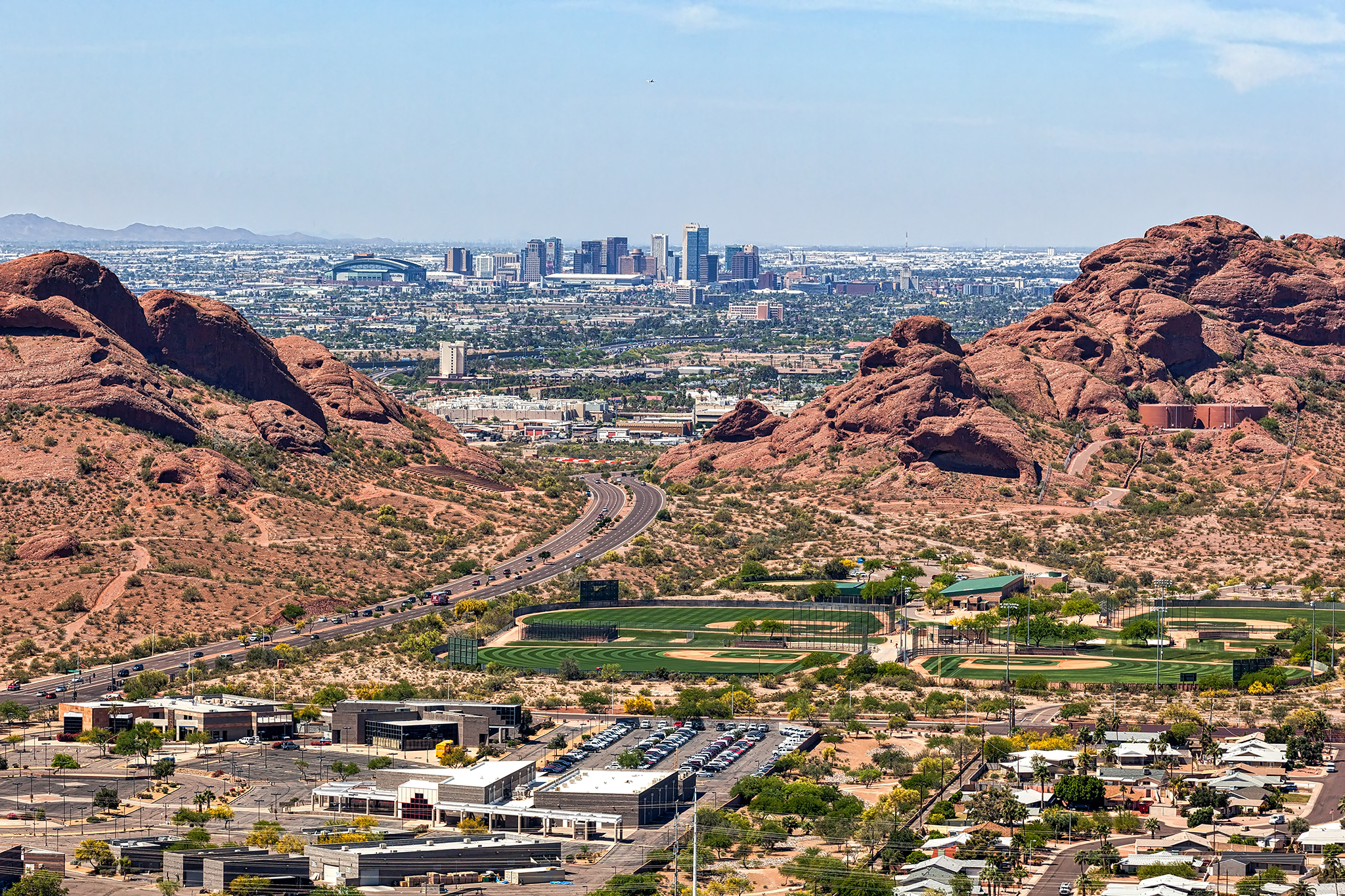
Outdoor Activities: The “no DST” rule can actually be a boon for outdoor enthusiasts. Since the sun sets “earlier” in comparison to states observing DST, you can enjoy stunning sunsets over the desert landscapes of Papago Park or from atop Camelback Mountain at what might feel like a more reasonable hour. This also means cooler temperatures arrive earlier in the evening, making after-dinner strolls or desert hikes more comfortable. Conversely, early morning activities are highly recommended in the hotter months to beat the heat, so plan to start your day at dawn.
Dining and Nightlife: Restaurants and entertainment venues in Phoenix operate on MST. Early bird specials, happy hours, and prime dinner reservations will be based on this local clock. If you’re used to dining late from a West Coast city during DST, you might find Phoenix restaurants closing slightly earlier than you anticipate, so always check ahead or make reservations. The city’s vibrant nightlife, particularly in areas like Old Town Scottsdale, picks up as the evening progresses, with popular spots staying open into the early morning hours, all based on the MST clock.
Experiencing Phoenix: A Timely Guide to Attractions and Activities
Phoenix offers a wealth of experiences, from natural wonders to cultural institutions. Knowing the local time context helps you make the most of every moment in this captivating desert metropolis.
Must-Visit Landmarks and Their Operating Hours
The Phoenix area boasts an impressive array of landmarks and attractions that cater to diverse interests.
- Desert Botanical Garden: A spectacular showcase of desert flora. Their hours often vary seasonally, with extended evening hours for special events and earlier closures during the hottest parts of summer. Always check their website for the most current MST-based schedule.
- Heard Museum: Dedicated to advancing American Indian art and culture. Typically open daily from late morning to late afternoon, but verify for holidays or special exhibits.
- Phoenix Zoo: Home to thousands of animals, the zoo often opens early in the morning, which is ideal for visiting before the heat builds up.
- Taliesin West: Frank Lloyd Wright’s winter home and architectural school offers various tours. Booking in advance is highly recommended, and tour times are, of course, strictly on MST.
- South Mountain Park and Preserve: One of the largest municipal parks in the United States, offering hiking, biking, and scenic drives. The park gates have specific opening and closing times, usually from early morning until late evening, based on Phoenix local time.
- Musical Instrument Museum (MIM): An internationally acclaimed museum, typically open from morning until mid-afternoon. Allow ample time for your visit, as there’s a lot to see.
When planning your itinerary, consider grouping attractions that are geographically close, such as the Desert Botanical Garden and Papago Park, to maximize your time. During the hotter months (May through September), prioritize indoor activities or water-based excursions for the afternoon, saving outdoor adventures for the cooler mornings and evenings.
Dining and Entertainment: When to Experience the Best
Phoenix’s culinary scene is a diverse blend of Southwest flavors, upscale dining, and casual eateries. The entertainment options are equally varied, ranging from live music venues to professional sports.
Breakfast and Brunch: Many local cafes and diners, especially in areas like Downtown Phoenix or the charming neighborhoods of Scottsdale, open early, often by 7:00 AM or 8:00 AM MST. This is perfect for fueling up before a morning hike or starting a day of sightseeing. Weekend brunch spots are incredibly popular, and reservations are often a good idea, particularly for those 10:00 AM to 1:00 PM MST slots.
Lunch: Midday dining offers a chance to escape the heat, with a plethora of options from food trucks to fine dining. Most lunch services run from 11:00 AM to 2:00 PM or 3:00 PM MST.
Dinner and Nightlife: Phoenix truly comes alive in the evenings. Dinner service typically begins around 5:00 PM MST, with peak hours between 6:30 PM and 8:30 PM. For a vibrant nightlife experience, Old Town Scottsdale is a popular destination with bars and clubs often open until 2:00 AM MST. In Downtown Phoenix, you’ll find a variety of entertainment options, including theaters and music venues, with showtimes always reflecting local time.
Don’t forget to account for travel time between different districts, especially during peak traffic hours, which typically occur from 7:00 AM to 9:00 AM and 4:00 PM to 6:00 PM MST.
Tips for a Seamless Arizona Adventure
To ensure your trip to Phoenix is as smooth as the desert sands, keep these practical tips in mind regarding time:
- Set Your Devices Automatically: Most smartphones, laptops, and smartwatches will automatically detect the local time zone when you arrive. Ensure your settings allow for automatic time zone updates to avoid manual adjustments and confusion.
- Double-Check All Bookings: Before your trip, confirm all flight times, hotel reservations, tour bookings, and restaurant reservations, paying close attention to whether the times are local Phoenix time or your home time zone.
- Inform Contacts: If you’re coordinating with people outside Arizona, especially during the DST period, explicitly state “MST” or “Arizona Time” when communicating meeting times or call schedules.
- Embrace the Early Bird: Especially during the warmer months, capitalize on Phoenix’s natural time rhythm by waking up early. The mornings are often the most pleasant part of the day for outdoor activities, offering cooler temperatures and beautiful light.
- Adjust Gradually: If you’re arriving from a significantly different time zone, allow yourself a day or two to adjust. The lack of DST can sometimes make jet lag feel slightly different for those coming from PDT or MDT regions.
Beyond Phoenix: Time Across the Grand Canyon State
While Phoenix is the heart of Arizona’s time zone discussion, it’s worth noting how this applies to other popular Arizona destinations.
- Grand Canyon National Park: The South Rim, the most visited part of the park, observes MST year-round, just like Phoenix. However, visitors traveling from the Navajo Nation (which is on DST for half the year) to the Grand Canyon will need to adjust their clocks.
- Sedona and Flagstaff: These popular northern Arizona cities also stick to MST year-round, making them synchronous with Phoenix.
- Tucson: In southern Arizona, this vibrant city also observes MST continuously.
- Saguaro National Park: Both the East and West districts of Saguaro National Park operate on MST.
The key takeaway is that almost all of Arizona remains on MST, simplifying travel within the state once you’ve adjusted to the initial difference with your home time zone, particularly during the Daylight Saving Time period. The only significant exception is the Navajo Nation, which observes DST, causing a one-hour difference with the rest of Arizona for about eight months of the year. Always be mindful if your travel plans take you into or out of this area, especially if you’re exploring attractions near the Colorado River or Lake Mead which border states that do observe DST.
In conclusion, knowing “What Is The Time In Arizona Phoenix Right Now?” is more than just a quick glance at your watch; it’s a gateway to understanding the rhythm of life in this unique desert state. By embracing Arizona’s consistent MST, you can ensure your travel, accommodation, tourism, and lifestyle experiences in Phoenix are perfectly timed and truly unforgettable.
LifeOutOfTheBox is a participant in the Amazon Services LLC Associates Program, an affiliate advertising program designed to provide a means for sites to earn advertising fees by advertising and linking to Amazon.com. Amazon, the Amazon logo, AmazonSupply, and the AmazonSupply logo are trademarks of Amazon.com, Inc. or its affiliates. As an Amazon Associate we earn affiliate commissions from qualifying purchases.