
For many travelers, understanding the local time is a foundational element of trip planning. However, when visiting Arizona, the answer to “What is the time in Arizona?” comes with a distinctive twist that can often surprise first-time visitors. Unlike most states in the United States and many other parts of the world, Arizona largely opts out of Daylight Saving Time (DST). This unique characteristic significantly influences everything from coordinating travel itineraries to planning daily activities and even understanding local culture, making it a crucial detail for anyone exploring the diverse landscapes and vibrant cities of the Grand Canyon State.
This seemingly simple detail about timekeeping has broader implications for how one experiences Arizona. Whether you’re a seasoned traveler or planning your inaugural visit, knowing how Arizona’s time zone operates is key to a seamless and enjoyable journey. From arriving for a scheduled Grand Canyon tour to making dinner reservations in Scottsdale or catching a spectacular desert sunset, understanding the clock ensures you’re always in sync with the local rhythm.
Understanding Arizona’s Unique Time Zone: Mountain Standard Time (MST)
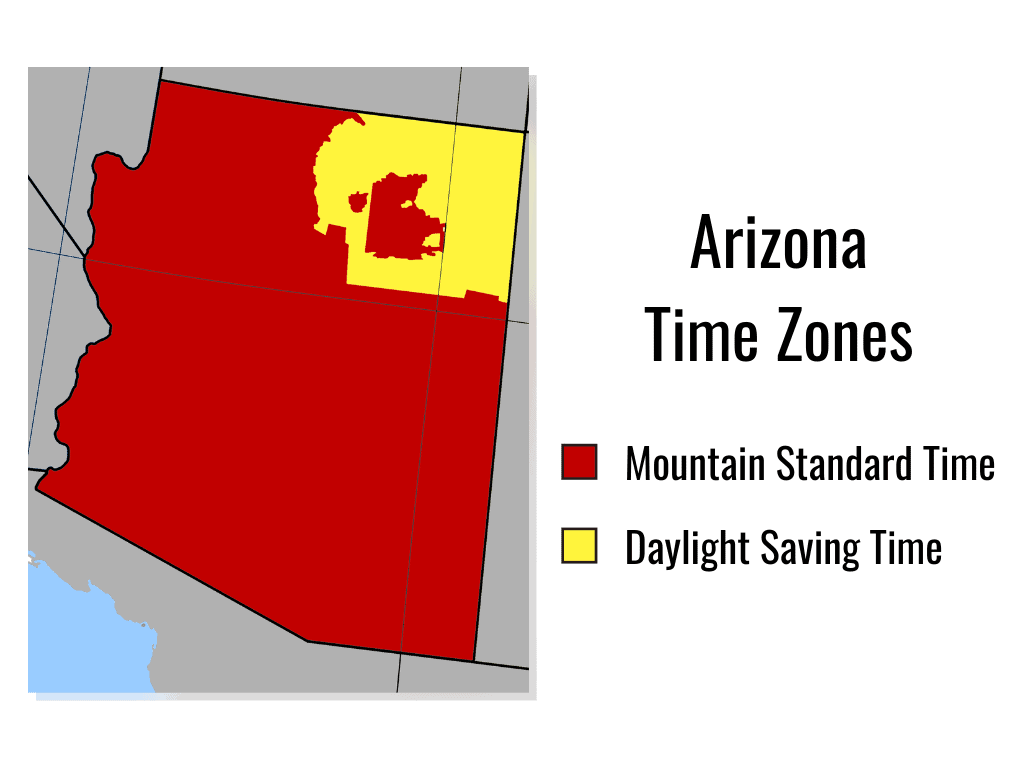
At its core, Arizona primarily observes Mountain Standard Time (MST) year-round. This means that while other states adjust their clocks forward an hour in spring and back an hour in autumn, Arizona remains constant. MST is seven hours behind Coordinated Universal Time (UTC-7). This consistent approach distinguishes Arizona from neighboring states that transition between Mountain Standard Time and Mountain Daylight Time (MDT).
The decision to forgo Daylight Saving Time in Arizona dates back to 1968. The primary rationale was practical: saving energy. With Arizona’s intensely hot summers, extending daylight into the evening would simply mean more hours of scorching sun, necessitating more air conditioning and negating any potential energy savings. By staying on MST year-round, residents and visitors alike avoid the disruptions of changing clocks and can better plan their days around the natural light and temperature cycles.

The Navajo Nation Exception
An important caveat to Arizona’s consistent time zone is the Navajo Nation. This vast autonomous territory, spanning parts of northeastern Arizona, as well as Utah and New Mexico, does observe Daylight Saving Time. This means that for approximately half the year, from March to November, the Navajo Nation is one hour ahead of the rest of Arizona.
This distinction is particularly relevant for travelers exploring iconic landmarks like Monument Valley or Antelope Canyon, which are located within the Navajo Nation. When planning tours or activities in these areas, it’s crucial to confirm the local time to avoid missing your scheduled reservations. For instance, if you’re driving from Flagstaff (which doesn’t observe DST) to a tour within the Navajo Nation during summer, you’ll need to account for an hour’s time jump as you cross the border.
The Impact of Arizona’s Time Zone on Travel and Planning
Understanding Arizona’s time zone isn’t just a matter of trivia; it has tangible implications for travel planning, coordination, and maximizing your experience. Ignoring this unique aspect can lead to missed flights, late check-ins, or even arriving too early for an attraction.
Seamless Travel Planning and Itinerary Management
For travelers coming from states that observe Daylight Saving Time, Arizona’s constant MST can initially be a source of confusion. During the summer months, when much of the United States is on Daylight Time (e.g., Pacific Daylight Time, Mountain Daylight Time), Arizona effectively operates on what would be considered Pacific Daylight Time. This means Phoenix and Los Angeles will be on the same time, even though Arizona officially uses MST.
- Flights and Connections: Always double-check flight times. An early morning flight out of Phoenix Sky Harbor International Airport might feel later or earlier than expected depending on your origin time zone. For those with connecting flights, especially through Las Vegas or Denver during DST, be mindful of the one-hour difference.
- Hotel and Tour Reservations: When booking accommodation, tours, or activities, confirm the time zone with the provider if you have any doubt. Most reputable tour operators in Arizona are well-versed in explaining their local time, but it’s always wise to verify. For instance, a whitewater rafting trip in the Grand Canyon or a jeep tour in Sedona will adhere strictly to Arizona’s non-DST schedule.
- Coordinating with Others: If you’re meeting friends or family from outside Arizona, clear communication about the local time is paramount. A simple phone call can prevent confusion and ensure everyone arrives at the designated spot simultaneously.
Optimizing Your Arizona Experience
The consistent time zone also subtly shapes the daily rhythm of life in Arizona, offering unique advantages for visitors, especially concerning outdoor activities and natural phenomena.
- Sunrise and Sunset: With no Daylight Saving Time in summer, sunsets can occur later in the evening than visitors might expect, particularly for those coming from eastern time zones. This provides ample opportunity for extended evening activities, such as late-afternoon hikes in Saguaro National Park or leisurely dinners with a view of Camelback Mountain in Phoenix. Conversely, sunrises can be earlier, perfect for capturing the golden hour over the Red Rocks of Sedona or for starting a cool morning hike before the desert heat intensifies.
- Outdoor Activities: Many of Arizona outdoor adventures are best enjoyed in the cooler parts of the day. Without DST, the morning hours during summer offer a slightly earlier start in terms of clock time, which can be advantageous for embarking on a strenuous hike in Canyon de Chelly National Monument or exploring the trails around Flagstaff. The long daylight hours in the evening are ideal for leisurely strolls, stargazing tours, or enjoying outdoor dining.
Exploring Arizona: Beyond the Clock
While understanding the time is crucial, Arizona offers an extraordinary array of experiences that transcend mere timekeeping. From its vast natural wonders to its vibrant urban centers and rich cultural heritage, the state is a prime destination for every type of traveler.
Destinations and Attractions for Every Traveler
Arizona’s landscape is incredibly diverse, offering everything from scorching deserts to pine-covered mountains.
- Phoenix and Scottsdale: The heart of urban Arizona, these cities boast world-class resorts, acclaimed dining, vibrant nightlife, and a thriving arts scene. Visitors can explore the Desert Botanical Garden, hike Camelback Mountain, or indulge in spa treatments at luxury establishments like the Four Seasons Resort Scottsdale at Troon North or The Phoenician, a Luxury Collection Resort, Scottsdale. Phoenix also serves as a fantastic base for exploring nearby attractions like the Apache Trail Scenic Byway.
- Tucson: Nestled in the Sonoran Desert, Tucson is a UNESCO City of Gastronomy, known for its delicious Mexican-influenced cuisine and historical sites like the Mission San Xavier del Bac. Saguaro National Park, home to the iconic saguaro cactus, flanks the city on both east and west, offering breathtaking hiking and scenic drives.
- Sedona: Famous for its stunning red rock formations, Sedona is a spiritual retreat known for its energy vortexes, art galleries, and incredible hiking trails. Whether you seek adventure or tranquility, Sedona delivers with its picturesque landscapes and unique atmosphere. Popular spots include Cathedral Rock and Bell Rock.
- Flagstaff: A gateway to the Grand Canyon and surrounded by the Coconino National Forest, Flagstaff offers a cooler, mountain environment. It’s ideal for skiing in winter at Arizona Snowbowl and hiking or mountain biking in summer. It’s also home to the Lowell Observatory, where Pluto was discovered.
- The Grand Canyon: No visit to Arizona is complete without witnessing the majestic Grand Canyon. Its sheer scale and breathtaking vistas are unforgettable. Activities include hiking, helicopter tours, and mule rides. Remember, if visiting the South Rim (which is in Arizona proper) versus areas within the Navajo Nation, the time difference could be a factor during DST.
- Other Notable Destinations: Explore the historic charm of Prescott, the unique London Bridge in Lake Havasu City, the dramatic slot canyons of Page, or the fascinating geological formations of Petrified Forest National Park. The state also features iconic engineering feats like the Hoover Dam on its border with Nevada.
Accommodation and Lifestyle Choices
Arizona’s diverse landscapes and cities offer a wide range of accommodation options and cater to various lifestyles.
- Luxury Travel: For those seeking indulgence, Arizona excels with its array of five-star resorts and boutique hotels. In Scottsdale and Phoenix, properties like the JW Marriott Scottsdale Camelback Inn Resort & Spa or Sanctuary Camelback Mountain, A Gurney’s Resort & Spa offer unparalleled amenities, including championship golf courses, world-class spas, and exquisite dining. Sedona also hosts luxurious retreats perfectly integrated into the red rock scenery.
- Budget-Friendly Options: Travelers on a tighter budget will find plenty of choices, from comfortable motels and hotels in all major cities to campgrounds in national parks and forests. Vacation rentals and Airbnb properties are also popular, providing flexibility and a more localized experience.
- Family Trips: Arizona is fantastic for families, with attractions like the Phoenix Zoo, the Children’s Museum of Phoenix, and various water parks. Many resorts offer kid-friendly pools, activities, and special programs.
- Adventure and Outdoor Lifestyles: Hikers, climbers, mountain bikers, and water sports enthusiasts will find endless opportunities. From the trails of the Superstition Mountains to the waters of Lake Powell, Arizona is an outdoor playground.
- Wellness and Retreats: Sedona is renowned for its wellness retreats, yoga studios, and spiritual healing centers. Many resorts across the state also offer comprehensive spa services and wellness programs, catering to a lifestyle focused on relaxation and rejuvenation.
Practical Tips for a Timeless Arizona Adventure
Beyond the core understanding of Arizona’s unique time zone, here are some practical tips to ensure your trip is as smooth and enjoyable as possible:
- Always Confirm Times: When making any reservation – be it for a hotel, flight, tour, or dinner – make it a habit to confirm the local time. If you’re booking online, most booking engines will display times in the local time zone, but a quick double-check can prevent misunderstandings.
- Adjust Your Devices: Most modern smartphones and computers automatically adjust to the local time zone when connected to cellular networks or Wi-Fi. However, it’s always good practice to verify your device’s settings, especially if you’re traveling from a region that does observe Daylight Saving Time.
- Communicate Clearly: If you’re coordinating with tour operators or local guides, a simple question like “Is that in Arizona local time?” can clear up any ambiguity, especially when dealing with areas near the Navajo Nation border.
- Embrace the Daylight: Arizona’s consistent time means long daylight hours in the summer evenings. Plan your schedule to take advantage of this. Enjoy later dinners, evening strolls, or simply relax as the desert sky transitions through an array of vibrant colors.
- Be Prepared for Climate: While time-related, the prolonged daylight affects temperature. Always be prepared for the desert heat, especially during spring and summer afternoons. Schedule strenuous outdoor activities for early mornings or late afternoons, ensuring you carry plenty of water and wear appropriate sun protection.
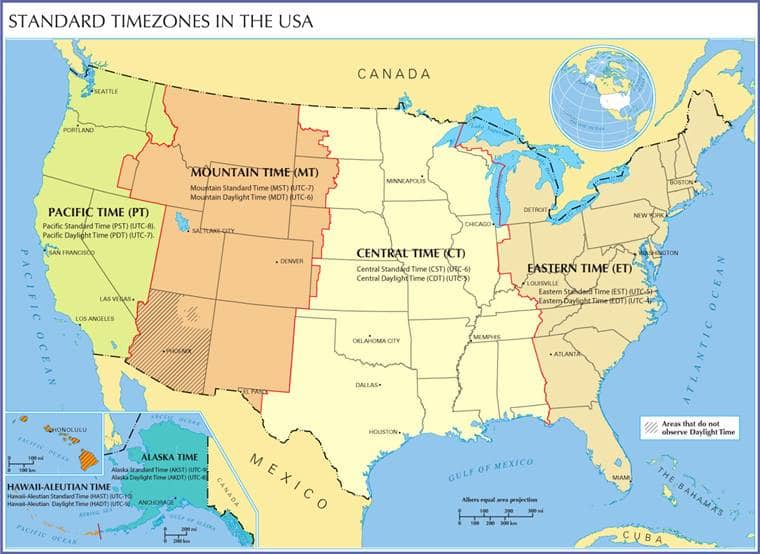
In conclusion, the question “What is the time in Arizona?” opens the door to understanding a distinct aspect of this remarkable state. By consistently observing Mountain Standard Time year-round (with the unique exception of the Navajo Nation), Arizona simplifies timekeeping for its residents and visitors alike. This approach not only prevents the twice-yearly clock changes but also shapes the rhythm of daily life and travel. Armed with this knowledge, you can confidently plan your itinerary, make timely reservations, and fully immerse yourself in the natural beauty, cultural richness, and endless adventures that await in the Grand Canyon State, ensuring your trip is truly a timeless experience.
LifeOutOfTheBox is a participant in the Amazon Services LLC Associates Program, an affiliate advertising program designed to provide a means for sites to earn advertising fees by advertising and linking to Amazon.com. Amazon, the Amazon logo, AmazonSupply, and the AmazonSupply logo are trademarks of Amazon.com, Inc. or its affiliates. As an Amazon Associate we earn affiliate commissions from qualifying purchases.